Which Metal Finishes Are Best for Hard Water Areas?
Brushed nickel and stainless steel are often reported to stay looking clean longer in hard-water homes; matte black can hide spots well until mineral buildup becomes chalky, while polished chrome tends to show droplets clearly but usually wipes off easily. Pick poorly, and you spend more time scrubbing white residue, fighting dull film, or replacing hardware that pits or peels. This guide compares spot-hiding performance, true durability, and maintenance burden for common bathroom and kitchen metal finishes.
Effects of hard water on metal surfaces


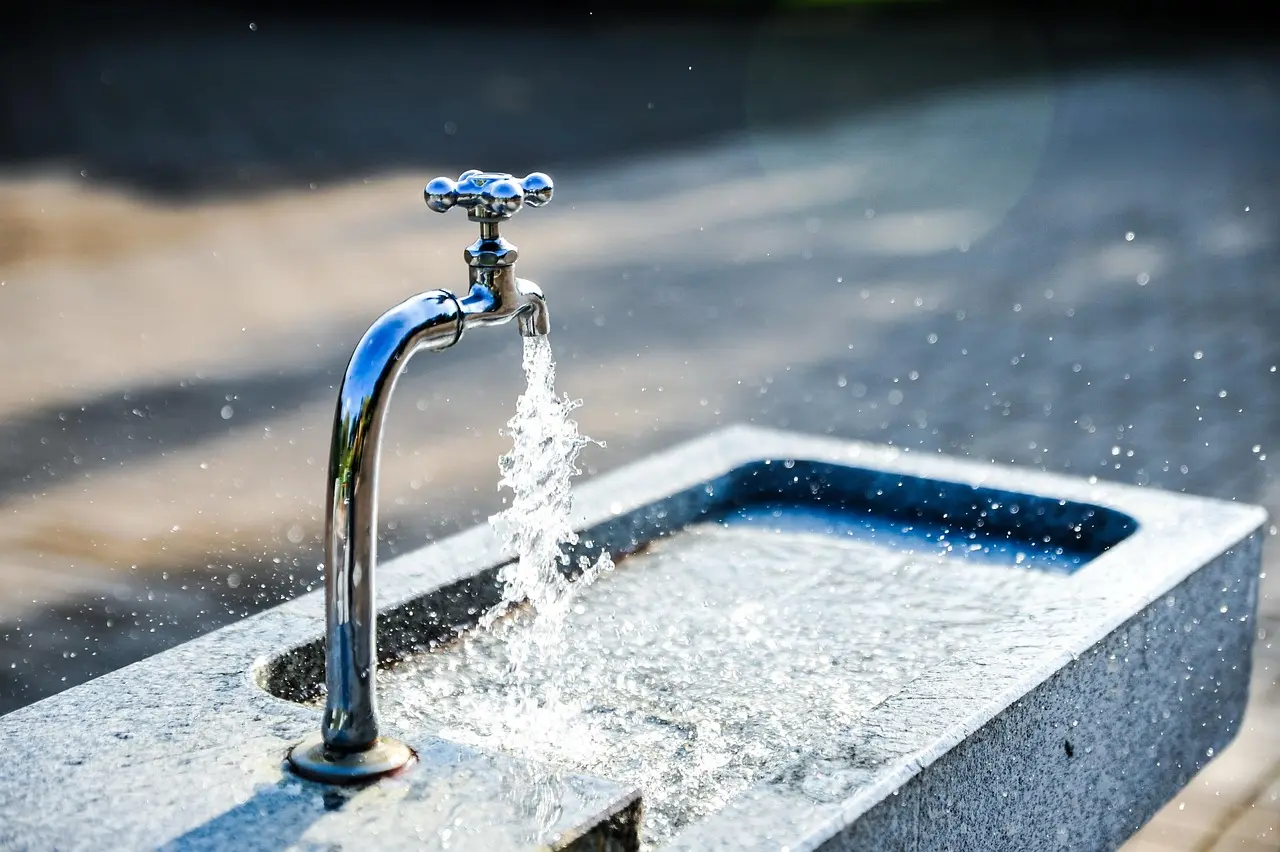
Hard water carries high levels of dissolved calcium and magnesium. When that water dries, it leaves mineral deposits on faucets, showerheads, and other metal surfaces. Those deposits often look white or off-white, and they mix with soap residue in sinks and bathtubs.
The key point is simple: spotting is about visibility, while corrosion resistance is about the material itself. A finish can hide dried droplets well and still fail if the base metal or coating cannot handle moisture, cleaning products, or chloride exposure.
What hard water leaves behind
Hard water leaves three common marks on fixtures. First is spotting from dried droplets. Second is soap scum, which builds where soap and minerals meet in sinks and tubs. Third is scale, the mineral buildup left behind when hard water dries.
Faucets and showerheads are common trouble spots because they get repeated wetting and drying. That cycle matters more than occasional splashes. The more often water dries on a finish, the more often visible residue returns.
Why some finishes spot faster
Reflective finishes show residue because they bounce more light back to the eye. A mirror finish shows fingerprints, water spots, and micro scratches very clearly, and it requires dedicated maintenance. A satin or brushed finish has low reflectivity and masks fingerprints and scratches well.
Color matters less than surface character. Dark finishes can hide some specks at first, but chalky mineral residue stands out once it dries. That is why a matte black faucet can look clean in one moment and dusty after a few hard-water dry-downs.
Spotting, scum, and scale
Do not treat these as the same problem. Spotting is what you see after droplets dry. Soap scum is a film that forms from cleaner and minerals together. Scale is a harder deposit that sticks after repeated drying cycles and can take more scrubbing to remove.
Which finishes stay clean longest?
Low-reflective finishes usually stay visually clean longest in hard-water homes. Brushed, satin, and some non-directional finishes hide droplets, fingerprints, and minor scratching better than mirror-polished surfaces. That does not make them immune to buildup; it just makes the buildup less obvious between cleanings.
What matters most is the amount of reflected light, how much texture the surface has, and how often it gets wiped. A finish that masks marks well can still need routine cleaning if the room gets heavy use.
Low-reflective finishes
Brushed nickel, satin nickel, brushed stainless, and other low-gloss finishes are usually the easiest choice for hard-water bathrooms. They hide fingerprints and scratches well, and they do not advertise every droplet the way polished chrome does.
Non-directional or orbital finishes add another advantage on curved or complex parts. The swirl pattern can hide fabrication marks and irregularities better than a flat mirror polish, especially on curved handles or rounded spouts.
High-reflective finishes
Chrome and polished nickel look crisp when clean, but they show water spots quickly. Mirror and polished surfaces also make micro scratches easier to see, so repeated wiping can leave a tired look sooner than many homeowners expect.
That does not mean these finishes fail early. It means their appearance changes faster in a hard-water home, especially on shower trim and faucet necks that dry with droplets after every use.
What matters more than color
Color is only part of the decision. A dark finish with a glossy topcoat may still show mineral film. A lighter brushed finish can look cleaner longer simply because it reduces contrast and scatter from dried spots.
Suppose a powder-coated black bathroom faucet gets misted twice a day from handwashing and shower runoff. It may hide random droplets at first, but the first white mineral rings will stand out more than they would on brushed nickel.
Does brushed nickel hide hard water stains better than chrome?
Yes. Brushed nickel generally hides hard water stains better than chrome because it has lower reflectivity and less mirror-like contrast. Chrome can be easier to wipe clean, but it also makes every dried droplet more visible, so the room can look messier between cleanings.
That tradeoff matters in bathrooms with frequent use. If you want the longest “looks clean” window, brushed nickel usually wins. If you want a bright, crisp look and do not mind wiping often, chrome still has a place.
Spot visibility on each finish
Chrome reveals dried mineral rings fast. Brushed nickel softens that look by breaking up reflections, so spots are less obvious from normal standing distance. Polished nickel sits closer to chrome in appearance than brushed nickel does, so it tends to show spots sooner than most people expect.
Fingerprint visibility and wiping
Chrome and polished nickel usually need more frequent wiping because fingerprints stand out. Brushed nickel is more forgiving. That said, all three still need cleaning when hard water dries on them, because the mineral residue can build up on any finish.
A common first-timer mistake is choosing a dark, low-gloss finish for spot hiding and assuming it will stay that way with no wiping. In a hard-water shower, the first few clean cycles matter; if scale is allowed to sit, even a forgiving finish starts to look cloudy.
Where each finish fits best
Brushed nickel fits bathrooms, powder rooms, and kitchen faucets where fingerprints and rinse marks are routine. Chrome fits places where you want a bright, easy-to-rinse look and are willing to wipe often. Polished nickel works best when the room gets lighter use or when the owner wants a more formal look and accepts more upkeep.
For cabinet pulls and door hardware, brushed or satin finishes usually stay presentable longer than polished ones. For shower trim, the choice leans even more toward low-reflective surfaces because droplets sit longer and spotting is more obvious.
Is stainless steel good for hard water areas?
Yes, stainless steel is a good choice for hard-water areas, but it is not spot-proof. Common architectural stainless steel grades such as 304 and 316 can both show water marks if droplets dry on the surface. Their advantage is durability, not invisibility.
Stainless also makes sense because many homeowners want a neutral metal that suits kitchens and bathrooms. The finish still needs wiping, but it usually holds up better than a finish that chips, peels, or loses color over time.
304 stainless steel in homes
304 stainless steel is a standard stainless steel grade used widely in interior hardware and fixtures. It polishes well and is common for indoor faucets, pulls, and accessories. For a typical interior bathroom or kitchen, it is often the default stainless choice.
304 can still spot in hard water, especially around faucet bases and spray heads. It is a good fit when the main concern is everyday appearance and normal indoor wear, not coastal exposure.
When 316 stainless steel makes sense
316 stainless steel is the better choice when hard water is paired with salty air or chloride exposure. It is recommended for coastal and marine-adjacent projects. That added corrosion resistance matters if the room gets salt-laden air, damp exterior breezes, or frequent chloride contact.
For an inland home with hard water only, 316 is usually more than needed. For a coastal bath or an outdoor kitchen sink, it can be the smarter long-term pick because finish durability matters more there than finish brightness alone.
Hard water plus coastal exposure
This mixed condition changes the decision. Hard water creates spotting; coastal air adds chloride exposure. A finish that only solves the spot problem may still age badly if the base metal is not right for salt. In that setting, 316 stainless earns its keep.
Picture a seaside primary bath with a shower that gets hard water every morning and salty air from a nearby window. A brushed 316 fixture is a better fit than a polished decorative finish, because both residue and corrosion pressure are in play.
Powder coat, anodized, and PVD
Finish systems can matter as much as color. Powder coating, anodizing, and PVD each affect how hardware handles wear, cleaning, and appearance. They do not all behave the same in hard-water rooms, so the base metal and the use location still matter.
Powder coating on hardware
Powder coating is an electrostatically applied dry powder cured into a hard film. It comes in a broad color palette and can work well on hardware when the coating is suited to the application. The big advantage is color choice without a paint-like wet finish.
The weak point is that a coated surface can still show mineral residue, and damage can be more visible if the coating chips. It is a good option for design flexibility, but it is not a free pass on maintenance.
Anodized aluminum finishes
Anodizing is an electrochemical process for aluminum that creates an integral coating that will not peel or flake. It offers strong abrasion and UV resistance, which is useful for some hardware and trim pieces. That makes anodized parts a practical choice where the base metal is aluminum.
In hard-water rooms, anodized aluminum can still show spotting, but the coating itself is durable. The benefit is long-term finish stability, especially on handles or trim that see repeated contact and cleaning.
PVD on stainless steel
PVD finishes on stainless steel matter when durability and a cleaner appearance both matter. They can give stainless a warmer or darker tone while preserving a hard-wearing surface. On frequently touched hardware, that can be a strong combination.
Even so, PVD does not eliminate mineral spotting. It can help the surface stay attractive longer, but you still need to wipe off hard-water residue before it has time to dry into scale.
Hard water finish matrix
This matrix scores common finishes for hard-water use across five criteria. Higher scores mean better performance for the stated category. The goal is not to crown one universal winner, but to show which finishes stay visually clean longest, which clean easiest, and which fit bathrooms or kitchens best.
| Finish | Spot visibility | Fingerprint visibility | Ease of cleaning | Scratch masking | Bathroom/kitchen fit | Best for | Avoid |
|---|---|---|---|---|---|---|---|
| Brushed nickel | 4/5 | 4/5 | 4/5 | 4/5 | 5/5 | Busy bathrooms, family kitchens, visible pulls | High-gloss design schemes that need mirror brightness |
| Satin stainless steel | 4/5 | 4/5 | 4/5 | 4/5 | 5/5 | Kitchen faucets, shower trim, utility sinks | Rooms that need a warm brass or bronze tone |
| Chrome | 2/5 | 2/5 | 5/5 | 2/5 | 4/5 | Bright bathrooms, easy-wipe fixtures, lower-touch guest baths | Shower-heavy rooms with frequent spotting |
| Polished nickel | 2/5 | 2/5 | 3/5 | 2/5 | 3/5 | Formal bathrooms, moderate-use vanities | High-traffic family baths and heavy hard-water exposure |
| Mirror/polished finish | 1/5 | 1/5 | 2/5 | 1/5 | 2/5 | Low-use decorative fixtures where frequent wiping is acceptable | Showers, hard-water primary baths, busy kitchens |
| Matte black | 3/5 | 4/5 | 3/5 | 3/5 | 3/5 | Modern baths where the owner will wipe residue often | Homes with heavy hard-water spotting and delayed cleaning |
| PVD stainless | 4/5 | 4/5 | 4/5 | 4/5 | 5/5 | Long-wear faucets, premium kitchen hardware, mixed-use homes | Projects that need the cheapest possible finish |
| 316 stainless steel | 4/5 | 4/5 | 4/5 | 4/5 | 5/5 | Coastal baths, salt-exposed kitchens, mixed hard-water/salt conditions | Inland rooms where basic 304 already fits the job |
Use the matrix this way: if visual cleanliness matters most, start with brushed nickel, satin stainless, or PVD stainless. If wipe-down speed matters more than appearance between cleanings, chrome is easier to keep bright. If the room is coastal, move 316 stainless higher on the list.
Maintenance frequency by finish
- Lowest effort: brushed nickel, satin stainless, and PVD stainless usually need routine wiping, not constant polishing.
- Moderate effort: chrome and polished nickel need regular wipe-downs to prevent visible spotting.
- Highest effort: mirror and polished finishes need the most frequent attention to stay clear of fingerprints, spots, and micro scratches.
How do I choose hardware that looks clean longer with hard water?
Start by matching the finish to the room, not just the style. Bathrooms with showers usually benefit from brushed or satin finishes. Kitchens often do well with satin stainless, brushed nickel, or PVD stainless because those finishes handle repeated contact and wiping better.
Then check the exposure. If the home has hard water only, finish choice can focus on spot hiding and cleaning effort. If hard water meets coastal air or salty indoor conditions, move toward 316 stainless or another finish system with stronger corrosion resistance.
A simple decision path
- Choose a low-reflective finish if you want the fixture to look clean longer between wipe-downs.
- Choose stainless, PVD stainless, or a durable coated system if the room sees frequent touch and cleaning.
- Choose 316 stainless when salt exposure joins hard water.
- Avoid polished surfaces in the highest-use wet zones unless regular maintenance is part of the plan.
Frequently asked questions
Which metal finish is best for hard water spots?
Brushed nickel and satin stainless steel are usually the best starting points for hard-water spots because they hide dried droplets better than polished finishes. If the room also needs stronger corrosion resistance, 316 stainless steel is the better metal choice in coastal or salt-exposed homes.
What finish is easiest to clean in a bathroom with hard water?
Chrome is often the easiest to wipe clean because its smooth, reflective surface lets residue come off quickly. The tradeoff is that it shows spots sooner, so you may clean it more often than a brushed finish that hides marks longer.
Does polished nickel show water spots?
Yes. Polished nickel shows water spots more easily than brushed nickel because it is more reflective. It can look beautiful when clean, but in a hard-water bathroom it usually needs more frequent wiping to stay presentable.
Should I avoid polished finishes in a hard water home?
Not always, but polished finishes are harder to keep looking clean. If the fixture is decorative or low-use, polished chrome or polished nickel can work. For showers, busy baths, and high-touch kitchen hardware, a brushed or satin finish is usually easier to live with.
Which faucet finish resists mineral buildup best?
No finish stops mineral buildup completely. The best-looking results usually come from low-reflective finishes such as brushed nickel, satin stainless, or PVD stainless, because they make buildup less obvious. Regular wiping matters more than any finish alone.
Sponsored / affiliate links. As an Amazon Associate I earn from qualifying purchases. I may earn additional commission from eligible campaigns.