How to Tie Down a Tarp: A Complete Guide for Automotive Enthusiasts
Hey there! If you’ve ever hauled gear in your truck bed or covered a car to protect it from the elements, you know how tricky it can be to keep a tarp secure. I learned this the hard way a few years back when a tarp I thought was tied down flew off my pickup on the highway—talk about a heart-stopping moment! Since then, I’ve spent plenty of time figuring out how to tie down a tarp properly, whether it’s for hauling lumber or shielding my classic Mustang from a storm.
I’m excited to share my hard-earned tips with you in this guide. Whether you’re a weekend warrior or just need to cover something in your vehicle, I’ll walk you through how to tie down a tarp like a pro. Let’s get started and make sure your tarp stays put, no matter what!
Why Tying Down a Tarp Matters
A tarp is only as good as how well it’s secured. A loose tarp can flap in the wind, tear, or come off completely, which can damage your cargo or create a hazard on the road. I once saw a tarp fly off someone’s trailer and nearly cause an accident—it’s serious stuff. Properly tying down a tarp protects your gear from rain, sun, or debris, keeps it safe during transport, and ensures you’re following road safety rules. Plus, it saves you the hassle of chasing a tarp down the highway like I did that one embarrassing time!
In the automotive world, tarps are super versatile. I use them to cover car parts, protect my truck bed during messy hauls, or shield a project car in the driveway. Knowing how to tie one down right makes all the difference.
Tools and Materials You’ll Need
Before we dive into the steps, let’s talk about what you’ll need. I like to keep things simple, and most of this stuff is probably already in your garage. Here’s a list of essentials based on my experience:
| Item | Purpose |
|---|---|
| Tarp | Choose a heavy-duty, waterproof tarp sized for your load. |
| Bungee cords | For quick, stretchy tie-downs on lighter loads. |
| Rope or paracord | For strong, customizable tie-downs on heavier or larger loads. |
| Ratchet straps | For super secure tie-downs, especially for heavy cargo. |
| Tarp clips or clamps | To grip the tarp tightly without relying on grommets. |
| Gloves | To protect your hands from rope burn or sharp edges. |
| Scissors or knife | Scissors or a knife |
| Anchor points (e.g., tie-down loops) | Built-in points in your truck bed or trailer to secure the tarp. |
Pro tip: Check your tarp for rips or weak spots before using it. I once used an old tarp with a small tear, and it ripped wide open during a windy drive—not fun!
Safety First: Preparing to Tie Down a Tarp
Safety is a big deal when tying down a tarp, especially if you’re hauling on the highway. I’ve learned a few lessons here, so let me share how I prep to stay safe.
First, make sure your cargo is stable before covering it with a tarp. A shifting load can loosen the tarp or damage your vehicle. I always stack items tightly and use padding for sharp edges to prevent tears. Next, wear gloves to avoid rope burns—I got a nasty one once from pulling paracord too fast. If you’re working in a truck bed, watch your step to avoid tripping. Finally, check local laws. Some states, like California, have strict rules about securing loads to prevent road hazards. I keep a copy of my state’s tie-down regulations in my glovebox just in case.
Step-by-Step Guide to Tying Down a Tarp
Alright, let’s get to the good stuff—how to actually tie down that tarp! I’ve broken this into steps based on what’s worked for me over the years of trial and error. We’ll cover different methods so you can choose what fits your needs.
Step 1: Choose the Right Tarp
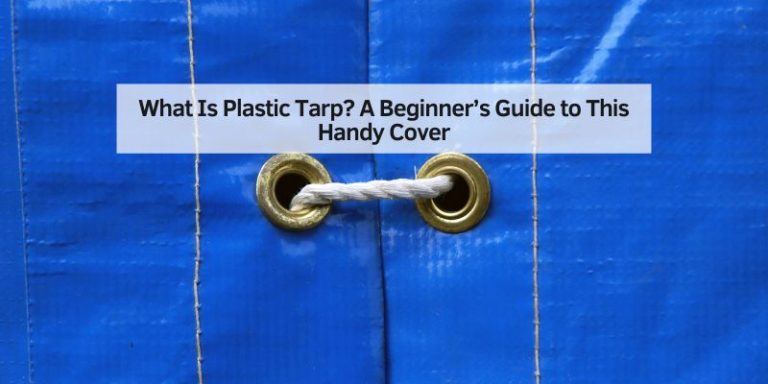
The first step is picking a tarp that’s up to the job. I always make sure my tarp is big enough to cover the load with some overlap—about 6-12 inches on each side. For example, when I haul mulch in my truck, I use a 6×8-foot tarp for a 5×6-foot bed. Go for a heavy-duty, waterproof tarp if you’re protecting against rain, like a canvas or vinyl one. For lighter jobs, like covering a grill, a polyethylene tarp works fine. Check that the tarp has strong grommets (those metal eyelets) for tying it down.
Step 2: Position the Tarp Over Your Load
Lay the tarp over your cargo evenly. I start by centering it so there’s equal overhang on all sides. Smooth out any wrinkles to prevent flapping in the wind. If you’re covering a tall load, like stacked lumber, tuck the tarp around the sides to keep it snug. I once skipped this step and ended up with a tarp that ballooned up like a parachute—not good! If the tarp doesn’t have enough grommets, use tarp clips to create extra tie-down points.
Step 3: Identify Anchor Points
Your vehicle or trailer should have anchor points, like tie-down loops or cleats, in the truck bed or along the sides. I always check that they’re secure before tying anything down. If you don’t have built-in anchors, you can use the frame under the vehicle or even the trailer hitch, but be careful not to scratch the paint. For my pickup, I use the bed’s tie-down loops, which are perfect for securing ropes or straps.
Step 4: Choose Your Tie-Down Method
There are a few ways to secure a tarp, depending on your load and tools. I’ll walk you through three methods I use regularly.
Method 1: Bungee Cords
Bungee cords are quick and easy for light loads, like covering a small stack of boxes. Hook one end of the bungee through a grommet and the other to an anchor point. I stretch them just enough to keep the tarp taut but not so tight they snap back—ouch! Space the cords evenly, about every 2-3 feet, to prevent loose spots. I used bungees to cover a toolbox in my truck bed once, and they held up fine for a short trip.
Method 2: Rope or Paracord
Rope is my go-to for heavier or oddly shaped loads. I use paracord because it’s strong and easy to knot. Thread the rope through a grommet, then tie it to an anchor point using a reliable knot. My favorite is the trucker’s hitch—it’s adjustable and super secure. Loop the rope around the load, crisscrossing for extra stability, and tie it off at each anchor point. I used this method to secure a tarp over a load of furniture during a move, and it didn’t budge even at 60 mph.
Method 3: Ratchet Straps
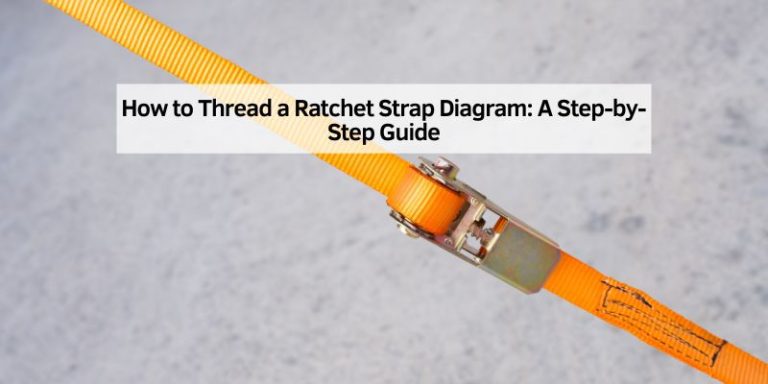
For heavy-duty jobs, like hauling a motorcycle, ratchet straps are the best. Thread the strap through a grommet or clip, then attach it to an anchor point. Crank the ratchet to tighten, but don’t overdo it—you could tear the tarp or damage the cargo. I space straps every 2-4 feet and double-check them after a few miles. When I hauled my dirt bike last summer, ratchet straps kept the tarp rock-solid the whole way.
Step 5: Tie Strong Knots
If you’re using rope, good knots are key. I struggled with this at first, but practice makes perfect. Here are two knots I rely on:
- Trucker’s Hitch: Great for tightening and adjusting tension. Loop the rope through an anchor, create a slip loop, and pull tight.
- Bowline Knot: Perfect for a secure, non-slip loop at the end of a rope. It’s easy to untie even after heavy use.
I keep a knot-tying app on my phone for quick refreshers when I’m out in the field.
Step 6: Check for Flapping Edges
Walk around your vehicle and tug on the tarp to make sure it’s snug. Loose edges can catch the wind and tear. I fold excess tarp under the load or secure it with extra clips. If you’re hauling, flapping can also mean your load isn’t secure, so double-check everything. I learned this when a corner of my tarp came loose during a windy drive and started whipping around.
Step 7: Test and Adjust
Before hitting the road, give the tarp a gentle shake to see if anything shifts. If you’re hauling, drive a short distance and stop to check the tarp. I always pull over after 5-10 miles to retighten straps or ropes—things can settle during transit. This saved me once when a bungee cord slipped off during a test drive.

Common Mistakes to Avoid
I’ve made plenty of blunders tying down tarps, so let me save you some trouble. Don’t use a tarp that’s too small—it won’t cover properly and could tear. Avoid cheap bungee cords; they snap easily and can be dangerous. Don’t skip checking anchor points—weak ones can break under pressure. Also, never tie a tarp so tight it stretches the grommets; it’ll rip over time. Finally, don’t ignore flapping edges. I had a tarp tear because I thought a small loose spot wasn’t a big deal—wrong!
When to Use Different Tie-Down Methods
Choosing the right tie-down method depends on your load and trip. For short drives with light cargo, like covering a lawnmower, bungee cords are fine. For longer trips or heavier loads, like furniture, use rope with strong knots. For maximum security, like hauling a vehicle, ratchet straps are the way to go. I mix methods sometimes—bungees for quick corners and straps for the main load. Experiment to find what works for your setup.
Maintaining Your Tarp and Tie-Downs
To keep your tarp and tie-downs in good shape, store them properly. I hang my tarps in the garage to keep them dry and prevent mildew. Clean them with soap and water if they’re dirty—mud can weaken the material over time. Check ropes and straps for fraying or wear; I replaced a ratchet strap last year after noticing a small cut. Store bungee cords out of sunlight to prevent the rubber from degrading. A little care goes a long way in making your gear last.
When to Call a Professional
Most tarp tie-down jobs are DIY-friendly, but some situations call for help. If you’re hauling an oversized load, like a boat, a professional hauler knows how to secure it safely and legally. If you’re unsure about your vehicle’s anchor points or need custom tie-downs, a mechanic or fabricator can help. I called a pro once to secure a massive load of lumber for a construction project—it was worth the peace of mind.
Legal Considerations for Hauling with a Tarp
In the USA, each state has rules for securing loads. I learned this when I got a warning for a loose tarp in Ohio. Most states require loads to be fully covered and secured to prevent debris from falling. Check your state’s Department of Transportation website for specifics. For example, some states require red flags on loads that extend past your vehicle. I keep a small flag in my truck just in case. Fines for unsecured loads can be steep, so it’s worth doing it right.
Troubleshooting Common Tarp Issues
Even with the best setup, things can go wrong. If your tarp flaps, add more tie-downs or fold loose edges under. If a grommet tears, use a tarp clip to create a new anchor point. If your load shifts, stop immediately and resecure everything. I had a load of gravel shift once because I didn’t tie the tarp tightly enough—luckily, I caught it before it spilled. If your tarp gets wet and heavy, dry it out before storing to avoid mold.
Conclusion
Tying down a tarp might seem simple, but it’s an art that keeps your cargo safe, your vehicle protected, and the roads hazard-free. I’ve gone from losing a tarp on the highway to confidently securing everything from car parts to furniture, and I love sharing what I’ve learned. With the right tarp, tools, and techniques, you can tackle any tie-down job like a seasoned pro. Whether you’re hauling across town or shielding your ride from a storm, these steps will keep your tarp in place and your mind at ease. So grab your gear, practice those knots, and hit the road with confidence. Happy hauling!
Frequently Asked Questions
What kind of tarp is best for covering a car?
A heavy-duty, waterproof tarp, like vinyl or canvas, works best. Make sure it’s big enough to cover your car with some overlap and has strong grommets.
Can I use bungee cords for heavy loads?
Bungee cords are fine for light loads but not strong enough for heavy cargo. Use ratchet straps or rope for heavier items to keep them secure.
What’s the best knot for tying down a tarp?
The trucker’s hitch is great because it’s adjustable and holds tight. The bowline knot is also reliable for creating a secure loop.
How do I stop my tarp from flapping in the wind?
Make sure the tarp is snug and tied evenly. Tuck or fold loose edges and add extra tie-downs or clips to keep it from catching the wind.
Do I need to follow laws when tying down a tarp?
Yes, most states require loads to be fully secured and covered. Check your state’s rules to avoid fines, and use flags if your load extends past your vehicle.
How often should I check my tarp during a trip?
Stop after 5-10 miles to check the tarp and retighten if needed. Check again every few hours on long trips to ensure nothing has shifted.
What do I do if a tarp grommet tears?
Use a tarp clip to create a new tie-down point near the tear. You can also patch the tarp with a repair kit for a temporary fix.