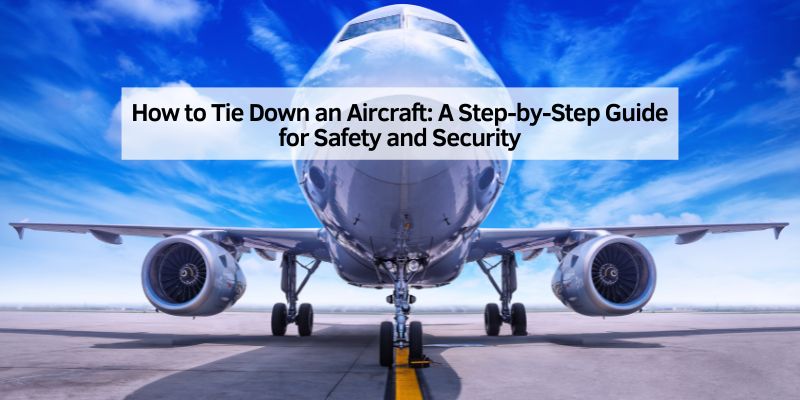
How to Tie Down an Aircraft: A Step-by-Step Guide for Safety and Security
Hey there! If you’ve ever been around small aircraft, you know they’re amazing machines, but they need proper care to stay safe on the ground. Whether you’re a new pilot, an aircraft owner, or just helping out at the airfield, learning how to tie down an aircraft is a must. It’s not just about looping some ropes around the wings—it’s about protecting your plane from wind, weather, and unexpected mishaps. I’ve spent plenty of time at small airports, securing planes after flights, and I’m excited to share what I’ve learned. This guide will walk you through everything you need to know, step by step, in a way that’s easy to follow. Let’s dive in and make sure your aircraft stays safe and sound!
Why Tying Down an Aircraft Matters
Picture this: you’ve just landed your plane after a smooth flight. You’re tired, maybe a bit hungry, and all you want to do is head home. But leaving your aircraft without securing it is like leaving your car parked on a hill without the brake on. Winds can pick up, storms can roll in, and an unsecured plane can shift, tip, or even get damaged. Tying down an aircraft keeps it stable and protects your investment. I’ve seen gusts at small airfields push untied planes into each other, causing thousands in repairs. It’s a simple task that saves a lot of heartache. Plus, it’s a basic responsibility for anyone handling a plane.
Understanding Tie-Down Points on an Aircraft
Every aircraft has specific spots designed for tying it down. These are called tie-down points, and they’re usually found on the wings and tail. When I first started, I was nervous about finding them, but they’re easy to spot once you know what to look for. On most small planes, like a Cessna or Piper, you’ll see metal rings or loops under each wing and at the tail. These points are built to handle the stress of ropes or chains pulling against them.
Before you start, check your aircraft’s manual. It’ll show you exactly where the tie-down points are. For example, a Cessna 172 typically has two wing tie-down points and one at the tail. If you’re working with a different model, like a Cirrus or a Bonanza, the setup might vary slightly. Always double-check to avoid attaching ropes to the wrong spot, like a strut or landing gear, which could cause damage.
Choosing the Right Tie-Down Equipment
You can’t just grab any rope from your garage to tie down a plane. The equipment matters. I learned this the hard way when I saw a frayed rope snap during a windy day at the airfield. Here’s what you need:
- Ropes or Chains: Use aircraft-grade ropes or chains. Nylon ropes are popular because they’re strong and slightly stretchy, which helps absorb wind gusts. Chains are heavier but super durable.
- Tie-Down Anchors: These are stakes or anchors driven into the ground. Some airfields have permanent anchors, but portable ones work too.
- Knots or Clips: You’ll need secure knots (like a bowline) or quick-release clips to attach the ropes to the plane and anchors.
Here’s a quick table to help you choose:
| Equipment | Pros | Cons |
|---|---|---|
| Nylon Rope | Strong, flexible, affordable | Can fray over time |
| Chains | Extremely durable, weather-resistant | Heavy, less flexible |
| Portable Anchors | Easy to use, movable | May not hold in loose soil |
| Permanent Anchors | Super secure, no setup needed | Only available at some airfields |
I prefer nylon ropes for their balance of strength and ease of use, but always inspect them for wear before using them.
Preparing the Aircraft for Tie-Down
Before you start tying down, you need to prep the plane. I always run through a quick checklist to make sure everything’s ready. First, park the aircraft in the designated tie-down area. Make sure it’s facing into the wind if possible—this reduces the chance of wind flipping it. Next, set the parking brake and chock the wheels. Chocks are those little wedges that keep the plane from rolling. I’ve seen pilots skip this step, only to watch their plane shift in a gust.
Close all doors, windows, and vents to keep rain or debris out. If the plane has a control lock, use it to secure the yoke or stick. This keeps the control surfaces, like ailerons and elevators, from flapping in the wind. I once forgot to lock the controls, and the constant movement wore down some hinges over time. Lesson learned!
Step-by-Step Guide to Tying Down an Aircraft
Now, let’s get to the main event—actually tying down the plane. Here’s how I do it, step by step, based on years of practice:
- Locate the Tie-Down Points: Find the metal rings or loops on the wings and tail. Double-check the aircraft manual if you’re unsure.
- Inspect Your Equipment: Look at your ropes or chains for fraying, rust, or weak spots. If anything looks off, replace it.
- Attach Ropes to Anchors: Secure one end of each rope to the ground anchors. If you’re using portable anchors, drive them deep into the ground at a 45-degree angle for maximum hold.
- Connect to the Aircraft: Tie the other end of the rope to the aircraft’s tie-down points. Use a strong knot like a bowline or a quick-release clip. Make sure the rope is taut but not overly tight—you want a little give to handle wind gusts.
- Check Tension and Balance: Walk around the plane to ensure all ropes have even tension. The plane should stay level and stable. I usually tug on each rope to test it.
- Double-Check Everything: Give the plane a gentle push to see if it moves. If it does, tighten the ropes or adjust the anchors.
This process takes me about 10 minutes now, but it felt like forever the first time. Practice makes it second nature.
Common Mistakes to Avoid
I’ve made my share of mistakesTek down an aircraft properly, you can follow these steps:
Why is it important to tie down an aircraft?
Tying down an aircraft keeps it secure against wind, storms, and other forces that could move or damage it. It protects your plane and prevents costly accidents.
What kind of ropes should I use to tie down an aircraft?
Use aircraft-grade nylon ropes or chains. Nylon is strong and slightly stretchy, while chains are very durable but heavier. Always check for wear before use.
How do I find the tie-down points on my aircraft?
Check your aircraft’s manual for the exact locations. Most small planes have metal rings or loops under each wing and at the tail.
What happens if I don’t tie down my aircraft?
An untied aircraft can shift, tip, or collide with other planes due to wind or storms, leading to expensive damage.
How tight should the tie-down ropes be?
The ropes should be taut but with a little give to absorb wind gusts. Over-tightening can stress the aircraft’s tie-down points.