How to Toilet Train a Puppy: Expert Tips for Success
Are you ready to transform your puppy into a well-behaved member of your household? Toilet training is an essential step that sets the foundation for a happy and healthy life together.
Imagine the relief and joy of not worrying about little accidents on your brand-new carpet or that cherished rug. Training your puppy might seem daunting, but with the right approach, it can be a rewarding experience for both you and your furry friend.
This guide will walk you through simple, effective steps, ensuring you spend less time cleaning and more time enjoying those precious moments with your pup. Let’s dive in and discover how to make toilet training a success!

Credit: www.youtube.com
Choosing The Right Time
Puppies grow fast and learn quickly. Ideal age to start training is 8-12 weeks. At this age, they can hold their bladder. Early training helps puppies adapt well. Older puppies may take longer to learn. They might have habits already. Consistency is key, no matter the age. Training should be gentle and patient.
Puppies show signs when ready to learn. Sniffing the ground is one sign. Circling before sitting is another. They might whine or scratch at the door. These are signals they need to go. Pay attention to these signs. Praise them when they go outside. It encourages good behavior. Routine helps puppies understand. Regular times for bathroom trips work well.
Essential Supplies
Puppy pads are very helpful. They keep floors clean and dry. Place them where your puppy spends time. Crates are another must-have. They create a safe space for your puppy. It helps them feel secure. Make sure it’s the right size. Not too big or small.
Accidents happen. Be ready with cleaning materials. Enzyme cleaners work best for removing odors. Paper towels help with quick clean-ups. Keep a mop nearby. It’s handy for larger spills. A clean home keeps everyone happy.
Creating A Routine
Puppies need a consistent feeding schedule. Feed them at the same time every day. This helps their body get into a rhythm. After eating, take them outside immediately. Puppies usually need to go potty soon after eating. This routine helps them learn when it’s time to go.
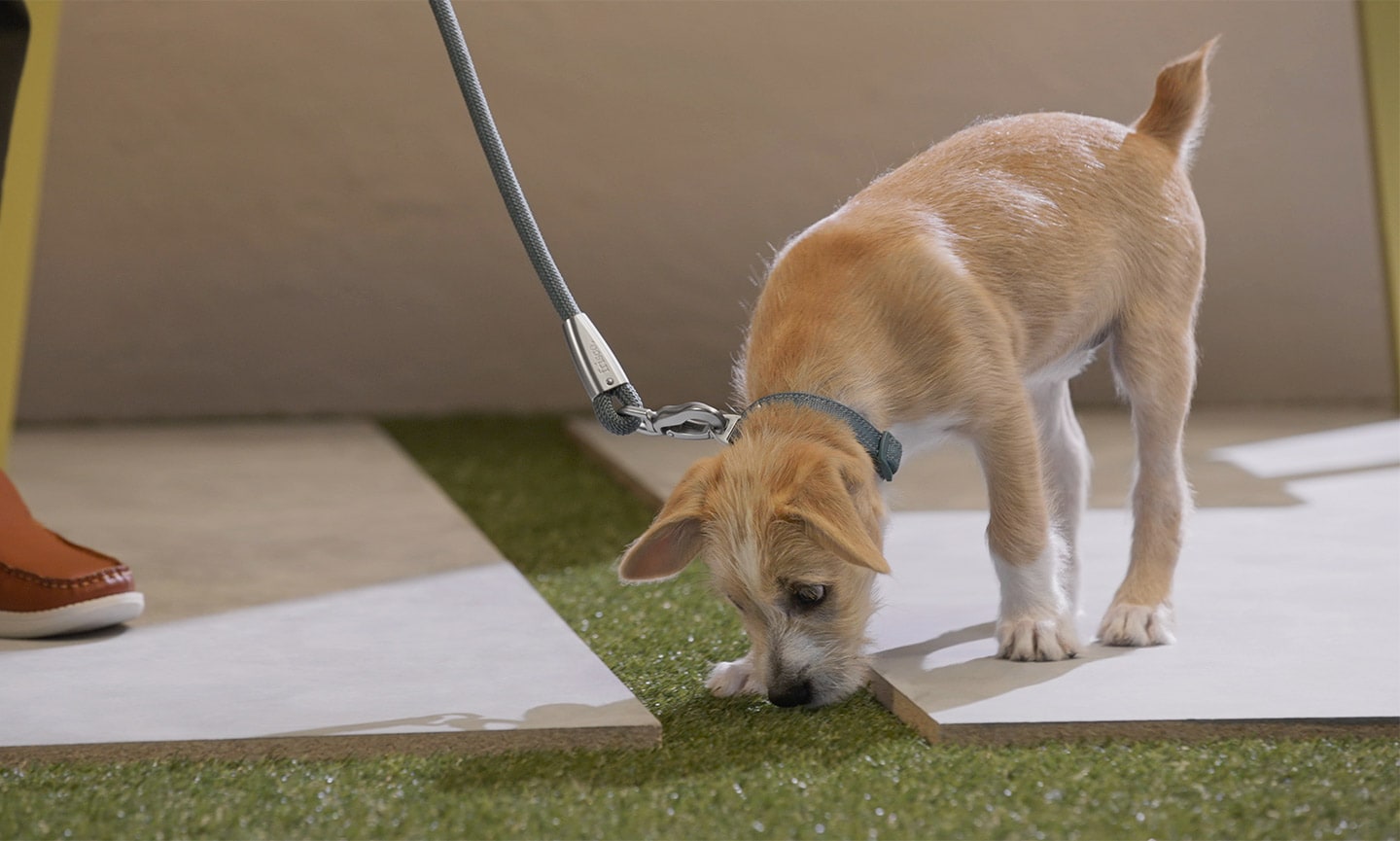
Take your puppy outside every hour. Puppies have small bladders. They can’t hold it for long. Going outside often helps prevent accidents. Always go to the same spot. This helps them understand where to go potty. Give them praise when they do well. Positive reinforcement helps them learn faster.
Credit: www.chewy.com
Establishing A Bathroom Spot
Puppies need a special spot to go to the bathroom. Choose between indoor and outdoor options. Each choice has its benefits. Indoor spots are useful in bad weather. Outdoor spots teach your puppy to wait until they are outside. Consistency is key. Always use the same spot. This helps your puppy learn faster.
Indoor options might include puppy pads or a special mat. These are great for apartments. Outdoor options can be a patch of grass or a specific area in your yard. Each option requires patience and consistency. Choose what fits your lifestyle best.
Puppies learn best with consistent training. Pick a spot and stick with it. Your puppy will soon understand where to go. This makes the process smoother and less stressful.
Positive Reinforcement Techniques
Toilet training a puppy becomes easier with positive reinforcement techniques. Reward your puppy with treats and praise after successful bathroom trips. Consistent rewards encourage good habits and help your puppy learn quickly.
Reward Systems
Puppies love treats. They feel happy when they get them. Give a treat after your puppy uses the toilet correctly. This makes them want to do it again. Treats should be small. You don’t want to fill their tummy. Use healthy treats. They should be safe and tasty.
Verbal Praise
Words matter to puppies. Saying “Good job!” makes them feel proud. Use a happy voice. Smiles help too. Puppies notice your mood. Praise helps them learn faster. Say nice things right after they use the toilet. Make sure they know why they’re praised. Simple words work best.
:strip_icc()/potty-train-a-dog-one-spot-855a2ac514cb44658f31b24855a55de8.jpg)
Credit: www.thesprucepets.com
Handling Accidents
Accidents happen. Puppies need time to learn. Clean up messes right away. Use a pet-safe cleaner. It removes odors and stains. This stops puppies from returning to the same spot. Paper towels or an old cloth work well. Blot the area first. Then apply the cleaner. Avoid rubbing the stain. It might spread the mess. Always wash hands after cleaning.
Yelling scares puppies. It can confuse them. Punishment can make things worse. Instead, stay calm. Focus on the positives. Praise them when they go outside. This builds good habits. Use treats or kind words. This encourages them to do better. Remember, patience is key. Training takes time. But it’s worth it.
Dealing With Challenges
Training a puppy to use the toilet involves patience and consistency. Start with a regular schedule for bathroom breaks. Praise them immediately after they succeed to reinforce good behavior.
Overcoming Setbacks
Puppies may have accidents during training. This is normal. Patience is key. Clean messes quickly to avoid bad smells. Use cleaning products that remove odors. Teach your puppy the right place to go. Reward them with treats and praise. If your puppy makes a mistake, do not scold. Stay calm and guide them.
Addressing Fear And Anxiety
Puppies can feel scared or anxious. Loud noises might frighten them. Create a calm space for your puppy. Use soft blankets or a pet bed. Spend time with them to build trust. Toys can help distract them. Keep the training area peaceful. This helps them feel safe. Consistent routines also reduce anxiety.
Seeking Professional Help
Sometimes training a puppy can be hard. Puppies may not listen. They might have accidents often. If this happens, consulting a trainer can help. Trainers know many tips and tricks. They can teach puppies quickly.
Expert guidance offers many benefits. Trainers can give clear instructions. They help with understanding puppy behavior. Their advice makes training easier. Puppies learn faster with experts. Less stress for you and your pet.
Frequently Asked Questions
What Is The Fastest Way To Potty Train A Puppy?
Start by creating a consistent schedule for feeding and bathroom breaks. Use positive reinforcement like treats and praise. Take your puppy to the same spot each time. Supervise indoors and use a crate for unsupervised times. Clean accidents immediately to prevent repeat incidents.
Consistency ensures faster potty training.
How Long Should It Take To Toilet Train A Puppy?
Puppy toilet training typically takes 4 to 6 months. Consistency and patience speed up the process. Every puppy is different, so some may learn faster. Stick to a regular schedule for best results. Positive reinforcement encourages good habits and helps your puppy understand.
What Is A Reasonable Age For A Puppy To Be Potty Trained?
Puppies can typically be potty trained between 12 to 16 weeks of age. Consistency and patience are key. Start training early, but remember each puppy’s readiness varies. Use rewards and positive reinforcement to encourage good behavior. Aim for regular bathroom breaks to help establish routine.
What Is The 10-10-10 Rule For Puppies?
The 10-10-10 rule for puppies involves 10 minutes of exercise, 10 minutes of training, and 10 minutes of bonding daily. This approach helps in balanced growth and development for puppies. It ensures they receive physical activity, mental stimulation, and emotional connection with their owner.
Conclusion
Training a puppy requires patience and consistency. Stick to a routine. Praise your puppy for good behavior. Accidents happen, and that’s okay. Clean up messes without fuss. Puppies learn best with positive reinforcement. Use treats and kind words. Over time, your puppy will understand.
Keep sessions short and fun. Your dedication will pay off. A well-trained puppy brings joy. Enjoy the journey together. Celebrate small victories. With love and time, success is within reach. Toilet training strengthens your bond. Happy training!