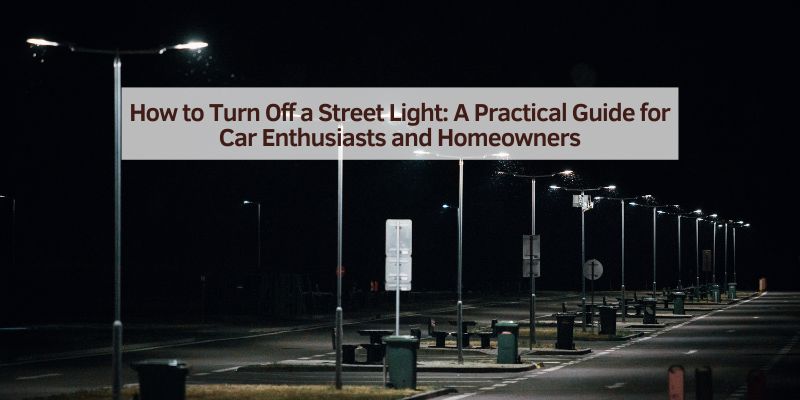
How to Turn Off a Street Light: A Practical Guide for Car Enthusiasts and Homeowners
Hey there! I’m thrilled to sit down with you and talk about something that’s crossed my mind more than once while working late in my garage or pulling into my driveway at night—those super bright street lights. As a car enthusiast, I love a well-lit space to show off my ride, but sometimes a street light’s glare can be a bit much, especially when it’s shining right into my workspace or bedroom window.
So, I started digging into the question, “How do I turn off a street light?” I’ve explored a bunch of ways to dim or disable them, from simple tricks to official channels, and I’m excited to share what I’ve learned. Whether you’re dealing with a pesky light near your garage or just want a darker driveway, let’s figure this out together with practical, safe, and legal solutions.
Why You Might Want to Turn Off a Street Light
I get it—street lights are great for safety. They keep our neighborhoods lit, make it easier to park at night, and deter troublemakers. In my area, the street light outside my house helps me see my car clearly when I’m unloading tools after a late-night project. But sometimes, that same light can be a headache. It might shine into your garage, making it hard to focus on detailing your car. Or maybe it’s beaming into your bedroom, keeping you up at night.
I had a street light right outside my garage that was so bright it cast shadows on my workbench. It was distracting when I was trying to polish my car’s chrome. Plus, some lights are just too intense, creating glare that makes it hard to see. Turning off or dimming a street light can make your space more comfortable and functional, whether you’re working on your car or just trying to sleep.
Understanding How Street Lights Work
Before we dive into turning off a street light, let’s talk about how they function. I was curious about this myself, so I did some digging. Most street lights in the U.S. are owned by local governments, utility companies, or municipalities. They’re usually high-pressure sodium, metal halide, or LED lights, and they’re designed to stay on from dusk to dawn.
Many street lights have a photocell sensor that detects darkness and turns the light on automatically. I noticed the one near my house clicks on as soon as the sun sets. Some newer models use timers or smart controls that connect to a central system. Knowing this helps because it tells us what we’re working with when trying to turn one off.
Legal and Safety Considerations
I’ll be straight with you—messing with street lights can be tricky. They’re public property, so tampering with them is illegal in most places. I learned this the hard way when I thought about climbing a pole to cover a light (don’t do that!). It can lead to fines, or worse, you could get hurt. Electricity is no joke, and street lights often run on high voltage.
Instead, I found safer and legal ways to deal with a street light. Most involve working with your city or utility company. Some methods, like using temporary covers, are okay for short-term fixes, but always check local laws. My goal here is to keep you safe and out of trouble while solving the problem.
Method 1: Contact Your Local Utility or Municipality
The first thing I tried was calling my city’s public works department. This is the most legit way to get a street light turned off or adjusted. Most cities have a department that handles street lighting, and they’re usually happy to help if the light’s causing a problem.
I explained that the light outside my garage was too bright and shining into my workspace. They sent someone out to check it. In my case, they installed a shield to redirect the light away from my property. Some cities might turn off the light temporarily or replace it with a lower-wattage bulb. It took a week or two, but it was worth it.
To do this, find the contact number for your city’s public works or utility company. I looked it up on my city’s website. Tell them the light’s location (like the nearest street address or pole number) and why it’s an issue. Be polite—they’re more likely to help if you’re friendly. If the light’s on private property, like an apartment complex, contact the property manager instead.
Method 2: Request a Light Shield or Dimmer
If turning off the light completely isn’t an option, a shield or dimmer might do the trick. I found this to be a great middle ground. A shield is a metal or plastic cover that blocks light from shining in certain directions. My neighbor had one installed on a street light that was beaming into his bedroom, and it worked like a charm.
When I called my utility company, I asked about shields. They offered to install one for free, but in some areas, you might need to pay a small fee. If the light’s LED, they might be able to dim it instead. I’ve seen newer LED street lights that can be adjusted remotely. It’s worth asking about both options when you contact the city or utility.
Method 3: Use Temporary Covers (Carefully)
Sometimes, you need a quick fix while waiting for the city to act. I’ve tried temporary covers, but you have to be super careful. This is a gray area—covering a street light might be considered tampering, so check local laws first.
One trick I’ve used is a light-blocking material, like a heavy-duty black trash bag or dark fabric, secured with tape. I did this once for a night when I was hosting a car meet in my driveway and wanted a darker vibe. I climbed a ladder (safely!) and loosely draped the material over the light, making sure it didn’t touch the bulb or get too hot. I took it down right after to avoid trouble.
You can also buy light-blocking stickers or gels designed for lamps. I found some online that stick to the light’s lens and reduce glare without fully covering it. Just make sure whatever you use is heat-resistant and easy to remove. And never, ever mess with the light’s wiring or climb a pole—that’s dangerous and illegal.
Method 4: Adjust Your Own Space
Sometimes, the easiest fix is changing your own setup. I realized I could block the street light’s glare without touching the light itself. Here’s what worked for me.
In my garage, I hung blackout curtains on the windows facing the street light. They’re affordable and block almost all the light, making my workspace shadow-free. For my bedroom, I got light-blocking blinds, and they’ve been a game-changer for sleeping.
You can also reposition things in your space. I moved my workbench away from the window where the street light was shining. It wasn’t ideal, but it helped until the city installed a shield. If the light’s hitting your car in the driveway, try parking in a different spot or using a car cover to reduce glare.
Method 5: Talk to Your Neighbors or HOA
If you live in a neighborhood with an HOA or close-knit neighbors, it’s worth talking to them. I brought up the street light issue at an HOA meeting, and it turned out others were annoyed too. We collectively contacted the city, and they took it more seriously because multiple people complained.
If the light’s on private property, like in a gated community, the HOA or property manager might control it. I helped a friend in an apartment complex get a street light dimmed by talking to the property manager. A group effort can make things happen faster.
Common Challenges and How to Handle Them
I’ve run into a few roadblocks when dealing with street lights, so let me share what I’ve learned.
Slow Response Times
Cities can be slow to act. When I called about my garage light, it took two weeks for someone to come out. I followed up politely every few days to keep things moving. Be patient but persistent.
Denied Requests
Sometimes, the city won’t turn off a light because it’s needed for safety. This happened to a buddy of mine. Instead, they offered a shield or a lower-wattage bulb. If your request is denied, ask about alternatives like these.
Legal Risks
I can’t stress this enough—don’t tamper with the light’s wiring or break it. I heard about someone who tried to cut a wire and got fined big time. Stick to legal methods like contacting the city or using temporary covers carefully.
Temporary Fixes Failing
My trash bag cover blew off once during a windy night. If you use a temporary cover, make sure it’s secure but removable. I switched to heavy-duty tape to keep it in place for a short time.
Why Street Light Control Matters for Car Enthusiasts
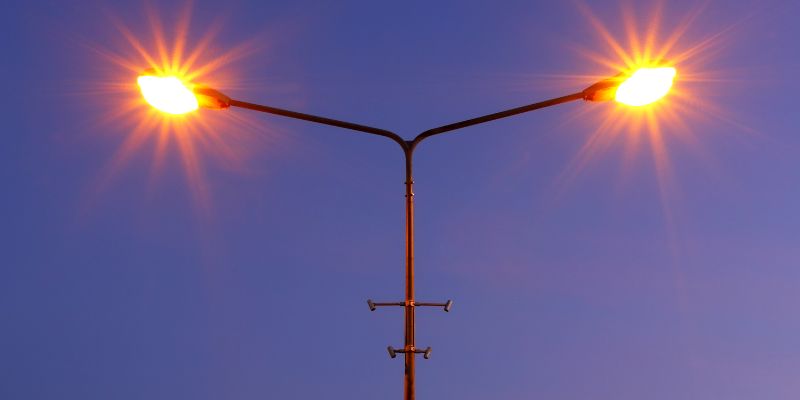
As a car guy, I’m picky about my garage and driveway. A street light’s glare can mess with how your car looks under artificial light. I love showing off my car’s paint job, but a bright street light can wash it out or create weird reflections. Dimming or redirecting the light helps highlight your ride’s details, whether you’re working on it or showing it off to friends.
Street lights can also affect your workspace. In my garage, I need clear, even light to see what I’m doing. A street light shining in creates shadows that make it hard to focus. Getting it under control makes your garage more functional and enjoyable.
My Experience with Street Lights
I’ve been dealing with street lights for years, and each situation is a little different. The light outside my garage was a high-pressure sodium one that lit up half my house. I tried covering it with a dark cloth at first, but it wasn’t a long-term fix. Calling the city and getting a shield installed was the best move—it cut the glare without darkening the street.
I also helped a neighbor dim a light that was keeping his kids awake. We worked with the HOA to get a lower-wattage LED installed. It’s been a learning process, but I’ve figured out that patience and working through official channels get the best results.
Tips for Success
Here are some tricks I’ve picked up to make this process smoother.
- Be specific when contacting the city. Give them the exact location of the light, like the pole number or nearest address. I took a photo of the pole to make it clear.
- Stay polite. I’ve found that being friendly with city workers or utility reps gets faster results. They’re more likely to help if you’re respectful.
- Check local laws. Some cities have strict rules about street lights. I looked up my city’s regulations online to make sure I wasn’t breaking any.
- Test temporary fixes at night. If you’re using a cover, try it out when it’s dark to see how it affects the light. I adjusted mine a few times to get it right.
- Document everything. Keep a record of who you talk to and what they say. I saved emails from the city to follow up later.
Table: Comparing Methods to Turn Off or Dim a Street Light
| Method | Pros | Cons | Best For |
|---|---|---|---|
| Contact City/Utility | Legal, permanent solution | Can be slow, may be denied | Long-term fixes |
| Request Shield/Dimmer | Redirects light, keeps safety | May cost a fee, not always available | Reducing glare |
| Temporary Covers | Quick, cheap | Risky, may be illegal | Short-term needs |
| Adjust Your Space | Easy, no legal issues | Doesn’t fix the light itself | Immediate relief |
| Talk to Neighbors/HOA | Group effort speeds things up | Depends on others’ cooperation | Community-wide issues |
Conclusion: Taking Control of Your Nighttime Space
Figuring out how to turn off a street light—or at least dim its glare—is like tuning your car for peak performance. It’s about making your space work for you, whether that’s a glare-free garage for late-night wrenching or a darker driveway for a better night’s sleep. From contacting your city to using temporary covers (carefully!), there are plenty of ways to tackle a pesky street light without breaking the law or risking safety. I’ve loved sharing my journey with you, from my own trial-and-error to helping neighbors solve their lighting woes. So, pick up the phone, reach out to your city, or try a safe workaround, and take back control of your space. Here’s to clear views, bright workspaces, and a well-lit (but not too well-lit) automotive haven!
FAQs
Can I legally turn off a street light?
It’s usually illegal to tamper with a street light yourself. I recommend contacting your city or utility company to request a fix, like a shield or dimmer.
How do I find out who controls the street light?
Check your city’s website or call the public works department. I found my utility’s number online and called to report the issue.
What’s a light shield, and does it work?
A shield is a cover that blocks light from certain directions. It worked great for my garage light, cutting glare without darkening the street.
Are temporary covers safe to use?
They can be, but you have to be careful. I used a heat-resistant fabric and secured it loosely, but I checked local laws first to avoid trouble.
How long does it take for the city to fix a street light issue?
It depends. My city took two weeks to install a shield. I followed up politely every few days to keep things moving.
Can I block the light from my own property?
Yes, things like blackout curtains or blinds work well. I hung curtains in my garage to block the street light’s glare, and it was a quick fix.
What if the street light is on private property?
Talk to the property manager or HOA. I helped a friend get a light dimmed by contacting his apartment complex manager.