Should You Run Ceiling Fans When Not in a Room? (No, Here’s Why)
No – ceiling fans should be turned off when a room is unoccupied, per the Department of Energy: fans cool people through wind-chill on skin, not the room’s air temperature, so an empty room gets zero benefit while still drawing power. Leaving one running 24/7 costs under 2 cents an hour but adds up over a year for no gain. This guide covers the real physics, when running a ceiling fan actually helps, and common myths worth retiring.
Energy Efficiency Of Ceiling Fans
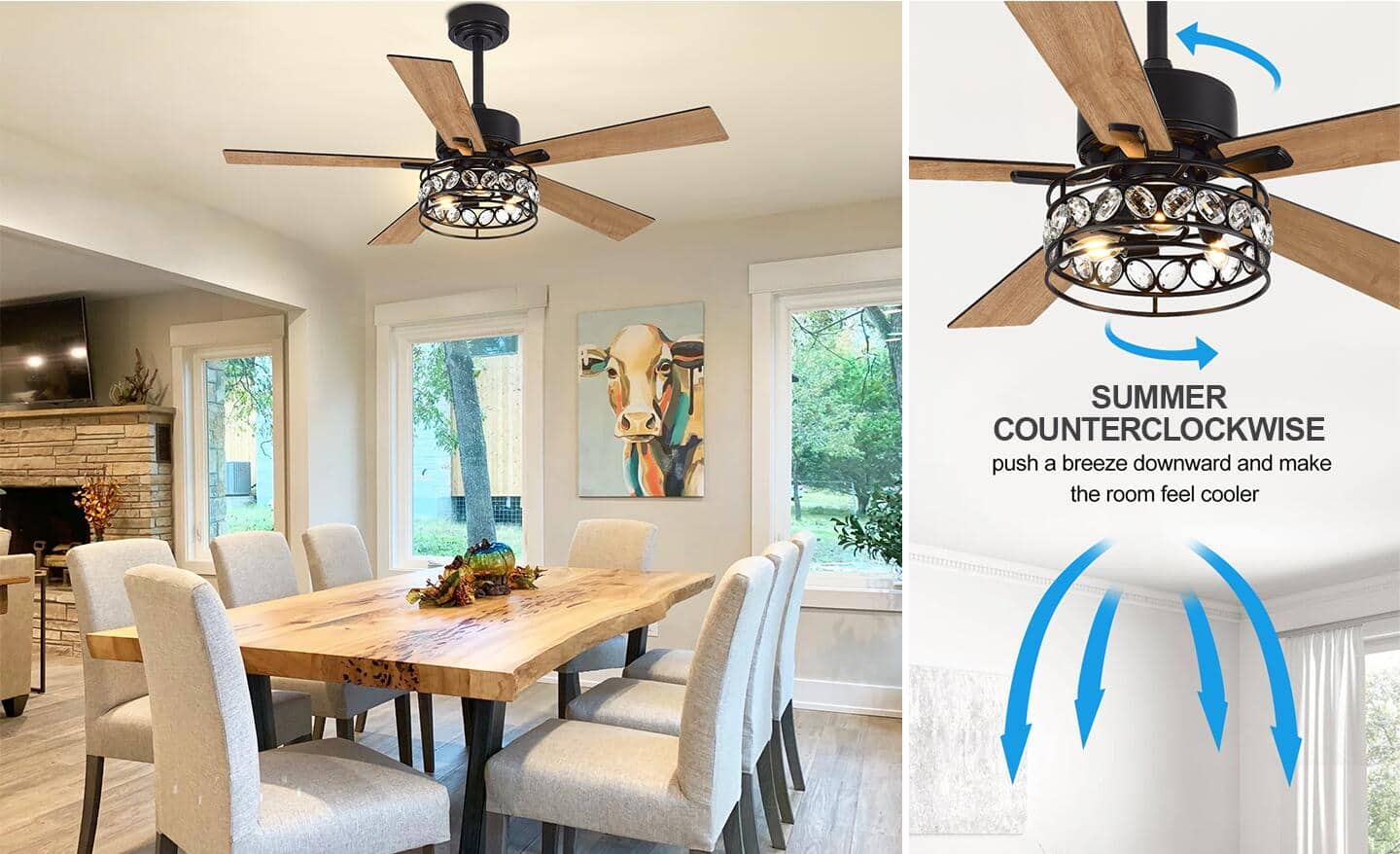
Ceiling fans use less electricity than air conditioners. Running them can help save on electricity bills. But leaving them on when not in the room is not smart. Fans cool people, not spaces. This means they only help when you are there.
Saving money means turning off fans when you leave. This simple act keeps bills low. It also helps the environment by reducing power use. Remember, fans are a tool to cool you, not the room.
Fans and air conditioners both cool rooms. But fans use less power. Fans move air to cool skin. Air conditioners change air temperature. This uses more energy. That means higher bills. Fans are better for short use. Air conditioners work well for long cooling.
Using fans wisely saves money. Air conditioners are good for hot days. Fans are good for mild days. Choose fans for simple cooling. This helps save power and money.
Ceiling Fan Mechanics
Ceiling fans have blades. These blades spin in a circle. They move air around the room. The fan motor powers the blades. Fans do not cool the air. They move air to make you feel cooler. Air movement makes your skin feel cool. The fan does not change the room temperature. It only changes how you feel.
A ceiling fan does not heat or cool a room. It only moves air around. When you are not in the room, the fan is not helping you. Turning off the fan saves electricity. It also helps the fan last longer. Fans use energy. Use them wisely to save power.
Benefits Of Leaving Fans On
Despite this heading, there really aren’t meaningful benefits to leaving a fan on in an empty room – this is one of the most common ceiling fan myths. A fan doesn’t remove moisture from the air, so claims about it “controlling humidity” or “preventing dampness” don’t hold up: only an air conditioner or a dehumidifier actually lowers moisture content. A fan just moves air around.
The “keeps the room fresh” idea is similar – what people are really feeling is evaporative cooling on their own skin, which requires someone actually being in the room to notice. With nobody there, the moving air has no one to cool and no measurable effect on air quality or dampness. The only real exception is running a fan briefly with a window open to help exchange stale air – not leaving it spinning in a closed, empty room indefinitely.

Potential Downsides
Running ceiling fans in an empty room can increase electricity bills. Unnecessary energy consumption also impacts environmental resources. It’s not the best use of energy when no one benefits from the air circulation.
Wear And Tear
Ceiling fans wear out faster if left running. They have moving parts that can break. Bearings and motor parts can fail early. Dust build-up can cause damage. Cleaning and maintenance become more frequent. This leads to higher costs over time. Replacing parts is not cheap.
Unnecessary Energy Usage
Running fans when not needed wastes energy. Fans use electricity even when no one is there. Electric bills can rise. This waste harms the environment. Saving energy is important. Turn off fans to lower costs.
Expert Opinions
“Ceiling fans cool people, not rooms… so make sure to turn off the fan when you leave the room to avoid wasting energy.”
Energy experts say ceiling fans help keep rooms cool. But they also use electricity. Turning off fans when not in the room saves energy. It also saves money. Fans do not cool the air. They cool people. So, it is best to turn off fans when the room is empty. This simple step helps the environment. It also lowers electricity bills. Think of using fans like a light switch. Turn it off when not needed. Simple, right?
HVAC specialists agree with energy experts. Fans should not run in empty rooms. They suggest using fans wisely. Use fans only when someone is in the room. This way, fans do their job well. They cool people, not empty spaces. Saving energy is good for the planet. It is also good for your wallet. Make smart choices with fans. It is easy and helpful.
Best Auto Shut-Off Pick
ECOELER Ceiling Occupancy Motion Sensor Switch – $14.99
Solves this article’s exact problem automatically – the fan shuts off on its own once the room is empty, no need to remember.
- Best for: forgetful households or kids’ rooms where fans get left running
- Why we picked it: 360-degree PIR sensing, turns the fan off within minutes of nobody being detected
- Main drawback: requires a neutral wire at the switch box
Compare more auto-shutoff options
 Option 1 BN-LINK Countdown Timer Switch – $14.99
|
 Option 2 Kasa Smart Plug – $16.99
|
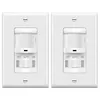 Option 3 TOPGREENER PIR Sensor Switch (2-Pack) – $26.09
|
As an Amazon Associate we earn from qualifying purchases.
Tips For Optimal Use
Ceiling fans are great for keeping cool. But running them all the time is not smart. Turn off the fan when leaving a room. This saves energy. Fans cool people, not rooms. No one is there? No need for a fan. Keep it simple. Use only when needed. This helps the planet too.
Fans use less power than air conditioners. But they still use energy. Choose a fan with an Energy Star label. It uses less power. Adjust the fan speed to low or medium. High speed uses more energy. Clean fan blades often. Dust makes it work harder. Save energy, save money.
Frequently Asked Questions
Is It Energy Efficient To Run Fans In Empty Rooms?
Running ceiling fans in empty rooms isn’t energy efficient. Fans cool people, not rooms, by creating a wind-chill effect. Turning off fans when not in use saves electricity. It also extends the fan’s lifespan, reducing wear and tear. Always turn off fans when leaving a room for optimal energy savings.
Do Fans Help Circulate Air When Not Occupied?
Ceiling fans can circulate air even when a room is empty. This helps prevent air stagnation and can improve ventilation. However, it’s not necessary to run them constantly. Use them strategically during hot months to complement air conditioning and maintain airflow without wasting energy.
Should Fans Be Left On For Cooling?
Fans don’t lower room temperature; they provide cooling through airflow. Leaving them on in empty rooms won’t cool the space. Instead, turn them off when you leave. Use fans when occupied to enhance comfort and save energy. They are most effective when paired with air conditioning.
Can Running Fans Reduce Humidity?
Fans can help reduce the feeling of humidity by promoting evaporation from the skin. However, they don’t actually decrease humidity levels. For genuine humidity control, use dehumidifiers or air conditioning. In unoccupied rooms, turning off fans is advisable to save energy and focus on effective solutions.
Conclusion
Ceiling fans save energy when used wisely. Turn them off in empty rooms. This reduces unnecessary electricity use. Good for the environment and your wallet. Feel comfortable and save energy together. Simple adjustments make a big difference. Use fans where needed.
Keep your home efficient. Enjoy the benefits. Small changes lead to smart savings. Stay mindful of fan usage. It helps in maintaining comfort and energy efficiency. Making these small changes benefits your home. And your budget. Keep it simple. Keep it efficient.
Sponsored / affiliate links. As an Amazon Associate I earn from qualifying purchases. I may earn additional commission from eligible campaigns.