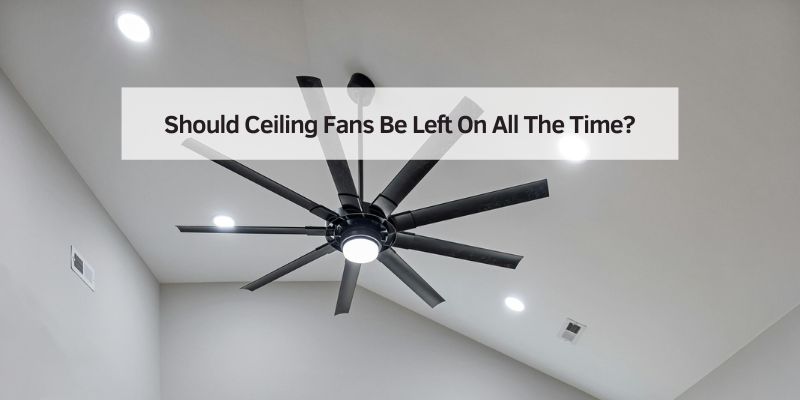
Should Ceiling Fans Be Left On All The Time?
No, you shouldn’t leave a ceiling fan running when no one’s in the room – fans cool people through moving air, not the room’s actual temperature, so an empty room gains nothing from a spinning fan except a few extra cents on the electric bill. A 60-watt fan running 24/7 costs roughly $7-8 a month. This guide covers the real energy cost, when leaving a fan on actually helps, and the safety and maintenance tradeoffs of continuous use.
How Ceiling Fans Actually Work
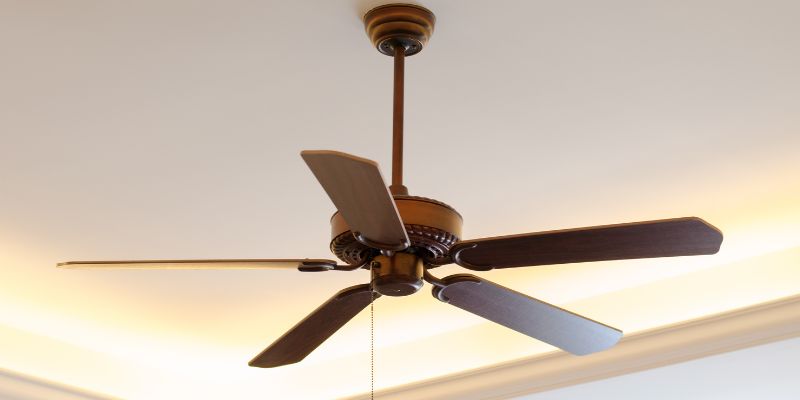
First, let’s talk about what ceiling fans do. They don’t lower the temperature in a room. I know, it’s surprising! Instead, they move air around, creating a breeze that makes you feel cooler. This is called the wind-chill effect. When air moves over your skin, it helps sweat evaporate, which cools you down. I noticed this in my living room—when the fan is on, I feel refreshed, even if the thermostat says it’s still 75°F.
Ceiling fans have two main settings: summer and winter modes. In summer mode, the blades spin counterclockwise, pushing cool air down. In winter, they spin clockwise, pulling cool air up and pushing warm air down from the ceiling. I’ve switched my fan to winter mode during chilly months, and it really helps keep my bedroom cozy without cranking the heater.
Knowing how fans work is key to deciding whether to leave them on all the time. They’re not cooling the room itself, just making you feel cooler. So, if no one’s in the room, is it worth keeping them on? Let’s find out.
The Energy Cost of Running Ceiling Fans Non-Stop
One of the biggest questions I had was about energy costs. Ceiling fans are generally energy-efficient, but leaving them on 24/7 can add up. Most modern ceiling fans use between 15 and 100 watts per hour, depending on their size, speed, and features like lights. To put that in perspective, I checked my own fan’s manual—it’s a 52-inch model that uses about 60 watts on high speed.
Let’s break it down with some numbers. If you run a 60-watt fan for 24 hours, that’s 1.44 kilowatt-hours (kWh) per day. The U.S. residential average cost of electricity is about 18.8 cents per kWh as of 2026, per EIA data – up from roughly 16 cents just a couple years ago. So, one fan running all day costs roughly 27 cents. That’s not much, but if you have multiple fans in your home, it adds up. For example, three fans running constantly could cost about $24 a month.
Here’s a quick table to show how costs vary based on fan wattage and runtime:
| Fan Wattage | Hours/Day | Daily Cost (18.8¢/kWh) | Monthly Cost |
|---|---|---|---|
| 30 watts | 24 | $0.14 | $4.20 |
| 60 watts | 24 | $0.27 | $8.10 |
| 100 watts | 24 | $0.45 | $13.50 |
I was surprised to see how small changes, like using a lower speed or a more efficient fan, could save a few bucks. Energy-efficient models, like those with DC motors, use even less power—sometimes as low as 10 watts. If you’re worried about costs, check your fan’s wattage and consider upgrading to a more efficient model.
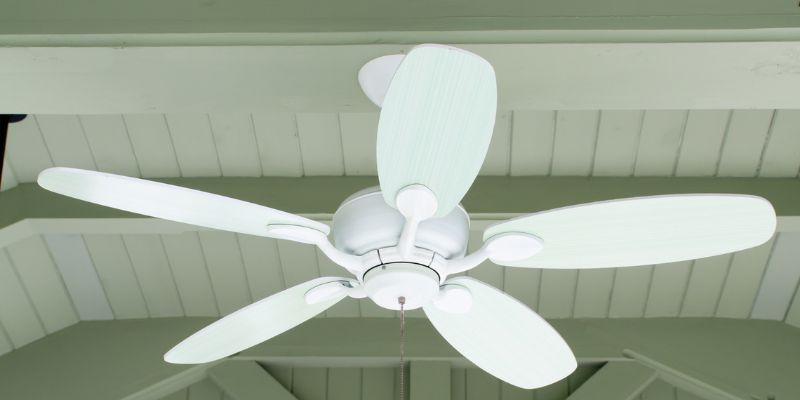
📊 U.S. residential electricity averaged about 18.8 cents per kWh in 2026 – up roughly 15% from 2024 – making a single ceiling fan’s 24/7 runtime cost about $8-14 a month depending on wattage. Source: U.S. Energy Information Administration
Does Leaving Fans On Save Energy Overall?
Here’s where it gets interesting. Ceiling fans can help you save on heating and cooling costs, but only if used smartly. In the summer, a fan can make a room feel 4-8°F cooler, so you might not need to run your air conditioner as much. I tried this in my house last summer. By setting the AC to 78°F instead of 72°F and using the fan, I shaved about 10% off my cooling bill.
In the winter, using the fan in reverse mode can reduce heating costs by circulating warm air. I noticed my heater didn’t kick on as often when I used my fan this way. The U.S. Department of Energy notes that a ceiling fan lets most people raise their thermostat about 4°F in summer without losing comfort – each degree typically trims 1-3% off cooling costs, so the real savings depend on your specific setup rather than a fixed percentage.
But here’s the catch: if you leave the fan on in an empty room, you’re not saving anything. The breeze only helps when someone’s there to feel it. I used to leave my fans on all day, thinking it would keep the house cooler. Turns out, I was just wasting electricity. Now, I turn them off when I leave a room, and I’ve seen a difference in my bill.
The Comfort Factor: Is It Worth It?
Comfort is a big reason people keep fans on. I love the gentle breeze in my bedroom at night—it helps me sleep better. But is it necessary to keep the fan running all the time? Not really. If you’re not in the room, the fan isn’t making anyone more comfortable. Plus, in winter, leaving it on in summer mode can make you feel colder, which is the opposite of what you want.
I’ve also noticed that ceiling fans can help with air circulation. In my kitchen, the fan keeps cooking smells from lingering. It’s tempting to leave it on all day for that reason, but I’ve found that running it for just an hour or two after cooking works just as well. If you live in a humid area, like Florida or Texas, fans can also reduce stuffiness by keeping air moving. But again, this only matters when you’re in the space.
Maintenance and Wear-and-Tear Concerns
Another thing I wondered about was whether running a fan constantly would wear it out faster. Ceiling fans are built to last, but they’re not indestructible. The motor, bearings, and blades can wear down over time, especially if the fan isn’t well-maintained. I learned this the hard way when one of my older fans started making a humming noise after years of non-stop use.
Here’s what I found out: most quality fans are designed to run for thousands of hours—sometimes up to 10 years of continuous use. But dust buildup, loose screws, or an unbalanced blade can shorten that lifespan. I make it a habit to clean my fans every few months and check for wobbling. If you leave your fan on all the time, you’ll need to clean it more often, as dust collects faster on spinning blades.
Also, some fans have lights, and leaving those on 24/7 can burn out bulbs quickly. I switched to LED bulbs in my fan fixtures, and they last much longer while using less energy. If you’re running your fan constantly, make sure it’s in good shape and consider investing in a high-quality model with a strong warranty.
Safety Considerations
Safety is another angle I explored. Ceiling fans are generally safe, but leaving them on all the time can pose some risks. For example, an old or poorly installed fan might have loose parts that could come undone. I once heard a story about a fan blade detaching because it was never tightened properly—scary stuff!
Electrical issues are another concern. A fan with faulty wiring could overheat if left on too long, though this is rare with modern fans. I always check that my fans are installed by a professional and meet local building codes. If you’re unsure about your fan’s condition, have an electrician inspect it, especially if it’s running non-stop.
In homes with pets or kids, there’s also the risk of something getting caught in the blades. My dog once jumped up and got his tail too close to a low-hanging fan—thankfully, he was fine, but it was a wake-up call. If you have a low fan or curious pets, it’s worth turning it off when you’re not around.
Best Smart Fan Switch Pick
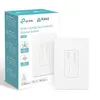
Kasa Smart Ceiling Fan Control & Dimmer Switch
Replaces your existing wall switch so the app can schedule or auto-off the fan – most ceiling fans are hardwired, so a switch replacement works where a plug-in smart plug won’t.
- Best for: automatically turning the fan off when a room is empty, without changing your habits
- Why we picked it: established smart-home brand, 4-speed control plus light dimming in one switch
- Main drawback: requires a neutral wire in the wall box, which not every older home has
Compare more smart fan control options
 Option 1 Universal Remote Kit
|
 Option 2 TreatLife Fan Switch
|
 Option 3 Budget Remote Kit
|
As an Amazon Associate we earn from qualifying purchases.
When Should You Leave a Ceiling Fan On?
So, when does it make sense to leave a fan on? I’ve found a few scenarios where it’s helpful. If you’re in a room and want to feel cooler without blasting the AC, keep the fan on. In winter, running it in reverse mode can make your heater more efficient. I also leave my fan on low during hot summer nights to help me sleep.
But if no one’s in the room, it’s usually best to turn it off. I’ve gotten into the habit of using smart plugs for my fans. They let me control the fan with my phone or set a schedule, so it’s only on when I need it. Some newer fans even have motion sensors that turn them off when the room is empty—pretty cool, right?
“Ceiling fans cool people, not rooms. If the room is unoccupied, turn off the ceiling fan to save energy.”
— ENERGY STAR, U.S. EPA/DOE
Myths About Ceiling Fans
I came across a few myths while researching this topic. One big one is that ceiling fans cool the air in a room. As I mentioned earlier, they don’t—they just make you feel cooler. Another myth is that leaving a fan on will drastically increase your energy bill. While it does add up, the cost is usually minimal compared to running an AC or heater.
Some people also think ceiling fans are outdated or only for warm climates. Not true! I’ve used fans in both summer and winter, and they work great in any season. Plus, modern fans come in sleek designs that fit any home decor.
Tips for Using Ceiling Fans Wisely
After all my research and trial-and-error, here are my top tips for using ceiling fans effectively:
- Turn them off when you leave the room. This saves energy without sacrificing comfort.
- Use the right setting. Counterclockwise in summer, clockwise in winter.
- Clean regularly. Dust on blades can reduce efficiency and cause wobbling.
- Consider smart controls. Timers or smart plugs make it easy to manage runtime.
- Upgrade to efficient models. Look for Energy Star-rated fans or those with DC motors.
- Check your installation. Ensure your fan is secure and meets safety standards.
I’ve started following these tips, and they’ve made a big difference in my home. My fans work better, my energy bill is lower, and I feel good knowing I’m using them smartly.
Conclusion
So, should you leave your ceiling fan on all the time? After digging into this topic, I’d say no—unless someone’s in the room to enjoy the breeze. Ceiling fans are fantastic for comfort and can save energy when used with your AC or heater, but running them 24/7 in empty rooms just wastes electricity. By using them strategically, keeping them maintained, and choosing energy-efficient models, you can enjoy all their benefits without breaking the bank.
I’ve loved experimenting with my fans and learning how to make my home more comfortable and efficient. It’s amazing how small changes, like flipping the fan’s direction or using a smart plug, can make a big impact. Next time you walk into a room and feel that refreshing breeze, you’ll know exactly how to make the most of your ceiling fan. Happy spinning!
FAQs
Should I run my ceiling fan when the AC is on?
Yes, it can help! Running a ceiling fan with your AC makes the room feel cooler, so you can set the thermostat a few degrees higher and save energy. I do this in my living room, and it keeps things comfy without spiking my bill.
Can leaving a ceiling fan on cause it to break?
It’s unlikely, but constant use can wear out the motor or bearings over time. I’ve found that cleaning the fan regularly and checking for loose parts keeps it running smoothly for years.
Is it safe to leave a ceiling fan on overnight?
Generally, yes, if the fan is in good condition and properly installed. I leave mine on low at night for better sleep, but I make sure it’s clean and secure to avoid any issues.
Do ceiling fans help in winter?
Absolutely! Switching the fan to reverse mode (clockwise) pushes warm air down from the ceiling. I’ve used this trick in my bedroom, and it makes the room feel cozier without turning up the heat.
Are smart ceiling fans worth the investment?
I think so! Smart fans let you control speed, direction, and timing with your phone or voice assistant. I use a smart plug with my fan, and it’s super convenient for scheduling or turning it off remotely.
Do Ceiling Fans Use A Lot Of Electricity?
No. Most ceiling fans draw 15-100 watts, far less than an air conditioner. Running one 24/7 typically costs $4-14 a month depending on wattage, based on 2026 average U.S. electricity rates.
Should You Run Ceiling Fans In Every Room In Your House?
Only run fans in rooms you’re actually using. Since fans cool people rather than air, running one in an empty room wastes electricity without any comfort benefit.
Sponsored / affiliate links. As an Amazon Associate I earn from qualifying purchases. I may earn additional commission from eligible campaigns.
 EIFHYT Molded PU Ceiling Medallion for Light Fixtures and Ceiling Fans, 13.1"OD x 4"ID x 1"P (Fits Canopies up to 10.25") White
 Fuller Brush Fuzzy Fan Duster – Dust & Clean Ceiling Fans, Walls, Woodwork – Polystatic & Microfiber Grabs & Holds Dust, Lint, Cobwebs & Dirt - Fan Duster with Handle (Teal)