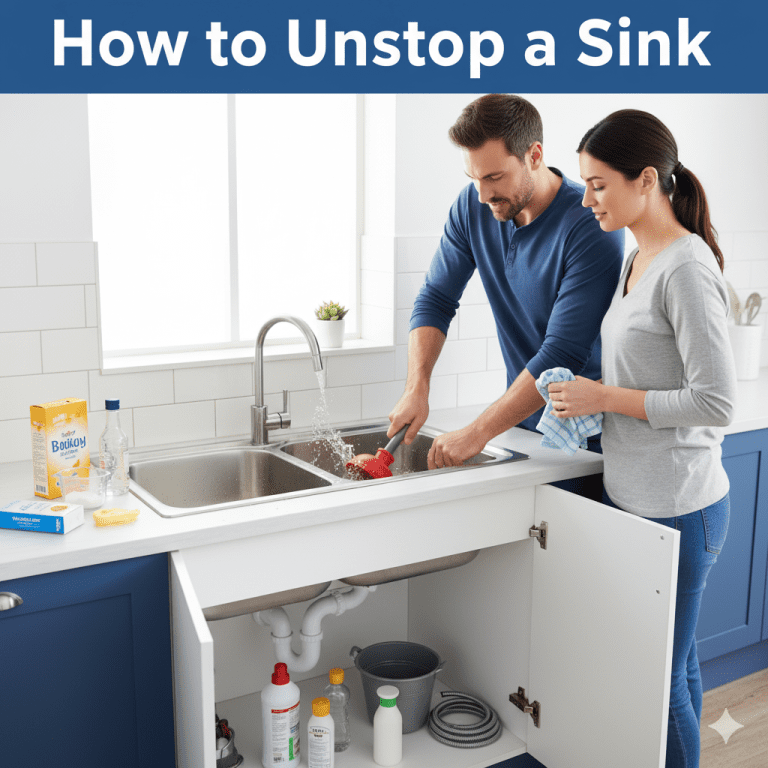
How to Unclog a Bathtub Drain: A Comprehensive Guide
Hey there! Picture this: you’re ready for a relaxing soak in the tub, but the water just won’t drain. It’s pooling around your ankles, and that clogged drain is ruining your vibe. I’ve been there, and trust me, it’s frustrating. But don’t worry—I’ve tackled this problem more times than I can count, and I’m here to share everything I’ve learned about how to unclog a bathtub drain. Whether it’s a slow drain or a complete blockage, I’ve got practical, step-by-step solutions that anyone can follow. Let’s dive in and get that water flowing smoothly again!
Why Bathtub Drains Get Clogged
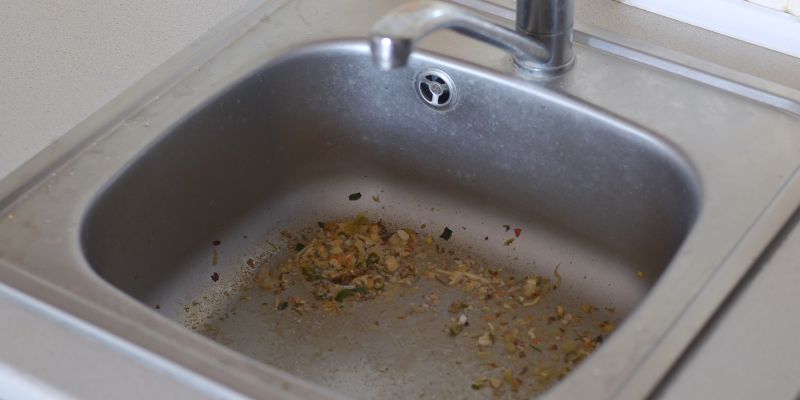
I remember the first time I dealt with a clogged bathtub drain. I thought, “How did this even happen?” Turns out, bathtub drains clog for a few common reasons. Hair is the biggest culprit. It loves to tangle up with soap scum and create a gross, gunky mess. Then there’s body oil, shampoo residue, and even bits of dirt from your skin. If you have kids, they might toss small toys or other objects down the drain, which can cause a blockage. Over time, these things build up, slowing down the water or stopping it completely.
Sometimes, it’s not just what goes down the drain. Older pipes can rust or collect mineral deposits, making it easier for clogs to form. I’ve seen homes with pipes so old they’re practically begging for a blockage. Understanding why your drain is clogged helps you pick the right method to fix it. So, let’s move on to spotting the signs of trouble.
Signs Your Bathtub Drain Is Clogged
You don’t always need a pool of water to know your drain’s in trouble. I’ve learned to catch the early signs, and you can too. If the water takes forever to drain after a shower, that’s a red flag. You might hear gurgling sounds as the water struggles to get through. Sometimes, there’s a funky smell coming from the drain—yuck! That’s usually from trapped gunk decomposing down there.
In worst cases, the water doesn’t drain at all. I had a friend who ignored a slow drain for weeks, and eventually, it stopped draining entirely. Don’t let it get that bad! Catching these signs early makes unclogging much easier. Now, let’s talk about the tools you’ll need to tackle this.
Tools and Supplies You’ll Need
Before I start unclogging a drain, I gather my tools. It’s like prepping for a little DIY adventure. Here’s what I keep handy:
| Tool/Supply | Purpose |
|---|---|
| Plunger | Creates suction to dislodge clogs. |
| Drain Snake or Auger | Reaches deep into the pipe to pull out hair and debris. |
| Baking Soda & Vinegar | Natural ingredients to break down organic gunk. |
| Boiling Water | Helps dissolve soap scum and grease. |
| Gloves | Keeps your hands clean and protected from gross stuff. |
| Bucket | Catches water or debris when you remove the drain cover. |
| Screwdriver | Removes the drain cover or stopper. |
| Old Toothbrush | Cleans around the drain opening. |
| Wet/Dry Vacuum | Sucks out stubborn clogs (optional but handy). |
You probably have most of these at home already. I always wear gloves because, let’s be honest, drain gunk is nasty. Once you’ve got your tools ready, you’re set to start unclogging. Let’s try the easiest method first.

Method 1: The Boiling Water Trick
This is my go-to starting point because it’s so simple. Boiling water can melt away soap scum and grease that’s causing a minor clog. Here’s how I do it:
First, I boil a kettle of water. While it’s heating, I remove any standing water from the tub using a bucket or cup. Then, I carefully pour the hot water directly into the drain. I do it slowly to avoid splashing. Sometimes, I need to repeat this two or three times. It works like a charm for light clogs caused by soap or oils.
A quick tip: don’t pour boiling water if your pipes are PVC. It can damage them. If you’re unsure about your pipes, skip to the next method. This trick is quick, but it won’t budge hair or bigger blockages. That’s when I grab my plunger.
Method 2: Plunging the Drain
I used to think plungers were just for toilets, but they’re great for bathtub drains too. You need a cup plunger, not the flange kind used for toilets. Here’s how I plunge a drain:
I start by removing the drain cover or stopper. Some covers pop off, while others need a screwdriver. Next, I fill the tub with a couple of inches of water to help create suction. I place the plunger over the drain, making sure it seals tightly. Then, I push down and pull up quickly, repeating for about 20 seconds. It’s a bit of a workout, but it often dislodges the clog.
After plunging, I run water to see if it drains. If it’s still slow, I might plunge again or move to a drain snake. Plunging is great for shallow clogs, but deeper ones need a different approach.
Method 3: Using a Drain Snake
When boiling water and plunging don’t work, I pull out my drain snake. It’s a long, flexible tool that can reach deep into the pipe. I’ve had some gross but satisfying moments pulling out hairballs with this thing!
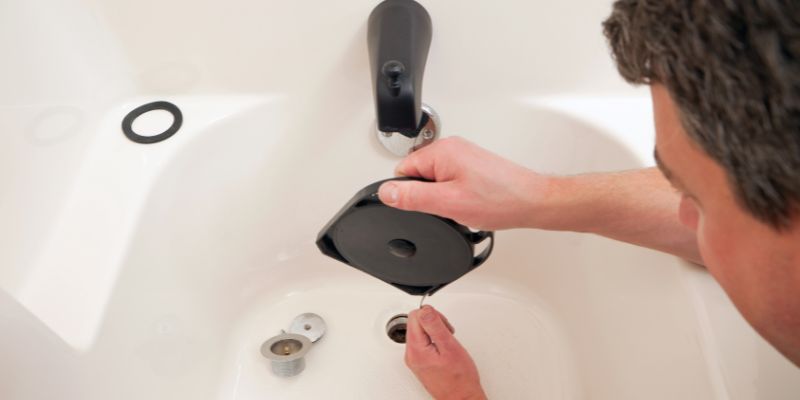
First, I remove the drain cover. Then, I feed the snake into the drain, twisting it as I push. The twisting helps it grab onto hair and debris. When I feel resistance, I keep turning to hook the clog. Then, I slowly pull it out. It’s messy, so I keep a bucket nearby. After removing the gunk, I run hot water to flush the pipe.
If you don’t have a drain snake, you can buy one at any hardware store for about $10-$20. They’re worth every penny. But if you want a natural solution, I’ve got one for you next.
Method 4: Baking Soda and Vinegar
I love this method because it’s natural and uses stuff I already have in my kitchen. Baking soda and vinegar create a fizzy reaction that can break down organic material like hair and soap scum. Here’s my process:
I pour half a cup of baking soda into the drain. Then, I add a cup of white vinegar. It starts fizzing right away, which is kind of fun to watch. I let it sit for 15-20 minutes to work its magic. After that, I flush the drain with a kettle of boiling water (again, only if you don’t have PVC pipes).
This method works best for minor clogs. If the drain is still slow, I might combine it with plunging or snaking. It’s eco-friendly and smells better than chemical cleaners, which I’ll cover next.
Method 5: Chemical Drain Cleaners
I’m not a huge fan of chemical drain cleaners, but they can work in a pinch. I’ve used them when I’m desperate, but I always follow the instructions carefully. These products are strong and can harm your pipes or skin if misused.
I pick a cleaner designed for bathtub drains and pour the recommended amount into the drain. I wait as long as the bottle says—usually 15-30 minutes—then flush with water. I always wear gloves and keep the bathroom ventilated because the fumes are intense.
A word of caution: don’t mix different cleaners, and never use them right after another method like vinegar. It can create dangerous fumes. If chemicals don’t work, it’s time to get serious and remove the drain trap.
Method 6: Cleaning the Drain Trap
This one’s a bit more involved, but I’ve done it a few times, and it’s not as scary as it sounds. The drain trap is the U-shaped pipe under the tub. It catches debris to prevent clogs further down the line. Here’s how I clean it:
I place a bucket under the trap to catch water. Using a wrench, I loosen the nuts on both sides of the trap and remove it. It’s usually full of slimy gunk—gross but satisfying to clean out. I scrub it with an old toothbrush and rinse it well. Then, I reattach the trap, tightening the nuts securely.
If you’re not comfortable with this, it’s okay to call a plumber. But I’ve found it’s a great way to tackle stubborn clogs. After cleaning the trap, I always run water to check for leaks.
Preventing Future Clogs
Once I get my drain flowing again, I’m all about keeping it that way. Prevention is easier than unclogging! I use a drain strainer to catch hair and debris. They’re cheap and easy to clean. I also flush the drain with hot water once a week to keep soap scum at bay.
I avoid pouring oil or grease down the drain, even in small amounts. If I’m shaving in the tub, I make sure to rinse hair down with plenty of water. Regular maintenance goes a long way. I’ve also started using baking soda and vinegar monthly as a preventive measure.
When to Call a Professional
Sometimes, despite my best efforts, a clog just won’t budge. I had one drain that kept clogging no matter what I tried. That’s when I called a plumber. If you’ve tried multiple methods and the water still won’t drain, it might be a deeper issue in your pipes. Tree roots, pipe corrosion, or a collapsed line could be the problem.
Plumbers have tools like cameras to inspect pipes and find the issue. It costs more, but it’s worth it for peace of mind. I always ask for an estimate up front to avoid surprises.
Conclusion
Dealing with a clogged bathtub drain can feel like a hassle, but I’ve learned it’s totally manageable with the right approach. From boiling water to cleaning the drain trap, I’ve shared the tricks that have worked for me. Each method has its place, depending on the clog’s severity. I love the satisfaction of a free-flowing drain and knowing I didn’t need to call a plumber (most of the time!). With a little effort and some simple tools, you can tackle this too. Keep up with prevention, and your tub will stay clog-free for the long haul. Now, go enjoy that relaxing soak—you’ve earned it!
FAQs
Why does my bathtub drain keep clogging?
Hair, soap scum, and body oils are the usual suspects. They build up over time, especially if you don’t use a drain strainer. Old pipes or mineral deposits can make it worse.
Can I use boiling water on all types of pipes?
No, boiling water can damage PVC pipes. If you’re unsure about your pipes, use warm water or try another method like plunging or a drain snake.
Is baking soda and vinegar safe for my drain?
Yes, it’s a safe, natural way to clear minor clogs. It won’t harm your pipes and is eco-friendly. Just don’t mix it with chemical cleaners.
How often should I clean my drain to prevent clogs?
I recommend flushing it with hot water weekly and using a baking soda/vinegar mix monthly. A drain strainer helps catch debris before it causes trouble.
When should I call a plumber for a clogged drain?
If you’ve tried plunging, snaking, and other methods without success, it’s time to call a pro. Persistent clogs might mean a deeper issue like tree roots or damaged pipes.