Should You Caulk Around a Toilet Base? (Leave a 1.5″ Gap)
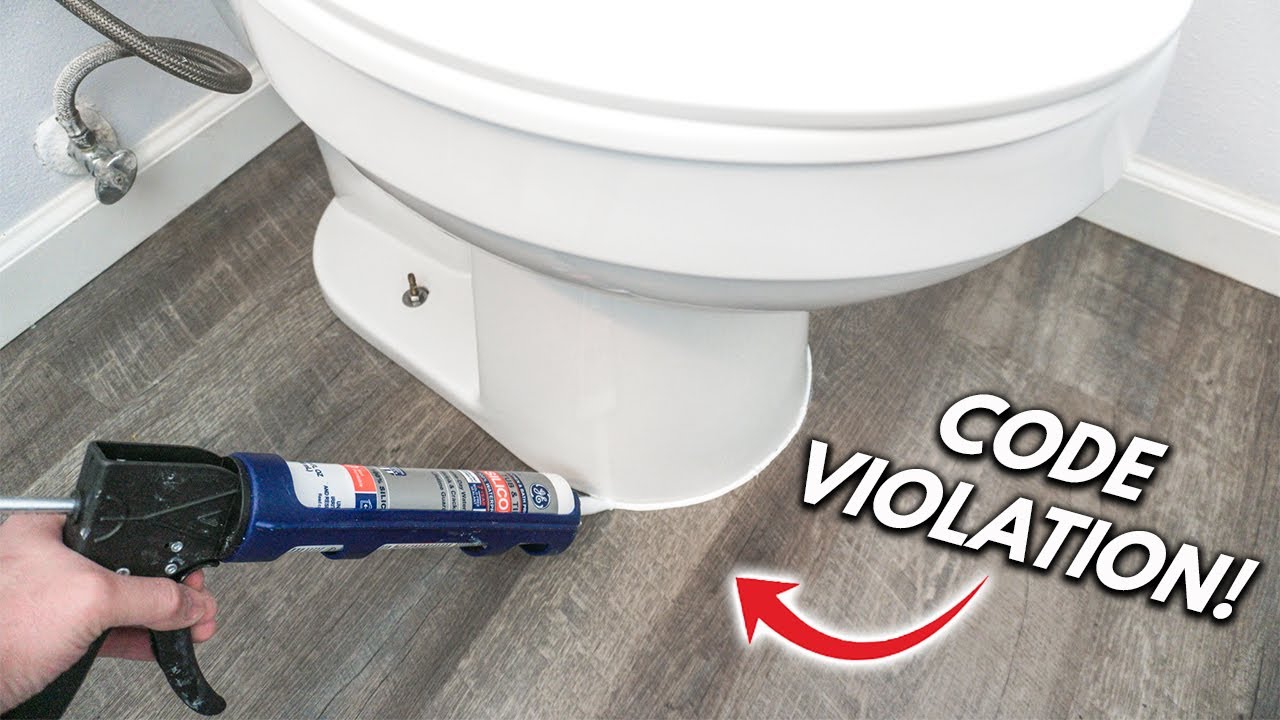
Yes, caulk around a toilet base – but leave a 1 to 2 inch gap at the center-back, uncaulked, as a weep hole. Seal the entire perimeter and a failed wax ring leaks silently under the floor instead of visibly at the base, turning a $15 fix into rotted subfloor. This guide covers the plumbing-code reasoning, the right caulk type, and the exact technique for a proper seal with a working leak-detection gap.
Caulking Basics
Caulking uses a sealant to close gaps and stop water and air from passing through – typically a rubbery silicone product.
It’s used around windows and doors to keep out drafts and bugs, and in the bathroom around sinks and bathtubs to prevent leaks. Kitchens use it to keep food-prep areas sealed too.
Toilet Installation Essentials
Place the toilet bowl evenly on the flange, secure it with bolts without over-tightening (porcelain cracks easily), then attach the toilet tank and connect the water supply. Check for leaks before considering the install done.
Caulk seals the base to stop water from seeping underneath and adds stability. Apply a thin bead with a caulking gun and smooth it with a finger, leaving no gap along the sealed portion of the perimeter.
Best Toilet Base Caulk Pick
Gorilla 100% Silicone Caulk (10oz) – $9.84
100% silicone and mold-resistant – exactly the caulk type this guide recommends for a toilet base, since acrylic latex wears out faster in a consistently wet spot.
- Best for: a durable, mold-resistant seal on the sealed portion of the base
- Why we picked it: 10-year mold-free guarantee, waterproof cure
- Main drawback: not paintable once cured, unlike acrylic latex options
Compare more caulking essentials
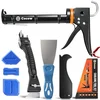 Option 1 Caulk Gun + Remover Tool Kit – $15.99
|
 Option 2 ScotchBlue Painter’s Tape – $4.49
|
As an Amazon Associate we earn from qualifying purchases.
Benefits Of Caulking Toilet Base
Caulking stops water from getting under the toilet, which prevents the water damage and mold that weaken and rot flooring over time.
A caulked base also adds stability – an uncaulked toilet can wobble, and a wobbling toilet is more likely to leak at the wax ring seal over time.
Potential Drawbacks
Caulking around a toilet base may trap moisture, potentially causing hidden leaks or mold growth. It can make it challenging to detect early signs of water damage. Removing or replacing the caulk can be difficult, requiring time and effort.
Trapped Moisture Risks
Caulking the full perimeter can trap moisture underneath if a leak does occur, which rots the floor and grows mold – a real health concern since it causes allergies and breathing problems.
Hidden Leaks Concerns
A fully sealed base can also hide leaks for a long time, letting water damage the floor and walls before anyone notices – this is exactly why plumbing codes and inspectors recommend leaving a small unsealed gap.
Expert Opinions
Plumbers commonly recommend caulking the toilet base to keep it stable and prevent water leaks from damaging floors. Some argue it hides problems, since a leak under a fully sealed base can go unnoticed.
Industry guidance favors silicone caulk for its flexibility and lifespan. Clean the area first, apply a thin bead, and match the color to the bathroom – leaving a small gap at the back so a leak stays visible instead of hidden.
“Toilets should be caulked at the floor.”
Choosing The Right Caulk
Silicone caulk is flexible and long-lasting – the standard pick for toilet bases. Acrylic latex is easy to clean and paintable but wears faster in wet conditions. Butyl rubber is fully waterproof and seals well in consistently wet spots.
Moisture and temperature swings wear caulk out faster, and some formulas stick better to tile than to wood subfloor – match the caulk to the actual surface it’s bonding to.
Diy Caulking Tips
Clean the area and remove old caulk with a scraper, making sure the surface is fully dry and dust-free. Silicone is the best choice for this wet-area job. Open a window for ventilation and lay a towel down to catch drips.
Cut a small hole in the caulk tube tip for better control, load the gun, and run a steady bead around the sealed portion of the base with even pressure. Smooth it with a damp finger and let it cure a full 24 hours before using the toilet.
Maintenance And Inspection
Check periodically for cracks or leaks – water around the base is the clearest red flag, and a clean, dry base means the seal is doing its job.
Caulk that’s cracked, peeling, or gone soft has failed and needs replacing – a proper seal stays smooth and firm, with no visible gaps along the caulked portion.
Frequently Asked Questions
Should A Toilet Be Caulked Around The Base?
Yes, caulking a toilet base is recommended. It prevents water leaks, stops odor, and secures the toilet in place. Use waterproof silicone caulk for best results. Ensure the area is clean before applying caulk to improve adhesion and longevity. Regularly check for gaps to maintain a proper seal.
Is It Better To Grout Or Caulk Around A Toilet?
Caulk is better than grout for sealing around a toilet. It provides flexibility and prevents leaks. Grout can crack due to movement. Caulk is easy to apply and clean. It ensures a watertight seal, protecting against water damage and mold growth.
What Is The Best Alternative To Caulking Around A Toilet?
Use a rubber gasket or flexible toilet seal as an alternative to caulking. They prevent leaks effectively. These options offer easy installation and create a watertight seal around the toilet base. They are durable, long-lasting, and provide a cleaner appearance compared to caulking.
How Often Does The Seal Around The Base Of A Toilet Need Replacing?
The toilet seal usually lasts around 5-10 years. Replace it when you notice leaks or unpleasant odors. Regular inspections help spot issues early. Proper maintenance ensures longer seal life and prevents water damage. Always check for signs of wear.
Conclusion
Caulking around a toilet base has its benefits. It prevents water seepage and keeps the area clean. Caulk adds a finished look. Consider the potential issues too. Trapped moisture can cause problems if there’s a leak. Choose the right caulk for bathrooms.
Make sure it’s mold-resistant and waterproof. Regular checks are important. Ensure there are no leaks before caulking. A little maintenance goes a long way. Keeps your bathroom looking neat and tidy. Decide based on your situation and needs. Proper caulking can be helpful.
But always weigh the pros and cons first.
Sponsored / affiliate links. As an Amazon Associate I earn from qualifying purchases. I may earn additional commission from eligible campaigns.