How To Unclog A Toilet Fast: Proven Home Remedy
Quick Summary:
To unclog a toilet fast with a home remedy, try using hot water and dish soap first. If that doesn’t work, a plunger is your next best bet. For stubborn clogs, a baking soda and vinegar mixture can also be effective. These simple methods often resolve the issue quickly without needing special tools.
We’ve all been there – that sinking feeling when the toilet water rises higher than it should, threatening an overflow. It’s a common household problem that can feel frustrating and a little embarrassing. But don’t worry! Before you call for professional help or reach for harsh chemicals, there are simple, effective home remedies you can try right now. With a few common household items and a little know-how, you can usually get your toilet flowing freely again in no time. Let’s tackle this together and get your bathroom back to normal!
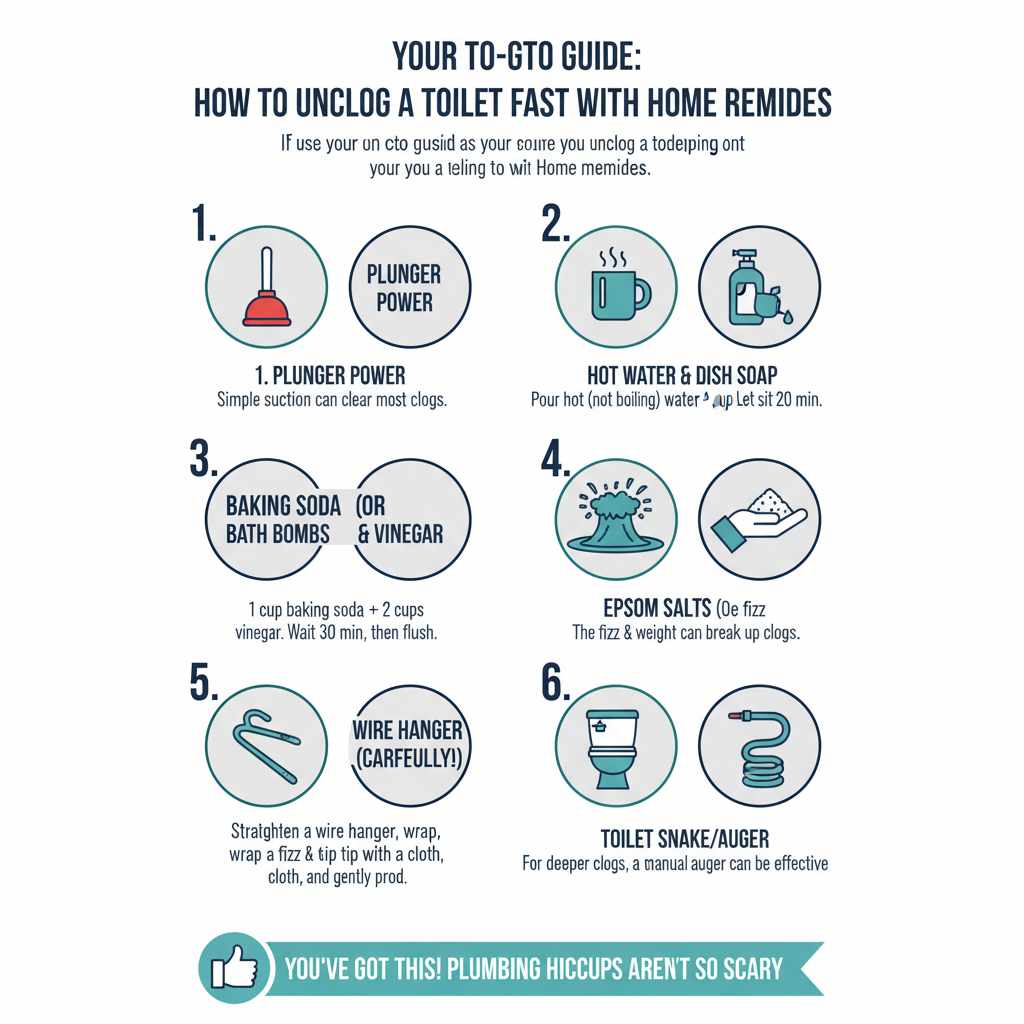
Your Go-To Guide: How to Unclog a Toilet Fast with Home Remedies
As your go-to guide for all things home improvement, I know that plumbing hiccups can feel daunting, especially when you’re just starting out. But unclogging a toilet is a surprisingly achievable DIY task. Think of it like fixing a wobbly chair or assembling a shelf – with the right steps and a little patience, you can conquer it. We’ll walk through the most effective home remedies, from simple tricks to slightly more involved methods, all explained in a way that makes sense. You’ve got this!
Understanding Toilet Clogs: What’s Really Happening?
Toilet clogs happen when something blocks the natural flow of water down the drainpipe. This “something” is usually too much toilet paper, non-flushable items like wet wipes or sanitary products, or even a foreign object that accidentally fell in. When the water can’t pass through, it backs up into the bowl. The key to unclogging is to either break down the blockage or push it through the pipe.
When to Act Fast: Recognizing a Serious Clog
If the water level in the bowl is rising rapidly and seems close to overflowing, it’s time to act. The first thing you should do is lift the toilet tank lid and close the flapper valve. This is the rubber seal at the bottom of the tank that stops water from flowing into the bowl. Closing it will prevent more water from entering and potentially causing a messy overflow. You can usually just push it down gently with your finger or a tool. If you’re unsure, check out this helpful visual guide from the U.S. Environmental Protection Agency (EPA) on water-saving tips, which often includes basic plumbing maintenance advice.
Your Toolkit: Simple Items for a Swift Solution
The good news is that you likely have most of what you need right in your home. You don’t need fancy plumbing equipment for most clogs. Here’s what you might need:
- Dish soap
- Hot water (not boiling!)
- A plunger (the flange or bell-shaped kind is best for toilets)
- Baking soda
- White vinegar
- An old towel or rags
- Rubber gloves (for hygiene)
- A bucket (just in case)
Method 1: The Hot Water and Dish Soap Trick (Your First Line of Defense)
This is often the easiest and quickest way to tackle a minor clog. It works by using the soap to lubricate the blockage and the hot water to help break it down.
Steps:
- Pour in Dish Soap: Squirt a generous amount of liquid dish soap (about half a cup) into the toilet bowl. Let it sit for about 5-10 minutes to sink down and coat the clog.
- Add Hot Water: Heat up some water on the stove or in a kettle. You want it hot, but not boiling – think of it like very hot tap water. Boiling water can sometimes crack the porcelain of your toilet bowl.
- Pour Carefully: Carefully pour the hot water into the toilet bowl from about waist height. The height helps create a bit of force.
- Wait and See: Let it sit for at least 20-30 minutes, or even longer if you have time. You might notice the water level in the bowl going down as the clog starts to clear.
- Flush (Carefully!): If the water level has dropped significantly, try flushing the toilet. If it seems to be working, great! If not, don’t try to flush again, as it could overflow. Move on to the next method.
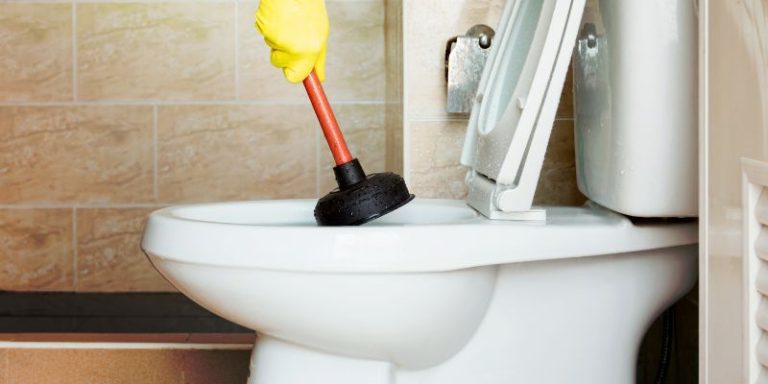
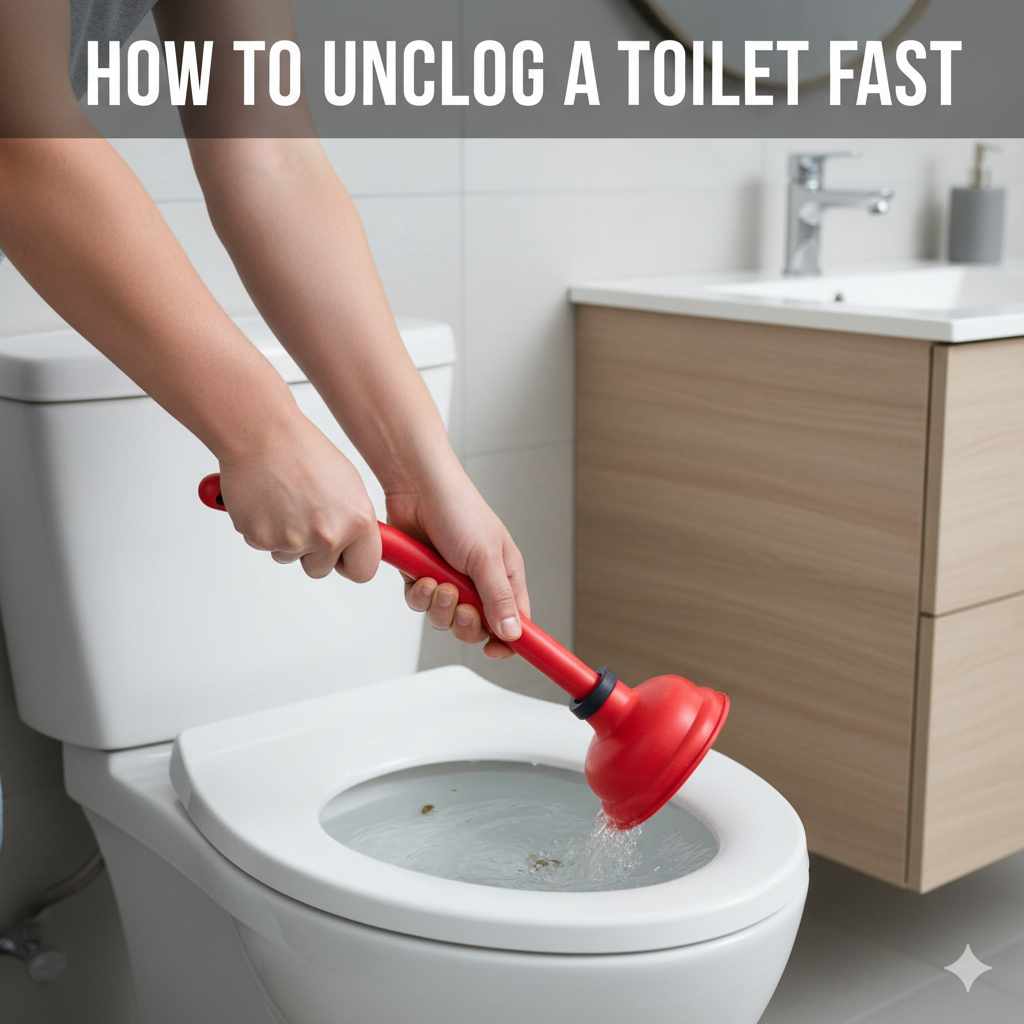
Method 2: The Mighty Plunger (Your Best Friend for Clogs)
A good plunger is one of the most effective tools for clearing a toilet clog. It works by creating suction and pressure to dislodge the blockage.
Choosing the Right Plunger:
For toilets, you want a flange plunger (also called a toilet plunger). This type has an extra flap or extension at the bottom that fits snugly into the toilet drain opening, creating a better seal. A simple cup plunger might not be as effective.
Steps for Effective Plunging:
- Prepare the Area: Lay down old towels or rags around the base of the toilet to catch any splashes. Put on your rubber gloves.
- Ensure Enough Water: Make sure there’s enough water in the bowl to cover the rubber cup of the plunger. If not, add a little more hot water (not boiling!).
- Position the Plunger: Place the plunger over the drain opening, ensuring the rubber cup completely covers it. The flange should fit into the hole.
- Create a Seal: Gently push down on the plunger to expel air and create a tight seal.
- Plunge Vigorously: Now, plunge up and down with firm, steady strokes. The key is to create both suction and pressure. Don’t just push; pull up sharply too. Do this for about 15-20 seconds.
- Break the Seal: Quickly pull the plunger straight up to break the seal.
- Check the Water Level: If the water starts to drain, you’re on the right track! Let it drain completely.
- Flush (Cautiously): Once the water has drained, try a gentle flush. If it flushes normally, congratulations! If it still seems slow or clogged, repeat the plunging process a few more times.
- If Still Clogged: If after several attempts with the plunger, the toilet still won’t flush, it’s time to consider another method or a more advanced tool.
Method 3: The Baking Soda and Vinegar Volcano (A Fizzing Foaming Fix)
This classic combination creates a chemical reaction that can help break down grease, grime, and organic matter causing the clog. It’s like a mini-volcano in your toilet bowl!
Steps:
- Empty the Bowl (if possible): If the bowl is very full, try to remove some water using a cup or small bucket so the fizzing action is more concentrated.
- Add Baking Soda: Pour about one cup of baking soda into the toilet bowl. Try to get it to sink towards the drain.
- Add Vinegar: Slowly pour about one cup of white vinegar over the baking soda. It will start to fizz and bubble immediately.
- Let it Work: Allow the mixture to fizz and work for at least 30 minutes. For tougher clogs, you can leave it for a couple of hours or even overnight.
- Add Hot Water (Optional but Recommended): After the fizzing subsides, you can add another cup or two of hot (not boiling) water to help push things along.
- Flush: Try flushing the toilet. If it drains, you’ve succeeded! If not, you may need to repeat the process or try a different method.
Method 4: The Wire Hanger Snake (For Reaching Stubborn Blockages)
Sometimes, the clog is a bit further down the pipe and just needs a gentle nudge. A makeshift “snake” from a wire coat hanger can help.
Steps:
- Unbend the Hanger: Take a wire coat hanger and straighten it out as much as possible. Leave a small hook or loop at one end.
- Protect the Bowl: Wrap the hook end with a small cloth or rag secured with tape. This prevents scratching the porcelain inside your toilet bowl.
- Insert and Maneuver: Carefully insert the wrapped end into the toilet drain. Gently push it in as far as you can.
- Probe the Clog: Once you meet resistance (the clog), gently twist and push the hanger. Try to break up the blockage or hook onto it.
- Retract and Check: Slowly pull the hanger back out. You might pull some debris with it.
- Flush: Try flushing the toilet to see if the clog has cleared. You may need to repeat this a few times.
When Home Remedies Aren’t Enough: Other DIY Options
If the above methods don’t work, don’t get discouraged! There are a few other tools you can try before calling a professional.
The Toilet Auger (or Closet Auger)
This is a specialized tool designed specifically for toilets. It has a protective sleeve to prevent scratching the bowl and a crank handle to easily maneuver a flexible cable into the drainpipe. It’s more effective than a hanger for deeper clogs.
Enzyme Drain Cleaners
These are a safer alternative to harsh chemical drain cleaners. They use natural enzymes to break down organic waste. You pour them in and let them sit, often overnight. They are generally safe for pipes and the environment but can take longer to work than chemical cleaners.
What NOT to Do When Unclogging a Toilet
It’s just as important to know what to avoid. Some common mistakes can make the problem worse or damage your plumbing.
- Don’t Keep Flushing: If the toilet doesn’t flush after the first attempt, stop. Repeated flushing will likely cause an overflow.
- Avoid Harsh Chemical Drain Cleaners: These can be very dangerous. They release toxic fumes, can burn your skin and eyes, and can damage your pipes, especially older ones. They are also harmful to the environment. For more on chemical safety, the National Capital Poison Center offers crucial safety information.
- Don’t Put Your Hand in the Bowl (Unless Absolutely Necessary and Protected): Always use gloves and be cautious.
- Don’t Use Boiling Water: As mentioned, it can crack the porcelain.
- Don’t Assume the Problem is Solved Too Soon: After a successful flush, monitor the toilet for a while to ensure it’s truly clear.
Preventing Future Toilet Clogs
The best way to deal with a clog is to prevent it from happening in the first place! Here are some simple tips:
- Flush Only Toilet Paper and Human Waste: This is the golden rule. Never flush anything else down the toilet.
- Educate Your Household: Make sure everyone knows what can and cannot be flushed. Keep a small trash can in the bathroom for sanitary products, wipes, and paper towels.
- Use Toilet Paper Sparingly: If you tend to use a lot of toilet paper, consider flushing twice – once with a small amount of paper, then again after using more.
- Address Slow Drains Promptly: If you notice your toilet is draining slowly, don’t wait for it to clog completely. Try a home remedy or a plunger to clear it before it becomes a bigger issue.
- Check Your Toilet’s Water Level: Ensure your toilet tank is filling to the correct level. A low water level can lead to weaker flushes, which can contribute to clogs.
Troubleshooting Table: Common Toilet Clog Scenarios
Here’s a quick guide to help you decide which method might be best for your situation:
| Scenario | Likely Cause | Recommended Home Remedy | Effort Level |
|---|---|---|---|
| Water rises but eventually drains slowly. | Partial blockage, possibly soft waste or excess paper. | Dish soap & hot water, or Baking soda & vinegar. | Low to Medium |
| Toilet is completely blocked, water is high. | Solid obstruction or significant blockage. | Plunger (flange type), then potentially wire hanger. | Medium |
| Clog persists after multiple attempts with plunger/soap. | Deeper or more stubborn obstruction. | Wire hanger snake, then consider a toilet auger. | Medium to High |
| You suspect a foreign object is the cause. | Toy, bottle cap, etc., lodged in the trap. | Wire hanger snake (carefully), or professional help if unreachable. | Medium to High |
When to Call a Professional Plumber
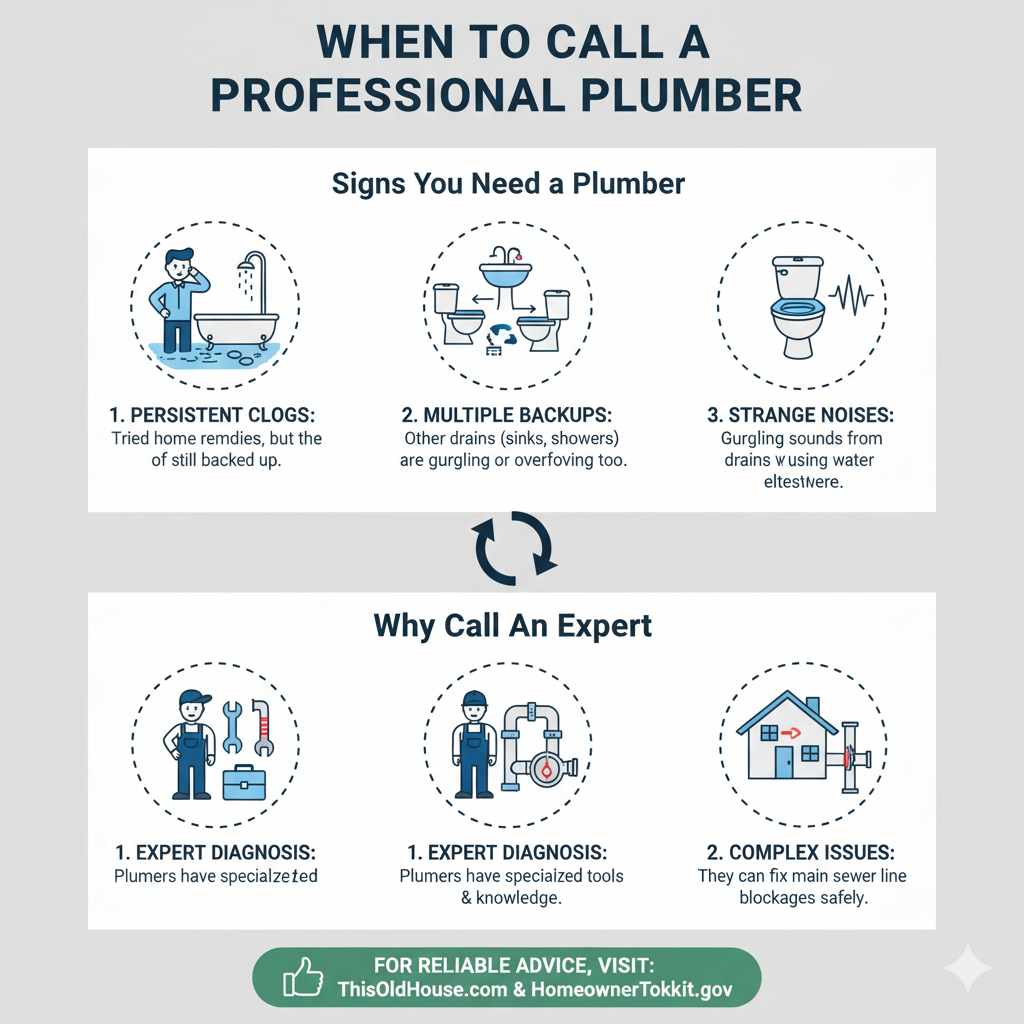
While these home remedies are fantastic for most clogs, there are times when you should call a plumber. If you’ve tried everything and the toilet is still clogged, or if you suspect a more serious issue like a blockage in your main sewer line, it’s time to get expert help. Signs of a main sewer line clog include multiple fixtures backing up (toilets, sinks, showers) or gurgling sounds from drains when you use other fixtures.
Remember, a plumber has specialized tools and expertise to diagnose and fix complex plumbing problems safely and efficiently. For instance, you can find resources on plumbing basics and when to seek professional help from organizations like This Old House, which offers reliable DIY and professional advice.
Frequently Asked Questions (FAQ)
Q1: How much dish soap should I use?
A1: A generous amount is best. Aim for about half a cup of liquid dish soap. This helps lubricate the clog effectively.
Q2: Can I use boiling water to unclog a toilet?
A2: It’s best to avoid boiling water. Very hot water, like from a kettle or a hot tap, is sufficient. Boiling water can potentially crack the porcelain of your toilet bowl.
Q3: What’s the best type of plunger for a toilet?
A3: A flange plunger, also known as a toilet plunger, is ideal. It has an extra flap that fits into the toilet drain, creating a better seal and more effective suction and pressure.
Q4: How long should I let the baking soda and vinegar sit?
A4: Let it fizz and work for at least 30 minutes. For tougher clogs, you can leave it for a couple of hours or even overnight for maximum effectiveness.
Q5: What if none of these home remedies work?
A5: If you’ve tried all the home remedies and the toilet is still clogged, it might be a more stubborn blockage or a deeper issue. It’s time to consider a toilet auger or call a professional plumber.
Q6: Is it safe to use chemical drain cleaners?
A6: It’s generally not recommended. Chemical drain cleaners can be harsh, produce toxic fumes, damage your pipes, and are harmful to the environment. Home remedies are safer and often just as effective for common clogs.
Q7: How can I prevent my toilet from clogging in the future?
A7: Only flush toilet paper and human waste. Avoid flushing anything else, educate household members, and address slow drains promptly before they become major clogs.
Conclusion: You’ve Got This!
Dealing with a clogged toilet is never fun, but as you can see, you have a powerful arsenal of home remedies at your disposal. From the simple magic of dish soap and hot water to the reliable action of a plunger and the fizzing power of baking soda and vinegar, most clogs can be cleared with these beginner-friendly techniques. By following these steps, you can save yourself time, money, and the stress of an overflowing toilet. Remember to always prioritize safety, avoid harsh chemicals, and don’t hesitate to try these proven methods. With a little confidence and these handy tips, you’re well-equipped to tackle this common household issue like a pro!