How to Unlock a Ratchet Strap: A Step-by-Step Guide for Beginners
Hey there! If you’ve ever used a ratchet strap to secure a load on your truck or trailer, you know they’re a lifesaver for keeping things safe and steady. But let’s be honest—figuring out how to unlock a ratchet strap can feel like solving a puzzle, especially the first time. I’ve been there, fumbling in my driveway with a strap that just wouldn’t budge, sweating and wondering if I’d ever get my cargo free.
Over the years, I’ve hauled everything from motorcycles to furniture, and I’ve mastered the art of ratchet straps. I’m excited to share everything I’ve learned about how to unlock a ratchet strap, step by step, so you can do it with confidence. Whether you’re a weekend warrior or just tying down your new kayak, this guide is for you. Let’s get started!
What Is a Ratchet Strap and Why Use It?
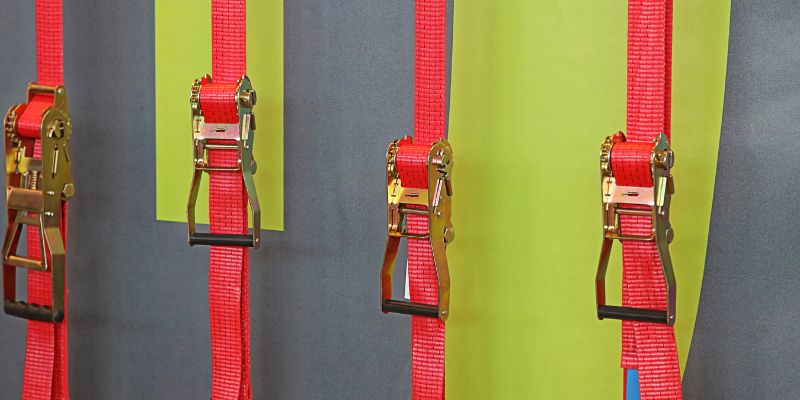
Before we dive into unlocking, let’s talk about what a ratchet strap is. It’s a tool used to secure cargo, made of strong webbing with a metal ratchet mechanism. The ratchet tightens the strap to hold your load in place, whether it’s on a truck bed, trailer, or roof rack. I’ve used them to haul dirt bikes, lumber, and even a couch across town. They’re awesome because they’re strong, adjustable, and reusable.
The ratchet part is what makes them special. It uses a gear system to tighten the strap, locking it so your cargo doesn’t shift. But that same mechanism can be tricky to release if you don’t know the steps. I’ve seen folks yank and pull, only to get frustrated. Trust me, once you get the hang of it, unlocking a ratchet strap is a breeze.
Why Unlocking a Ratchet Strap Can Be Tricky
If you’ve ever struggled with a ratchet strap, you’re not alone. I remember my first time trying to unlock one after securing a trailer load. I pulled every lever, pushed every button, and nothing worked. The problem? Ratchet straps are designed to stay tight under pressure, which is great for safety, but can make them tough to release.
The ratchet mechanism has a spring-loaded lock that keeps the strap in place. To unlock it, you need to release the tension and disengage the lock, but doing it wrong can jam the strap or even break the ratchet. I’ve learned a few tricks to make it easy, and I’ll walk you through them so you don’t waste time or damage your gear.
Tools You Might Need
Good news—you don’t need much to unlock a ratchet strap. In most cases, your hands are enough. But I always keep a few things nearby just in case:
- Gloves: These protect your hands from sharp edges or pinched fingers. I’ve gotten a few scrapes from rusty ratchets, so I always wear gloves now.
- Screwdriver or Pry Bar: If the strap is jammed, a flathead screwdriver can help pry it loose. I’ve used one to free a strap stuck in the ratchet teeth.
- Lubricant: A spray like WD-40 can loosen a sticky ratchet mechanism. I keep a small can in my toolbox for stubborn straps.
- Pliers: These are handy for pulling out a strap that’s caught in the ratchet. I’ve used needle-nose pliers for tight spots.
Most of the time, you won’t need these tools, but having them ready saves headaches. I learned this after spending 20 minutes wrestling with a jammed strap in the rain!
Step-by-Step Guide to Unlocking a Ratchet Strap
Now, let’s get to the main event—unlocking that ratchet strap. I’ve broken this down into simple steps based on years of trial and error. Follow these, and you’ll have your strap loose in no time.
Step 1: Check the Strap and Ratchet
Before you start, take a quick look at the strap and ratchet. Make sure the strap isn’t twisted or caught on anything. I’ve made the mistake of trying to unlock a twisted strap, and it just made things harder. Also, check for damage—frayed webbing or a bent ratchet can cause problems. If the strap is wet or muddy, wipe it down so it moves smoothly.
Step 2: Release the Tension
The first step is to take the tension off the strap. Most ratchet straps have a handle with a release lever or trigger. Find the lever—it’s usually a metal piece under the handle. Squeeze it toward the handle and pull the handle up fully, like you’re tightening the strap, but keep going until it’s at a 180-degree angle. I remember being confused by this at first—it feels like you’re tightening, but you’re actually opening the ratchet to release the tension.
Hold the lever and handle together firmly. This disengages the locking mechanism, letting the strap loosen slightly. You might hear a click or feel the strap give a little. Don’t let go yet—we’re not done!
Step 3: Pull the Strap Free
Once the tension is released, gently pull the strap out of the ratchet. I usually grab the loose end and tug it slowly to avoid jamming. If it’s stuck, wiggle it side to side while squeezing the release lever. Sometimes, I’ve had to pull a little harder if the strap was really tight, but don’t yank too hard—you could damage the ratchet or tear the webbing.
Step 4: Fully Open the Ratchet
After pulling out some slack, open the ratchet handle all the way until it lies flat (about 180 degrees from its closed position). This fully disengages the gears, making it easier to remove the strap. I’ve found that some ratchets need a little extra push to stay open—hold it there while you pull the strap out completely.
Step 5: Remove the Strap and Store It
Once the strap is free, pull it all the way out of the ratchet. I like to roll it up neatly to avoid tangles next time. Check the ratchet for dirt or damage, and store it in a dry place. I keep my straps in a plastic bin in my truck so they’re ready for the next haul.
Here’s a quick table summarizing the steps:
| Step | Action | Tips |
|---|---|---|
| Check the Strap | Inspect for twists or damage | Wipe off mud or water for smooth operation |
| Release Tension | Squeeze lever, pull handle up | Roll up the strap, clean the ratchet |
| Pull Strap Free | Open the handle to 180 degrees | Wiggle side to side if stuck |
| Fully Open Ratchet | Keep the lever pressed to disengage the lock | Hold it open to free the strap |
| Store Properly | Keep lever pressed to disengage the lock | Store in a dry place to avoid rust |
Common Problems and How to Fix Them
Even with the right steps, things can go wrong. I’ve run into plenty of issues over the years, and here’s how I handle them:
Jammed Strap
Sometimes, the strap gets stuck in the ratchet’s teeth. This happened to me when I overloaded a strap with too much tension. To fix it, squeeze the release lever and wiggle the strap while pulling. If it’s really stuck, use a screwdriver to gently pry the strap free. Be careful not to cut the webbing.
Sticky Ratchet Mechanism
If the ratchet won’t open smoothly, it might be rusty or dirty. I’ve had this happen after leaving straps in my truck bed during a rainy week. Spray a little WD-40 on the gears and work the handle back and forth. Wipe off excess lubricant to keep it from attracting dirt.
Worn or Frayed Strap
A damaged strap can get caught or torn when unlocking. I once had a frayed strap jam so badly I had to cut it out. Check your straps regularly for wear. If the webbing is frayed or the ratchet is bent, replace it. Safety comes first—you don’t want a strap snapping mid-haul.
Overtightened Strap
If you cranked the strap too tightly, it can be hard to release. I’ve done this when securing a heavy load like a quad. To fix it, push down on the load slightly to take pressure off the strap, then squeeze the release lever and open the handle slowly. This eases the tension without a sudden snap.
Tips for Using Ratchet Straps Safely
Unlocking a ratchet strap is just one part of using them right. Here’s what I’ve learned to keep things safe and smooth:
- Don’t Overtighten: Cranking too hard can damage the strap or your cargo. I tighten just enough to keep the load secure without crushing it.
- Inspect Before Use: Check for frayed webbing or rusty ratchets. I’ve tossed a few old straps that looked sketchy.
- Use the Right Strap: Match the strap’s weight rating to your load. I use 1-inch straps for light stuff like kayaks and 2-inch straps for heavier loads like motorcycles.
- Avoid Twists: A twisted strap is harder to tighten and release. I always straighten the webbing before ratcheting.
- Store Properly: Keep straps dry and rolled up. I learned this after leaving a strap in my truck bed—it got moldy and weak.
My Favorite Ratchet Strap Setup
After hauling all sorts of gear, I’ve got my ratchet strap kit dialed in. Here’s what I use:
- 2-Inch Ratchet Straps: I have four 2-inch wide, 27-foot straps with a 10,000-pound breaking strength for heavy loads like ATVs.
- 1-Inch Ratchet Straps: A set of four for lighter stuff like camping gear or bikes. These have a 1,500-pound breaking strength.
- Soft Loops: These protect delicate cargo like motorcycles by looping around handlebars or frames.
- Storage Bin: A plastic bin to keep straps organized and dry.
- Gloves and WD-40: For comfort and fixing sticky ratchets.
I buy from brands like Erickson or Rhino—good quality without breaking the bank. You can find them at hardware stores or online.
Different Types of Ratchet Straps
Not all ratchet straps are the same. I’ve used a few types, and each has its place:
- Standard Ratchet Straps: These have a ratchet and two ends, often with hooks. I use them for most jobs, like securing a trailer load.
- Endless Loop Straps: No hooks—just a loop of webbing. Great for wrapping around cargo without anchor points. I used one to bundle lumber.
- Cam Buckle Straps: These use a simpler buckle instead of a ratchet. They’re easier to release but not as strong. I use them for light loads like camping gear.
- E-Track Straps: Designed for trailers with E-track rails. I borrowed a friend’s trailer with E-track, and these straps locked in perfectly.
For most automotive needs, standard ratchet straps are the way to go. They’re strong and versatile.
When to Replace a Ratchet Strap
Ratchet straps don’t last forever. I’ve learned to spot when it’s time for a new one:
- Frayed Webbing: If the strap is fraying or torn, it’s not safe. I cut up an old strap to use as a tarp tie-down rather than risk it.
- Rusty or Bent Ratchet: A damaged ratchet can jam or fail. I replaced one after it got bent under a heavy load.
- Faded Color: If the strap’s color is faded from sun exposure, it might be weakened. I swap mine out every couple of years if they look worn.
- Broken Hooks: Hooks that are bent or cracked won’t hold securely. I always check the hooks before loading.
Safety is key—don’t take chances with a sketchy strap.
Why Ratchet Straps Are Essential for Automotive Use
If you’re into cars, trucks, or hauling, ratchet straps are a must. I’ve used them to secure motorcycles on trailers, kayaks on roof racks, and parts in my truck bed. They’re stronger than bungee cords and more reliable than ropes. Plus, they’re adjustable, so you can get the perfect tension. I once hauled a friend’s project car across state lines, and the ratchet straps kept it rock-solid the whole way.
They’re also versatile. Whether you’re towing a broken-down car, moving to a new place, or heading to the lake with gear, ratchet straps keep everything secure. I’ve even used them to tie down a Christmas tree on my SUV!
Conclusion
Unlocking a ratchet strap might seem tricky at first, but it’s a skill anyone can master with a little practice. I’ve gone from fumbling in frustration to releasing straps like a pro, and I hope this guide helps you do the same. By following a few simple steps—checking the strap, releasing the tension, and pulling it free—you’ll be ready to tackle any load. Ratchet straps are a game-changer for hauling cars, bikes, or gear, and knowing how to unlock them safely means you can hit the road with confidence. So next time you’re securing a load, take a deep breath, follow these tips, and enjoy the ride knowing your cargo is safe. Happy hauling!
FAQs
How do I know if my ratchet strap is stuck?
If the strap won’t move when you squeeze the release lever, it’s likely stuck. Check for twists or debris in the ratchet, and wiggle the strap while holding the lever.
Can I use a ratchet strap for light loads?
Yes, but don’t overtighten. For light loads like camping gear, a cam buckle strap might be easier. I use ratchet straps for heavier stuff like motorcycles.
What do I do if the ratchet won’t release?
Try spraying WD-40 on the gears and working the handle back and forth. If it’s still stuck, use a screwdriver to gently pry the strap free while squeezing the lever.
How tight should a ratchet strap be?
Tighten just enough to secure the load without shifting. Overtightening can damage the strap or cargo. I check by giving the load a gentle shake.
When should I replace my ratchet strap?
Replace it if the webbing is frayed, the ratchet is rusty or bent, or the hooks are damaged. I swap mine out if they look worn or faded from sun exposure.