How Will Pressing The Arm Down Affect The Ratchet Wheel?
I’ll never forget my first time tinkering with a ratchet wrench in my dad’s garage. I was 12, and I pushed the arm down, expecting magic. Instead, I heard a satisfying click-click-click! That’s when I got hooked on how ratchet mechanisms work. In this article, I’ll explain how will pressing the arm down affect the ratchet wheel in simple terms.
Whether you’re a kid curious about tools or a hobbyist building cool gadgets, I’ll walk you through what happens, share a fun project, and toss in some tips from my years of mechanical tinkering. Let’s dive into the world of ratchets with easy examples, clear steps, and a few laughs along the way!
What Is a Ratchet Mechanism?
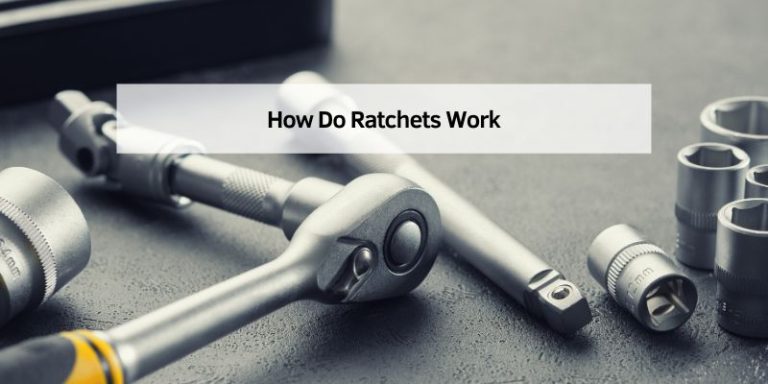
A ratchet mechanism is like a one-way street for motion. It lets a wheel turn in one direction but stops it from going the other way. Think of a bike pedal: you push forward to move, but pedaling backward doesn’t undo your work. The main parts are the ratchet wheel (a toothy gear) and a pawl (a small arm that clicks into the teeth). Pressing the arm down moves the pawl, which pushes the wheel. It’s a simple trick used in tools, toys, and even clocks!
Ratchets are everywhere. From socket wrenches to winches, they make work easier by controlling motion. I once fixed a bike with a ratchet tool, and it was a game-changer—no slipping backward! Understanding how the arm affects the wheel is key to using or building these mechanisms.
How Will Pressing The Arm Down Affect The Ratchet Wheel?
Pressing the arm down in a ratchet mechanism makes the pawl push against the ratchet wheel’s teeth. This usually causes the wheel to turn in one direction, often clockwise. The pawl locks into a tooth, applying force to rotate the wheel a little bit. When the arm moves back, the pawl slides over the teeth, and a second pawl (or spring) stops the wheel from turning backward. It’s like a dance: push, click, slide, repeat!
Here’s a simple breakdown of what happens:
- You press the arm: The pawl grabs a tooth on the ratchet wheel.
- The wheel turns: The force rotates the wheel in the allowed direction (usually clockwise).
- The arm resets: The pawl slides back, but the wheel stays put thanks to a locking pawl.
This action is why ratchet wrenches are so handy—you tighten a bolt with each push, and the wheel doesn’t slip back. I learned this the hard way when I tried fixing a shelf and turned the wrench the wrong way. Total flop!
Why Does the Wheel Turn Clockwise?
In most ratchet designs, the teeth are angled so the pawl pushes the wheel clockwise when you press the arm. The angle of the teeth and the pawl’s shape decide the direction. Some ratchets let you switch directions (like on a wrench), but the default is often clockwise for tightening tasks. If the teeth face the other way, the wheel might turn counterclockwise instead. It’s all about how the parts are set up!
What About Other Parts?
Pressing the arm doesn’t just affect the wheel. A spring often pulls the pawl back into place, ready for the next push. In some designs, a second pawl (called a holding pawl) keeps the wheel from spinning backward. No other parts, like springs or levers, expand or move unless they’re directly connected to the arm. For example, in a socket wrench, only the pawl and wheel move when you press the arm.
Build Your Own Ratchet Toy
Want to see a ratchet in action? Let’s build a simple ratchet toy using everyday items. This project is fun for kids and adults, and it shows how pressing the arm moves the wheel. I made one with my nephew, and we had a blast!
What You Need
Here’s a quick list of materials:
- A small plastic gear (or cut a circle from cardboard with notches for teeth).
- A popsicle stick (for the pawl arm).
- A rubber band (to act as a spring).
- A wooden dowel or pencil (for the wheel’s axle).
- Glue, tape, and a small nail or screw.
Table 1: Materials for Ratchet Toy
| Item | Cost (Approx.) | Where to Find |
|---|---|---|
| Plastic gear | $1-2 | Craft store, online |
| Popsicle stick | $0.10 | Craft store, home |
| Rubber band | $0.05 | Office supply, home |
| Wooden dowel | $0.50 | Hardware store |
Caption: Simple materials for a fun ratchet toy project.
Steps to Build It
- Make the wheel: Glue the gear to the dowel so it spins freely. If using cardboard, cut notches to act as teeth.
- Attach the pawl: Tape the popsicle stick to a base (like a piece of wood). Make sure it touches the gear’s teeth.
- Add a spring: Loop the rubber band from the popsicle stick to the base to pull the stick back after each push.
- Test it: Press the stick down. The gear should turn a little. Let go, and the rubber band pulls the stick back.
This toy mimics a real ratchet. Pressing the stick (arm) turns the gear (wheel) one way. My first try was wobbly, but a bit of tape fixed it! For visuals, imagine a diagram showing the stick pushing the gear’s teeth and the rubber band pulling back.
Benefits and Drawbacks of Ratchet Mechanisms
Ratchets are awesome for controlling motion. They’re used in tools, bikes, and even carnival rides to keep things moving one way. Here’s why they rock:
- Saves effort: You only push one way, like tightening a bolt without resetting.
- Prevents slipping: The locking pawl keeps things steady.
- Versatile: Works in small tools or big machines.
But there are some downsides:
- Wear and tear: Teeth can wear out, especially if you push too hard.
- One-way limit: Without a switch, it only turns one way.
- Jamming: Dirt can mess up the pawl, as I learned when my wrench got stuck.
Alternatives to Ratchets
If a ratchet isn’t right, try these:
- Clutch: Allows slipping in both directions, like in a car.
- Gear system: Transfers motion smoothly but needs more parts.
- Cam mechanism: Converts motion differently but can be complex.
Table 2: Ratchet vs. Alternatives
| Mechanism | Pros | Cons |
|---|---|---|
| Ratchet | One-way control, simple | Can jam, wears out |
| Clutch | Flexible motion | More complex |
| Gear | Smooth motion | Needs more space |
Caption: Comparing ratchet mechanisms to other options.
My Top Tips for Working with Ratchets
After years of playing with ratchets, here are my go-to tips:
- Keep it clean: Dirt can jam the pawl. Wipe tools with a cloth.
- Check the spring: A weak spring makes the pawl slip. Replace it if needed.
- Don’t force it: Pushing too hard can break teeth. Go slow!
One time, I ignored a gritty wrench, and it jammed mid-project. Lesson learned: a quick clean saves headaches. For visuals, picture a diagram of a clean vs. dirty ratchet wheel to show why maintenance matters.
Common Mistakes to Avoid
Newbies often mess up with ratchets. Here’s what to watch out for:
- Wrong direction: Check if your tool is set to tighten or loosen.
- Over-tightening: Too much force can strip teeth. Use steady pressure.
- Skipping maintenance: Clean and oil your ratchet to keep it smooth.
I once overtightened a bolt and snapped a cheap wrench. Trust me, slow and steady wins!
Table 3: Common Ratchet Mistakes
| Mistake | Fix |
|---|---|
| Wrong direction | Check the switch |
| Over-tightening | Use gentle pressure |
| Dirty mechanism | Clean with a cloth |
Caption: Avoid these mistakes for smooth ratchet use.
Safety First
Ratchets are safe, but be careful:
- Watch your fingers: Keep them clear of moving parts.
- Use the right tool: A small wrench won’t handle big bolts.
- Store properly: Keep tools dry to avoid rust.
I pinched my finger once when I wasn’t paying attention. Ouch! A simple check keeps you safe.
Frequently Asked Questions
What Happens When You Press the Arm Down?
The pawl pushes the ratchet wheel, making it turn, usually clockwise. The wheel moves a bit with each push, and a locking pawl stops it from going backward.
Can the Ratchet Wheel Turn Backward?
No, a locking pawl or spring stops backward motion. Some ratchets have a switch to change direction, like in a wrench.
What Tools Use Ratchet Mechanisms?
Ratchet wrenches, bike pedals, and winches use them. They’re great for tasks needing one-way motion, like tightening bolts.
Why Does My Ratchet Skip?
Dirt or worn teeth can cause skipping. Clean the mechanism or replace worn parts to fix it.
Can I Build a Ratchet at Home?
Yes! Use a gear, a stick, and a rubber band for a simple toy. Follow the steps in this article for a fun project.
What’s the Difference Between a Ratchet and a Gear?
A ratchet allows one-way motion, while gears transfer motion both ways. Ratchets are simpler but less flexible.
Are Ratchets Safe for Kids to Use?
Yes, with supervision. Use kid-friendly materials like plastic gears and avoid sharp edges for safe projects.
Conclusion
Pressing the arm down on a ratchet mechanism makes the wheel turn one way, usually clockwise, thanks to the pawl and teeth working together. It’s a simple but clever trick used in tools and toys. I’ve shared how it works, a fun project to try, and tips to avoid mistakes. Now, grab some materials and build your own ratchet toy! It’s a blast to see it click into action. Share your projects or ask questions in the comments—I’d love to hear about your ratchet adventures!