Interior Vs Exterior Stain: Choosing the Right Finish
Are you in the middle of a home improvement project and feeling overwhelmed by the choices of stains available? Choosing the right stain for your project isn’t just about picking a color; it’s about understanding the difference between interior and exterior stains.
You might think a stain is just a stain, but the truth is, using the wrong one can lead to disappointing results and costly fixes. Imagine applying an interior stain to your outdoor deck only to see it fade and peel within months.
Sounds frustrating, right? By understanding the purpose and formulation of each type, you can enhance the beauty and longevity of your surfaces. Let’s dive into what sets interior and exterior stains apart, so you can make an informed decision that will protect and beautify your spaces.
Differences Between Interior And Exterior Stains
Interior stains use fewer chemicals. They focus on adding color inside. Exterior stains contain strong chemicals. They protect wood from rain and sun. Water-based stains are popular indoors. Oil-based stains are common outside. Ingredients differ based on their use. Indoor stains are safer for people.
Exterior stains last longer. They resist rain, wind, and sun. Indoor stains don’t face harsh weather. They are not as tough. Exterior stains form a strong coat. This coat protects the wood. Interior stains need less protection. They look nice inside.
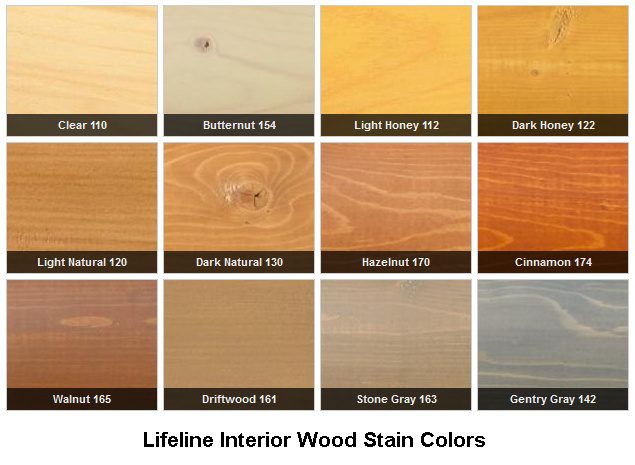
Interior stains offer many colors. They match home decor. Exterior stains have fewer colors. They focus on protection. Finish options vary too. Glossy, matte, or satin for indoors. Outdoors, the finish is often matte. It hides dirt and wear.
Credit: tilethis.com
Applications And Usage
Interior stainis great for wooden furniture. It brings out the beauty of wood grains. It protects against minor scratches. Stains can come in many colors. Choose a color that suits your home. Always apply stain in a well-ventilated area. It dries faster indoors. You can use a brush or cloth. Remember to wear gloves. Keep away from children.
Exterior stainis perfect for decks and fences. It protects wood from weather damage. Rain and sun can harm wood. Exterior stain keeps wood strong. It is water-resistant. Apply it in dry weather. Use a large brush for big areas. Make sure the wood is clean. It lasts longer than paint. Check for any cracks before starting.
Pros And Cons Of Interior Stains
Interior stains offer rich colors. They enhance the beauty of wood. Application is simple. Easy for beginners. Low odor makes them ideal indoors. Fast drying saves time. Perfect for busy homes. Affordable for most budgets. Variety of shades available. Suitable for any style. Durable with proper care. Protects wood from damage.
Exterior settings pose challenges. Interior stains fade in sunlight. Weather impacts can damage them. Moisture weakens their hold. Protection is limited outdoors. Not water-resistant. Peeling and cracking is common. Regular maintenance needed. Alternatives might be better. Choose wisely for outdoor projects.

Credit: abdullahyahya.com
Pros And Cons Of Exterior Stains
Exterior stains offer durability and weather resistance, ideal for outdoor use. They protect wood from sun and rain. Interior stains focus on enhancing appearance, providing rich color and finish. They lack the protective qualities of exterior stains, making them unsuitable for outdoor environments.
Benefits For Outdoor Applications
Exterior stains protect wood from rain and sun. They help prevent wood from rotting. Colors stay bright even in harsh weather. Stains make wood look new for a long time. They also stop bugs from damaging the wood. Easy to apply with a brush or spray. Cost-effective for large areas like decks and fences.
Challenges In Interior Spaces
Some stains have strong smells. Not good for small rooms. Can cause headaches. Ventilation is crucial during application. Colors might not look the same indoors. Natural light affects color. Stains can be hard to remove from floors. Sometimes, stains make wood sticky. Careful application is needed to avoid mess.
Factors To Consider When Choosing A Stain
The place you use stain matters. Interior stains stay inside and face less weather. Exterior stains fight rain, sun, and wind. They must be tough. Choose wisely based on where you will use it.
Stains give a look to wood. Interior stains can be smooth and shiny. Exterior stains may have a rough feel for protection. Think about how you want it to look. Do you want it shiny or matte?
Maintenance is important. Interior stains need less care. Exterior stains need more attention. Weather can damage them. Check how often you must reapply or clean. It saves time and keeps wood safe.
Tips For Applying Stains
Start by cleaning the surfacewell. Dust and dirt can ruin the finish. Wear old clothes to protect your skin. Use gloves to keep hands safe. Open windows for fresh air. The stain smell can be strong. Keep kids and pets away from the work area. Safety first!
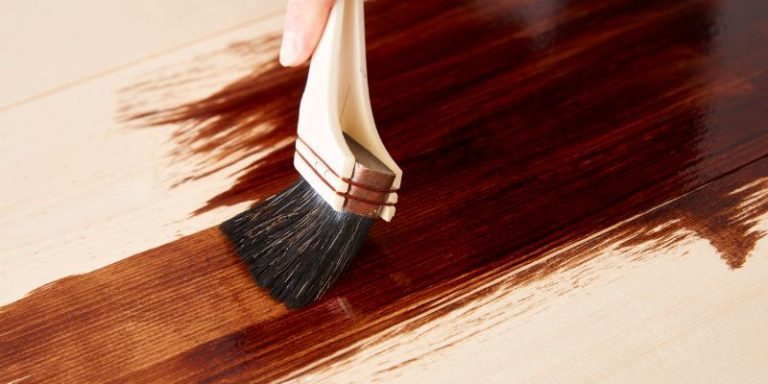
Choose the right brush for the job. Brushes help spread stains evenly. Try a foam brushfor smooth surfaces. Use a bristle brushfor rough surfaces. Apply the stain in thin layers. Thick layers take longer to dry. Let each layer dry before adding more. This makes the color deep and even.

Credit: www.zar.com
Frequently Asked Questions
Can I Use Interior Stains For Exterior?
Using interior stains outside is not recommended. They lack UV protection and weather resistance. Exterior stains are formulated for outdoor conditions, providing durability and protection against elements. For best results, choose a product specifically designed for exterior use.
What Is The Difference Between Interior And Exterior Stain?
Interior stain is designed for indoor use, emphasizing aesthetic appeal. Exterior stain offers weather resistance, protecting wood from elements. Interior stains have lower VOC levels, while exterior stains contain UV blockers and mildew inhibitors. Both enhance wood’s appearance but serve different protective purposes.
What Happens If You Use Interior Stain Outside Reddit?
Interior stain used outside can peel, fade, or deteriorate. It’s not designed for outdoor elements. Opt for exterior stain for durability and weather resistance. Using the correct stain ensures longevity and protection for your outdoor surfaces. Always choose products based on their intended use to avoid damage.
Can You Use Outside Wood Stain Inside?
Using outside wood stain indoors can be harmful due to strong fumes and chemicals. Opt for stains labeled for indoor use to ensure safety and proper ventilation. Indoor stains are designed with lower VOCs, making them suitable for interior projects.
Always read labels for intended use and safety precautions.
Conclusion
Choosing between interior and exterior stain depends on your project needs. Interior stains enhance indoor wood beauty. They add warmth and style. Exterior stains protect wood from harsh weather. They ensure durability outside. Think about location and purpose. Consider your wood type and desired finish.
Both stains offer unique benefits. Selecting the right one enhances wood longevity and appeal. Make an informed choice for lasting results. Remember, the right stain can transform your space. Keep wood protected and looking great. Happy staining!