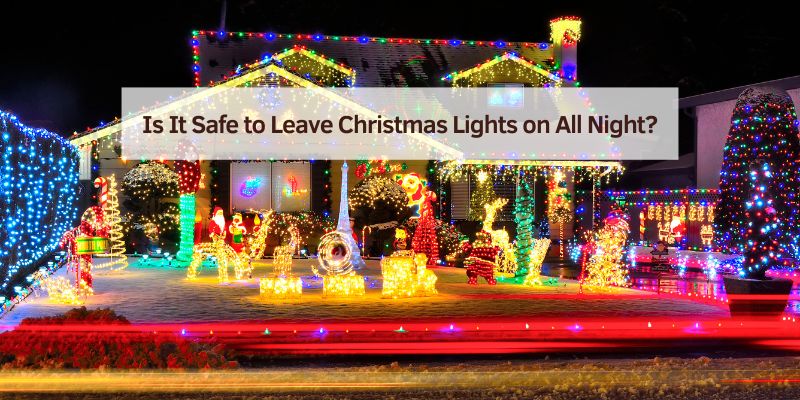
Is It Safe to Leave Christmas Lights on All Night?
Hey there! Picture us sitting in my garage, surrounded by car parts and tools, with a string of Christmas lights twinkling above us. I love decking out my automotive space for the holidays—it adds such a festive vibe while I’m wrenching on my car. But then you lean over and ask, is it safe to leave Christmas lights on all night? I’ve wondered the same thing for my blog, especially since those sparkling lights make my garage and car displays pop.
After digging into this topic, I’ve learned a ton about their safety, risks, and best practices. Let’s dive in and figure out how to keep the holiday glow safe and worry-free. Grab a seat—this is going to be a bright conversation!
Why Christmas Lights Are a Hit in Automotive Spaces
Christmas lights aren’t just for trees or houses. In my garage, I string them along the walls to create a cozy, festive vibe. They’re perfect for holiday car shows or lighting up a showroom to draw in customers. The soft glow makes my vintage Mustang look like it’s ready for a winter parade.
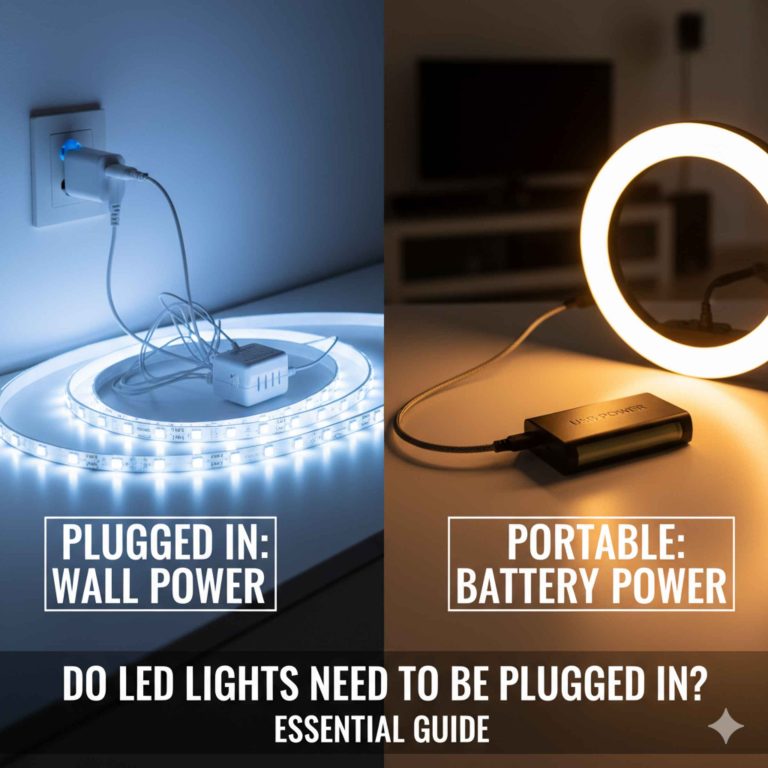
They’re also cheap to run, especially LED lights, which sip energy. Plus, they’re easy to set up and come in all styles—icicles, fairy lights, or classic bulbs. But leaving them on overnight? That’s where I started wondering about safety. Let’s explore the risks and how to avoid them.
How Christmas Lights Work
To understand safety, let’s talk about how Christmas lights work. They’re a series of small bulbs connected by wires, plugged into a standard outlet. Each bulb gets power through the circuit, and some sets have a transformer to lower the voltage for safety.
In my garage, I use LED Christmas lights. They’re cooler, brighter, and use less power than old incandescent ones. Knowing how they’re built helps us spot potential issues, like frayed wires or overloaded circuits, that could make leaving them on all night risky.
Potential Risks of Leaving Christmas Lights On
Christmas lights are generally safe, but leaving them on overnight can pose risks if you’re not careful. Here’s what I’ve learned about the main concerns.
Fire Hazard from Overheating
Old incandescent lights get hot. If they’re near flammable stuff—like paper decorations or a car’s upholstery—they could start a fire. I used incandescent lights years ago, and they felt warm after a few hours. LEDs are much cooler, but even they can overheat if faulty or covered.
Electrical Overload
Plugging too many light strings into one outlet can overload the circuit. This might trip a breaker or, worse, cause a fire. In my garage, I once plugged three sets into one extension cord, and the breaker flipped. That was a wake-up call to spread out the load.
Damaged or Frayed Wires
Worn wires are a big risk. If insulation is cracked or exposed, it could spark or shock. I found a frayed string in storage last year—tossed it immediately. Leaving damaged lights on overnight is asking for trouble.
Outdoor Weather Exposure
If you’re using lights outside your garage or showroom, the weather can be an issue. Rain or snow can get into non-weatherproof lights, causing shorts. My outdoor lights are rated for wet conditions, but I still check them after storms.
Unattended Use
Leaving lights on when no one’s around—like overnight—means you can’t spot issues like sparks or smoke. I’m cautious about this in my garage, where tools and car parts could catch fire if something goes wrong.

Are Christmas Lights Really Dangerous?
Honestly, modern Christmas lights are safe if used right. I’ve left my LED lights on for hours without issues. Fire risks are low with quality lights, especially LEDs, which produce little heat. In the USA, holiday light-related fires are rare, thanks to safety standards like UL (Underwriters Laboratories) listings.
The dangers come from misuse, like using damaged lights, overloading outlets, or leaving hot incandescents near flammable stuff. With a few precautions, leaving lights on overnight can be safe. Let’s look at how to do it right.
Choosing Safe Christmas Lights
Picking the right lights is the first step. Here’s what I look for when buying for my garage:
- LED Over Incandescent: LEDs are cooler, use 80% less energy, and last longer. My LED strings have been going strong for three years.
- UL Listing: A UL label means the lights meet safety standards. I always check the tag.
- Weather Rating: For outdoor use, choose lights rated for wet conditions. My icicle lights have an IP65 rating for rain and snow.
- Quality Build: Avoid cheap, flimsy lights. I stick to brands like Philips or GE for sturdy wires and bulbs.
- Length and Plugs: Buy sets with enough length and check the plug type. Some LEDs have non-standard plugs, which can limit connections.
I spent $30 on a 100-foot LED string for my garage, and it’s been a solid investment. Quality lights reduce risks when left on overnight.
Installing Christmas Lights Safely
Proper setup keeps lights safe. Here’s how I string mine in my garage and outside:
- Check for Damage: Inspect wires and bulbs before hanging. I toss any set with cracks or exposed wires.
- Use Proper Clips: Use plastic clips or hooks, not staples or nails, to avoid damaging wires. My clips hold lights securely on my garage walls.
- Avoid Overloading: Connect no more than three LED strings end-to-end (check the box). I use separate outlets for multiple sets.
- Secure Extension Cords: Keep cords off the floor to avoid tripping or damage. I tape mine along the wall.
- Outdoor Protection: Use outdoor-rated cords and cover plugs with weatherproof boxes. My outdoor setup stays dry even in storms.
I spend an hour setting up lights carefully, and it pays off in safety and peace of mind.
Using Christmas Lights Overnight: Best Practices
Leaving lights on all night is fine if you follow these tips. Here’s what I do:
- Use LEDs: They’re cool and energy-efficient, reducing fire risk. My LEDs barely warm up after hours of use.
- Plug into a Timer: A timer turns lights off automatically, saving energy and reducing risk. I set mine to shut off at 2 a.m.
- Avoid Flammable Materials: Keep lights away from paper, fabric, or car parts. I cleared decorations from my garage lights’ path.
- Check Circuits: Use outlets with enough capacity (15-20 amps). I avoid plugging lights into the same circuit as my welder.
- Test GFCI Outlets: For outdoor lights, use ground-fault circuit interrupter (GFCI) outlets. They cut power if water causes a short.
I’ve left my LED lights on overnight with these precautions, and I sleep soundly knowing they’re safe.
Maintaining Christmas Lights for Safety
Regular upkeep keeps lights safe. Here’s my routine:
- Inspect Before Use: Check for frayed wires or broken bulbs each season. I spend 10 minutes testing my strings.
- Clean Bulbs: Wipe dust or grime off bulbs for better light. I use a damp cloth on my LEDs.
- Store Properly: Coil lights loosely in a dry container to avoid damage. My lights go in a plastic bin with dividers.
- Replace Faulty Sets: Don’t patch bad strings—replace them. I swapped a flickering set last year for safety.
A little maintenance goes a long way. My lights stay reliable season after season.
Christmas Lights in Automotive Spaces: Special Considerations
Garages and showrooms have unique needs. In my garage, I deal with dust, grease, and fumes. I choose durable LED lights that handle grime and run the fan to clear fumes, keeping lights away from vents. For showrooms, lights should be stylish—think fairy lights draped over a car display—but safe, with no loose wires near customers.
I keep lights high in my garage to avoid bumping them with car doors or tools. In showrooms, ensure lights don’t dangle where people walk. Safety in these spaces means planning for the environment.
Comparing LED vs. Incandescent Christmas Lights
LEDs and incandescents differ in safety and performance. Here’s a table to break it down:
| Feature | LED Lights | Incandescent Lights |
|---|---|---|
| Heat Output | Cool, low fire risk | Hot, higher fire risk |
| Energy Use | 80% less than incandescents | High, costly to run |
| Lifespan | 25,000-50,000 hours | 1,000-2,000 hours |
| Cost | $10-$30 per string | $5-$15 per string |
| Safety for Overnight | Safer due to low heat | Riskier due to heat |
I switched to LEDs years ago. They’re safer, cheaper to run, and perfect for leaving on overnight.
Common Myths About Christmas Light Safety
There are myths that make people nervous about Christmas lights. Let’s bust a few:
- Myth: All Lights Are Fire Hazards: LEDs are low-risk, and even incandescents are safe if kept clear of flammables.
- Myth: Overnight Use Is Always Dangerous: With quality LEDs and timers, it’s safe. I’ve done it for years without issues.
- Myth: Outdoor Lights Always Short Out: Weatherproof lights and GFCI outlets prevent shorts. My outdoor lights handle snow fine.
- Myth: Cheap Lights Are Just as Safe: Bargain lights often lack UL listings. I stick to trusted brands.
These myths come from old lights or bad setups. Modern lights are designed for safety.
Safety Features in Modern Christmas Lights
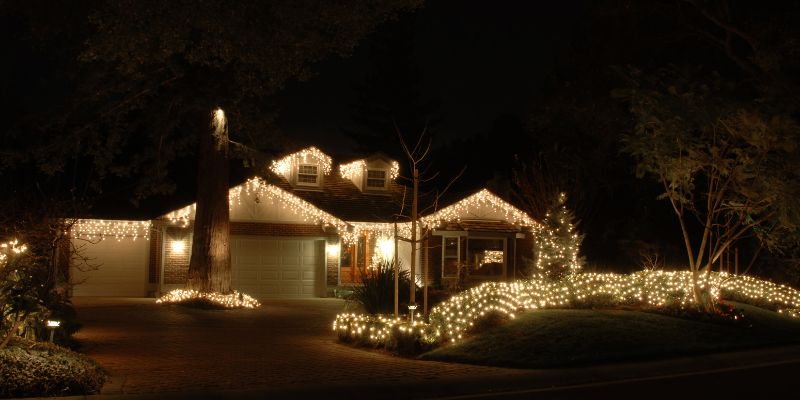
Today’s lights have cool safety features. My LED strings have fuses in the plug to prevent overloads. Many have low-voltage transformers, reducing shock risk. Some even shut off if a bulb breaks, keeping the circuit safe.
Look for lights with reinforced wires for durability. My outdoor LEDs have thick insulation to handle the weather. These features make leaving lights on overnight less worrisome.
When to Call a Professional
Most light setups are DIY-friendly, but some jobs need a pro. If you’re running new wiring for outdoor lights or adding outlets, hire an electrician. I paid $150 for a GFCI outlet outside my garage—worth it for safety.
If your lights flicker or trip breakers, a pro can check for circuit issues. Don’t ignore odd behavior; my friend’s flickering lights turned out to be a loose wire, fixed for $100. Safety first, always.
Enhancing Your Automotive Space with Christmas Lights
Christmas lights make garages and showrooms magical. In my garage, they add holiday cheer while I work on cars. I drape them along shelves, keeping them high to avoid tools. In showrooms, lights can frame cars or create a festive path for customers.
I love how my lights make my car’s chrome sparkle at night. They’re practical, too, providing extra light for winter projects. With a safe setup, they’re a holiday win for any car enthusiast.
Cost of Christmas Lights and Setup
Christmas lights are budget-friendly. A 100-foot LED string costs $10-$30. Incandescents are $5-$15 but cost more to run. Clips or hooks add $5-$10. A timer is $10-$20. I spent $40 total on my garage setup.
If you need an electrician for wiring or outlets, expect to pay $100-$300. My GFCI outlet was $150, but I saved by installing the lights myself. It’s a small price for holiday magic and safety.
Troubleshooting Christmas Light Issues
If your lights act up, here’s how I troubleshoot:
- No Power: Check the plug, outlet, or fuse. My string’s fuse blew once—replaced it for $2.
- Flickering: Look for loose bulbs or damaged wires. I tightened a bulb, and it stopped.
- Half the String Out: Replace broken bulbs. LEDs often stay lit if one fails, but I check anyway.
- Tripped Breaker: Unplug some sets to reduce load. I split my lights across two outlets.
Most fixes take minutes with spare bulbs or fuses from the light set.
My Personal Take on Christmas Light Safety
Exploring this topic made me love my Christmas lights even more. They’ve been a safe, festive part of my garage for years. The risks—like fires or shocks—are real but avoidable with quality LEDs, careful setup, and maintenance. I check my lights each season and sleep easily knowing they’re safe overnight.
For car enthusiasts, Christmas lights add joy and function. They make late-night projects brighter and showrooms inviting. Knowing they’re safe lets me focus on the holiday spirit and my car.
Conclusion
What a festive journey! We’ve tackled is it’s safe to leave Christmas lights on all night and learned how to keep the holiday glow worry-free. With quality LED lights, proper setup, and a few precautions—like timers and GFCI outlets—you can leave your lights on overnight safely. They’ll light up your garage or showroom, making every car project or display sparkle with holiday cheer.
I hope you’re as excited as I am to string up those lights. Whether you’re working on a hot rod or showing off a new ride, safe Christmas lights will keep your space bright and joyful. So, grab some LEDs, check those wires, and let the holidays shine. Your automotive world just got a whole lot merrier!
FAQs
Is it safe to leave LED Christmas lights on all night?
Yes, LED lights are safe overnight if they’re UL-listed and in good condition. They stay cool and use little power. Use a timer for extra safety.
Can Christmas lights cause a fire if left on overnight?
Fires are rare with LEDs, which produce little heat. Incandescents are riskier if near flammables. Check wires and avoid overloading outlets to stay safe.
How do I know if my Christmas lights are safe?
Look for a UL label, inspect for frayed wires, and use weatherproof lights outdoors. Plug into GFCI outlets for outdoor setups. I check mine every season.
Can I leave outdoor Christmas lights on in the rain?
Yes, if they’re rated for wet conditions (check the box). Use GFCI outlets and weatherproof plug covers. My outdoor lights handle snow with no issues.
Do Christmas lights use a lot of electricity overnight?
LEDs use very little—about 80% less than incandescents. A 100-foot LED string might cost a few cents per night. My garage lights barely dent my bill.