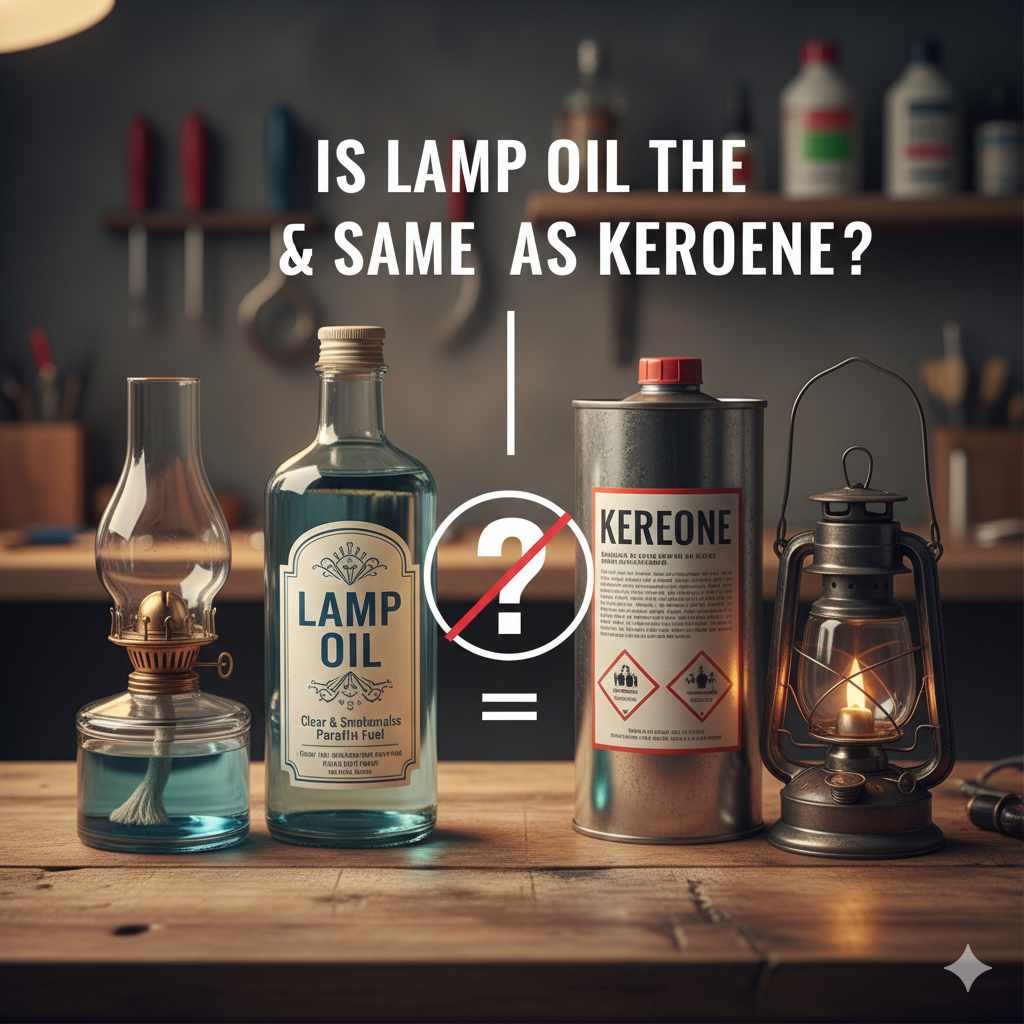
Is Lamp Oil The Same As Kerosene? Essential Guide
Quick Summary: Lamp oil and kerosene are NOT the same. While both are petroleum-based fuels, lamp oil is refined for cleaner burning and a smokeless flame, making it safer for indoor use in lamps. Kerosene, less refined, produces more soot and fumes and is generally better suited for outdoor heating or specialized equipment.
Ever stared at a bottle of lamp oil and a can of kerosene, wondering if they’re interchangeable? It’s a common question, especially when you’re setting up a cozy ambiance with oil lamps or need fuel for a heater. Using the wrong one can lead to smoky rooms, unpleasant smells, or even safety hazards. Don’t worry, understanding the difference is simpler than you think! We’ll break down exactly what makes them distinct, so you can choose the right fuel for your needs with confidence. Let’s clear the air!
Lamp Oil vs. Kerosene: What’s the Real Difference?
When you’re looking for fuel for your oil lamps, heaters, or other appliances, you’ll often see “lamp oil” and “kerosene” mentioned. They sound similar, and they do come from a similar place – crude oil. However, treating them as identical is a common mistake that can lead to smoky, sooty results, or worse, safety issues. The key difference lies in their refinement and intended use. Think of it like comparing filtered water to tap water; both are water, but one is processed for a specific, cleaner purpose.
My goal is to help you feel super confident about this. We’ll dive into what each type of fuel is made of, how it burns, and where it’s best used. This way, you’ll know exactly which bottle to grab for your next project or cozy evening.
What Exactly is Kerosene?
Kerosene, also known as paraffin oil in some parts of the world, is a combustible hydrocarbon liquid. It’s derived from petroleum during the refining process, typically boiling between 350 and 650 degrees Fahrenheit (175 and 345 degrees Celsius). Historically, it was a primary source of lighting and heating fuel before electricity became widespread.
Kerosene is a versatile fuel, but it’s not always the cleanest burning option. Because it’s less refined than specialized lamp oil, it tends to produce more soot and a stronger odor when burned. This is due to the presence of impurities and a higher concentration of aromatic hydrocarbons.
Common Uses for Kerosene:
- Outdoor Torches and Lanterns: Its strong flame is good for providing light in outdoor settings.
- Portable Kerosene Heaters: Often used for temporary heating in garages, workshops, or during power outages.
- Camping Stoves and Lanterns: Some older or specialized camping equipment uses kerosene.
- Cleaning Solvents: In some industrial applications, kerosene can be used as a degreaser.
- Aircraft Fuel: Jet fuel is a type of kerosene.
It’s important to note that kerosene has a distinct smell and can leave residue. This is why it’s generally not the preferred choice for indoor decorative lamps where ambiance and clean air are priorities.
What is Lamp Oil?
Lamp oil is a specific type of fuel designed for use in oil lamps. The key characteristic that sets it apart is its higher level of refinement. Lamp oil is typically distilled and treated to remove impurities that cause smoke, soot, and strong odors. This results in a much cleaner-burning fuel.
There are several types of lamp oil, each with its own characteristics:
| Type of Lamp Oil | Description | Best For |
|---|---|---|
| Paraffin Oil (K-1 Kerosene) | This is a highly refined kerosene, often labeled as K-1. It has undergone additional processing to reduce sulfur content and impurities, making it burn cleaner than standard kerosene. | Indoor decorative lamps, some outdoor lanterns. It’s a good balance of affordability and clean burning. |
| Treated Kerosene | Standard kerosene that has been chemically treated to reduce odor and soot. It’s still not as clean as pure paraffin oil but is better than untreated kerosene. | Outdoor use, less sensitive indoor applications. |
| Aliphatic Hydrocarbon Lamp Oil (e.g., Citronella, Ultra-Pure) | These are petroleum distillates with a very low aromatic content. They burn exceptionally clean, with virtually no smoke or odor. Citronella lamp oil also has the added benefit of repelling insects. “Ultra-pure” or “clear” lamp oils fall into this category. | Decorative indoor lamps, restaurants, patios, any situation where a clean, odorless flame is desired. |
| Vegetable-Based Lamp Oil (e.g., Soy, Olive Oil) | Made from natural oils. These burn very cleanly but can be more expensive and may require specific wick types. | Eco-conscious users, indoor decorative lamps. |
The primary benefit of lamp oil is its ability to produce a bright, steady flame with minimal smoke and odor, making it ideal for creating a pleasant atmosphere indoors or in close quarters.
Key Differences Summarized
To make it crystal clear, let’s look at the main distinctions side-by-side:
| Feature | Kerosene (Standard) | Lamp Oil (Refined) |
|---|---|---|
| Refinement Level | Lower, contains more impurities | Higher, impurities removed for clean burning |
| Soot Production | High | Very Low to None |
| Odor | Noticeable, often strong | Minimal to None (especially aliphatic types) |
| Flame Quality | Can be sooty, less stable | Bright, steady, smokeless |
| Indoor Use Suitability | Generally NOT recommended due to fumes and soot | Highly recommended, especially aliphatic or ultra-pure types |
| Outdoor Use Suitability | Good for lighting, heating, and tough conditions | Good for ambiance, less ideal for high-heat applications |
| Common Types | Standard Kerosene, K-1 Kerosene (more refined) | Paraffin Oil, Ultra-Pure, Citronella, Vegetable Oil-based |
Think of it this way: if you’re lighting up a patio lantern for a backyard BBQ, standard kerosene might do the trick. But if you’re setting up a beautiful oil lamp on your dining room table for a romantic dinner, you’ll definitely want to opt for a clean-burning lamp oil.
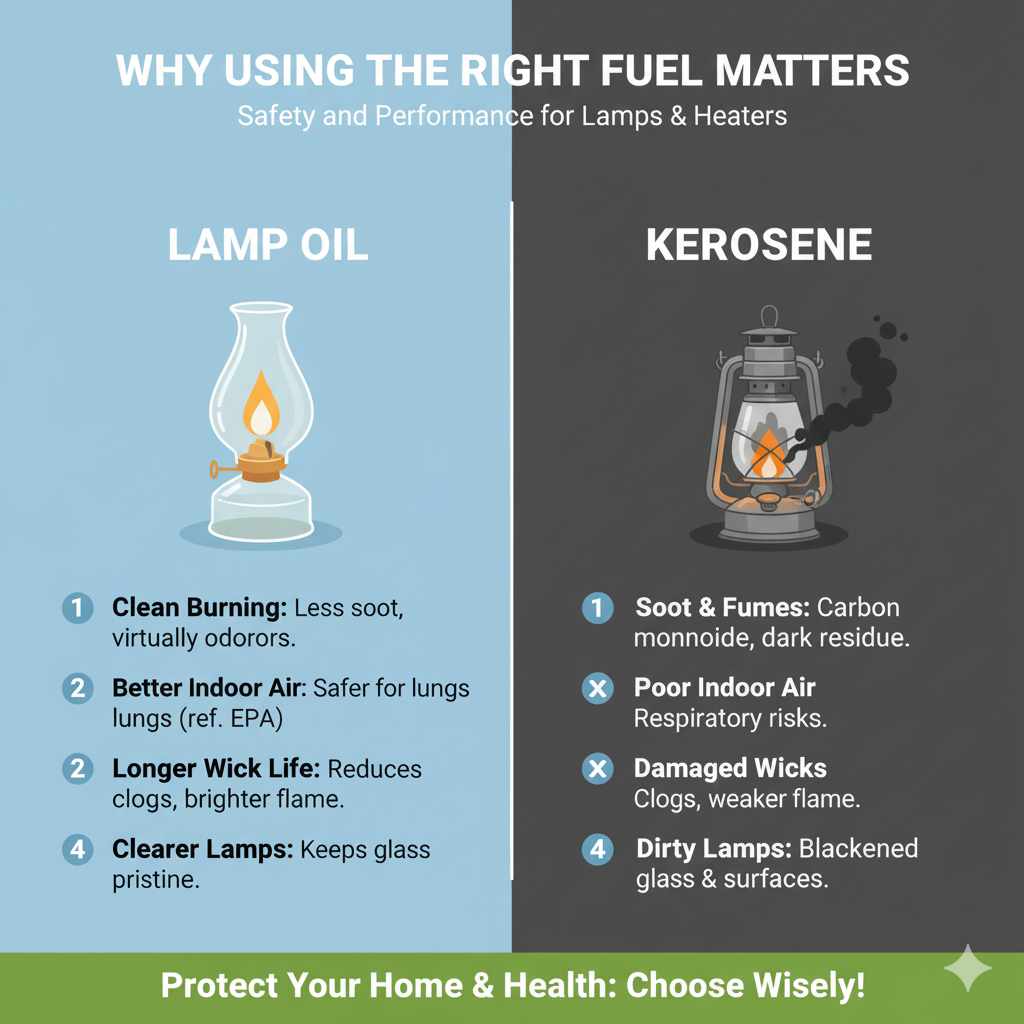
Why Using the Right Fuel Matters: Safety and Performance
Choosing between lamp oil and kerosene isn’t just about preference; it’s about safety and getting the best performance from your lamps or heaters. Using the wrong fuel can lead to a few problems:
1. Indoor Air Quality and Safety
Burning kerosene indoors, especially standard grades, releases soot and fumes into your living space. These can include carbon monoxide, nitrogen oxides, and particulate matter. Over time, this can negatively impact air quality and pose health risks, particularly for children, the elderly, or those with respiratory issues like asthma. A study by the U.S. Environmental Protection Agency (EPA) highlights the importance of good indoor air quality for overall health.
Lamp oil, particularly the refined aliphatic hydrocarbon types, is designed to burn cleanly. This means significantly less soot and virtually no noticeable odor, making it a much safer and more pleasant choice for indoor environments. Always ensure any indoor lamp is used in a well-ventilated area, regardless of the fuel type.
2. Soot and Mess
Kerosene’s impurities cause it to burn with a sooty flame. This soot can quickly coat the inside of your lamp, turning the glass black and dirty. It can also leave a residue on walls, furniture, and curtains. Cleaning this soot can be a real chore. Refined lamp oil burns cleanly, producing a bright, clear flame that keeps your lamps looking good and your home cleaner.
3. Wick Longevity
The impurities in standard kerosene can also degrade lamp wicks faster than cleaner-burning lamp oils. A wick that’s constantly being clogged with soot won’t draw fuel efficiently, leading to a weaker flame and more frequent wick replacement. Using the correct lamp oil designed for your specific lamp will help your wick last longer and perform better.
4. Odor
Let’s be honest, the smell of burning kerosene isn’t exactly pleasant. It can permeate your home and linger for hours. Many lamp oils, especially the ultra-pure or aliphatic varieties, are virtually odorless. This is a huge advantage for creating a relaxing and inviting atmosphere, particularly for decorative lamps.
How to Choose the Right Fuel for Your Needs
So, how do you make the right choice? It really comes down to what you’re using the fuel for. Here’s a simple guide:
When to Use Lamp Oil:
- Decorative Indoor Lamps: For ambiance, mood lighting, or as a beautiful centerpiece. Choose ultra-pure or aliphatic hydrocarbon lamp oil for the cleanest, most odorless burn.
- Tabletop or Wall-Mounted Lamps: Any lamp intended for regular use inside your home.
- Terrariums or Miniature Lamps: Small lamps where a clean, controlled flame is essential.
- Outdoor Patios and Decks (for ambiance): While kerosene can work, lamp oil provides a cleaner, more refined light for dining or relaxing outdoors. Citronella lamp oil is a great choice here for added insect repellent benefits.
When Kerosene Might Be an Option (with Caution):
- Outdoor Torches: For general illumination or marking pathways at night.
- Portable Kerosene Heaters: Ensure you use the grade recommended by the heater manufacturer (often K-1 kerosene) and follow all safety guidelines for ventilation.
- Camping Lanterns (older models): If your specific camping lantern is designed for kerosene.
- Emergency Preparedness: As a fuel source for specific emergency equipment, provided it’s stored and used safely.
Important Note: Always check the manufacturer’s recommendations for your specific lamp, heater, or appliance. They will specify the type of fuel that is safe and effective to use. If you’re unsure, it’s always best to err on the side of caution and choose a cleaner-burning lamp oil.
Step-by-Step: Safely Refueling Your Oil Lamp
Refueling an oil lamp is a straightforward process, but doing it safely ensures a good experience. Here’s how:
What You’ll Need:
- Your oil lamp
- The correct type of lamp oil (check your lamp’s manual!)
- A funnel (optional, but helpful)
- Paper towels or a cloth for spills
- A safe, well-ventilated area
The Process:
-
Ensure the lamp is cool: Never refuel a lamp that is still hot from being lit. Let it cool down completely.
-
Prepare your workspace: Move the lamp to a well-ventilated area, away from open flames, sparks, or heat sources. Lay down some paper towels to catch any drips.
-
Open the lamp: Unscrew or lift the burner assembly from the oil reservoir. Be careful not to spill any remaining fuel.
-
Fill the reservoir: Using your funnel if needed, carefully pour the lamp oil into the reservoir. Do not overfill! Leave some space at the top (usually about 1 inch or 2-3 cm). Overfilling can cause the fuel to overflow when the burner is replaced or when the lamp heats up.
-
Clean up any spills: Wipe away any drips or spills with a paper towel immediately.
-
Replace the burner: Carefully screw or place the burner assembly back onto the reservoir, ensuring it’s snug but not overtightened.
-
Let the wick saturate: Allow the lamp to sit for at least 15-20 minutes (or longer, depending on the wick) to let the oil fully saturate the wick. This is crucial for a good, steady flame and prevents the wick from burning too quickly.
-
Trim and light: Trim the wick if necessary to ensure an even burn. Then, light the wick. Adjust the flame height by turning the wick knob until you achieve a desired, steady flame that is not too high (which can cause smoking).
Remember, safety first! Always handle flammable liquids with care and store them properly.
Storing Lamp Oil and Kerosene Safely
Proper storage is vital for both safety and preserving the quality of your fuel. Here’s how to do it:
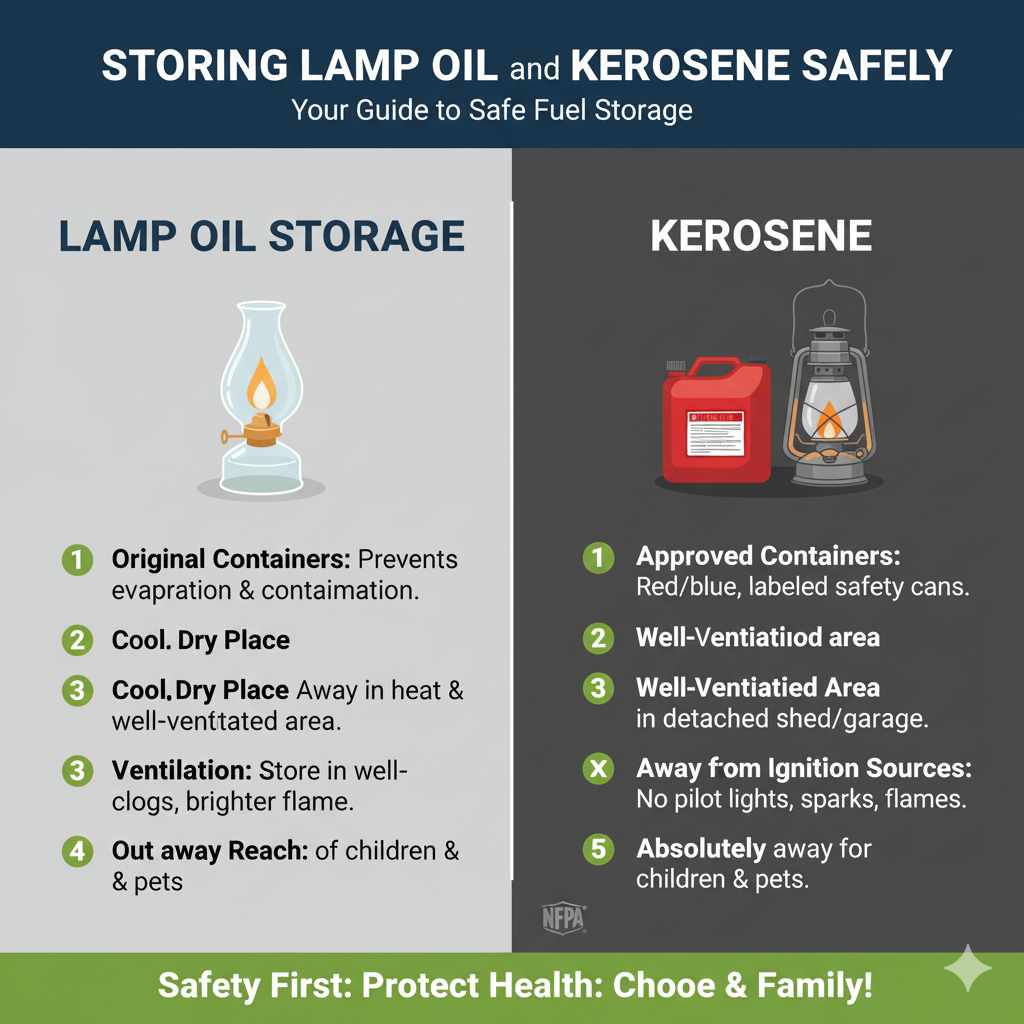
Lamp Oil Storage:
- Original Containers: Keep lamp oil in its original, well-sealed container. These are designed to prevent evaporation and contamination.
- Cool, Dry Place: Store in a cool, dry, and dark place away from direct sunlight and heat sources.
- Ventilation: While lamp oil has fewer fumes than kerosene, it’s still wise to store it in an area with some ventilation, away from living spaces if possible.
- Out of Reach: Keep out of reach of children and pets.
Kerosene Storage:
- Approved Containers: Store kerosene only in approved containers specifically designed for kerosene. These are often red or blue and clearly labeled. Never store kerosene in glass bottles or containers not rated for flammable liquids.
- Cool, Dry, Well-Ventilated Area: Kerosene has a stronger odor and fumes, so storage in a detached shed or garage is ideal. Avoid storing it in your home’s living areas.
- Away from Ignition Sources: Keep kerosene far from any potential ignition sources, including pilot lights, furnaces, water heaters, sparks, and open flames.
- Securely Sealed: Ensure the container is tightly sealed to prevent fumes from escaping and to avoid contamination.
- Out of Reach: Absolutely keep out of reach of children and pets.
For more detailed safety guidelines on storing flammable liquids, the National Fire Protection Association (NFPA) offers comprehensive resources.
Frequently Asked Questions (FAQ)
Q1: Can I use kerosene in my indoor oil lamp?
A: It’s generally not recommended. Standard kerosene burns with more soot and odor, which can lead to smoky rooms and unpleasant smells, making it unsuitable for most indoor decorative lamps. Highly refined K-1 kerosene is a better option if you must use a kerosene-based fuel indoors, but cleaner-burning lamp oils are always preferred.
Q2: What happens if I use kerosene instead of lamp oil?
A: You’ll likely experience a dimmer, sooty flame, a strong kerosene smell, and potentially black residue buildup inside your lamp and on surrounding surfaces. In poorly ventilated areas, the fumes can also be a health concern.
Q3: Is all lamp oil the same?
A: No, lamp oil varies. There are different types, including paraffin oil (refined kerosene), aliphatic hydrocarbons (like ultra-pure or citronella oils), and vegetable-based oils. They differ in their refinement level, burn quality, and odor.
Q4: How can I tell if my lamp oil is burning cleanly?
A: A clean burn means a steady, bright flame with little to no visible smoke or odor. If you see a lot of black smoke or smell a strong fuel odor, the wick might be too high, the wick might be old or dirty, or you might be using a fuel that isn’t well-suited for indoor use.
Q5: Can I mix lamp oil and kerosene?
A: It’s best not to mix them. Mixing can alter the burning characteristics of the fuel, potentially leading to a dirtier burn or unpredictable performance. Always use one type of fuel at a time.
Q6: What is the safest type of lamp oil for indoor use?
A: The safest and cleanest burning lamp oils are typically aliphatic hydrocarbon-based oils, often labeled as “ultra-pure,” “clear,” or “smokeless” lamp oil. These have had most of the aromatic compounds removed, resulting in virtually no smoke or odor.
Conclusion
Navigating the world of fuels for your lamps and heaters can seem a bit tricky, but as we’ve seen, the distinction between lamp oil and kerosene is quite clear once you know what to look for. Lamp oil, especially the refined varieties, is your go-to for creating beautiful, clean light indoors, ensuring a pleasant atmosphere without the smoke and fumes associated with standard kerosene.
Kerosene, while a useful fuel for outdoor applications or specific heating needs, is generally not the best choice for your decorative indoor lamps. By understanding the differences in refinement, burn quality, and safety, you can confidently select the right fuel for your needs. Always remember to check your appliance’s manual and prioritize safety when handling, storing, and using any flammable liquid. With the right knowledge, you can enjoy the warm glow of your oil lamps safely and beautifully!