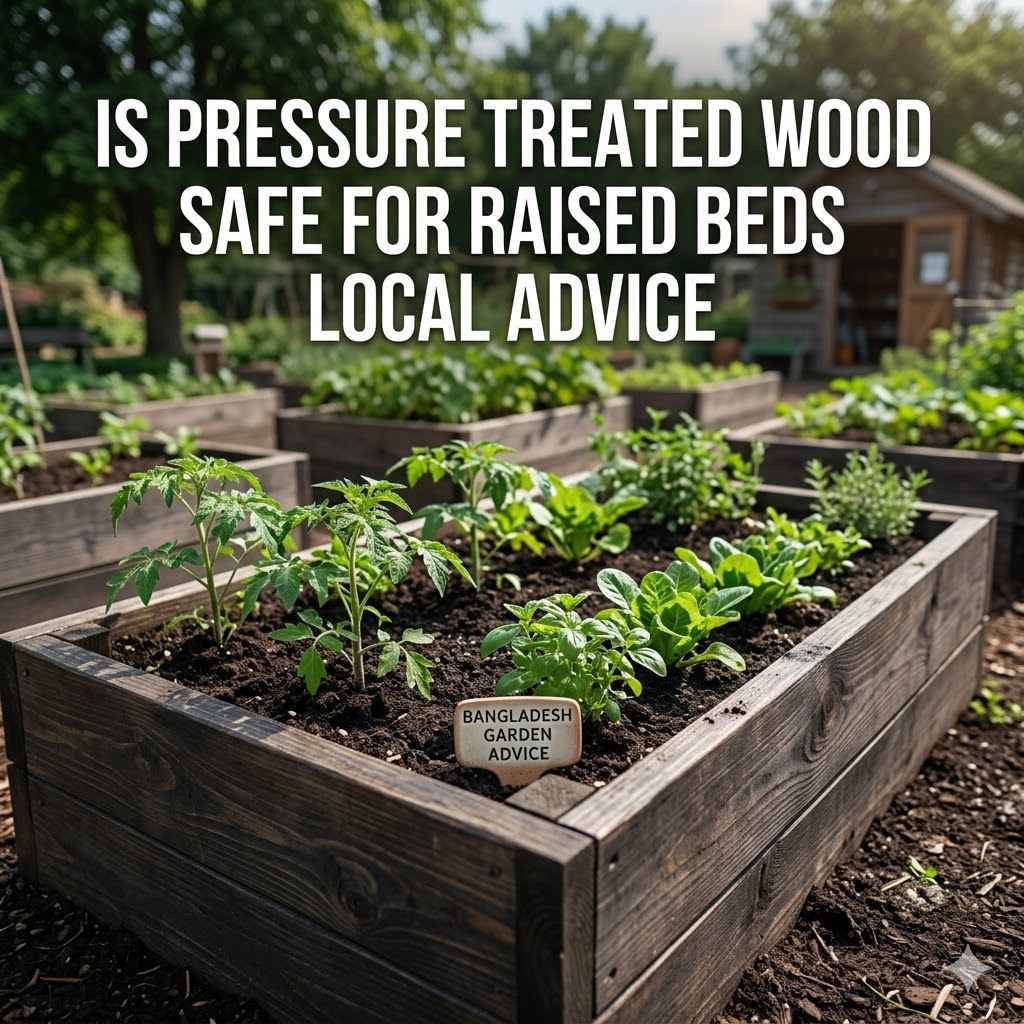
Is Pressure Treated Wood Safe for Raised Beds? Local Advice
Many new gardeners wonder, “Is Pressure Treated Wood Safe for Raised Beds? Local Advice” is a common question because it’s hard to know what materials are best for growing food. You want your garden to be safe and healthy.
This guide will break down the facts simply. We will help you figure out the best choices for your garden beds. Get ready to learn how to build great raised beds without worry.
We’ll cover everything you need to know to get started.
Understanding Pressure Treated Wood Safety
Pressure treated wood is a popular building material, often used outdoors for decks, fences, and yes, raised garden beds. Its main appeal lies in its durability and resistance to rot and insects. This is achieved by forcing chemicals deep into the wood fibers.
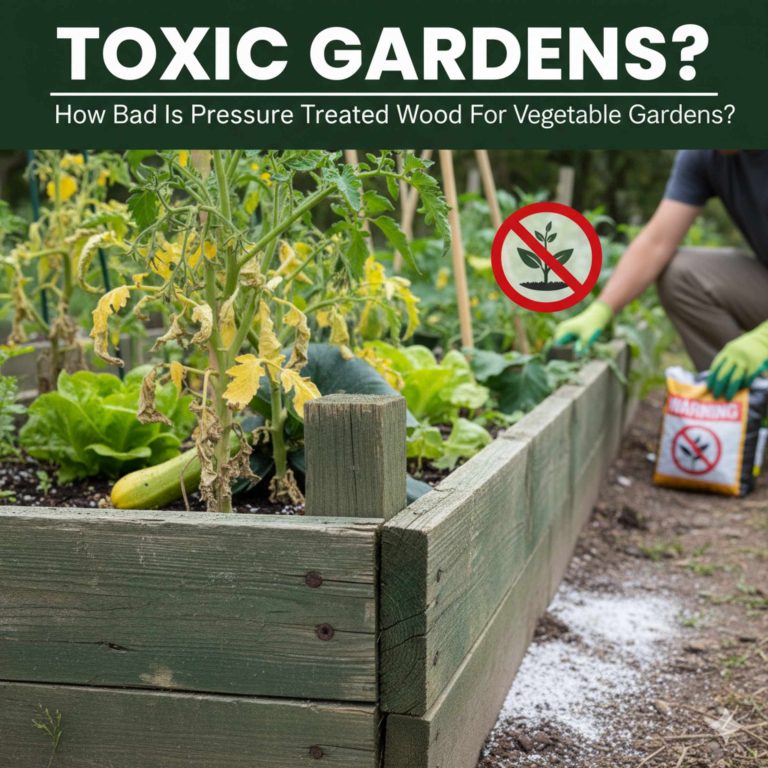
However, this process raises concerns for gardeners, especially those growing edibles. People worry if these chemicals can leach into the soil and then into the plants they eat. The question, “Is Pressure Treated Wood Safe for Raised Beds?
Local Advice” becomes important when you consider where you get your wood and what kind of treatments it has. Understanding the types of treatments and how they affect safety is key to making informed decisions for your garden.
What Is Pressure Treated Wood
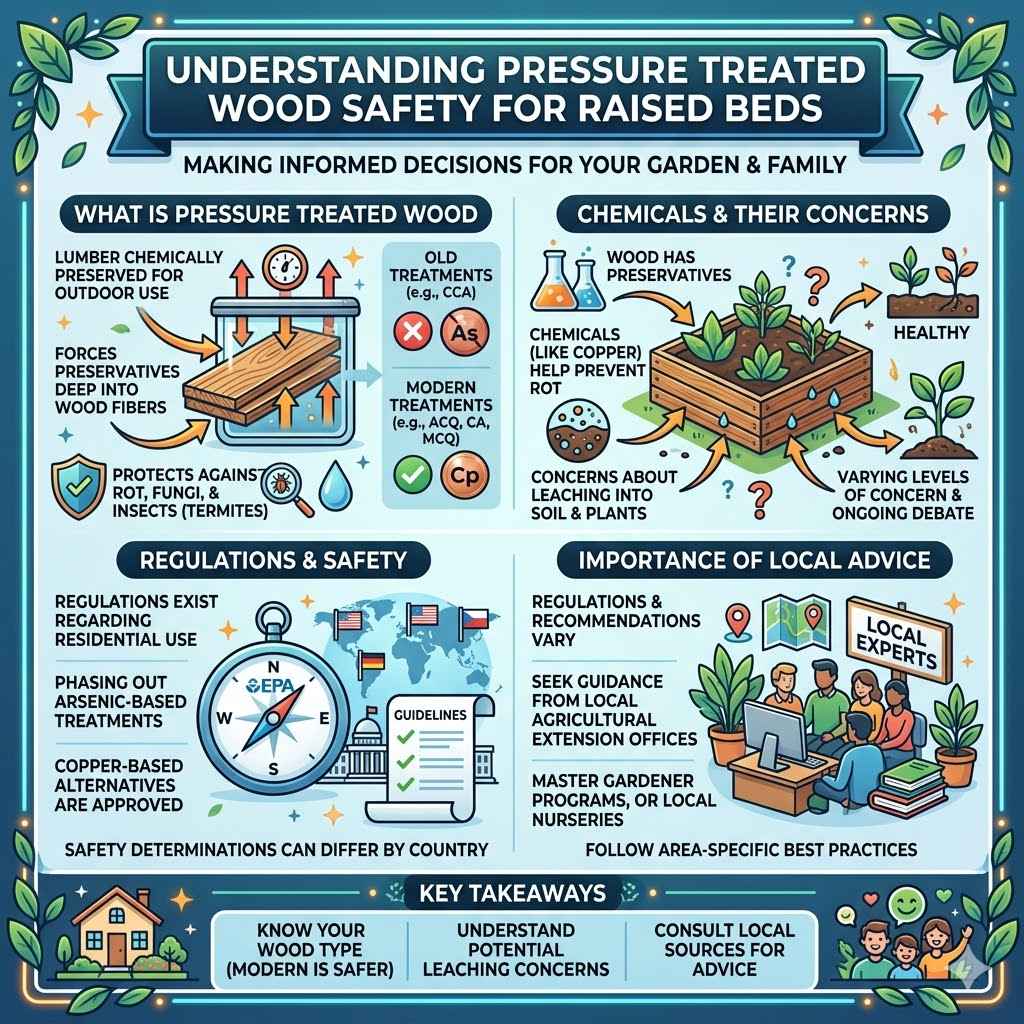
Pressure treated wood is lumber that has been chemically preserved. This process helps protect the wood from decay caused by fungi and damage from insects like termites. Special chemicals are pushed deep into the wood under high pressure in a sealed container.
This makes the wood last much longer, especially when it’s in contact with the ground or exposed to moisture.
The chemicals used have changed over time. Older treatments used substances like Chromated Copper Arsenate (CCA), which contained arsenic. Because arsenic is toxic, CCA is no longer approved for residential use in many places, especially for garden beds where food is grown.
Modern pressure treated wood typically uses less toxic chemicals, such as alkaline copper quaternary (ACQ), copper azole (CA), or micronized copper quaternary (MCQ).
These newer treatments are considered safer for general use. However, the debate continues about their safety for vegetable gardens. While the amount of chemicals leaching into the soil is generally thought to be very low, some gardeners prefer to err on the side of caution, especially when growing food for their families.
This is where local advice can be very helpful, as regulations and recommendations can vary.
Chemicals Used and Their Concerns
The chemicals in pressure treated wood are designed to protect it from the elements and pests. In the past, arsenic was a common ingredient. This chemical is a known poison.
Even though newer treatments are used now, people still worry about chemicals getting into their food. They wonder if the wood can contaminate the soil or the plants.
Modern pressure treated wood often uses copper-based preservatives like ACQ (Alkaline Copper Quaternary) or CA (Copper Azole). These are considered much safer than older arsenic-based treatments. The copper helps prevent fungal rot and insect damage.
However, some people are still concerned about copper levels in the soil, as too much copper can also be harmful to plants and soil organisms. It’s a balance between protecting the wood and ensuring the safety of the garden.
The way the wood is treated also matters. The chemicals are forced into the wood under pressure. This makes them penetrate deeply.
While this treatment makes the wood very durable, it also means the chemicals are held within the wood structure. The main concern for gardeners is whether these chemicals can escape from the wood and enter the soil and plants over time. This is a complex question with ongoing research and varying opinions, making the topic of “Is Pressure Treated Wood Safe for Raised Beds?
Local Advice” a bit tricky.
Regulations and Local Guidance
In many countries, regulations exist regarding the use of pressure treated wood, especially in applications where it might come into contact with food or drinking water. For instance, the Environmental Protection Agency (EPA) in the United States has specific guidelines. They have largely phased out arsenic-based treatments for residential use and have approved copper-based alternatives.
However, regulations can differ by region and even by municipality. What is permitted or recommended in one area might not be the same in another. This is why seeking local advice is so important when asking, “Is Pressure Treated Wood Safe for Raised Beds?
Local Advice”. Local agricultural extension offices, master gardener programs, or even experienced local nursery staff can offer guidance specific to your area’s climate and any local restrictions or recommendations regarding garden construction materials. They can also advise on the types of pressure treated wood that are most commonly available and considered safe for gardening in your specific region.
These local bodies often have up-to-date information on studies and best practices related to gardening and material safety. They can clarify which types of lumber treatments are most common and what the current scientific consensus is regarding their safety for growing food. Following their advice can help you make the most informed decision for your garden’s health and your family’s well-being.
Alternatives to Pressure Treated Wood
Given the ongoing discussions about the safety of pressure treated wood, many gardeners choose to use alternative materials for their raised beds. These alternatives offer different benefits, including natural resistance to decay, unique aesthetics, or even a more environmentally friendly profile. Exploring these options can help you create a beautiful and safe garden space.
This section looks at materials that are widely accepted as safe for growing food, providing peace of mind for gardeners.
Untreated Wood Options
Many types of wood can be used for raised beds without any chemical treatment. While they might not last as long as pressure treated lumber, they are considered completely safe for growing food. Cedar and redwood are excellent choices because they naturally contain oils and compounds that make them resistant to rot and insects.
This means they can last for many years even when exposed to the elements.
Other untreated woods like pine or fir can also be used. These are usually less expensive but will decay faster. To extend their lifespan, you can use thicker boards or line the inside of the beds with a barrier.
This barrier could be plastic sheeting (ensure it’s food-grade if possible) or landscape fabric. This separation helps prevent the wood from direct contact with moist soil, slowing down the decay process. Using untreated wood is a straightforward way to ensure your raised beds are safe for growing vegetables and herbs.
Composite Lumber
Composite lumber is made from a mix of wood fibers and recycled plastics. It’s a popular choice for decks and outdoor furniture because it’s very durable and low maintenance. It doesn’t rot, splinter, or get eaten by insects.
For raised garden beds, composite lumber offers a long-lasting solution that requires very little upkeep. It comes in various colors and can mimic the look of real wood.
The primary benefit of composite lumber for gardens is that it doesn’t contain the chemicals found in pressure treated wood that cause concern for food safety. Since the wood fibers are bound within the plastic, there’s very little chance of anything leaching into the soil. It’s a good option if you want the look of wood but with enhanced durability and no worries about chemical contamination.
The upfront cost might be higher than traditional wood, but its longevity and minimal maintenance can make it cost-effective over time.
Concrete Blocks and Bricks
Concrete blocks and bricks are another excellent and durable option for building raised garden beds. They are incredibly strong and will last for decades, if not longer. Unlike wood, they don’t decay or rot, and they don’t require any sealing or special treatment.
This makes them a very low-maintenance choice for a garden.
These materials are also completely inert, meaning they won’t leach any harmful substances into the soil. This makes them a safe and reliable choice for growing any type of plant, including vegetables and herbs. Building with concrete blocks or bricks can be a simple DIY project, or you can hire someone to construct them for you.
The appearance can be rustic or modern, depending on the type of blocks or bricks you choose. They also provide good thermal mass, which can help regulate soil temperature in your garden beds.
Metal and Stone
Metal raised beds, often made from galvanized steel or corrugated metal, are becoming increasingly popular. They offer a modern look and are very durable. The zinc coating on galvanized steel helps protect it from rust, allowing it to last for many years.
Many manufacturers specifically make metal garden beds designed for easy assembly.
Stone or rock is a classic and natural material for building raised beds. It can create a beautiful, rustic, or even formal look depending on the type of stone used and how it’s constructed. Rocks and stones are completely natural and will not leach anything into the soil, making them a safe choice for any garden.
Building with stone can be more labor-intensive, but the result is a very permanent and attractive garden feature. Both metal and stone are excellent choices for gardeners who want longevity and are concerned about material safety.
Using Pressure Treated Wood Safely in Gardens
If you decide to use pressure treated wood for your raised beds, there are steps you can take to minimize any potential risks. While newer treatments are safer, it’s still wise to be cautious, especially for edible gardens. Understanding these precautions helps you enjoy the benefits of pressure treated wood while still prioritizing the health of your garden and family.
This is about making smart choices with the materials you use.
Liners and Barriers
One of the most effective ways to use pressure treated wood for raised beds is by creating a barrier between the wood and the soil. You can line the inside walls of the bed with heavy-duty plastic sheeting. Make sure the plastic is thick enough to resist punctures and extends from the top edge of the wood down to the soil level.
This plastic acts as a physical barrier, preventing soil contact with the treated wood.
Another option is using landscape fabric or heavy pond liner material. These can be stapled to the inside of the wooden frame. Some gardeners also use a layer of gravel at the bottom of the bed before adding soil.
This can help with drainage and provide an extra buffer. While research suggests the amount of chemical leaching is minimal with modern treatments, using a liner gives an extra layer of reassurance, especially for those growing vegetables. This is a practical way to address the question, “Is Pressure Treated Wood Safe for Raised Beds?
Local Advice” by enhancing safety.
Choosing the Right Wood Treatment
When purchasing pressure treated wood, it’s crucial to select lumber treated with the most current and safest preservatives. Look for wood treated with ACQ (Alkaline Copper Quaternary), CA (Copper Azole), or MCQ (Micronized Copper Quaternary). These treatments are considered safer for garden use than older CCA (Chromated Copper Arsenate) treatments, which contained arsenic.
Most lumber yards will label their wood according to treatment type. If you are unsure, ask for assistance.
It’s also important to avoid pressure treated wood that appears to be oozing or has a waxy coating. This might indicate excessive treatment or a different type of chemical. The wood should look and feel like wood, with no unusual residue.
By choosing the correct treatment and inspecting the wood, you take a proactive step towards ensuring its safety for your garden environment.
Allowing Time for Leaching
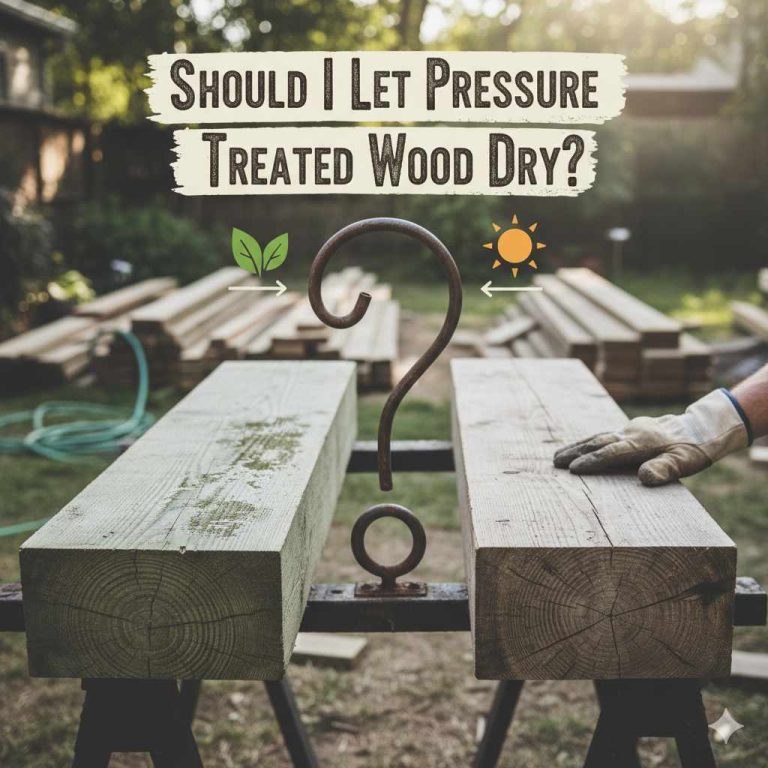
Some experts suggest that even with modern preservatives, allowing the wood to weather for a period before planting can further reduce potential chemical levels. Leaving the constructed raised beds empty for a few months, or even a full growing season, allows any surface chemicals to dissipate or leach out. This is especially true if the wood is exposed to rain and sun.
While the science on significant leaching from newer treatments is debated, this waiting period offers an added layer of confidence. It’s a simple step that doesn’t require much effort. You can construct your beds in the fall and wait until spring to plant, or build them and wait for a few rainstorms to pass.
This passive waiting period is a practical approach for gardeners who want to be extra cautious about the safety of their produce.
Factors Influencing Wood Longevity
The lifespan of any wood used in a garden depends on several factors. Even naturally resistant woods or treated woods will eventually show signs of wear and tear. Understanding these factors can help you choose the best material for your needs and ensure your raised beds last as long as possible, whether you choose treated wood or an alternative.
This knowledge helps you plan for the future of your garden.
Moisture and Soil Contact
Moisture is the primary enemy of wood. When wood is constantly wet, it becomes susceptible to rot and decay caused by fungi. Direct contact with soil also encourages this process because soil holds moisture and often contains microorganisms that break down wood.
This is why treated wood lasts longer outdoors; the chemicals resist these elements.
For untreated wood, minimizing moisture and soil contact is crucial. Using thicker boards, adding a gravel base for drainage, and ensuring the garden bed is not in a perpetually soggy area can help. For pressure treated wood, while the treatment offers protection, reducing prolonged direct contact with wet soil can still extend its life.
Good drainage in and around your raised beds is beneficial for both plant health and the longevity of the bed materials.
Wood Type and Quality
Different types of wood have varying natural resistances to decay. As mentioned, cedar and redwood are naturally durable. Pine and fir are less so, but they are often more affordable.
When buying lumber, look for boards that are free of large knots or cracks, as these can be weak points where moisture can enter and accelerate decay. Higher quality lumber will generally last longer, regardless of whether it’s treated or untreated.
The quality of the pressure treatment also plays a role. Ensure the wood you purchase has been treated according to industry standards. Poorly treated wood might not offer the expected protection.
Always check for stamps or labels indicating the treatment type and retention level. A higher retention level generally means more preservative chemicals have been forced into the wood, offering better protection but also potentially increasing concerns for some gardeners.
Environmental Conditions
The local climate plays a significant role in how long your raised beds will last. In areas with high humidity and frequent rainfall, wood will naturally decay faster than in dry, arid climates. Exposure to direct sunlight can also affect wood, causing it to dry out and crack over time, though this is less of a concern for rot.
Pests, like termites or carpenter ants, can also shorten the lifespan of wooden structures.
If you live in a region prone to these conditions, you might want to opt for more durable materials like metal, stone, or composite lumber. Alternatively, you could choose thicker untreated wood or ensure your pressure treated wood has a higher retention level. Regular maintenance, like sealing untreated wood or checking for damage, can also help prolong its life in challenging environments.
Is Pressure Treated Wood Safe for Raised Beds? Local Advice
The question, “Is Pressure Treated Wood Safe for Raised Beds? Local Advice” is one many gardeners ponder. Modern pressure treated wood, especially with copper-based preservatives, is generally considered safe for raised garden beds by many regulatory bodies and agricultural experts.
The risk of harmful chemicals leaching into the soil and affecting plants is typically very low. However, there’s no single answer that satisfies everyone. Some gardeners prefer to be extremely cautious, especially when growing food.
Local advice is invaluable because it considers regional regulations, common practices, and specific environmental factors. Your local cooperative extension office or master gardener program can offer the most relevant guidance. They understand the specific types of treated wood available in your area and any local concerns or recommendations.
This tailored advice helps you make the best decision for your garden and your peace of mind.
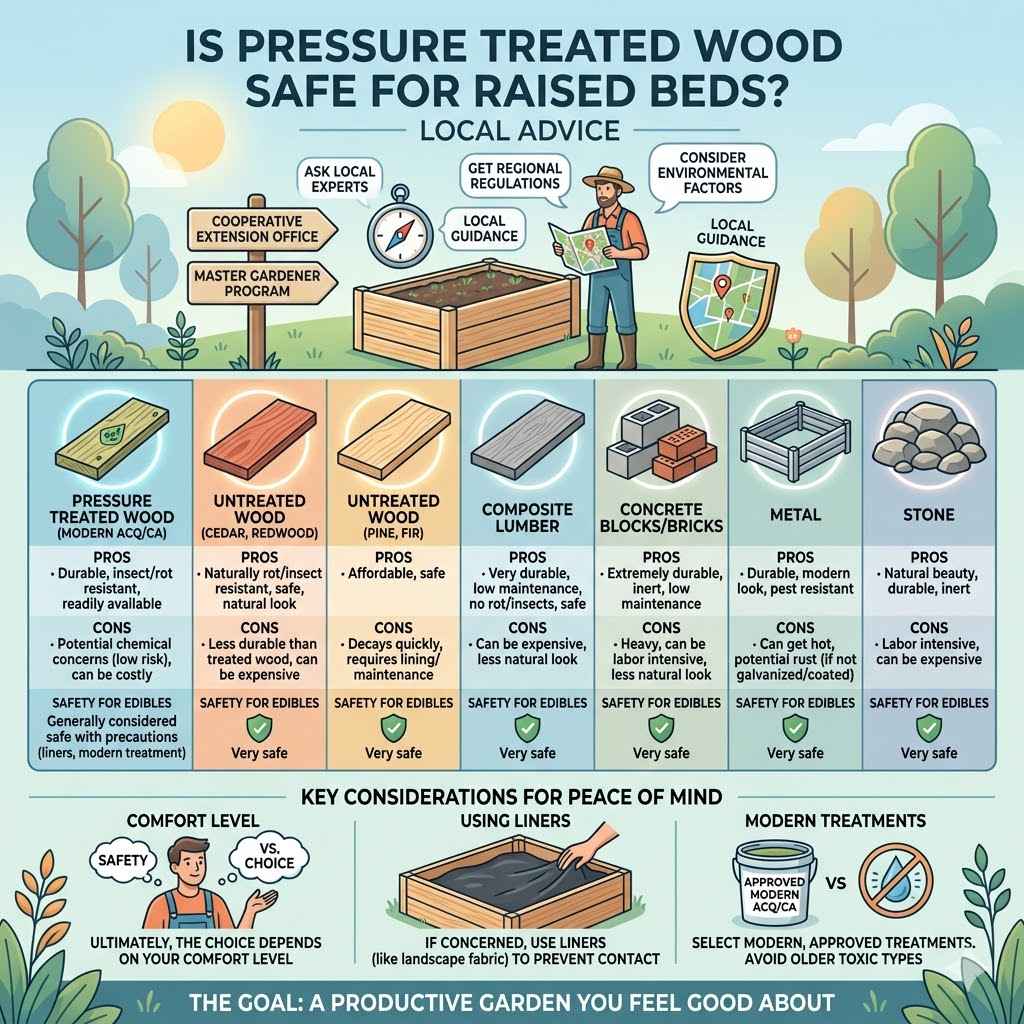
Ultimately, the choice depends on your comfort level. If you are concerned, using untreated wood, composite materials, metal, or stone are excellent safe alternatives. If you choose pressure treated wood, using liners and selecting modern, approved treatments are recommended steps.
The goal is to have a productive garden you feel good about.
| Material | Pros | Cons | Safety for Edibles |
|---|---|---|---|
| Pressure Treated Wood (Modern ACQ/CA) | Durable, insect/rot resistant, readily available | Potential chemical concerns (low risk), can be costly | Generally considered safe with precautions (liners, modern treatment) |
| Untreated Wood (Cedar, Redwood) | Naturally rot/insect resistant, safe, natural look | Less durable than treated wood, can be expensive | Very safe |
| Untreated Wood (Pine, Fir) | Affordable, safe | Decays quickly, requires lining/maintenance | Very safe |
| Composite Lumber | Very durable, low maintenance, no rot/insects, safe | Can be expensive, less natural look | Very safe |
| Concrete Blocks/Bricks | Extremely durable, inert, low maintenance | Heavy, can be labor intensive, less natural look | Very safe |
| Metal | Durable, modern look, pest resistant | Can get hot, potential rust (if not galvanized/coated) | Very safe |
| Stone | Natural beauty, durable, inert | Labor intensive, can be expensive | Very safe |
FAQ
Question: Is it safe to grow vegetables in raised beds made from pressure treated wood?
Answer: Modern pressure treated wood, using ACQ or CA treatments, is generally considered safe for raised garden beds by many experts. The risk of harmful chemicals leaching into your vegetables is typically very low. However, some gardeners prefer to use liners or choose untreated wood to be extra cautious.
Question: What are the safest types of wood for raised garden beds?
Answer: The safest types of wood for raised garden beds are untreated woods like cedar and redwood, which are naturally resistant to rot and insects. Untreated pine or fir are also safe but will decay faster. All these options pose no risk of chemical contamination to your plants.
Question: Can I use old pressure treated wood from a deck for my raised beds?
Answer: If the old pressure treated wood is from before the ban on arsenic-based treatments (CCA), it’s best to avoid using it for food gardens. If it’s newer, made with ACQ or CA, you can consider using it, but lining the beds with plastic is highly recommended to minimize any potential exposure.
Question: How long does pressure treated wood last in a raised bed?
Answer: Pressure treated wood can last anywhere from 10 to 20 years or even longer in raised garden beds, depending on the type of treatment, environmental conditions, and whether it’s in constant contact with wet soil. Untreated wood typically lasts 5 to 10 years, while cedar and redwood can last longer than that.
Question: What is the best alternative to pressure treated wood for raised beds?
Answer: Excellent alternatives include untreated cedar or redwood, composite lumber, concrete blocks, metal, or stone. These materials offer durability and peace of mind regarding food safety, with cedar and redwood being popular choices for their natural beauty and resistance.
Wrap Up
Deciding on materials for your raised garden beds is an important step. While modern pressure treated wood is generally considered safe, especially with proper precautions, alternatives like untreated wood, metal, or stone offer complete peace of mind. Always consider local advice for the best recommendations.
Choose what feels right for your garden.