Is Pressure Treated Wood Safe For Vegetable Gardens Alert
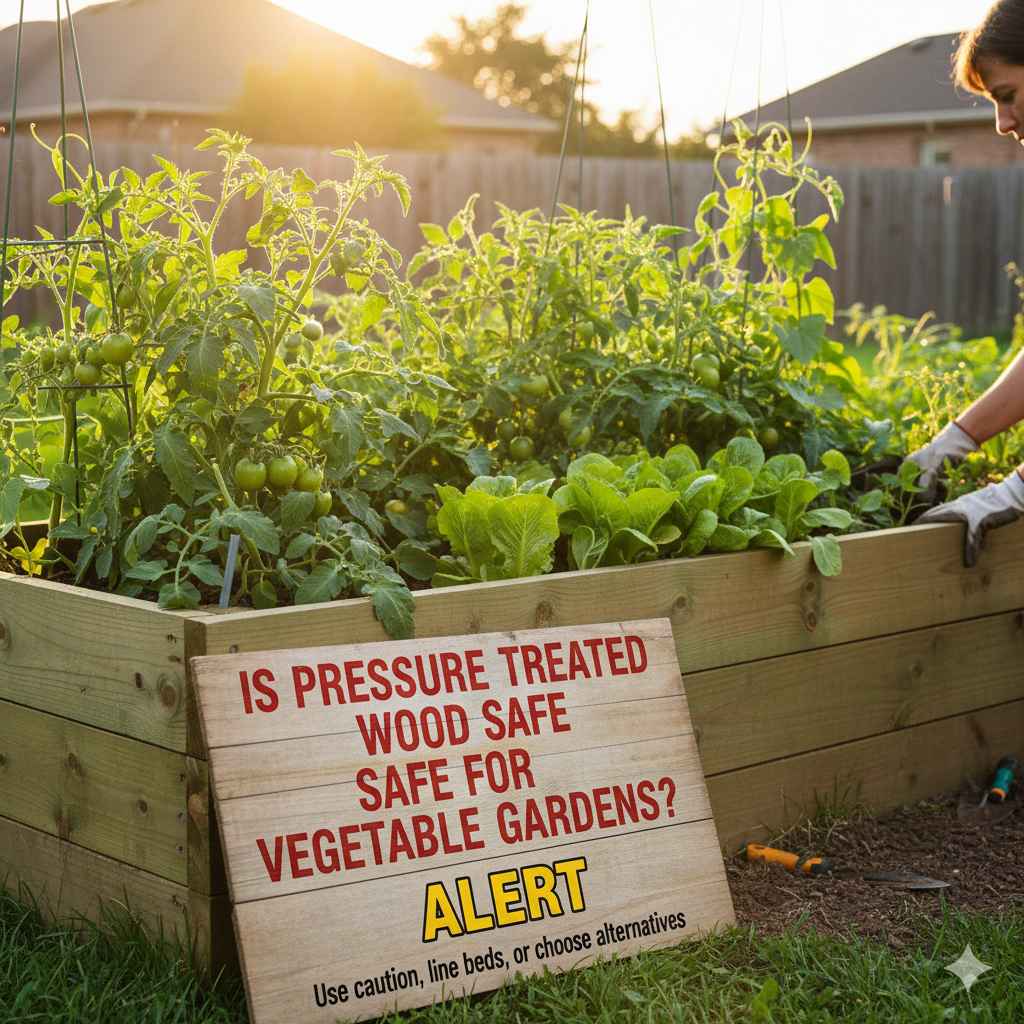
Yes, modern pressure-treated wood is considered safe for vegetable gardens. Wood treated after 2003 uses copper-based compounds (like ACQ and CA) instead of arsenic. These are much safer and bind tightly to the wood, leading to minimal leaching. For extra peace of mind, you can use a plastic liner inside your garden bed.
Thinking about building a raised garden bed? It’s a wonderful project that gives you so much control over your soil and plants. When you go to the lumber store, you’ll see pressure-treated wood. It’s affordable, strong, and lasts a very long time. But a big question pops into your head: is it safe to use around the food you’re going to eat?
It’s a very common worry, and you are smart for asking. For years, there was a lot of debate about this. The good news is that things have changed for the better. The chemicals used today are very different from the ones used decades ago.
Don’t worry, I’m here to clear up all the confusion. We are going to walk through what pressure-treated wood is, how it has changed, and the simple steps you can take to build a beautiful, long-lasting, and safe garden for your vegetables. Let’s dig in and get you the answers you need!
What is Pressure-Treated Wood, Anyway?
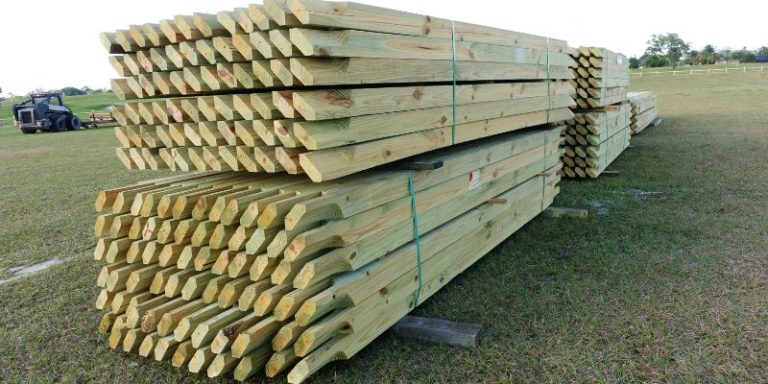
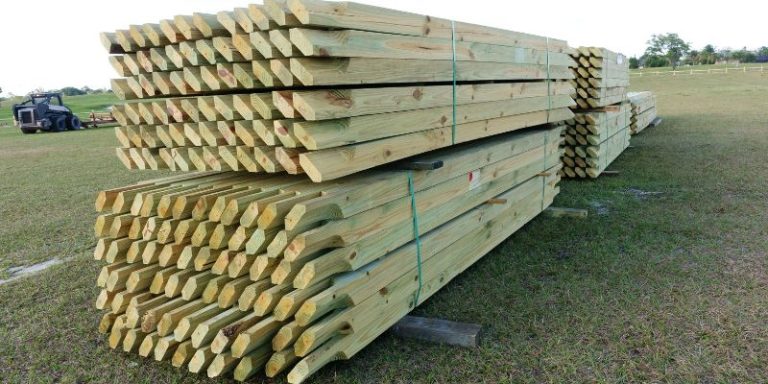
Before we talk about safety, let’s quickly cover what pressure-treated wood is. It sounds complicated, but the idea is simple. Regular wood, like pine, will rot quickly when it’s outdoors and touching damp soil. To make it last much longer, the wood goes through a special process.
Here’s how it works:
- The lumber is placed inside a big, sealed tank.
- A vacuum sucks all the air out of the tank and the wood’s tiny pores.
- The tank is then flooded with chemical preservatives.
- High pressure is applied, which forces these preservatives deep into the wood fibers.
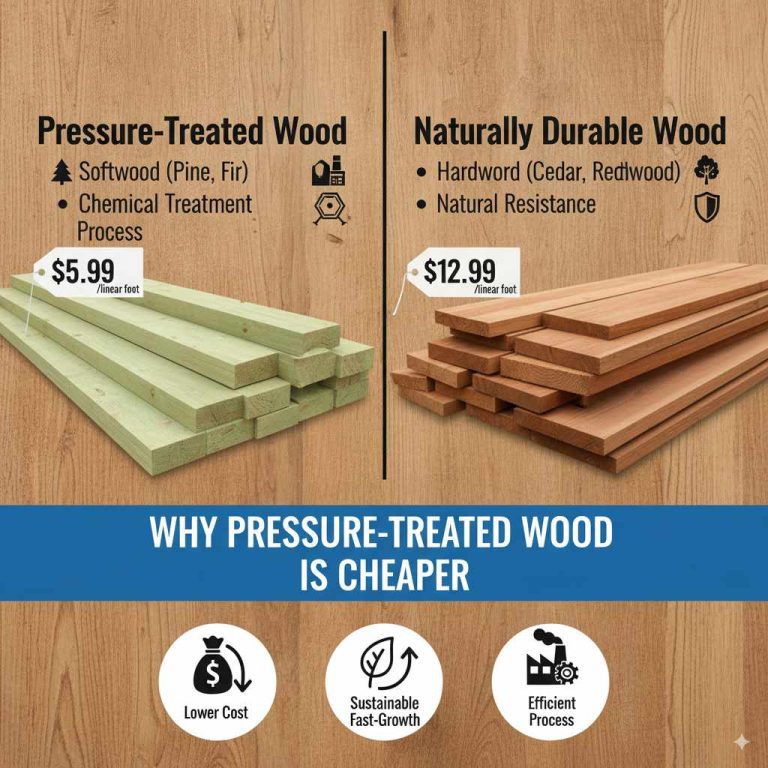
This process makes the wood highly resistant to two of a garden’s biggest enemies: rot and insects (like termites). That’s why it’s a popular choice for decks, fences, and, of course, raised garden beds. It’s an affordable way to build something that won’t fall apart in a few years.
The Big Change: Why Old Fears Don’t Apply Anymore
The main reason people worry about pressure-treated wood comes from the past. For a long time, the preservative used was called Chromated Copper Arsenate, or CCA. As you can guess from the name, it contained arsenic, which is a toxic substance. People were rightfully concerned that the arsenic could leach out of the wood, get into the soil, and be absorbed by the vegetables.
But here’s the most important thing you need to know: In 2003, the wood treatment industry voluntarily stopped using CCA for residential products. This was a huge change, guided by the U.S. Environmental Protection Agency (EPA). Any pressure-treated wood you buy today at a home improvement store for your garden project is not treated with arsenic.
Meet the New, Safer Chemicals
So, what are they using now? The new generation of wood preservatives is much safer for home and garden use. They are copper-based and work just as well at protecting the wood. Here are the most common types you’ll see:
- Alkaline Copper Quaternary (ACQ): This is one of the most common replacements for CCA. It’s made of copper and a quaternary ammonium compound, which is an effective fungicide and insecticide.
- Copper Azole (CA): Similar to ACQ, this preservative uses copper combined with an azole compound to protect the wood from decay and insects.
- Micronized Copper Quaternary (MCQ): This is a newer type. It uses very small, finely ground copper particles that are suspended in the treatment solution. These particles are forced into the wood without needing a solvent, which many people see as an environmental plus.
The key takeaway is that these modern treatments rely on copper as the main protective agent. Copper is a natural element that is far less toxic than arsenic. While high levels of copper can be a problem, studies have shown that the amount that leaches from modern treated wood is extremely small.
Let’s look at a simple comparison of the old versus the new treatments.
| Feature | Old CCA (Pre-2004) | Modern ACQ, CA, MCQ (Post-2003) |
|---|---|---|
| Main Active Ingredient | Arsenic, Chromium, Copper | Copper |
| Main Health Concern | Arsenic leaching into soil | Very low risk; minimal copper leaching |
| Approved for Residential Use? | No (phased out in 2003) | Yes |
| Best for Vegetable Gardens? | No, should not be used. | Yes, considered safe with simple precautions. |
How to Use Pressure-Treated Wood Safely in Your Garden
Even though modern treated wood is safe, taking a few extra steps can give you complete peace of mind. Think of it as being extra careful with the place where you grow your family’s food. These simple tips are easy to follow and ensure your garden is as safe as it can be.
1. Check the Label on the Wood
When you buy your lumber, look for the small tag stapled to the end of each board. This tag contains important information. It will tell you what chemical was used (look for “ACQ” or “CA”) and confirm that it does not contain arsenic. It will also tell you what the wood is rated for. For a garden bed that sits on the ground, you want wood rated for “Ground Contact.” This means it has a higher level of treatment to protect it from constant moisture.
2. Add a Protective Liner
This is my top recommendation for anyone who still feels a little worried. Installing a physical barrier between the treated wood and your garden soil is the ultimate failsafe. It’s cheap, easy, and removes any lingering doubt.
You can use a heavy-duty, food-grade plastic sheeting. Look for something like a 6-mil polyethylene sheet. Simply cut it to size and staple it to the inside walls of your raised bed before you add the soil. Make sure the plastic goes all the way down to the bottom of the wood frame but leave the bottom of the bed open to the ground for proper drainage.
3. Keep Soil Away from the Edges
If you choose not to use a liner, you can still minimize contact. When filling your bed with soil, try to create a small gap or a buffer zone. For example, you could plant your root vegetables, like carrots and potatoes, toward the center of the bed, and leafy greens or climbing plants closer to the edges. Research from university extension programs has shown that any leached copper typically only moves an inch or two into the soil.
4. Maintain Healthy, Organic Soil
Good news for organic gardeners! Soil that is rich in organic matter (like compost) is fantastic at binding to minerals. The organic material in the soil can lock up the tiny amount of copper that might leach from the wood, making it unavailable for plants to absorb. So, by continuing to add compost to your garden each year, you are not only feeding your plants but also creating an even safer growing environment.
5. Wash Your Produce
This is a good practice no matter where you grow your food! Always wash your vegetables thoroughly before eating them. This removes any soil particles that might be clinging to the surface. It’s a simple and effective final step to ensure your food is clean and ready to enjoy.
Alternatives to Pressure-Treated Wood
If you’ve read all this and still feel hesitant, that’s completely okay! Building a garden should be a joyful experience, not a source of worry. The great news is that there are many other excellent materials you can use to build your raised beds. Here are some of the most popular alternatives:
Naturally Rot-Resistant Woods
Some types of wood have natural oils and compounds that help them resist rot and insects without any chemical treatment. They are beautiful and completely safe, though they often cost more than treated pine.
- Cedar: This is a top choice for garden beds. It looks great, smells wonderful, and can last for 10-15 years or more.
- Redwood: Like cedar, redwood is naturally durable and long-lasting. It’s often used in regions where it’s more readily available.
- Black Locust: This is a less common but incredibly durable hardwood. A black locust raised bed can last for decades.
Composite Materials
Composite decking boards are made from a mix of recycled plastic and wood fibers. They are designed to last for a very long time with no maintenance. They won’t rot, warp, or crack, and since they are inert, there is no concern about anything leaching into your soil. The main downside is the higher upfront cost.
Metal and Stone
For a different look, you can move away from wood altogether. Galvanized steel beds have become very popular. They are easy to assemble, heat up quickly in the spring, and are very durable. Cinder blocks, bricks, or natural stone are other fantastic options that will last a lifetime, though they require more labor to install.
Untreated Wood
You can always use standard, untreated lumber like pine or fir. This is by far the cheapest option. The trade-off is durability. An untreated pine bed will likely only last 2-4 years before it starts to rot and fall apart. It can be a good choice if you’re on a tight budget or want to try out raised bed gardening before committing to a more expensive material.
Here is a quick comparison of the different materials you can use for your raised garden bed:
| Material Type | Approximate Lifespan | Cost | Safety Concern |
|---|---|---|---|
| Modern Pressure-Treated Wood | 15+ years | Low | Very Low (Copper-based) |
| Cedar / Redwood | 10-15 years | High | None |
| Composite Boards | 25+ years | Very High | None |
| Galvanized Steel | 20+ years | Medium | None |
| Untreated Pine | 2-4 years | Very Low | None |
Safety Tips for Working with Pressure-Treated Wood
Whenever you are cutting or handling treated wood, it’s important to follow a few basic safety rules. The preservatives are locked into the wood, but sawdust can release small particles.
- Wear Gloves: It’s a good idea to wear work gloves when handling the lumber to avoid splinters.
- Use a Mask and Goggles: When cutting, always wear a dust mask and safety goggles to protect your lungs and eyes from sawdust.
- Cut Outdoors: Do all your cutting in a well-ventilated area, preferably outdoors.
- Wash Your Hands: After you finish working with the wood, wash your hands thoroughly with soap and water, especially before eating or drinking.
- Never Burn It: This is a critical rule. Never, ever burn scraps of pressure-treated wood. Burning it can release the chemical preservatives into the air as toxic smoke. Dispose of scraps with your regular trash, as recommended by sources like the University of Maryland Extension.
Frequently Asked Questions (FAQ)
1. How can I tell if treated wood is old CCA or new ACQ?
Newer, safer wood often has a cleaner, less “blotchy” green or brown tint. The most reliable way is to check the tag on the end of the board, which will list the preservative used (e.g., ACQ, CA). If you are looking at an existing structure and are unsure, it’s best to assume any wood installed before 2004 is CCA-treated and take precautions like adding a liner.
2. Can I apply a sealer or paint to my treated wood garden bed?
Yes, and it’s a good idea! Applying a water-based sealer or an exterior-safe paint can add another protective layer. It helps to further lock in the preservatives and can also extend the life of the wood by protecting it from sun and water damage. Just make sure the wood is completely dry before you apply any finish.
3. What should I do if my existing garden is made with old CCA wood?
If you discover your old garden bed is made with CCA wood, don’t panic. The risk is still relatively low, but it’s wise to take action. The easiest solution is to add a heavy-duty plastic liner to the inside walls to create a barrier. You can also consider replacing the boards with new, safer material when you have the chance.
4. Is the green or brown color of the wood the actual chemical?
Not exactly. The copper in the treatment gives the wood a faint greenish hue. Many manufacturers also add a color tint (often brown) to the treatment to make the wood look more appealing. This color will fade over time with exposure to the sun, but the preservative protection will still be deep within the wood.
5. How long will a modern pressure-treated wood raised bed really last?
When you use wood rated for “Ground Contact,” you can expect your raised bed to last for a very long time, often 15 years or more. The wood is specifically treated to withstand constant contact with damp soil, which is exactly what a raised bed does.
6. Is the wood safe for kids and pets to be around?
Yes, modern treated wood is approved for residential uses where people, including children and pets, will be in contact with it, such as on decks and playsets. The preservatives are tightly bound to the wood fibers. As a general rule, just make sure no one is chewing on the wood and that everyone washes their hands after playing in the garden.
7. Will the treated wood affect my organic gardening certification?
This is an important question for serious organic gardeners. According to the USDA National Organic Program standards, pressure-treated wood is not allowed to be used in new installations where it comes into contact with the soil. If you are seeking official organic certification, you must choose an alternative material like untreated wood, stone, or metal.
Conclusion: Build Your Garden with Confidence
So, is pressure-treated wood safe for your vegetable garden? The clear answer is yes, as long as you are using the modern, copper-based wood sold in stores today. The scary stories you may have heard were about an old, arsenic-based product that hasn’t been used for residential projects in nearly two decades.
Building a garden should be an exciting and rewarding process. By choosing modern pressure-treated lumber, you are picking a material that is affordable, strong, and will give you a sturdy garden bed for many years of happy harvesting. For that extra layer of confidence, adding a simple plastic liner inside the bed is an easy step that removes any possible doubt.
You are now equipped with the right information to make a safe and smart choice for your garden. So go ahead, grab your tools, and start building that raised bed you’ve been dreaming of. You can feel good knowing that you are creating a wonderful, safe space to grow delicious, healthy food for you and your family.