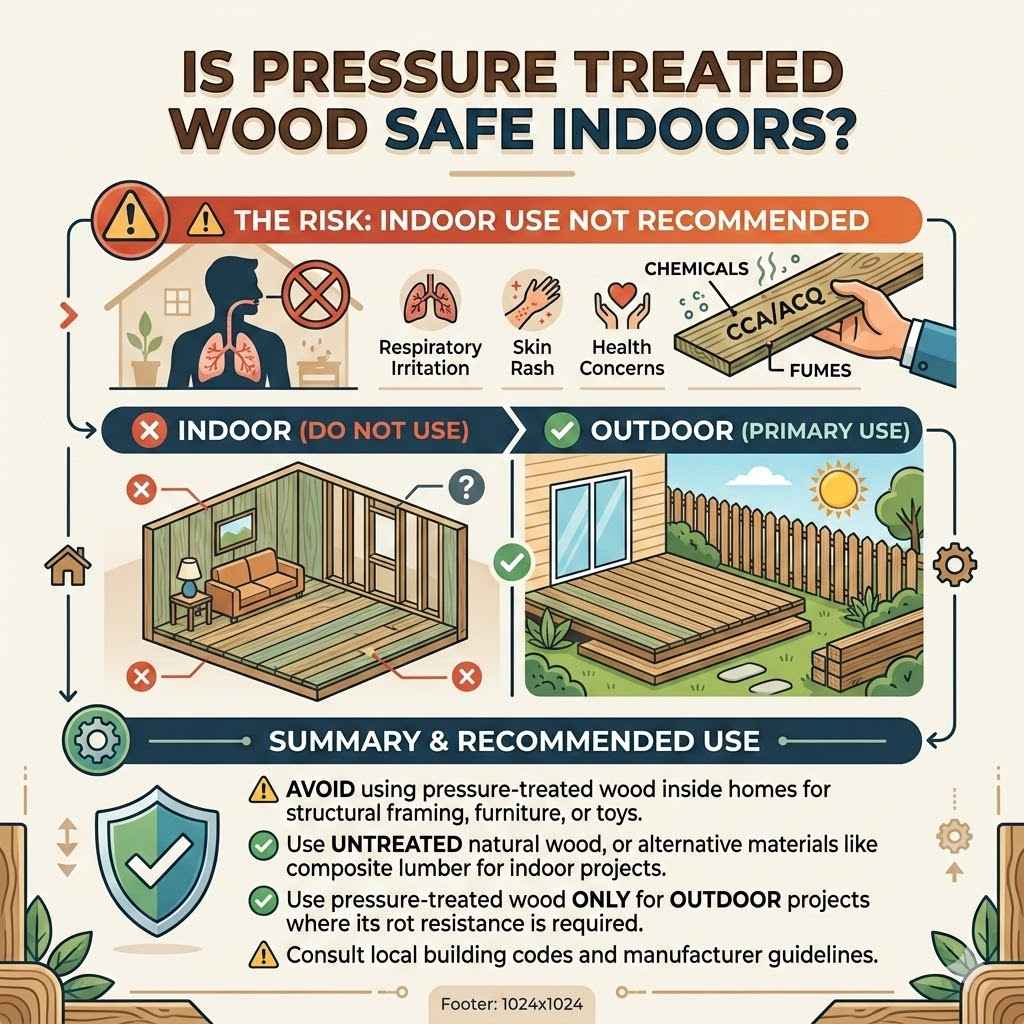
Is Pressure Treated Wood Safe Indoors?
Many people wonder, “Is Pressure Treated Wood Safe Indoors?” This is a common question, especially for DIYers or those renovating their homes. It can seem a bit confusing because this wood is treated to last a long time outdoors, so its use inside might raise concerns. Don’t worry, this article breaks it down simply. We will explore what makes this wood different and help you understand if it’s a good choice for your indoor projects, step by step.
Understanding Pressure Treated Wood
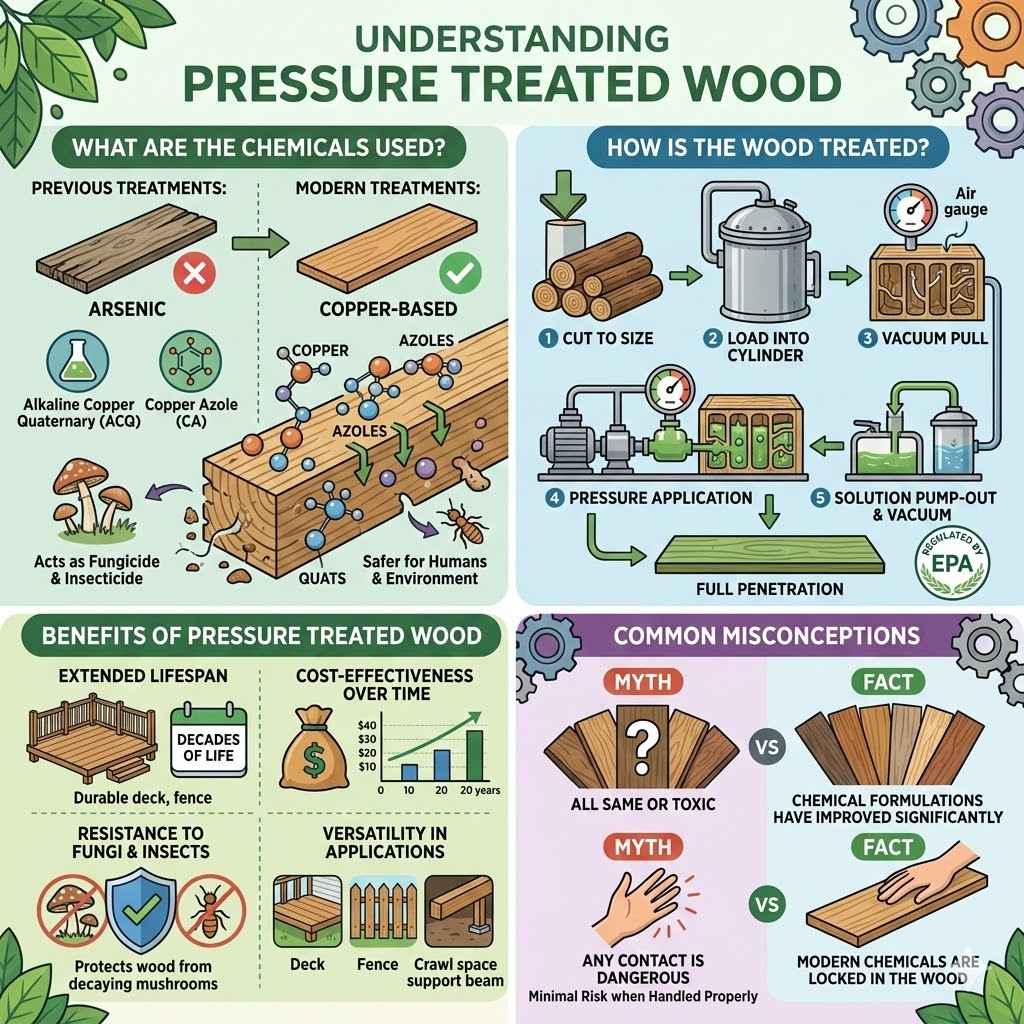
Pressure treated wood is a popular building material because it’s designed to resist rot, decay, and insects. This makes it last much longer than untreated wood, especially when exposed to moisture and pests. The treatment process involves forcing special chemicals deep into the wood fibers under high pressure. These chemicals are what give the wood its protective qualities.
What Are the Chemicals Used?
The chemicals used in pressure treating wood have evolved over time. Early treatments sometimes used arsenic, which raised significant health concerns. Modern treatments typically use copper-based preservatives, often combined with other chemicals like azoles or quaternary ammonium compounds. These newer formulations are designed to be effective against biological attack while also being safer for human contact and the environment.
The most common copper-based treatment is Alkaline Copper Quaternary (ACQ). Another common one is Copper Azole (CA). These chemicals work by making the wood toxic to fungi that cause rot and insects like termites that can eat away at it. The copper acts as a fungicide and insecticide, while the organic co-biocides provide additional protection.
How Is the Wood Treated?
The pressure treating process is quite specific. First, the wood is cut to size. Then, it’s loaded into a large steel cylinder. The cylinder is sealed, and then a vacuum is pulled to remove air from the wood cells. After the vacuum, the preservative solution is introduced into the cylinder, and pressure is applied. This high pressure forces the preservative deep into the wood. Once the desired amount of preservative is absorbed, the remaining solution is pumped out, and another vacuum is applied to remove excess solution from the wood’s surface. This method ensures the chemicals penetrate the wood evenly and deeply, providing maximum protection.
The specific chemicals and their concentrations are regulated by government agencies to ensure safety and effectiveness. For example, in the United States, the Environmental Protection Agency (EPA) registers these wood preservatives. This means they have been reviewed for their safety and efficacy.
Benefits of Pressure Treated Wood
The primary benefit of pressure treated wood is its enhanced durability. It can withstand conditions that would quickly degrade untreated lumber.
Extended Lifespan
This wood is engineered to resist decay and insect damage, meaning it lasts significantly longer. Structures built with it can stand strong for decades, reducing the need for frequent replacements. This durability makes it ideal for outdoor applications like decks, fences, and pergolas, but also for certain indoor uses where moisture or pest risk is high.
Cost-Effectiveness Over Time
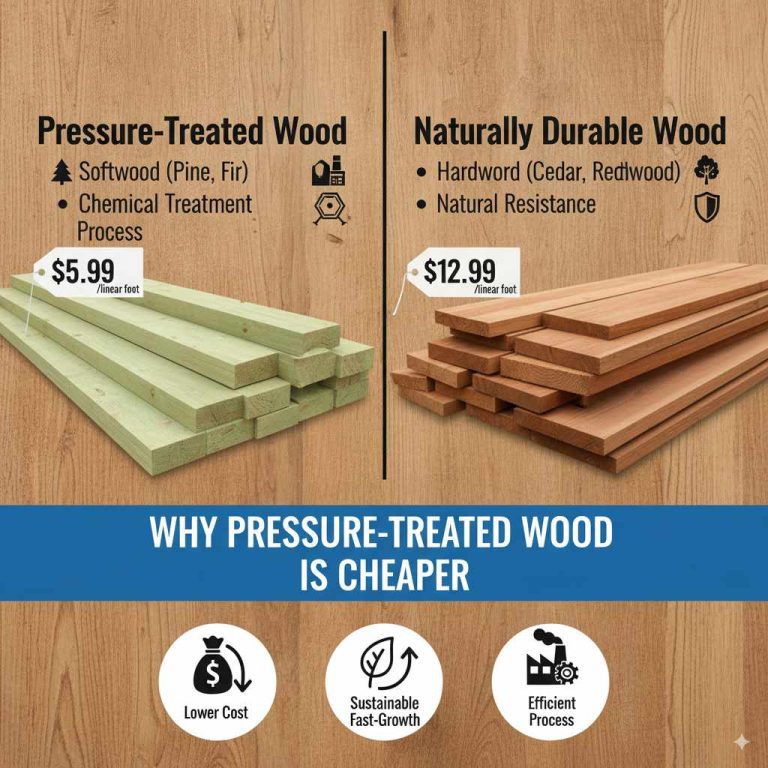
While the initial cost might be slightly higher than untreated wood, the longevity of pressure treated lumber often makes it more cost-effective in the long run. You save money on repairs and replacements over the lifespan of your project. This long-term value is a major draw for builders and homeowners alike.
Resistance to Fungi and Insects
The chemicals infused into the wood create a barrier that pests and fungi cannot penetrate. This is crucial for preventing structural damage and maintaining the aesthetic appeal of wood projects. It provides peace of mind that your investment is protected from common wood destroyers.
Versatility in Applications
Its robust nature makes it suitable for a wide range of projects. While commonly seen outdoors, it can also be used in basements, crawl spaces, or other areas prone to moisture or pest activity where regular wood might fail.
Common Misconceptions
One of the biggest misconceptions is that all pressure treated wood is the same, or that it’s inherently toxic. This is not accurate as chemical formulations have improved significantly. Another misconception is that any amount of contact is dangerous. With modern treatments, the chemicals are locked into the wood and pose minimal risk when handled properly.
Is Pressure Treated Wood Safe Indoors
The question of whether pressure treated wood is safe for indoor use is one many homeowners grapple with. The primary concern usually stems from the chemicals used in the treatment process and whether they can off-gas or leach into the indoor environment. However, with advancements in treatment technology and specific use guidelines, the answer is often yes, but with important considerations.
Understanding Indoor Applications
When considering pressure treated wood for indoor projects, it’s crucial to differentiate between structural and decorative uses. For structural components like floor joists in basements or subflooring in damp areas, pressure treated wood can be a practical and safe choice. Its resistance to moisture and pests is invaluable in these environments.
However, for visible, decorative elements or areas with frequent direct contact, like furniture or children’s play areas, extra caution is advised. While modern treatments are safer, the primary purpose of the treatment is for outdoor durability. Understanding the specific treatment level and intended use is key to making an informed decision for your indoor space.
Assessing Health Concerns
Modern pressure treated wood uses copper-based preservatives that are considered safe for residential use when handled and installed according to manufacturer guidelines. The chemicals are bound within the wood structure, significantly reducing the risk of airborne particles or leaching.
The primary chemicals used are ACQ (Alkaline Copper Quaternary) and CA (Copper Azole). These are less toxic than older arsenic-based treatments like CCA (Chromated Copper Arsenate), which is no longer permitted for residential use in most places.
Low VOC Emissions
Volatile Organic Compounds (VOCs) are chemicals that can evaporate into the air. Modern pressure treated wood has very low VOC emissions, meaning they contribute minimally to indoor air quality issues. This is a significant improvement over older wood treatments.
Chemical Leaching
The copper and other preservatives in pressure treated wood are designed to remain within the wood fibers. Leaching is minimal, especially in dry indoor environments. However, prolonged contact with water could potentially lead to some leaching, which is why it’s generally not recommended for direct contact with drinking water sources.
Handling Precautions
While generally safe, it’s always wise to take basic precautions when working with pressure treated wood. This includes wearing gloves and a dust mask when cutting or sanding to avoid inhaling sawdust. Always wash your hands after handling the wood. These simple steps ensure minimal exposure to any residual treatment chemicals.
When Is It Not Recommended Indoors?
There are certain situations where pressure treated wood is best avoided for indoor applications. These typically involve scenarios where there’s a higher risk of exposure or where the benefits of the treatment are not needed.
Food Preparation Surfaces
For countertops or any surface that will directly come into contact with food, pressure treated wood is not recommended due to the potential for chemical transfer. Untreated or specifically food-safe woods should be used instead.
Children’s Play Areas
While modern treatments are much safer, it’s prudent to avoid using pressure treated wood for indoor furniture or structures that young children will be in constant, close contact with, especially if they tend to put objects in their mouths. Using untreated or specially finished woods is a safer alternative for these sensitive areas.
Areas with No Moisture or Pest Risk
If your indoor space is dry, well-ventilated, and free from pest concerns, using pressure treated wood is often unnecessary. Standard construction lumber will suffice and may offer a more natural aesthetic without the treatment.
Regulatory Standards and Certifications
Many countries have regulations governing the use of pressure treated wood. In the US, the EPA registers wood preservatives. Products intended for residential use must meet specific safety standards. Look for labels that indicate the wood is treated for residential use.
American Wood Protection Association (AWPA) Standards
The American Wood Protection Association (AWPA) sets standards for wood preservatives and treatment processes. Products meeting AWPA standards are considered safe and effective for their intended uses. These standards ensure that the wood has been treated with appropriate chemicals at the correct retention levels.
Grading and Labeling
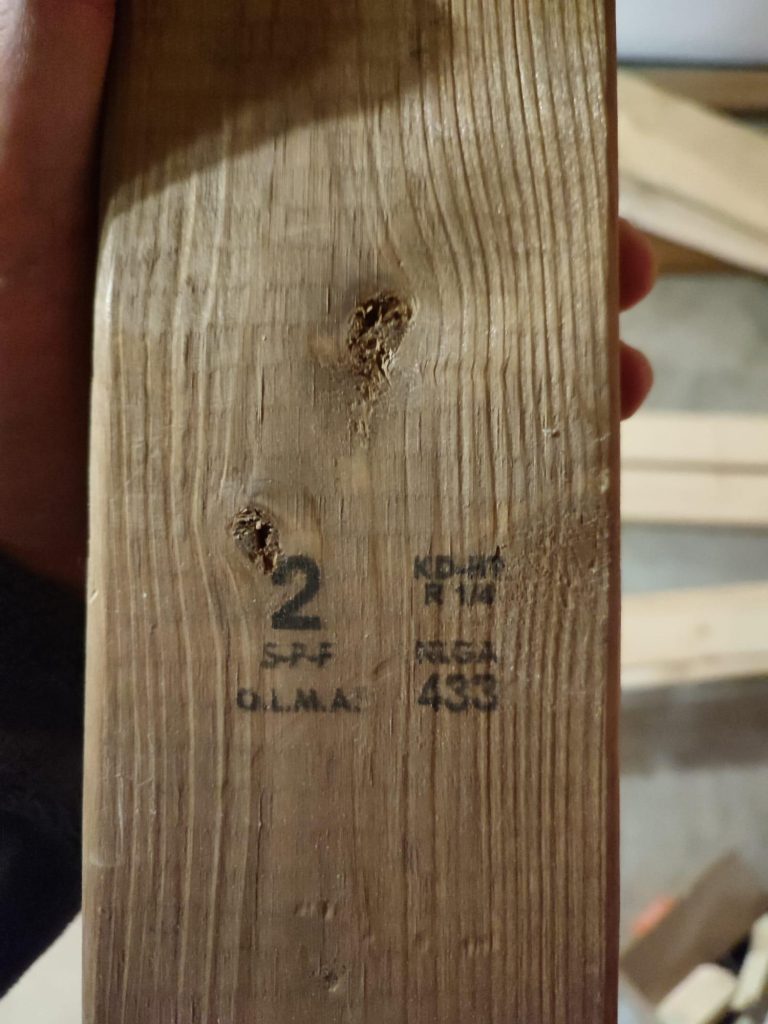
Treated wood products are often stamped or labeled with information about the type of treatment and its intended use (e.g., “Above Ground Use,” “Ground Contact”). For indoor applications, especially in basements or garages, look for wood rated for “Above Ground Use” unless it’s in a specifically damp environment where “Ground Contact” might be specified by building codes.
Real-Life Examples
Many homes effectively utilize pressure treated wood indoors without issue. For instance, homeowners often build decks or platforms in basements using pressure treated lumber to protect against potential moisture problems. This ensures the structural integrity of the floor and prevents costly repairs down the line due to rot or mold.
Another common application is in garages or workshops where spills might occur or where the environment is less controlled than a typical living space. Using treated wood for shelving or workbenches in these areas provides durability and resistance to damage.
Case Study Basement Remodel
A homeowner in a flood-prone area decided to finish their basement. They used pressure treated lumber for all the framing and subflooring, especially near the concrete slab. Even after a minor basement flood incident a year later, the structural elements remained sound and free from rot, showcasing the protective benefits of the treated wood. This saved them from extensive demolition and repair work.
Scenario Garage Shelving
Imagine building a robust shelving unit in your garage. You want it to hold heavy tools and supplies. Using standard pine might lead to sagging or degradation if you spill oil or water. Opting for pressure treated lumber for the shelf frames ensures a strong, long-lasting structure that can handle the demands of a workshop environment.
Pressure Treated Wood Treatment Levels Explained
The “level” of treatment refers to how much preservative is retained within the wood. Different applications require different levels of protection. For indoor use, understanding these levels helps ensure you’re using the right wood without over-treating or under-treating for the situation.
Understanding Different Treatment Categories
Wood is treated to various retention levels based on its intended use. These levels dictate how much chemical preservative is absorbed by the wood per cubic foot. Higher retention levels are generally for applications with greater exposure to moisture or direct contact with the ground.
Common Treatment Levels and Their Uses
Above Ground Use (often designated as “GC” for Ground Contact if it can also be used that way)
This is the most common treatment level for many applications. It provides good protection against decay and insects for wood that is not in direct contact with soil. For indoor use, especially in dry conditions, this level is usually sufficient.
Wood treated for above-ground use is ideal for framing, decking joists, fence posts that are not directly buried, and other applications where the wood is elevated and has good air circulation. It offers a balance of protection and cost.
Ground Contact
This level of treatment involves a higher retention of preservatives. It is designed for wood that will be in direct contact with soil or subject to constant dampness, like fence posts set in the ground or structural elements in very damp basements.
Using ground contact treated wood indoors is generally only necessary if the area has a high risk of constant moisture or pest infestation. It provides the highest level of protection against rot and insects, but it’s often more than needed for typical indoor applications.
Marine Use
This is the highest level of treatment, designed for wood submerged in saltwater or freshwater. It offers maximum protection against decay, marine borers, and other harsh aquatic conditions.
Marine-treated wood is almost never required or recommended for indoor use. Its high concentration of preservatives and cost make it impractical for residential interior projects.
Choosing the Right Level for Indoor Projects
For most indoor projects, such as framing in a basement, building shelves in a garage, or creating subflooring in a damp area, “Above Ground Use” treated wood is typically sufficient and the most appropriate choice. It offers adequate protection without unnecessary cost or chemical exposure.
If you are building something in an area that is consistently damp or where there is a known pest problem that standard wood won’t handle, then “Ground Contact” treated wood might be considered. However, it is always best to consult local building codes or a professional if you are unsure.
Visual Indicators of Treatment Level
You can often tell the treatment level by the color and the way the wood feels. Freshly treated wood, especially with copper-based preservatives, will have a greenish or bluish tint. As it dries and ages, this color fades to a more natural wood tone.
Higher retention levels might result in a slightly heavier wood or a more noticeable surface treatment, though this is not always a reliable indicator. The most accurate information comes from the product’s label or stamp. Always check for markings indicating the treatment level and intended use.
How to Work Safely with Pressure Treated Wood Indoors
Even though modern pressure treated wood is considered safe for most indoor applications, it’s important to follow some basic safety guidelines, especially when cutting or sanding. These practices minimize your exposure to sawdust, which can contain small amounts of the treatment chemicals.
Protective Gear is Key
When you cut, sand, or drill pressure treated wood, you create sawdust. This sawdust can be irritating to the skin and lungs. Wearing appropriate personal protective equipment (PPE) is the simplest way to protect yourself.
Gloves
Wear work gloves when handling pressure treated lumber. This prevents any direct skin contact with the wood, which is especially important if you have sensitive skin. It also keeps your hands clean.
Eye Protection
Always wear safety glasses or goggles when cutting or drilling. Sawdust can fly into your eyes and cause irritation or injury. Protecting your eyes is a fundamental safety practice for any DIY project.
Dust Mask or Respirator
When cutting or sanding, wear a dust mask or a respirator. This prevents you from inhaling wood dust. For extensive work, a respirator designed for fine dust particles offers better protection.
Proper Cutting and Sanding Techniques
The way you cut and sand the wood also affects the amount of dust produced and how it disperses. Using the right tools and techniques can help manage dust.
Use Sharp Blades
Sharp saw blades create cleaner cuts with less friction, which can produce less airborne dust compared to dull blades. For circular saws and miter saws, use blades specifically designed for cutting lumber.
Cut Outdoors When Possible
If you have the option, cut and sand pressure treated wood outdoors. This way, any dust created is dispersed into the open air and doesn’t accumulate in your indoor living space. This is the best practice for minimizing indoor dust.
Clean Up Thoroughly
After cutting or sanding, clean up all sawdust promptly. Use a vacuum cleaner with a HEPA filter for best results. Avoid dry sweeping, which can stir up dust into the air. Dispose of sawdust properly in a sealed bag.
Disposal of Treated Wood Scraps
Disposing of pressure treated wood scraps is also important. It’s generally not recommended to burn pressure treated wood, as the burning process can release harmful chemicals into the air.
Check with your local waste disposal services for specific guidelines on how to dispose of treated wood. Often, it can be disposed of with regular household trash, but some areas may have specific requirements.
Sealing Treated Wood for Indoor Use
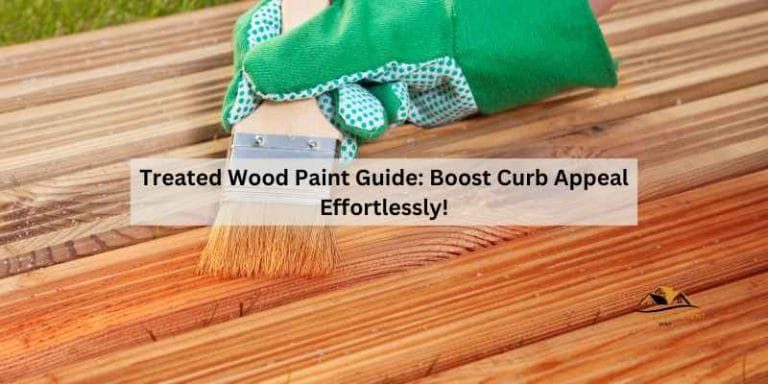
For added peace of mind, especially if you’re concerned about aesthetics or potential minor exposure, you can seal the pressure treated wood. Applying a sealant or a good quality paint can further encapsulate the wood and reduce any potential for chemical release.
This is particularly relevant if you are building furniture or shelving that will be in a highly visible indoor area. A coat of sealant or paint not only protects the wood but also provides a finished look.
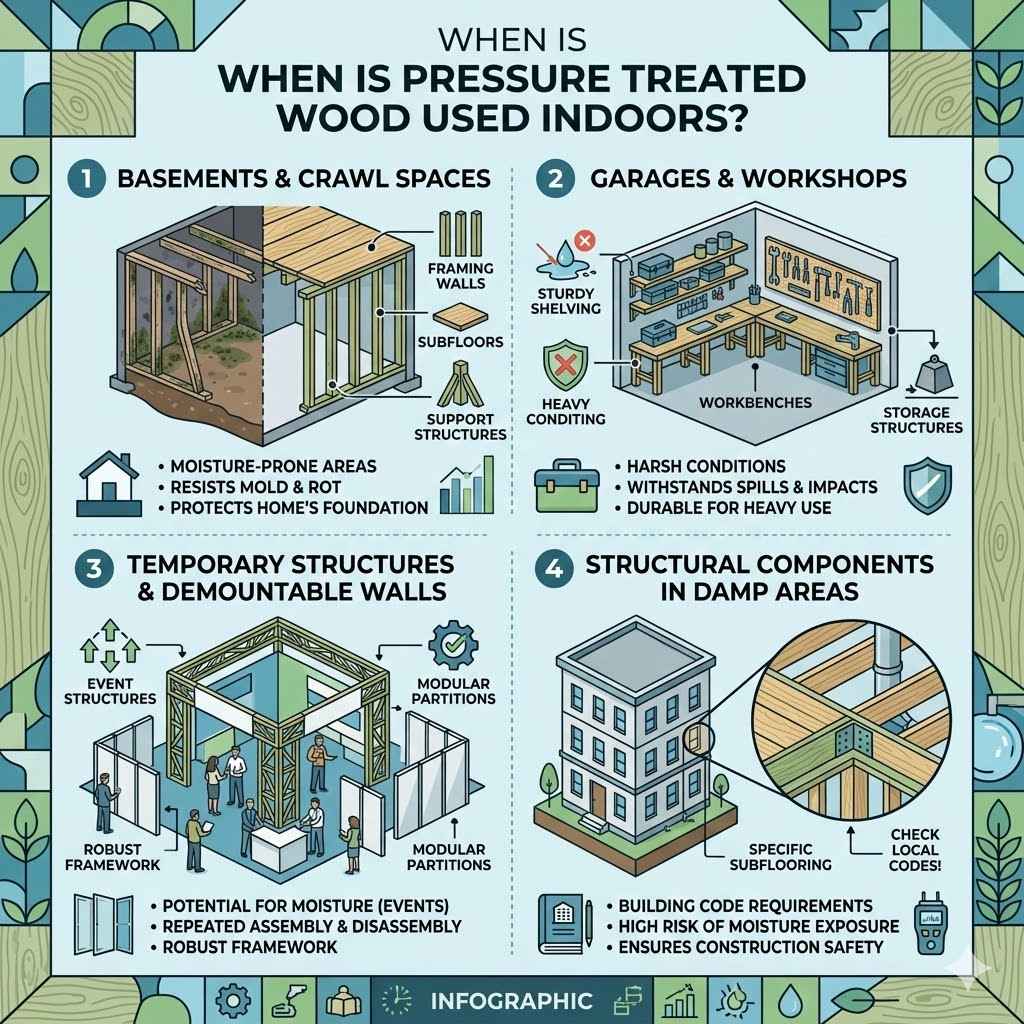
When Is Pressure Treated Wood Used Indoors
Pressure treated wood finds its way into indoor applications for very practical reasons, primarily related to durability and resistance to environmental challenges. While its outdoor reputation is strong, its indoor uses are often focused on specific problem areas.
Basements and Crawl Spaces
These areas are often prone to moisture, which can lead to mold, mildew, and rot in untreated wood. Using pressure treated lumber for framing walls, building subfloors, or creating support structures in basements and crawl spaces provides long-term protection against these issues.
The wood’s resistance to decay means that even if minor water intrusion occurs, the structural integrity of the project is maintained. This makes it a smart choice for ensuring the longevity of your home’s foundation and lower levels.
Garages and Workshops
These utilitarian spaces often experience harsher conditions than main living areas. Spills of oil, chemicals, or water are common, and pest infestations can sometimes occur. Pressure treated wood is ideal for building sturdy shelving units, workbenches, and storage structures in these environments.
Its resilience means it can withstand heavy use, potential impacts, and exposure to various substances without degrading. This makes it a practical and durable material for busy workshops and garages.
Temporary Structures or Demountable Walls
In some commercial or event settings, temporary structures or partitions might be built. If these are located in areas with potential for moisture or if they need to be particularly robust for repeated assembly and disassembly, pressure treated wood can be used.
Its durability ensures it can withstand the stresses of being put up and taken down multiple times. However, for purely decorative or temporary indoor features in dry, controlled environments, other materials might be more suitable.
Structural Components in Damp Areas
Building codes sometimes require pressure treated lumber for structural components in areas with a high risk of moisture exposure, even if they are indoors. This could include certain types of subflooring or framing in specific climates or building types.
Always check your local building codes to ensure you are using the correct materials for structural applications. Building codes are designed to ensure safety and durability in construction.
Frequently Asked Questions
Question: Is pressure treated wood safe for children’s indoor furniture?
Answer: While modern treatments are much safer than older ones, it is generally recommended to use untreated or specially finished woods for indoor furniture that children will have close contact with, especially if they are prone to putting objects in their mouths. The risk is low, but caution is advised.
Question: Can I paint or stain pressure treated wood indoors?
Answer: Yes, you can paint or stain pressure treated wood indoors. It is often recommended to wait until the wood has dried out sufficiently (typically a few weeks to a few months, depending on conditions) before applying finishes. Painting or staining can also help encapsulate any remaining treatment chemicals.
Question: What is the difference between ACQ and CCA treated wood?
Answer: ACQ (Alkaline Copper Quaternary) is a modern copper-based preservative that replaced CCA (Chromated Copper Arsenate). CCA, which contained arsenic, is no longer permitted for residential use due to health concerns. ACQ is considered much safer for residential applications.
Question: Does pressure treated wood off-gas chemicals indoors?
Answer: Modern pressure treated wood has very low VOC emissions and the chemicals are bound within the wood fibers. Therefore, off-gassing of harmful chemicals indoors is minimal and generally not a significant concern for most applications when handled and installed properly.
Question: Is it safe to use pressure treated wood for a subfloor in a basement?
Answer: Yes, it is generally considered safe and often recommended to use pressure treated wood for subflooring in basements, especially in areas prone to moisture. It provides excellent protection against rot and decay, ensuring the longevity of your flooring.
Summary
Pressure treated wood can be safe for indoor use, particularly in areas like basements and garages where moisture or pest resistance is beneficial. Modern treatments are significantly safer than older versions. Always follow handling guidelines, use protective gear when cutting, and check local codes for specific applications to ensure a healthy and durable indoor environment.