The Origins of “Ratchet”
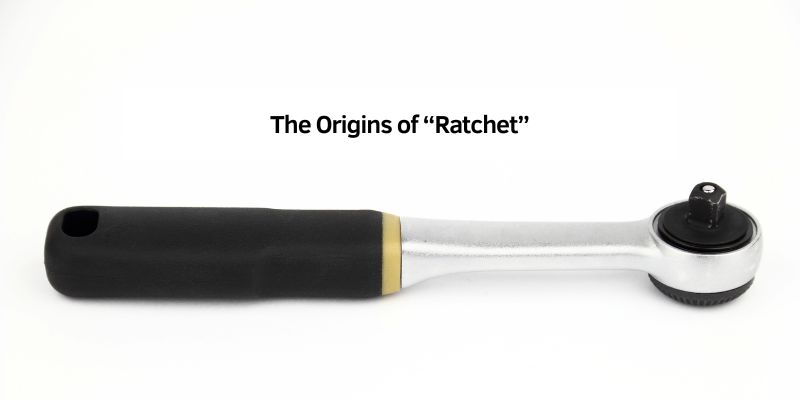
Let’s start at the beginning. The word “ratchet” didn’t always mean what it does today. Originally, it referred to a mechanical tool—a ratchet wrench, used to tighten bolts. But in the 1990s, it popped up in a whole new way in Southern hip-hop, especially in Shreveport, Louisiana, which some folks call “Ratchet City.” I remember hearing it in songs by local rappers like Lil’ Boosie and Anthony Mandigo. They used “ratchet” to describe a gritty, unpolished lifestyle—think wild parties, bold attitudes, and a “don’t care” vibe. Back then, it was tied to a dance and a style of music, not necessarily a person.
The word likely comes from “wretched,” a term meaning poor or miserable, but with a Louisiana twist in pronunciation. By the late 1990s, it was all over Shreveport’s rap scene. I found an old CD liner note from 2004 that defined “ratchet” as “ghetto, real, gutter, nasty.” It wasn’t always negative—it could mean being authentic or fearless. But it was mostly used in Black communities, describing a specific cultural energy.
How “Ratchet” Evolved Over Time
Fast forward to the 2000s, and “ratchet” started spreading beyond Louisiana. I noticed it blowing up around 2012, thanks to artists like Beyoncé, who wore “ratchet” earrings, and LL Cool J, who dropped a song called “Ratchet.” Suddenly, it was everywhere—YouTube videos, memes, and reality TV. The “Ratchet Girl Anthem” by Emmanuel and Phillip Hudson got millions of views, poking fun at women with flip phones and loud attitudes. I laughed at the video, but it also made me think: Why are we only calling certain women “ratchet”?
The word began shifting. It went from describing a vibe or behavior to targeting people, often women, and specifically Black women. I saw it used to call out someone as “trashy” or “low-class,” like in lyrics where rappers described women chasing money or acting wild. But it also took on a lighter side. Some folks, especially Black women and LGBTQ+ communities, started using “ratchet” proudly, like a badge of being bold and unapologetic. It was confusing—one minute it’s an insult, the next it’s empowerment.
Why “Ratchet” Sparks Controversy
Now, here’s where things get messy. The question “Is ratchet racist?” comes up because the word often gets aimed at Black women in a way that feels unfair. I’ve seen it online, like on Reddit, where people argue it’s a “dog-whistle”—a term that seems neutral but carries racist undertones. The issue is how it’s used. When someone calls a Black woman “ratchet” for being loud or bold, but doesn’t use it for a white woman doing the same, it feels like a double standard. I remember a friend getting upset when a reality TV star was called “ratchet” for arguing, while others weren’t. It made her wonder: Is this about race?
The controversy is also tied to class and gender. “Ratchet” often paints a picture of someone poor, uneducated, or “out of control,” which can echo stereotypes about Black communities. I’ve heard people say it’s not racist because anyone can be “ratchet,” but the word sticks to Black women more often. For example, when Miley Cyrus twerked at the VMAs in 2013, some called her “ratchet” and accused her of appropriating Black culture. It felt like the word was being weaponized to shame both her and the culture she was borrowing from.
The Role of Context in “Ratchet”
Context is everything with this word. I’ve used “ratchet” jokingly to describe a wild night out, like when my friends and I were dancing to loud music and acting silly. No harm meant. But when it’s slung as an insult—like calling a Black woman “ratchet” for her clothes or behavior—it can sting. I learned this when a coworker used it to describe a loud customer, and I could tell it wasn’t just about her volume. It felt like a judgment on her whole identity.
The word’s meaning flips depending on who’s saying it and why. Black women might call themselves “ratchet” to celebrate being fierce or carefree, like Megan Thee Stallion does in her song “Savage.” But when someone outside that community uses it, especially to criticize, it can sound like a stereotype. I saw this play out on social media, where a white influencer called a Black woman’s outfit “ratchet,” and the backlash was swift. People felt it was a coded way to say “ghetto” without saying it.
Here’s a table to break it down:
| Context | How “Ratchet” Is Used | Perception |
|---|---|---|
| In Black Communities | Describes bold, unapologetic behavior or style | Often empowering or neutral, like “real” or “fierce” |
| As an Insult | Labels someone as trashy, low-class, or wild | Can feel racist or sexist, especially toward Black women |
| Pop Culture/Media | Used in songs, memes, or TV for humor or shock | Mixed—can be fun or reinforce stereotypes |
| By Non-Black People | Often tied to cultural appropriation | Risky, can be seen as mocking or insensitive |
Cultural Appropriation and “Ratchet”
Let’s talk about appropriation. When I saw Beyoncé and Lady Gaga rocking “ratchet” earrings, I thought it was cool—they were embracing a term from Black culture. But then I read about how some felt it was a problem. When non-Black celebrities use “ratchet” or related trends (like twerking), it can feel like they’re cherry-picking the “fun” parts of Black culture without living its struggles. I remember the Miley Cyrus VMA drama—her twerking was called “ratchet,” and critics said she was profiting off Black culture while Black women got judged for the same behavior.
This double standard bugs me. A Black woman might be called “ratchet” for wearing bold outfits or dancing a certain way, but a non-Black celebrity doing the same might be praised as “edgy.” I saw this when a white influencer posted a “ratchet” party video, and her fans called it “iconic,” but a Black woman’s similar video got hate. It’s like the word becomes a weapon when it’s aimed at certain people.
The Gender Angle: Why Women Are Targeted
Another thing I noticed is how “ratchet” often targets women. Songs like LL Cool J’s “Ratchet” or the “Ratchet Girl Anthem” focus on women who are supposedly “trashy” or “money-hungry.” I cringed watching the anthem video—it was funny, but it leaned hard into stereotypes about Black women, like being loud or hypersexual. Why don’t we hear “ratchet” aimed at men as much? I’ve rarely seen a guy called out the same way, even when acting wild.
This gender bias makes the world feel unfair. I talked to a friend who’s a Black woman, and she said being called “ratchet” stings because it feels like an attack on her whole identity, not just her actions. It’s like saying she’s “too much” for being herself. Meanwhile, men acting the same way might just be called “wild” or “fun.” It’s a double standard that adds fuel to the racism debate.
Reclaiming “Ratchet”
Here’s where it gets hopeful. Some Black women and LGBTQ+ folks have flipped “ratchet” into something positive. I love how Megan Thee Stallion uses it in “Savage” to mean fierce and confident. It’s like saying, “Yeah, I’m ratchet, and I’m proud!” I saw this at a concert where fans were shouting “ratchet” as a compliment, cheering each other on. It reminded me of how other slurs, like the N-word, have been reclaimed in some contexts.
This reclamation isn’t universal, though. Not everyone feels comfortable with it. I read a blog where a Black woman said she hates “ratchet” because it reminds her of stereotypes about “ghetto” behavior. For her, it’s not empowering—it’s a label that boxes her in. It’s a reminder that words hit different people in different ways.
Is “Ratchet” Racist? My Take
So, is “ratchet” racist? I don’t think the word itself is inherently racist—it started as slang for a specific vibe, not a race. But how it’s used can absolutely be racist. When it’s thrown at Black women to shame them for being loud, bold, or “low-class,” it taps into ugly stereotypes. I’ve seen it happen too many times, like when a Black reality TV star gets called “ratchet” for arguing, but a white star doing the same is just “dramatic.”
The racism comes from context and intent. If a non-Black person uses “ratchet” to mock or stereotype, it’s a problem. But within Black communities, it can be a term of pride or humor. I think it’s about who’s saying it and why. As a non-Black person, I’m careful about using it—I’d rather avoid it than risk hurting someone.
If you’re wondering whether to use “ratchet,” here’s my advice. Think about your audience and intent. Are you using it to celebrate a fun, wild moment? Maybe it’s fine, especially if you’re part of the community that created it. But if you’re using it to judge or mock, especially toward a Black woman, pause. I’ve learned to ask myself, “Would I say this about everyone, or just certain people?” If it’s the latter, it’s probably a stereotype in disguise.
I also suggest listening to how others react. I once used “ratchet” jokingly, and a friend pulled me aside to explain why it felt off. It was a wake-up call. If someone says it’s offensive, don’t argue—just listen and learn. And if you’re not Black, maybe stick to other words to avoid stepping on toes.
The Role of Pop Culture
Pop culture has a huge role in how “ratchet” spreads and changes. I see it all over reality TV, like “Basketball Wives,” where women are labeled “ratchet” for drama. It’s also in memes, like Sweet Brown’s “Ain’t nobody got time for that,” which got co-opted into “ratchet” culture. These moments are funny, but they can turn “ratchet” into a caricature of Blackness.
Social media makes it worse. I’ve scrolled through X and seen “ratchet” used in everything from party videos to insults. It’s so common that it’s easy to forget its roots. But that’s why we need to think before we post. Is “ratchet” adding to a stereotype or celebrating a culture? It’s a fine line.
Why Education Matters
I’ve learned that understanding “ratchet” takes effort. It’s not just a word—it’s tied to race, class, and gender in complex ways. I used to think it was just slang, but after reading blogs and talking to people, I see how it can hurt. Educating ourselves about its history and impact helps us use it (or avoid it) wisely.
If you’re curious, talk to people from different backgrounds. I asked a Black friend what “ratchet” meant to her, and she said it’s about context—if it’s used to shame, it’s a problem. Reading up on sites like The Root or Blavity also opened my eyes to how words like “ratchet” and “ghetto” carry weight.
My Personal Journey with “Ratchet”
When I first heard “ratchet,” I thought it was just a fun word. I used it to describe crazy nights out or over-the-top outfits. But then I saw it spark fights online, especially when used to describe Black women. I started questioning myself—am I using this word carelessly? I talked to friends, read articles, and realized I needed to be more thoughtful. Now, I avoid it unless I’m sure it won’t offend. It’s been a learning curve, but it’s made me more aware of how words carry power.
Conclusion
So, is “ratchet” racist? It’s not a simple yes or no. The word started as Southern slang, full of energy and pride, but it’s been twisted into a weapon in some hands. When it’s used to stereotype Black women as “trashy” or “low-class,” it can absolutely be racist. But when Black women use it to celebrate their boldness, it’s empowering. Context is everything.
I’ve learned to tread carefully with “ratchet,” and I hope you will too. It’s a word that reflects our culture’s messy mix of humor, pride, and prejudice. Let’s keep talking about it, listening to each other, and using words that lift people up rather than tear them down. If you’re wondering about “ratchet,” think before you speak—it’s a small step toward a bigger understanding.
FAQs
What does “ratchet” mean?
It’s a slang term from Southern hip-hop, originally meaning bold, wild, or authentic behavior. It can also describe someone as “trashy” or “low-class,” depending on how it’s used.
Is “ratchet” only used for Black people?
No, but it’s often aimed at Black women, which is why some call it racist. It can apply to anyone, but context matters.
Can non-Black people use “ratchet”?
They can, but it’s risky. If it’s used to mock or stereotype, it can come off as racist or insensitive. I’d avoid it unless you’re sure it’s okay.
Why do some people call “ratchet” empowering?
Some Black women and LGBTQ+ folks use it to celebrate being bold and unapologetic, like in Megan Thee Stallion’s music.
How can I tell if “ratchet” is offensive?
Ask yourself: Am I judging someone’s race, class, or gender? If so, it’s probably offensive. Listen to how others react, too.
Does pop culture make “ratchet” worse?
Sometimes. Reality TV and memes can spread stereotypes, but they also let people reclaim the word in positive ways.