Is Softened Water Bad for Plants: A Comprehensive Guide
Hey there! So, you’re wondering if softened water is bad for plants? I get it—when I first got a water softener for my home, I was excited about softer clothes and shinier dishes, but then I started worrying about my garden. Could the water I was using to shower and wash dishes hurt my roses or veggie patch? I’ve spent a lot of time figuring this out, experimenting with my own plants and digging into the science.
Let me share what I’ve learned in a friendly, easy-to-follow way, like we’re chatting in my backyard. Whether you’re a seasoned gardener or just keeping a few houseplants, this guide will help you understand how softened water affects plants and what you can do about it. Let’s dive in!
What Is Softened Water?
First, let’s talk about what softened water is. I didn’t know much about it until I got my water softener installed. Hard water, which is common in many parts of the USA, has high levels of minerals like calcium and magnesium. These minerals can build up in pipes, leave spots on dishes, and make your skin feel dry. A water softener fixes this by swapping out those minerals for sodium or potassium ions through a process called ion exchange.
When I turn on my tap, the water feels slicker and doesn’t leave as much gunk in my kettle. But that sodium or potassium added to the water is what got me thinking about my plants. Plants need certain nutrients to grow, so I wondered if this “softer” water might mess with their health. Spoiler alert: it’s not always great for them, but it’s not a total disaster either.
How Plants Use Water
To understand if softened water is bad, we need to know how plants use water. I learned this from years of tending my garden. Plants soak up water through their roots, and that water carries nutrients from the soil to the rest of the plant. It’s like their bloodstream. Water also helps plants stay firm and carry out photosynthesis, which is how they make their food.
Plants are picky about what’s in their water. They love nutrients like nitrogen, phosphorus, and potassium, but too much of certain things, like sodium, can throw them off. I noticed this when my tomato plants started looking droopy after I used softened water for a while. It made me realize I needed to pay attention to what was in my water.
Why Softened Water Might Be a Problem
Here’s where things get interesting. Softened water has extra sodium (or sometimes potassium) from the softening process. I found out that sodium isn’t something plants love in large amounts. It can build up in the soil over time, especially if you’re watering the same spot regularly, like a garden bed or potted plants.
Too much sodium can mess with a plant’s ability to take up water and nutrients. I saw this firsthand with my lavender plants—they started getting yellow leaves and stunted growth. Sodium can also change the soil’s structure, making it harder for roots to spread. For sensitive plants, like ferns or certain veggies, this can be a big deal. I was bummed when I realized my water softener might be the culprit.
Not All Plants Are Affected the Same
Not every plant reacts to softened water the same way. I’ve got a mix of plants in my yard—roses, tomatoes, succulents, and some herbs—and they all handled softened water differently. Hardy plants, like succulents or cacti, didn’t seem to care much. They’re used to tough conditions and episodes of watering with softened water for a few weeks, and they were fine.
But more delicate plants, like my lettuce and strawberries, weren’t as happy. I noticed they grew more slowly and looked less vibrant. Plants that prefer acidic soil, like azaleas or blueberries, can also struggle with softened water because the sodium can make the soil more alkaline. I started keeping a mental note of which plants were fussy and which were tough.
Here’s a quick table I put together to show how different plants handle softened water:
| Plant Type | Sensitivity to Softened Water | Notes |
|---|---|---|
| Succulents/Cacti | Low | Tolerate sodium well |
| Vegetables | Medium to High | Lettuce, tomatoes may struggle |
| Flowering Plants | Medium | Roses, lavender can be sensitive |
| Acid-Loving Plants | High | Blueberries, azaleas dislike sodium |
| Herbs | Medium | Basil, parsley may show stress |
The Role of Soil and Drainage
Soil plays a big part in how softened water affects plants. I learned this through trial and error in my garden. If your soil drains well, like sandy or loamy soil, sodium from softened water is less likely to build up. It just washes away with each watering. But if you’ve got heavy clay soil, like I do in parts of my yard, sodium can stick around and cause trouble over time.
Potted plants are especially at risk. I noticed this with my indoor ficus. Pots don’t drain as well as open ground, so sodium builds up faster. If you’re using softened water for houseplants, you might see white crusty buildup on the soil surface—that’s the salt. I started flushing my pots with collected rainwater every few weeks to clear them out, and it made a big difference.
How Much Sodium Is Too Much?
I got curious about how much sodium is actually in softened water. It depends on how hard your water was to begin with. The harder the water, the more sodium the softener adds. In my area, with moderately hard water, my softened water has about 100-200 milligrams of sodium per liter. That’s not a lot for one watering, but it adds up if you’re watering daily.
Plants can handle small amounts of sodium, but problems start when levels get too high. For most plants, sodium levels above 200 mg/L can cause stress. I tested my water with a kit from a garden store, and it helped me figure out when to switch to unsoftened water for my sensitive plants. If you’re not sure about your water, you can get it tested at a local extension service.
Alternatives to Softened Water for Plants
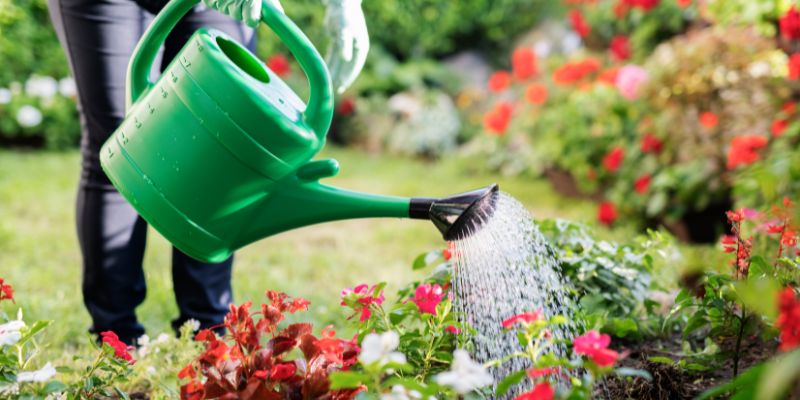
So, what do you do if softened water isn’t great for your plants? I found a few workarounds that saved my garden. The best option is to use unsoftened water. Most water softeners have a bypass valve, so you can get hard water straight from your tap. I set up a separate hose for my garden using the bypass, and it was a game-changer.
Rainwater is another great choice. I started collecting it in barrels under my downspouts. It’s naturally soft, free of sodium, and plants love it. If you live in an area with little rain, like some parts of the USA, you can also use distilled or reverse osmosis water. I tried this for my houseplants, but it’s pricey for a big garden. If you’re stuck with softened water, try to water less often and let the soil dry out between sessions to reduce sodium buildup.
My Personal Experience with Softened Water
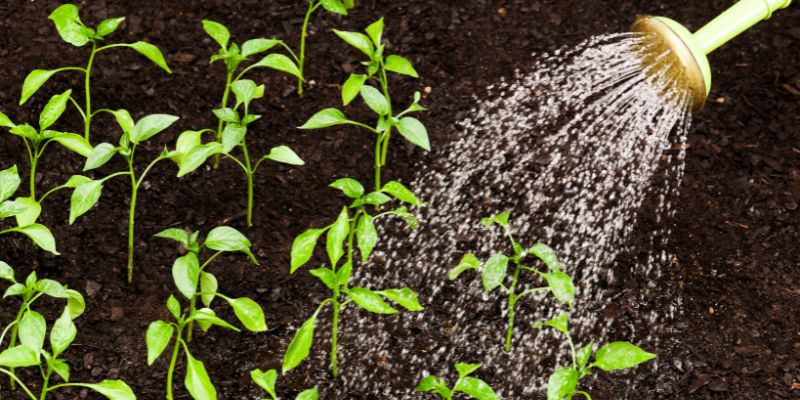
When I first got my water softener, I used it for everything—laundry, dishes, and watering my plants. My roses started looking sad, with yellowing leaves and fewer blooms. I didn’t connect the dots until I read up on softened water and realized the sodium was the issue. I switched to unsoftened water for my garden, and within a few weeks, my plants perked up. My tomatoes started producing again, and my lavender looked happier.
For my houseplants, I now use rainwater or tap water that I let sit for a day to evaporate any chlorine. I also flush the pots with unsoftened water every month to wash out any sodium. It’s a bit of extra work, but seeing my plants thrive is worth it. I learned that paying attention to water quality is just as important as soil or sunlight.
Tips for Protecting Your Plants
Here are some tricks I’ve picked up to keep my plants safe from softened water. First, check your water softener settings. Some systems add less sodium than others. I tweaked mine to use potassium chloride instead of sodium chloride, which is a bit better for plants. Potassium is a nutrient plants actually use, so it’s less harmful.
If you can’t avoid softened water, water deeply but less often. This helps flush sodium through the soil instead of letting it build up. I also add organic matter, like compost, to my soil. It improves drainage and helps buffer against sodium. For potted plants, repot them every year or two with fresh soil to reset any salt buildup. I’ve done this with my ferns, and they’re much happier now.
Indoor vs. Outdoor Plants
Indoor and outdoor plants have different needs when it comes to softened water. My outdoor garden has better drainage, so sodium doesn’t stick around as long. But my indoor plants, like my pothos and peace lily, are more sensitive because pots trap the sodium. I noticed white crust on the soil of my indoor plants before I realized what was happening.
For indoor plants, I now use a mix of rainwater and unsoftened tap water. I also check the soil every few months for salt buildup. Outdoors, I stick to my bypass hose or rainwater barrels. If you’re in a dry climate, consider installing a rain collection system—it’s been a lifesaver for my garden during droughts.
Long-Term Effects of Softened Water
Using softened water for years can change your soil’s chemistry. I saw this in my neighbor’s yard, where the soil became too alkaline from constant softened water use. Plants like blueberries, which need acidic soil, stopped growing well. Over time, sodium can also compact the soil, making it harder for roots to get water and air.
To fix this, I started adding gypsum to my garden beds. It helps displace sodium and improves soil structure. I also test my soil’s pH every spring to make sure it’s not getting too alkaline. It’s a bit of work, but it keeps my plants healthy in the long run.
Water Softeners and Eco-Friendly Gardening
As someone who cares about the environment, I started thinking about how water softeners fit into eco-friendly gardening. The sodium from softeners can end up in groundwater or runoff, which isn’t great for local ecosystems. I’ve tried to balance my softener use by collecting rainwater and using unsoftened water whenever possible. It’s a small step, but it feels good to reduce my impact.
I also looked into salt-free water conditioners, which don’t add sodium. They’re not true softeners, but they prevent scale buildup without harming plants. I’m considering switching to one for my next system. It’s a bit pricier, but it could save my plants and the environment some stress.
How to Test Your Water and Soil
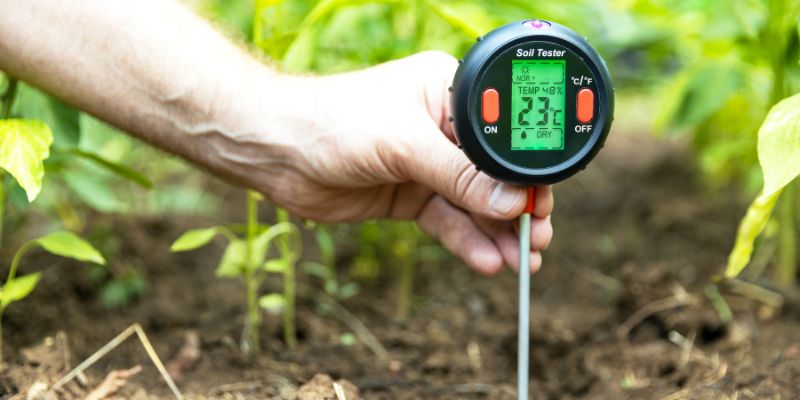
If you’re not sure about your water or soil, testing is easy. I got a water testing kit from my local garden center for about $20. It showed me the sodium levels in my softened water, which helped me decide when to use it. For soil, I sent a sample to my county’s extension service. They tested the pH and nutrient levels for a small fee.
You can also do a simple soil test at home. Mix some soil with distilled water, let it settle, and use a pH strip. If the pH is above 7.5, your soil might be too alkaline from softened water. I do this every spring to keep my garden in check.
Conclusion
So, is softened water bad for plants? It can be, especially for sensitive ones, but it’s not a death sentence for your garden. I’ve learned through my own trial and error that understanding your water, soil, and plants makes all the difference. By using unsoftened water, collecting rainwater, or tweaking your softener, you can keep your plants happy and healthy.
My garden went from struggling to thriving once I figured out how to balance things. Whether you’re growing tomatoes in your backyard or keeping a few houseplants, a little care goes a long way. I hope this guide helps you feel confident about watering your plants the right way. Keep experimenting, and your green friends will thank you!
FAQs
Is softened water safe for all plants?
Not all plants handle softened water well. Hardy plants like succulents are fine, but sensitive ones like vegetables or acid-loving plants can struggle with the sodium.
How can I tell if softened water is hurting my plants?
Look for yellowing leaves, stunted growth, or white crust on the soil. You can also test your soil’s pH to check for sodium buildup.
What’s the best water for plants?
Rainwater or unsoftened tap water is ideal. They’re free of extra sodium and have the nutrients plants need.
Can I use softened water for houseplants?
It’s not the best choice. Houseplants are more sensitive because pots trap sodium. Use rainwater or unsoftened water and flush pots regularly.
How do I reduce sodium in my soil?
Add gypsum or organic matter like compost to improve drainage. Water deeply with unsoftened water to flush out sodium.
Does softened water affect soil pH?
Yes, the sodium can make soil more alkaline over time. Test your soil’s pH and add amendments like sulfur if it’s too high.
Are there alternatives to water softeners?
Salt-free water conditioners prevent scale without adding sodium. They’re pricier but better for plants and the environment.