Is the Dishwasher Connected to the Sink? Unveiling Secrets
Have you ever wondered if your dishwasher and sink are more than just neighbors in your kitchen? This question might have crossed your mind as you load your dishwasher or scrub dishes in the sink.
Understanding the connection between these two kitchen workhorses can not only ease your curiosity but also help you troubleshoot issues and optimize your kitchen’s efficiency. We’ll unravel the mystery of how your dishwasher and sink are linked. You’ll discover why this connection matters and how it impacts your daily kitchen routine.
Dive in, and you might just find some surprising answers that could change how you view your kitchen setup.
/dishwasher-drain-hose-connections-2718613-09-3f63c303030749e9985b75df021aeeb6.jpg)
Credit: www.thespruce.com
Dishwasher Plumbing Basics
Dishwashers need water supply linesto work. These lines bring water into the machine. They are usually connected to the kitchen sink. This means the sink and dishwasher share the same water source. The line is often made of flexible tubing. It allows easy movement. Ensure this tube is not twisted. Twisted lines can stop water flow. This is important for the dishwasher to work properly.
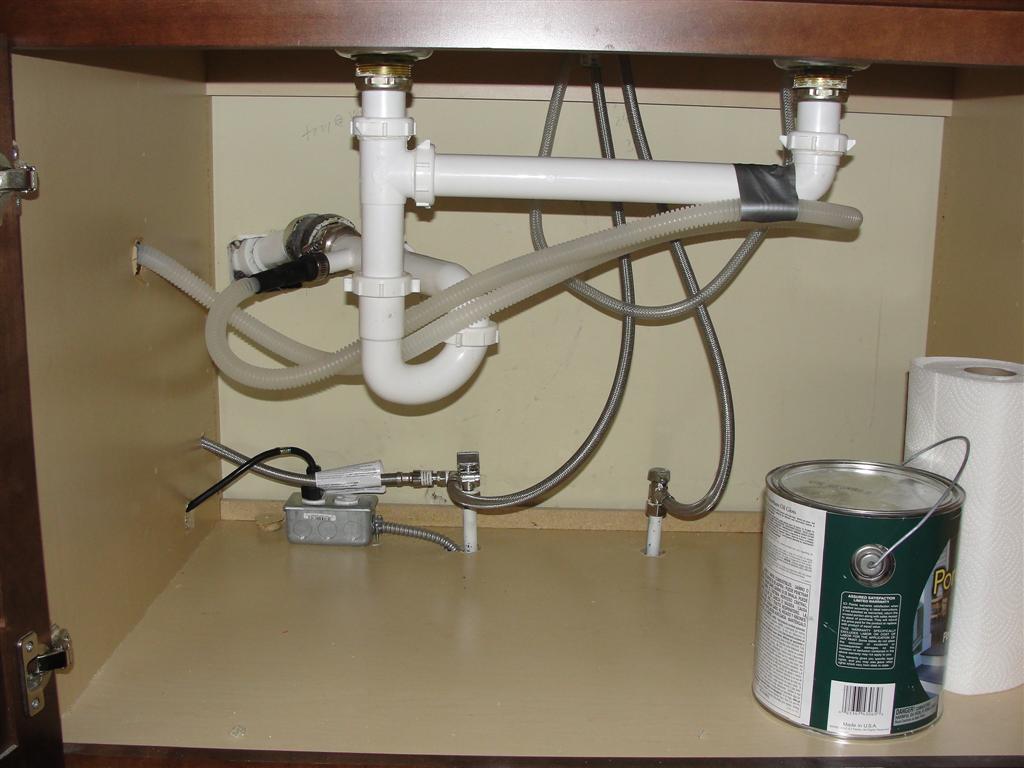
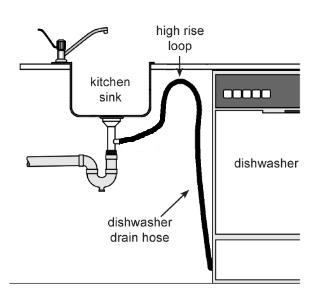
Drainage pipes carry dirty water away. They connect to the sink’s drain pipe. This lets the dishwasher empty waste water. The pipe must be properly fitted. If not, water can leak. Leaks might cause damage. Always check for blockages. Blockages can stop water flow. Keep the pipes clean and clear. This helps the dishwasher run smoothly.
Credit: structuretech.com
Sink And Dishwasher Connection
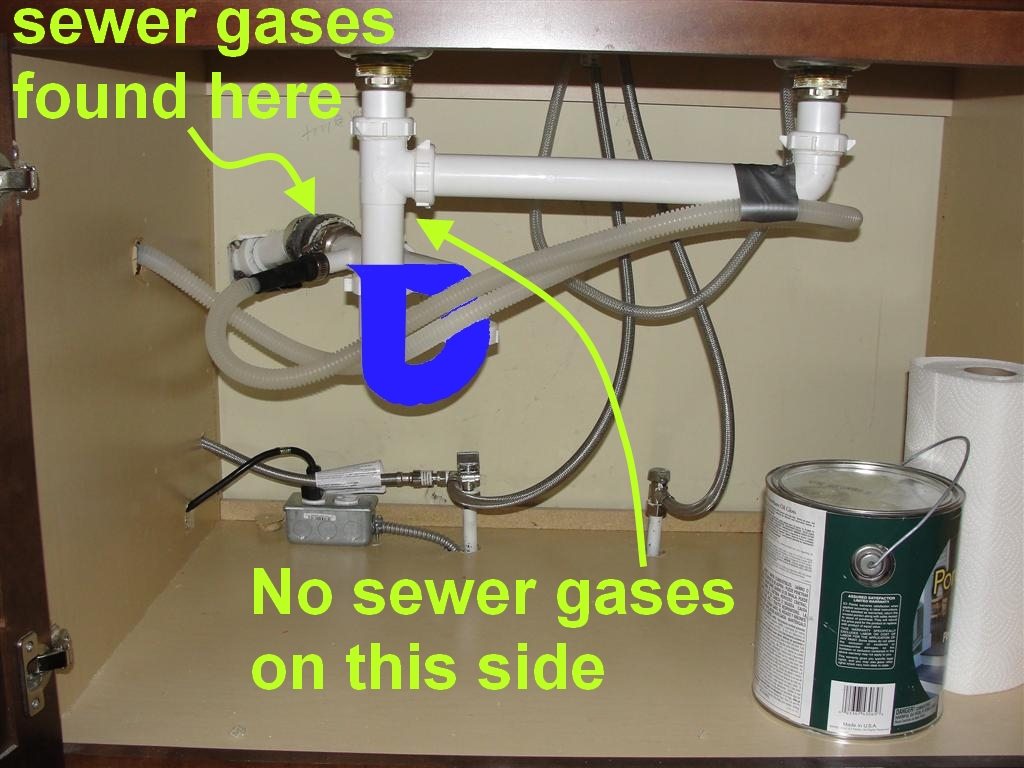
The sink drain and dishwasher are often linked. Water from the dishwasher flows into the sink drain. This connection helps in disposing of dirty water. A special pipe called the drain hose connects them. Installing this connection is important for proper water flow. Without it, water might spill or get stuck. Always ensure the hose is secure and tight.
The sink and dishwasher share the same water supply. This means they get water from the same source. The main pipe splits into two parts. One part goes to the sink and the other to the dishwasher. This setup is efficient and saves space. It also makes installation easier. When using both, water pressure might reduce. This can be fixed by checking the pipes regularly.
Installation Techniques
Dishwashers need the right spot in the kitchen. They should be close to the sink. This helps with water connections. Make sure there is enough space to open the door. Leave space on both sides. It helps in moving dishes in and out. Also, think about the height. The dishwasher should be easy to reach.
Installing a dishwasher needs some tools. A wrench is important for tightening. You will need screwdrivers to secure parts. Pliers help with gripping and twisting. Also, have a level to make sure the dishwasher is straight. Don’t forget the hose for water. It’s a must for connection.
Credit: 8pointshome.com
Troubleshooting Common Issues
Checking if the dishwasher is connected to the sink often solves many issues. Ensure the hose is properly attached. Inspect for any blockage or kinks in the hose.
Leaky Connections
Leaky connections can cause big problems in the kitchen. Check the hoses and pipes for any cracks. Tighten the joints and fittings if they are loose. Sometimes, the gaskets wear out. Replace them with new ones. Teflon tape helps seal connections better. Make sure all parts are in their right places. A small leak might lead to bigger issues. Fix them early to avoid water damage.
Clogged Drain Problems
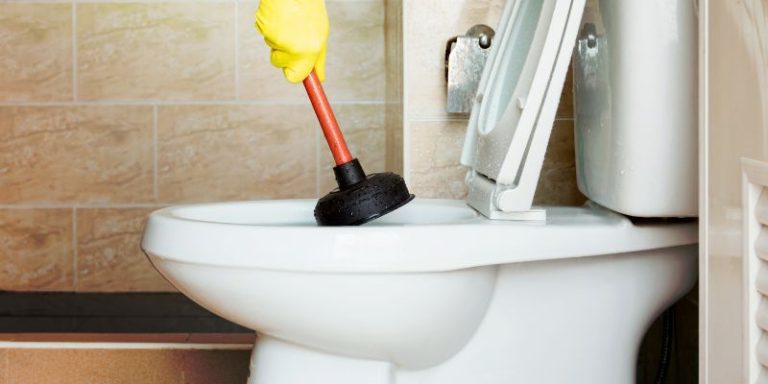
A clogged drain can make the dishwasher overflow. Remove any food particles stuck in the filter. Use a plunger to clear the blockage. Vinegar and baking soda can help too. Pour them in the drain and flush with hot water. A snake tool can reach deep clogs. Regular cleaning prevents future blockages. Check the drain hose for kinks or bends. Ensure water flows smoothly.
Maintenance Tips
Keep your dishwasher cleanfor best results. Wipe down the interiorafter each use. Clean the filtersevery month. Use a toothbrush to clean the spray arms. Remove any bits of food or debris. This helps the dishwasher work better.
Check the hosesfor leaks often. Make sure the connectionsare tight. Use a cup of vinegarto run a cleaning cycle monthly. This keeps the pipesclean. It prevents buildup. Avoid using too much detergent. It can cause clogs.
Professional Help Vs DIY
Determining if your dishwasher connects to the sink can be tricky. DIY installation might seem straightforward but risks leaks or incorrect setups. Professional help ensures proper connections, saving time and potential repairs.
When To Call A Plumber
Leaksor water damage near your sink are a concern. Call a plumber fast. Strange noises from the dishwasher? It’s time for expert help. Also, if the sink clogs often, a plumber can fix it. A plumber ensures everything works well.
DIY Tips For Homeowners
Check the connection between the dishwasherand sink. Make sure hoses are tight. Look for any small leaks. Fix them with tape if needed. Clean your sink trap. This can prevent clogs. For basic issues, DIYtips can help.
Frequently Asked Questions
How Is A Dishwasher Connected To The Sink?
A dishwasher is typically connected to the sink through water supply and drainage lines. The water supply line connects to the sink’s plumbing, providing water to the dishwasher. The drainage line connects to the sink’s drainpipe, allowing wastewater to exit.
Proper installation ensures efficient operation and prevents leaks.
Yes, a dishwasher can share a drain with a sink. The dishwasher’s drainage line usually connects to the sink’s drainpipe. This setup allows wastewater to flow through the same plumbing system. It’s essential to ensure proper venting and installation to prevent backups or clogs.
Is A Dishwasher’s Water Supply Linked To The Sink?
Yes, a dishwasher’s water supply is generally linked to the sink. The water supply line connects to the sink’s existing plumbing. This setup allows the dishwasher to receive water for cleaning cycles. Proper installation ensures reliable water flow and prevents leaks or water pressure issues.
Does Sink Plumbing Affect Dishwasher Performance?
Yes, sink plumbing can affect dishwasher performance. Proper installation and maintenance of sink plumbing are crucial for efficient dishwasher operation. Issues like clogs or leaks in sink plumbing can impact water supply and drainage. Regular checks ensure optimal performance and prevent potential problems.
Conclusion
Understanding the dishwasher-sink connection simplifies kitchen plumbing. Most dishwashers link to the sink drain. This setup prevents flooding and clogs. It ensures water drains efficiently. Regular maintenance keeps everything running smoothly. Check hoses for leaks regularly. Clean filters to avoid blockages.
A well-maintained system saves time and stress. You enjoy a hassle-free kitchen routine. Remember, small checks make a big difference. Keep your dishwasher and sink working together. Your kitchen stays clean and efficient. This connection is key for a functional kitchen.
Enjoy the convenience of modern kitchen technology.