Jeweler’S Saw Vs Coping Saw: Crafting Precision Tools
Are you caught in the dilemma of choosing between a jeweler’s saw and a coping saw for your next project? You’re not alone.
Many DIY enthusiasts and craftsmen face the same puzzle. These two tools might seem similar at first glance, but they each have unique features that can make a significant difference in your work. Whether you’re crafting intricate jewelry pieces or tackling detailed woodworking projects, the right saw can be your best ally.
Dive into this article to uncover which tool aligns perfectly with your needs, ensuring precision and efficiency in every cut. By the end, you’ll know exactly which saw to reach for, saving you time and enhancing your craftsmanship. Let’s demystify these tools together and find your perfect match.
Credit: www.amazon.com
Jeweler’s Saw Features
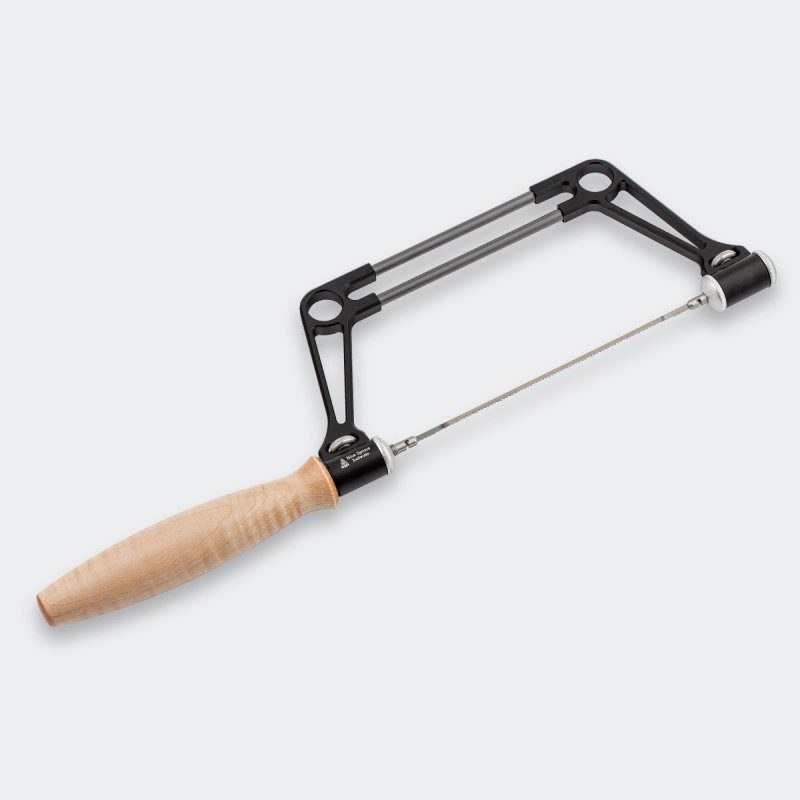
Jeweler’s saws use very thin blades. These blades come in many sizes. Blade sizes range from 8/0 to 6. The smaller the number, the bigger the blade. Tiny blades cut detailed shapes. Big blades cut fast but less detailed.
The frame of a jeweler’s saw is U-shaped. It holds the blade tight. Some frames are adjustable. This helps with different blade sizes. A tight blade makes cutting easier and cleaner.
Jeweler’s saws are great for thin materials. They can cut metal, wood, and plastic. Perfect for small, detailed work. Not for big, thick pieces. Always choose the right blade for your material.
Coping Saw Characteristics
Jeweler’s saws have a fine blade for precise cuts in metal and jewelry making. Coping saws, with a thicker blade, excel in woodworking, allowing for intricate shapes. Both are essential in their fields for their specific cutting abilities.
Blade Options
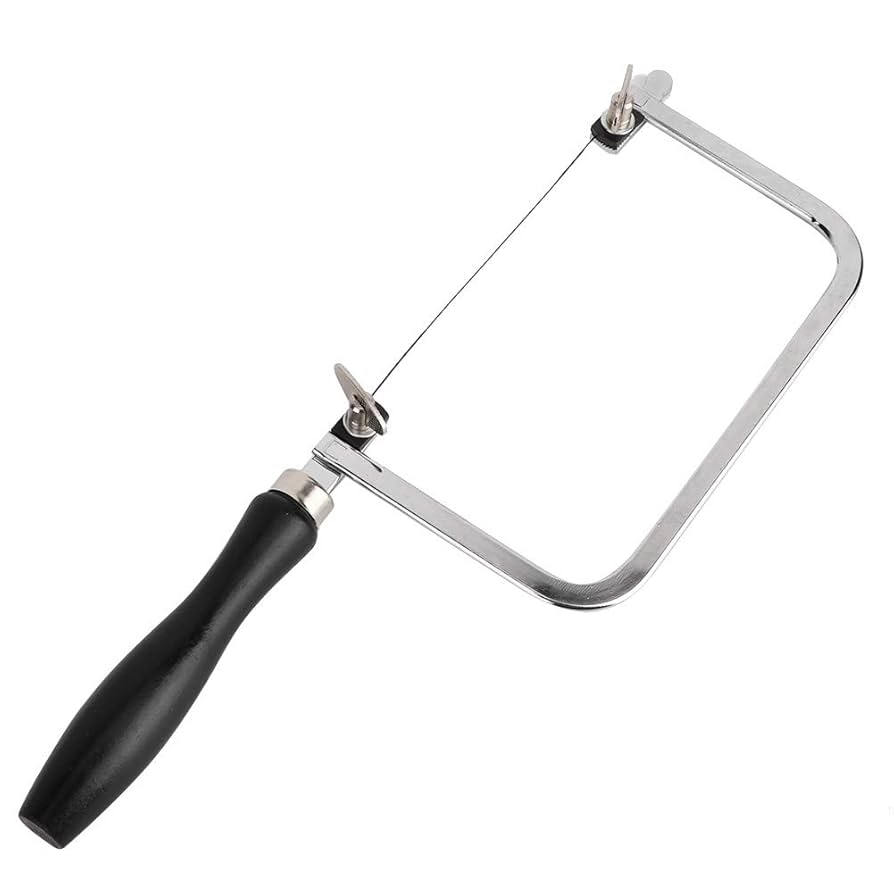
Coping saws have blades that are very thin. This allows them to make precise cuts. These blades come in various sizes. Each size fits different tasks. They can cut curves and complex shapes easily. The blades are also replaceable. So, if one breaks, it is easy to swap out. This feature makes the coping saw very handy.
Handle Comfort
The handle of a coping saw is usually made of wood or plastic. It is designed to fit comfortably in the hand. This helps reduce strain during long use. Some handles have rubber grips. These grips offer even more comfort. The saw is lightweight, making it easy to control.
Versatility In Materials
Coping saws can cut various materials. They work well on wood and plastic. They can also cut metal and other thin materials. The saw’s design allows for detailed work. This makes it a popular choice for crafting and DIY projects.
Comparing Cutting Precision
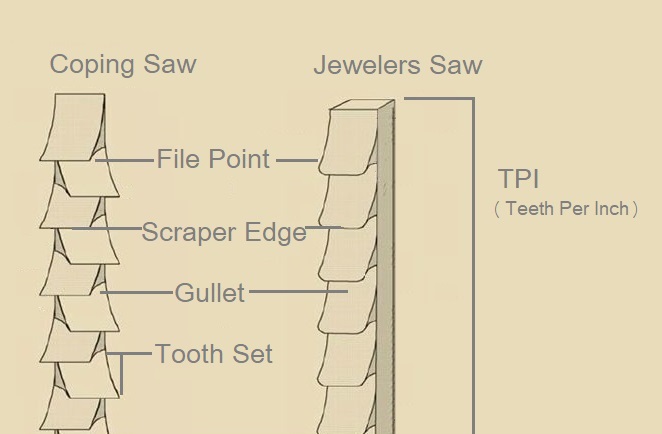
Jeweler’s sawis great for tiny cuts. It cuts small shapes well. The blade is thin and sharp. It moves smoothly through metal. Craftspeople trust it for detailed jobs. Coping sawis also precise. It works well on wood. The blade is thicker and stronger. It bends less and stays steady. For wood work, it’s a good choice. Each saw has its strengths. Both are used for different tasks. Choose the one that fits your project.
Jeweler’s saw is light and easy to hold. It gives you good control. You can cut curves easily with it. Coping saw is heavier but still simple to use. It feels sturdy in your hand. Both saws need practice to master. Good control helps with accurate cuts. You can make neat edges with both. Handle them carefully for best results.
Credit: www.livingstonjewelers.com
Durability And Maintenance
Jeweler’s saws have very thin blades. They can break easily. Be careful while using them. Coping saws have thicker blades. They last longer. Choose the right blade for your task. Both saws need sharp blades. Sharp blades make cutting easy. Keep spare blades handy. Replace dull blades quickly. This saves time and effort.
Clean the saw frame after use. Dust and debris can harm it. Use a soft cloth for cleaning. Check for rust on metal parts. Rust can weaken the frame. Apply a little oil to prevent rust. Store the saw in a dry place. This keeps it safe. Tighten loose screws often. This ensures the frame stays strong.
Choosing The Right Tool
Jeweler’s saw is ideal for small, detailed cuts. Coping saw is perfect for larger pieces and curves. Both tools have unique strengths. Understand your project’s needs. If cutting delicate metal, a jeweler’s saw works best. For wood, the coping saw is great. Consider materials and shapes. Jeweler’s saw uses thin blades. Coping saw has thicker blades. Thin blades are fragile. Thicker blades are sturdy. Choose based on your skill level. Beginners find coping saw easier. Jeweler’s saw requires more skill. Assess your comfort with tools. Safety is important. Practice and patience help. Selecting the right tool ensures success.
Beginner or expert, the right tool matters. Jeweler’s saw demands precision. Coping saw is more forgiving. Skill level affects choice. New users should try coping saw first. Experienced users often prefer jeweler’s saw. Understanding tools boosts confidence. Practice improves skill. Safety is key for all levels. Comfort with tools leads to better results. Choosing based on skill level helps. Patience is crucial in learning. Experiment with both tools. Find what suits you best.

Credit: www.youtube.com
Cost And Accessibility
Jeweler’s sawsusually cost between $15 to $50. They are affordable for most people. You can find them in craft stores and online shops. Coping sawsare priced from $10 to $30. This makes them cheaper than jeweler’s saws. They are available in hardware stores and online too.
Both saws are easy to buy. They are sold in many places. Most big cities have stores with these tools. Online shopping also offers many choices. You can get these saws quickly. Many websites sell them. Delivery is often fast and simple.
User Experiences
Choosing between a jeweler’s saw and a coping saw depends on the task. Jewelers prefer the jeweler’s saw for intricate cuts and detailed work. The coping saw is better for larger, less detailed projects. Both tools have unique features, making them essential in a craftsman’s toolkit.
Craftsman’s Preferences
Many craftsmen love using the jeweler’s sawfor delicate work. It offers precise cuts, making it ideal for intricate designs. The coping sawis favored for its versatility. It easily handles larger pieces of wood. Both saws have their unique benefits. Choosing one depends on the project type.
Common Challenges
Using these saws can be tricky. The blades often break on a jeweler’s saw. This frustrates beginners. For the coping saw, maintaining a steady hand is key. It requires practice for smooth curves. Both saws need patience to master. Understanding their limitations helps in better usage.
Frequently Asked Questions
Is A Coping Saw And Jewelers Saw The Same?
Coping saws and jewelers saws are not the same. Coping saws cut wood; jewelers saws cut metal. Jewelers saws have finer blades for intricate designs, whereas coping saws have thicker blades for broader cuts. Both are used for precise work, but serve different materials and applications.
What Is A Jewelers Saw?
A jeweler’s saw is a precision tool used for cutting intricate designs in metal or jewelry. It features a thin, replaceable blade held in a frame. This saw allows jewelers to achieve detailed cuts and shapes, essential for crafting fine jewelry pieces.
It is a staple in jewelry making.
Can You Use A Jewelers Saw For Wood?
Yes, you can use a jeweler’s saw for wood. It is suitable for intricate cuts and detailed designs. Ensure you use the correct blade for wood to achieve the best results.
Do You Know The Difference Between A Coping Saw And A Jigsaw?
A coping saw is hand-operated, ideal for intricate cuts and curves. A jigsaw is electric, used for faster, straight or curved cuts. Coping saws are lightweight, offering precision. Jigsaws are versatile, cutting through various materials easily. Both tools are essential for woodworking and DIY projects.
Conclusion
Choosing between a jeweler’s saw and a coping saw can be tricky. Each tool has its own strengths. Jeweler’s saws excel in precision tasks. Coping saws handle broader cuts with ease. Your choice depends on your project needs. Consider the materials you’ll work with.
Think about the level of detail required. Both saws offer unique benefits. Understanding these differences helps in making a smart decision. With the right tool, crafting becomes easier. Enjoy your creative journey with confidence.