Jig Saw Vs Band Saw: Choosing the Right Tool
When it comes to making precise cuts in your woodworking projects, choosing the right saw can be a game-changer. The debate between jig saws and band saws often leaves many DIY enthusiasts and seasoned craftsmen scratching their heads.
You might wonder which one suits your needs best. Is it the versatility of a jig saw or the steady precision of a band saw that will bring your creative visions to life? We’ll dive into the unique features, advantages, and potential drawbacks of each tool.
Our goal is to help you make an informed decision that aligns perfectly with your project needs and personal preferences. Stick around to find out which saw will become your new favorite tool in your workshop arsenal. Let’s uncover the secrets that could transform the way you approach your next cutting task.

Credit: northernnester.com
Tool Overview
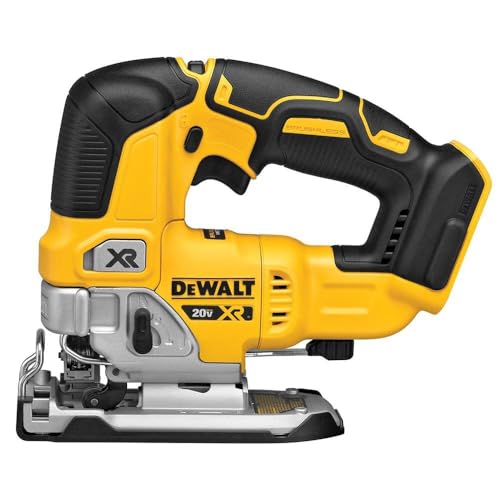
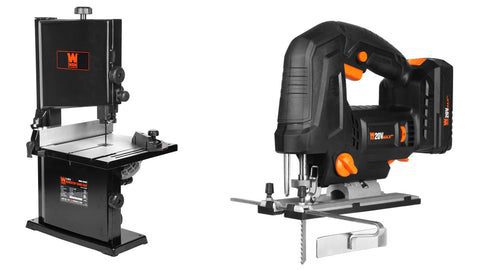
A jig saw is a handy tool for cutting curves. It’s great for intricate designs. You can use it on wood, metal, and plastic. It’s light and easy to handle. The blade of a jig saw moves up and down. This helps in creating curved and straight cuts. It often has a variable speed feature. This helps in controlling the cut precision. Changing blades is simple with most models. It’s perfect for DIY projects at home.
A band saw is ideal for heavy-duty tasks. It uses a continuous blade loop. This allows for smooth and even cuts. Band saws can handle thick materials easily. They are often used in woodworking shops. The blade can cut straight lines and curves. It’s great for resawing wood. Band saws have a stable base for accuracy. They are more powerful than jig saws. Perfect for professional projects.
Cutting Capabilities
The jig saw is known for its versatility. It can make curved cuts. This is helpful for art projects. It is also good for fine details. The blade moves up and down. This makes the jig saw easy to control. Using a jig saw, you can cut wood, plastic, and metal. It is perfect for small tasks. It is light and easy to handle.
Band saws are best for straight cuts. They are powerful and strong. The blade is a long loop. It moves in one direction. This helps in cutting thick materials. Band saws cut wood and metal well. They are used in big projects. They are heavy and stable. Professional workshops often use band saws. They save time on large tasks.
Versatility In Use
Jig saws are great for curved cuts. They handle intricate designs well. Woodworkers love them for small projects. They cut through wood, metal, and plastic. Jig saws are lightweight and easy to use. Perfect for DIY enthusiasts. Many artists use them for crafting. Jig saw blades are thin and flexible. This helps in tight spaces. Great for making puzzles and toys. Ideal for home repairs. A versatile tool for creative tasks.
Band saws are powerful for heavy-duty tasks. They cut thick wood and large metal sheets. Carpenters and builders prefer them. Band saws are used in furniture making. Useful for resawing and ripping wood. They offer precision in straight cuts. Blades are sturdy and long-lasting. Suitable for industrial work. Ideal for making cabinetry and flooring. Band saws are essential in workshops. A reliable tool for big projects.
Precision And Accuracy
The jig saw is great for cutting curves and shapes. It offers flexibility in design. The blade moves up and down. This helps in making detailed cuts. It is perfect for small projects. Ideal for arts and crafts. It works well on thin materials. A jig saw is easy to control. Thus, it provides better precision.
A band saw is best for cutting straight lines. It uses a continuous blade. This makes it accurate for long cuts. Great for big projects. It cuts thick wood easily. You can make smooth cuts with it. The band saw is ideal for furniture making. Its powerful motor helps in cutting fast.
Ease Of Use
Jig saws are easy to handle and lightweight. They have simple controls. Beginners can use them with ease. Changing blades is quick and simple. Most jig saws offer adjustable speeds. This helps in cutting different materials. They are perfect for small projects. Jig saws offer versatile cutting options. Curves and angles are easy to cut.
Band saws are great for large pieces. They provide smooth cuts. The table support helps in stability. Adjusting the blade is straightforward. Many band saws have built-in guides. Guides help in cutting straight lines. They are ideal for repetitive tasks. Band saws have powerful motors. This makes cutting tough materials easier.

Credit: www.youtube.com
Safety Considerations
Always wear protective goggles to keep your eyes safe. Hold the jig saw firmly to prevent slips. Check the blade before cutting. It should be sharp and clean. Unplug the jig saw when changing blades. Keep fingers away from the moving blade. Use clamps to hold the wood steady. Avoid distractions while using the tool. Follow the instructions in the manual. Regular cleaning helps maintain the tool.
Wear ear protection to reduce noise impact. Use a push stick for small pieces. Adjust the blade guard before starting. Keep hands at a safe distance. Turn off the band saw after use. Check the blade tension regularly. Maintain a clean workspace. Keep the area well-lit. Focus on the cutting line while operating. Inspect the blade condition frequently.
Cost Comparison
Jig saws are usually less expensive than band saws. You can find budget-friendly jig saws for under $50. These models are great for simple tasks. They work well for cutting curves and small pieces. Some come with extra blades. That makes them even more useful. Look for ones with good reviews. This ensures you get a quality tool.
Band saws usually cost more than jig saws. Affordable band saw models start around $200. They are strong and durable. Perfect for cutting larger pieces. Some have adjustable speeds. This helps with different materials. Many come with a stand. That makes them easy to use and store. Look for models with safety features. This keeps you safe while working.
Choosing Based On Project Needs
For home projects, a Jig Sawis often the best choice. It is easy to use and can cut in different shapes. This tool is great for cutting wood, plastic, and metal. Its design helps with curved cuts, making it versatile. Jig Saws are generally lightweight. They are also safe for beginners. Many people choose them for small tasks. They are perfect for art and craft projects. A Jig Saw is a good tool to keep in your toolbox at home.
For professional jobs, a Band Sawis preferred. It cuts through thick materials with ease. This tool is powerful and precise. Band Saws are ideal for large projects. They handle heavy-duty tasks well. Professionals use them for furniture and construction. They offer straight and curved cuts. Band Saws are more complex than Jig Saws. They require more skill to operate. They provide smooth and accurate cuts. This makes them a favorite in workshops.

Credit: www.youtube.com
Frequently Asked Questions
Is A Band Saw Better Than A Jigsaw?
A band saw is ideal for cutting thick material and curves with precision. A jigsaw offers versatility for intricate, small-scale cuts. Choose based on your project’s needs.
What Is The 3-tooth Rule For Bandsaws?
The 3-tooth rule ensures optimal bandsaw performance. Maintain three teeth in contact with the material at all times. This minimizes vibration, enhances control, and improves cutting accuracy. Select blade with appropriate tooth count for material thickness. This rule helps achieve smoother cuts and prolongs blade life.
Can You Cut 2×4 With A Jigsaw?
Yes, a jigsaw can cut a 2×4, but it’s not ideal for straight cuts. Use a fine-toothed blade. It may struggle with thicker lumber, so ensure your jigsaw is powerful enough. For precise cuts, consider using a circular or miter saw instead.
What Is The Most Versatile Saw For DIY?
The jigsaw is the most versatile saw for DIY projects. It cuts curves, angles, and straight lines in various materials. Compact and easy to handle, it suits beginners and experienced users. Its versatility makes it a must-have tool in any DIY toolbox.
Conclusion
Choosing between a jig saw and a band saw depends on your needs. Jig saws excel at intricate cuts and are easy to handle. Band saws offer precision and efficiency for larger projects. Both tools have their unique advantages. Consider the type of material you work with.
Think about the space available in your workshop. Evaluate your budget and project requirements. Each tool serves a purpose and complements the other. Make your choice based on your specific cutting needs. Equip yourself with the right tool for your tasks.
Enjoy crafting with precision and creativity.