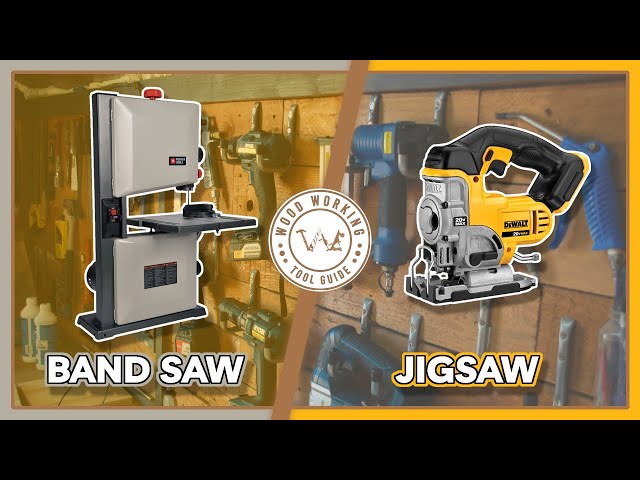
Jigsaw VS Bandsaw: Which Tool is Best for Your Projects?
When you’re standing in the tool aisle, the choice between a jigsaw and a bandsaw can feel overwhelming. Both are powerful tools that promise precision and versatility.
But how do you know which one is right for your projects? The answer lies in understanding their unique features and benefits. Picture this: you’re about to tackle your next DIY masterpiece, and selecting the right tool could save you time, money, and a whole lot of frustration.
Dive into this guide, and by the end, you’ll have a clear idea of whether a jigsaw or a bandsaw should be your go-to tool. Let’s cut through the confusion and help you make the best decision for your crafting needs.
Overview Of Jigsaw
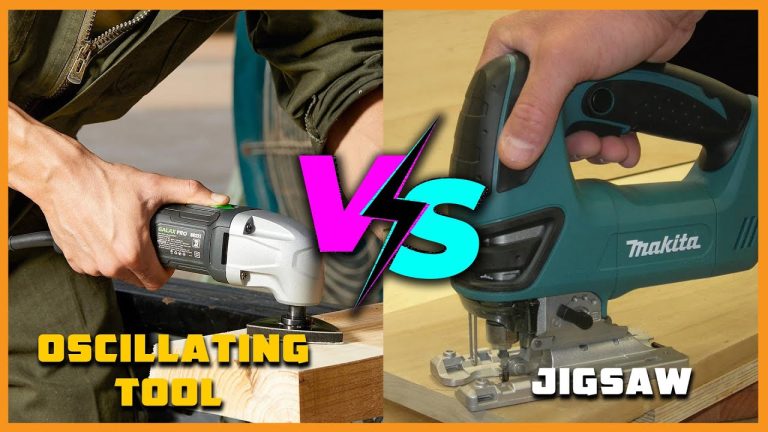
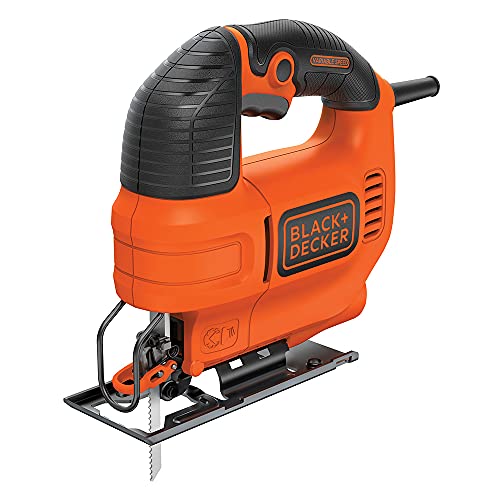
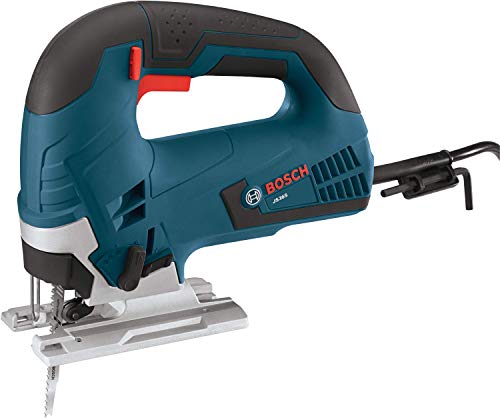
The jigsaw is a tool with a small blade. It cuts shapes in wood or metal. Its blade moves up and down very fast. This makes it easy to cut curves. The handle is comfortable to hold. Many jigsaws have speed controls. This helps to cut different materials. Some jigsaws have a light for better view.
Jigsaws are used for cutting curves and patterns. They are great for arts and crafts. They help in home repair projects. People use them to cut kitchen countertops. They are handy for cutting holes for pipes. Jigsaws work well with wood, metal, and plastic.
Pros:Easy to use and control. Cuts curves with precision. Works on many materials.
Cons:Not good for long straight cuts. Blades wear out quickly. They are not as powerful as other saws.
Overview Of Bandsaw
Bandsaws have a long, sharp blade. The blade runs in a loop. This design helps cut wood, metal, and plastic. The table is flat. It supports the material during cutting. The motor powers the blade. This makes cutting easy and smooth. Bandsaws come in different sizes. Some are big for heavy work. Others are small for light tasks.
Bandsaws have adjustable speeds. This helps cut different materials. The blade is narrow and flexible. It can make straight or curved cuts. The table is tiltable. This allows angled cuts. Safety features are built-in. Guards protect the user from the blade. The dust port keeps the work area clean.
Bandsaws cut large pieces of wood. They are used in carpentry. Bandsaws also cut metal for making tools. Artists use bandsaws for sculpture. Bandsaws are helpful in furniture making. They cut intricate shapes. Bandsaws are used in factories. They cut materials quickly and safely.
| Pros | Cons |
|---|---|
| Versatile in cutting | Requires regular maintenance |
| Makes precise cuts | Can be noisy |
| Works on various materials | Bulky and heavy |
Comparing Cutting Capabilities
Jigsawsare great for cutting curves. They offer good control. Bandsawsexcel at straight cuts. They are very precise. Both tools have their strengths. For delicate work, jigsaws shine. Bandsaws are better for thick wood. Accuracy is key in both tools. Choose based on your project needs.
Jigsaws cut various materials. Wood, plastic, and metal. Bandsawshandle thicker pieces. They cut wood and metal well. Each tool has its benefits. Jigsaws are flexible. Bandsaws offer power. Decide based on your materials. Both have unique uses. Material choice affects tool choice.

Credit: northernnester.com
Ease Of Use
Jigsaws are very easy to set up. They are lightweight and user-friendly. Great for quick tasks at home. Bandsaws are bigger and more complex. They need more space and planning. Setting up a bandsaw takes more time. Users need to read the manual carefully. Both tools need safety gear. Use goggles and gloves every time.
Jigsaws need less maintenance. Check the blade often. Make sure it is sharp. Clean the jigsaw after each use. Bandsaws need more care. They have larger blades. Blades need regular sharpening. Clean the table and blade guides too. Both tools need oiling. This keeps them running smooth.
Safety Considerations
Both jigsaws and bandsaws have important safety features. Jigsaws often come with blade guards. These guards help protect your fingers. Bandsaws have blade guides. They keep the blade from wobbling. Emergency stop buttons are common on both. They quickly stop the machine if needed. Dust ports help keep the work area clean. Clean areas are safer to work in.
Always wear safety goggles when using these tools. Goggles protect your eyes from flying wood chips. Keep your hands away from the blades. Use clamps to hold wood in place. Never wear loose clothing near moving parts. Loose clothing can get caught. Ensure the work area is well-lit. Good lighting helps you see what you’re doing. Check the blade for sharpness before starting. Sharp blades cut better and safer.

Credit: wenproducts.com
Project Suitability
Jigsawsare best for simple and small projects. They can cut curves and angles easily. They work well on thin materials like plywood. Many people use jigsaws for crafting and DIY projects. They are safe for beginners.
Bandsawshandle bigger and tougher projects. They cut thick wood and metal with ease. Bandsaws are perfect for straight lines and large shapes. Woodworkers love them for making furniture. Bandsaws need more skill to use.
Jigsaws are great for art and crafts. You can make puzzles and toys with them. Bandsaws are better for building large items. Think of cabinets and tables. Both tools have unique uses.
Think about your project size. Jigsaws suit small tasks. Bandsaws are for bigger jobs. Consider the material type. Jigsaws cut thin wood well. Bandsaws work on thick pieces. Choose the tool that fits your needs.
Cost And Accessibility
Jigsaws are usually cheaper than bandsaws. Their price starts from $30. Bandsaws can cost over $100. Prices vary based on features. Jigsaws are great for small budgets. Bandsaws are for serious projects. Buying a jigsaw is easy.
Jigsaws are found in most stores. They are common. Bandsaws are less common. You may need a special store. Online shops sell both tools. Jigsaws are more available online. Bandsaws might need shipping. Check availability before buying.
User Feedback
Many professionals use both jigsawsand bandsawsin their work. Jigsaws are praised for their versatilityand ability to cut curves. They are great for smaller projects. Bandsaws, on the other hand, are known for their precisionand power. They can cut through thicker materialswith ease. Professionals often use bandsaws for heavy-dutytasks. Each tool has its own unique benefitsdepending on the job.
Hobbyists love jigsaws for their ease of use. They are lightweightand easy to handle. Jigsaws are perfect for craft projectsand DIYtasks. Bandsaws, while larger, offer more stability. They provide smoother cuts on larger piecesof wood. Many hobbyists find bandsaws intimidatingat first. But with practice, they become a favorite tool.

Credit: www.youtube.com
Frequently Asked Questions
What Is Better, A Jigsaw Or A Bandsaw?
A bandsaw is ideal for cutting thick, large materials and curves. A jigsaw offers more versatility for intricate cuts and portability. Choose a bandsaw for heavy-duty tasks, while a jigsaw is better for detailed, flexible work. Consider project needs and material types when deciding.
Can You Make Straight Cuts With A Jigsaw?
Yes, a jigsaw can make straight cuts. Use a guide, such as a ruler or straight edge, to ensure accuracy. Proper blade selection and steady movement also enhance precision. Jigsaws excel in versatility, making them suitable for straight and curved cuts on various materials.
What Is The 3-tooth Rule For Bandsaws?
The 3-tooth rule ensures optimal performance in bandsaws. Maintain at least three teeth in contact with the material. This prevents blade damage and ensures smooth cuts. Choose the right blade pitch based on material thickness for effective cutting. Proper adherence to this rule enhances precision and prolongs blade life.
What Are The Disadvantages Of A Bandsaw?
Bandsaws can be expensive and require regular maintenance. They have limited cutting depth and can produce rough edges. Blade replacement can be costly and frequent. Noise and dust generation are common, requiring proper safety measures. Some models may lack portability due to their size and weight.
Conclusion
Choosing between a jigsaw and a bandsaw depends on your project needs. Both tools have unique strengths and applications. Jigsaws excel in cutting curves and shapes. They are ideal for intricate designs. Bandsaws, on the other hand, handle straight cuts and thick materials well.
Perfect for resawing and making uniform cuts. Consider your specific tasks and material types. A jigsaw suits detailed work. A bandsaw fits heavy-duty tasks. Evaluate your workspace too. Space constraints might influence your decision. Ultimately, both tools are valuable in any workshop.
Make your choice wisely for the best results.