Jigsaw Vs Oscillating Tool: Which Suits Your Project?
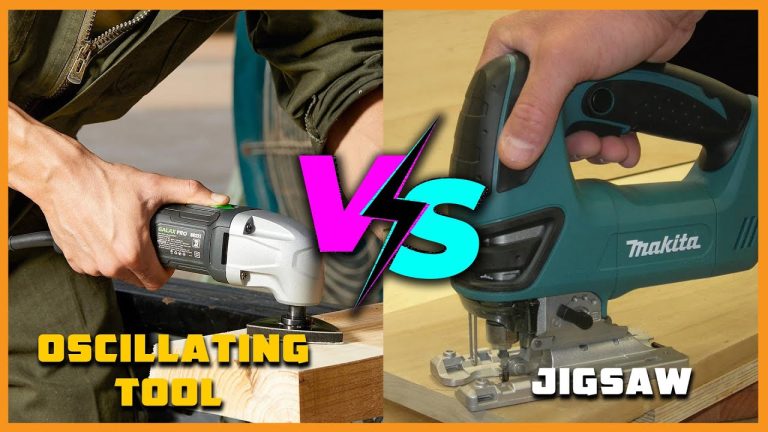
Are you caught in the dilemma of choosing between a jigsaw and an oscillating tool for your next DIY project? You’re not alone.
The decision can be as intricate as the cuts you plan to make. Understanding the strengths and weaknesses of each tool can transform your work from a tedious task into a seamless, satisfying experience. Imagine slicing through materials with precision and ease, making your projects look like they were done by a pro.
The right tool not only saves you time but can elevate your craftsmanship to a whole new level. Dive into this comparison to discover which tool aligns with your needs, and unlock the potential to bring your creative visions to life. Ready to make a smart choice and enhance your tool arsenal? Let’s explore the ins and outs of jigsaws and oscillating tools.
Tool Overview
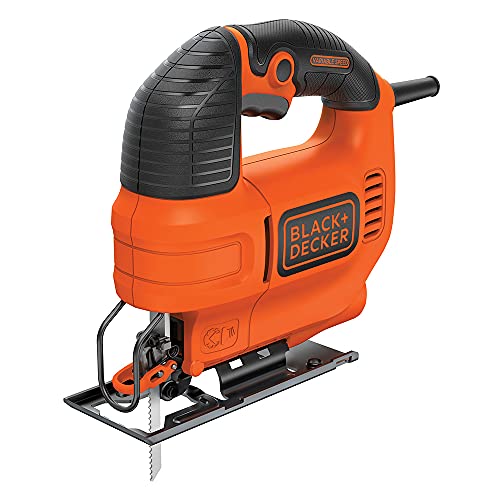
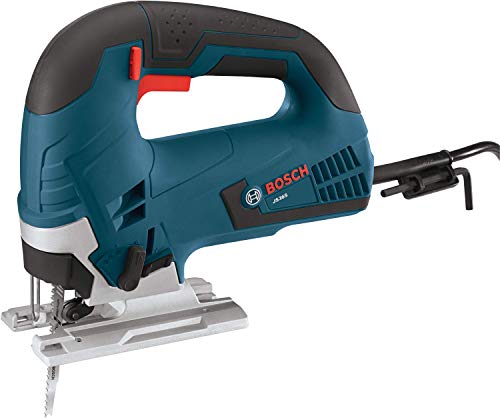
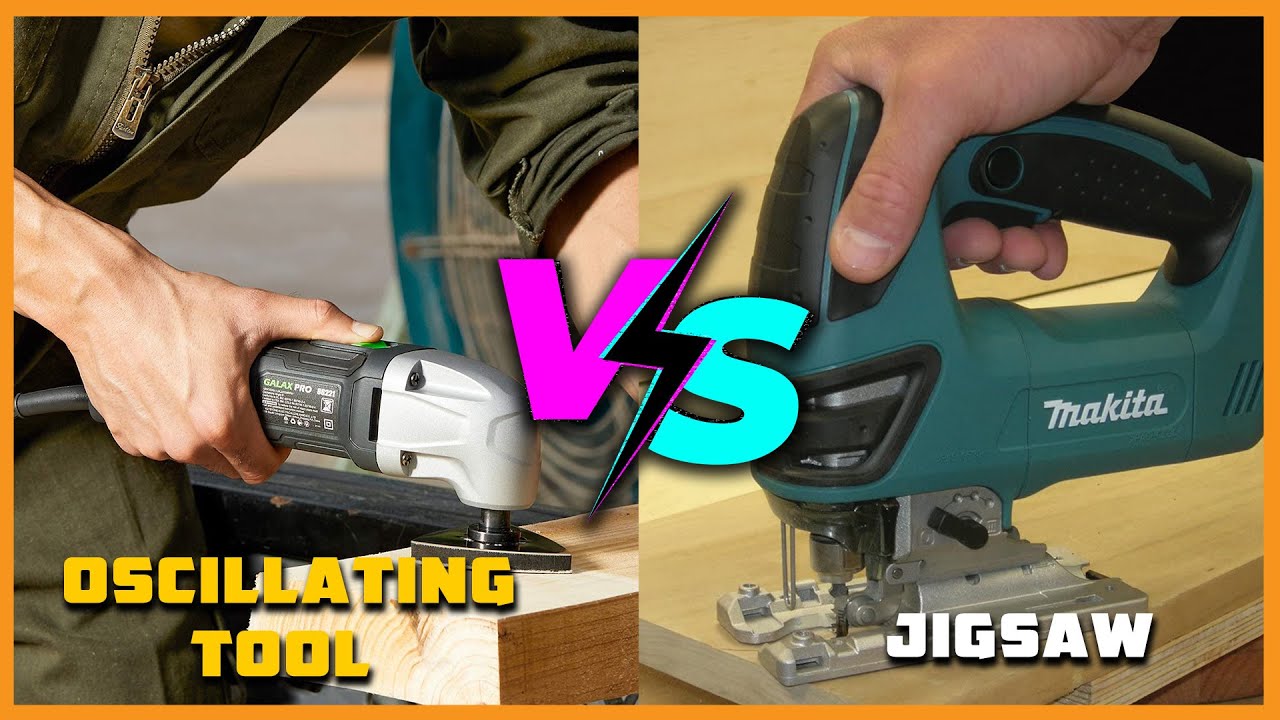
The jigsaw is a versatile tool. It can cut through wood, metal, and plastic. The blade moves up and down. This helps make curved cuts. Jigsaws are easy to use. They have a handle on top. This makes it comfortable to hold. Blades can be changed quickly. Different blades for different materials. Jigsaws are good for craft projects. They are also good for small home repairs.
The oscillating tool is a handy tool. It can do many jobs. It can cut, grind, and saw. The blade moves side to side. This is great for tight spaces. The tool is small and easy to hold. It has many attachments. You can change them for different jobs. The oscillating tool is good for detail work. It is used in construction and renovation.
Applications And Uses
Jigsaw Projectsare great for cutting curves and shapes. Woodworkers love using jigsaws for intricate designs. Artists create beautiful patterns with jigsaws. It’s also useful for cutting holes in countertops. This tool works well on wood, metal, and plastic. Builders use it to cut plywood and laminate flooring. Home renovators find it handy for making furniture and cabinets. A jigsaw can cut small pieces easily.
Oscillating Tool Tasksinclude sanding and scraping. This tool cuts through grout and removes caulk. It’s perfect for trimming door jambs. Plumbers use it for cutting pipes. Electricians prefer it for fitting outlets. It’s ideal for removing old paint. Carpenters find it useful for flush cuts. It can reach tight corners with ease. This tool is versatile and efficient.
Advantages Of Each Tool
Jigsaws are great for curved cuts. They help with cutting shapes. Jigsaws are easy to use. Kids can learn to use them. They are safewith proper care. People love jigsaws for crafts. They can cut wood and plastic. Jigsaws make fun projects.
Oscillating tools are very versatile. They can cut, sand, and scrape. These tools fit in tight spots. They help with detail work. Oscillating tools are good for fixing things. People use them in home repairs. They are great for quick jobs. Easy to handle. They save time.
Limitations To Consider
Choosing between a jigsaw and an oscillating tool requires understanding their limitations. Jigsaws excel at cutting curves but struggle with tight spaces. Oscillating tools offer versatility but lack precision in detailed tasks.
Jigsaw Drawbacks
Jigsaws can be a bit heavy. This makes them hard to control. They also make a lot of noise. This can be annoying and tiring. Jigsaws struggle with thick materials. They are not good for very straight lines. The blades can bend easily. This affects the cut quality. Jigsaws need practicefor perfect cuts. Beginners might find them tricky. They are not the best for detailed work.
Oscillating Tool Challenges
Oscillating tools can overheat quickly. This can damage the motor. They may not cut very deep. This limits their use. Changing blades is tricky. It takes time and patience. They vibrate a lot. This can make your hand tired. They are not always precise. Oscillating tools are not quiet. The noise can be disturbing.
Material Compatibility
Jigsaws cut through a variety of materials. Wood is the most common. They can also cut plastic. Thin metal sheets are suitable too. For ceramic, special blades are needed. Laminate and plywood are easy for jigsaws. They are not good for thick metals. Always choose the right blade for each material. This tool is handy and safe.
Oscillating tools are versatile. Wood and plastic are easy for them. Metal cutting is possible with special blades. They can handle ceramic tiles. Drywall is a common material for these tools. They can sand, cut, and scrape materials. Grout removal is simple with oscillating tools. Always use the right accessory for each task.
User Experience
Choosing between a jigsaw and an oscillating tool affects user experience in woodworking. Jigsaws excel in cutting curves and shapes. Oscillating tools offer versatility for sanding and scraping tasks. Each tool provides unique benefits, enhancing project outcomes with their specific functionalities.
Ease Of Use
A jigsaw is easy for beginners. It cuts in straight lines and curves. Just hold it steady and guide it. An oscillating tool is also easy. It can do many jobs. This tool is light and easy to handle. It fits in small places. Changing blades is simple. Both tools have easy controls. They are user-friendly. Kids should not use them alone. They need adult help.
Safety Considerations
Safety is important for both tools. Wear goggles and gloves. Protect your eyes and hands. Keep fingers away from blades. The jigsaw blade moves fast. Be careful with it. An oscillating tool vibrates. Hold it tight to avoid slips. Unplug tools when not in use. Read the manual first. Follow safety steps always.
Cost And Value
Jigsaws usually cost less than oscillating tools. This makes them a popular choice for beginners. Oscillating tools are often more expensive but offer more functions. You might find them useful for various projects. Each tool serves different needs. If you only cut wood, a jigsaw might be enough. For more tasks, consider an oscillating tool.
A jigsaw can last many years. It is great for basic cutting jobs. But an oscillating tool can do more. It might save money in the long run. You won’t need many different tools. Both tools have their strengths. Think about what projects you want to do. Choose the tool that fits your plans. Investing in the right tool can offer more value over time.

Credit: www.amazon.com
Making The Right Choice
The type of projectis important. A jigsaw is good for curved cuts. It works well on woodand metal. An oscillating tool is better for tight spaces. It can sand, cut, and scrape. Think about what your project needs.
Jigsawsare handy for art projects and DIY crafts. Oscillating toolsare great for home repairs. Choose based on your task type.
Some people like the feelof a jigsaw. It has a handleon top. Others prefer the controlof an oscillating tool. It is easy to holdwith one hand.
Think about your comfort. Do you like a smooth grip? Or do you prefer a sturdy handle? Try both tools if you can. Choose the one that feels rightin your hands.
Frequently Asked Questions
Can An Oscillating Tool Cut Through A 2×4?
Yes, an oscillating tool can cut through a 2×4. Use a wood-cutting blade for best results. Ensure the blade is sharp and suitable for wood. The process might be slower compared to other tools, but it is effective for precise cuts in tight spaces.
What Is An Oscillating Tool Good For?
An oscillating tool is versatile for cutting, sanding, scraping, and grinding. It works on wood, metal, and plastic. Ideal for detailed work in tight spaces, it excels in home repairs and renovations. Its interchangeable blades and attachments offer flexibility for various tasks.
Perfect for DIY enthusiasts and professionals alike.
What Tool Is Better Than A Jigsaw?
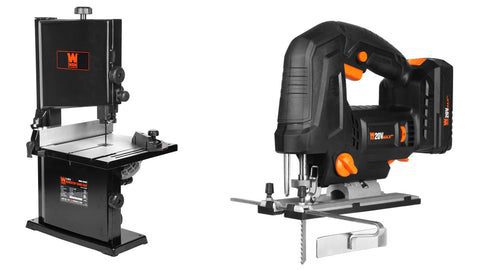
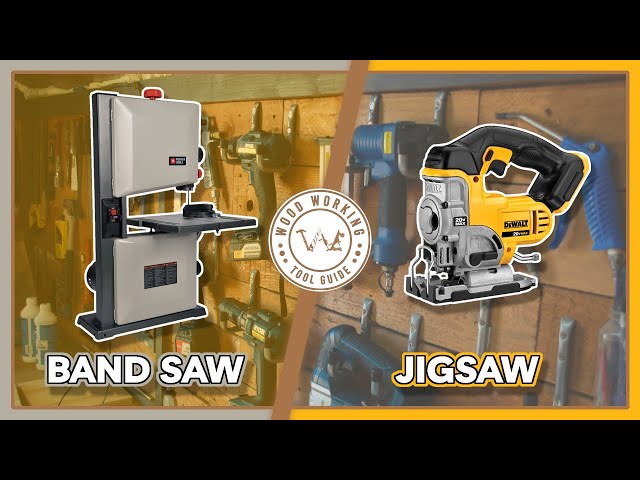
A bandsaw is often better than a jigsaw for cutting thicker materials. It provides smoother and straighter cuts. Bandsaws excel in cutting curves and intricate designs with precision. Their stability and power make them ideal for woodworking projects requiring detailed craftsmanship.
Why Doesn’t An Oscillating Tool Cut Skin?
An oscillating tool doesn’t cut skin because it moves in rapid, small arcs. Human skin is flexible and soft, which absorbs this motion without injury. The tool is designed for dense materials, not delicate surfaces like skin. Always use safety precautions when operating power tools.
Conclusion
Choosing between a jigsaw and an oscillating tool depends on your needs. Both tools offer unique benefits. Jigsaws excel in cutting curves and shapes. They are great for detailed work. Oscillating tools shine in versatility. They handle sanding, cutting, and scraping with ease.
Consider the tasks you’ll tackle most. A jigsaw suits woodworking projects well. An oscillating tool fits diverse home repairs. Understanding each tool’s strengths helps in making a smart decision. Remember, the right tool makes projects easier and more enjoyable. Happy crafting!