Keep Carpenter Bees from Drilling Holes Fast Today
You want to stop carpenter bees from making holes in your home, and that’s a common problem for many people. It might seem tricky to know where to start, but don’t worry! This guide makes it super simple.
We’ll walk you through easy steps to fix the issue quickly. Get ready to learn how to Keep Carpenter Bees from Drilling Holes Fast. We’ll cover everything you need to know to get those bees out and keep them away for good.
Understanding Carpenter Bees and Their Damage
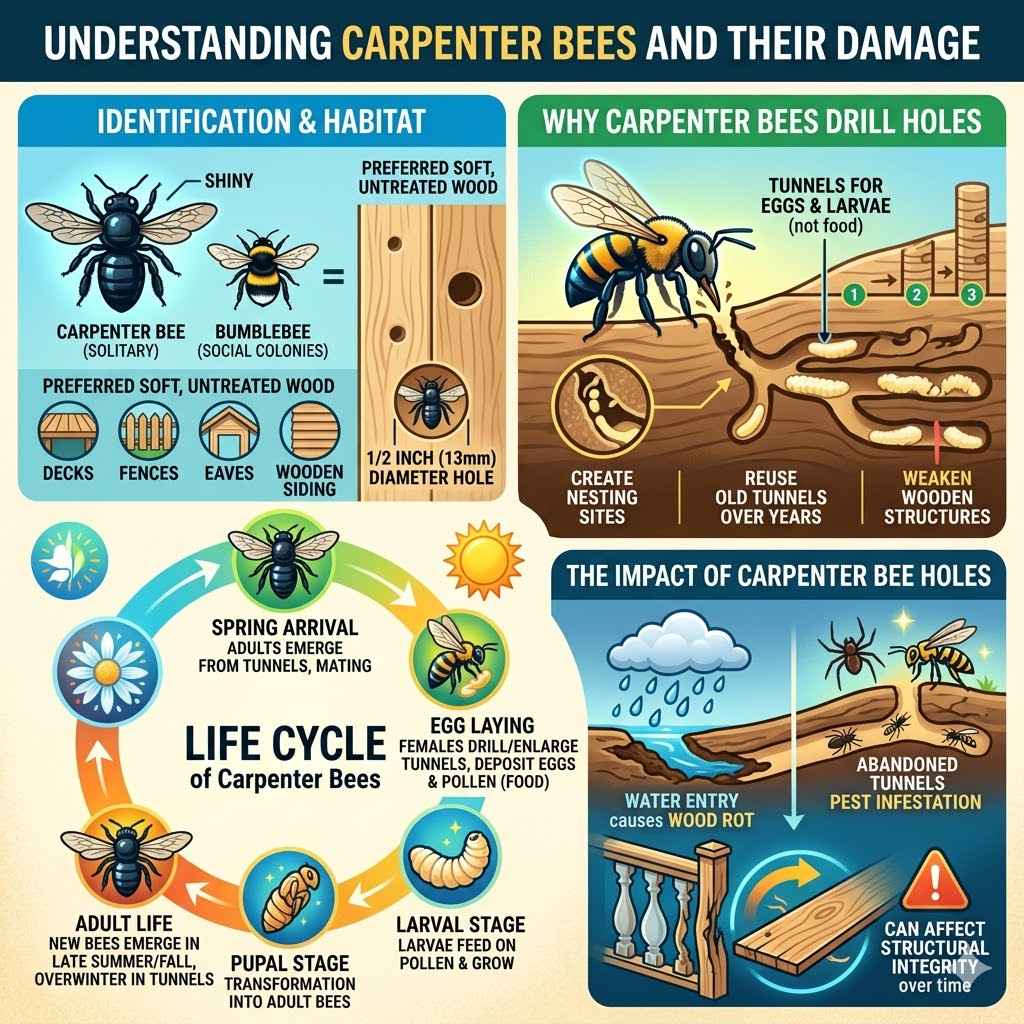
Carpenter bees are often mistaken for bumblebees, but they look different. They are large, black, and shiny. Unlike bumblebees, carpenter bees don’t live in social colonies.
They are solitary insects. Female carpenter bees bore into wood to create nests. They prefer soft, untreated wood.
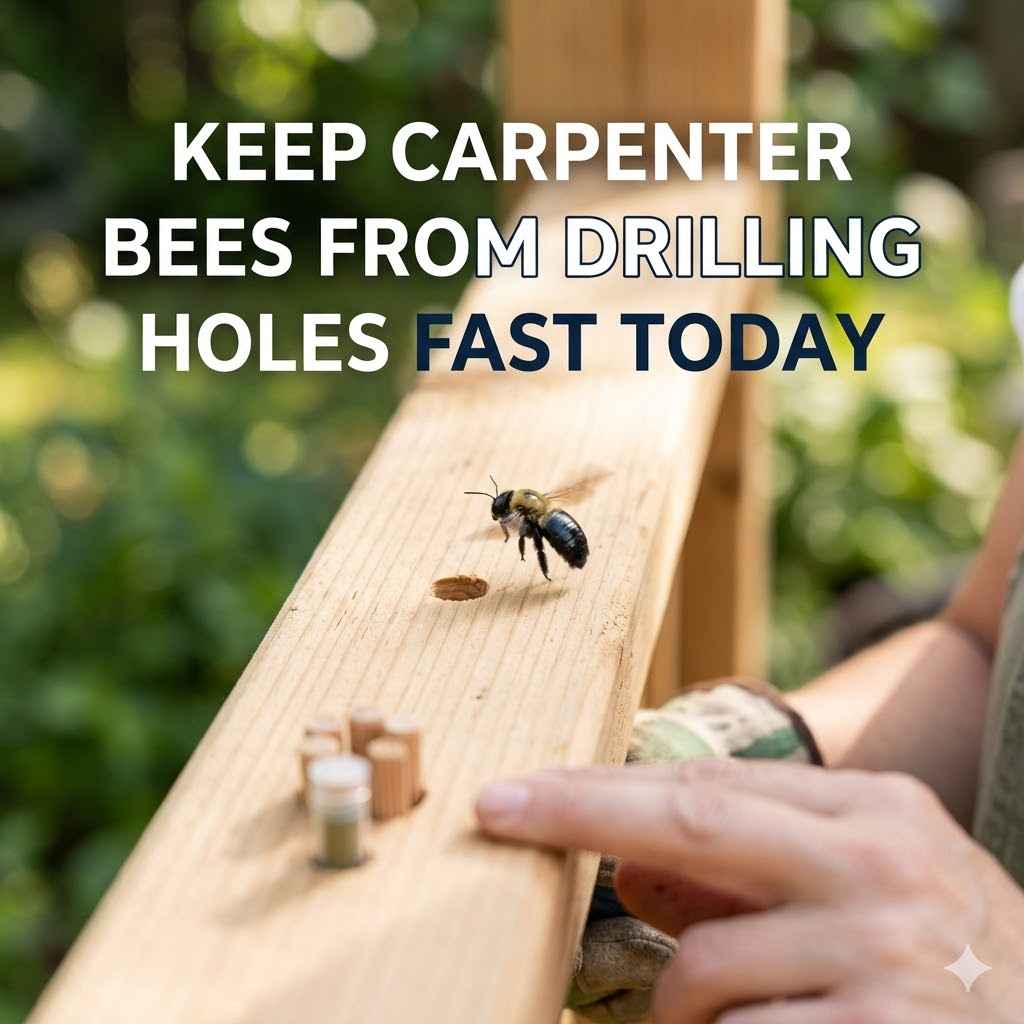
This can include decks, fences, eaves, and wooden siding. The holes they make are usually about half an inch in diameter.
Why Carpenter Bees Drill Holes
Carpenter bees drill holes for a very specific reason: to lay their eggs. Female bees use their strong jaws to chew through wood. This creates tunnels that serve as nurseries for their young.
They don’t eat the wood; they just tunnel through it. These tunnels can be several inches long.
A single bee might create a new hole. More often, they reuse old tunnels from previous years. This means a small problem can grow over time if not addressed.
The damage might not seem like much at first. However, over many seasons, these tunnels can weaken wooden structures.
Life Cycle of Carpenter Bees
Understanding their life cycle helps us know when and how to stop them.
- Spring Arrival: Adult carpenter bees emerge from their tunnels in early spring. They are looking for mates and suitable wood to drill into. This is the best time to spot them and take action.
- Egg Laying: After mating, females drill new tunnels or enlarge existing ones. They lay eggs inside these tunnels. They also provision the tunnels with a ball of pollen. This pollen will be food for the developing larvae.
- Larval Stage: The eggs hatch into larvae. The larvae feed on the pollen and grow. They go through several molts as they develop.
- Pupal Stage: Once fully grown, the larvae enter the pupal stage. They transform into adult bees during this time.
- Adult Life: New adult bees emerge in late summer or fall. They may spend the winter in the old tunnels or in the ground. These are the bees that will emerge next spring.
The Impact of Carpenter Bee Holes
The damage from carpenter bees is more than just small holes. These tunnels can lead to bigger problems. Rainwater can enter the tunnels.
This can cause the wood to rot. This rot can spread and weaken the wood structure.
Also, old tunnels can become homes for other pests. Spiders and wasps might move into abandoned tunnels. This adds to the annoyance and potential damage.
In some cases, repeated drilling can affect the structural integrity of wood. This is especially true for smaller wooden elements like railings or decorative trim.
Methods to Keep Carpenter Bees from Drilling Holes Fast
When you want to Keep Carpenter Bees from Drilling Holes Fast, acting quickly is key. The best approach combines prevention and direct treatment. Early action prevents a small issue from becoming a large infestation.
Preventative Measures for Wood Surfaces
The best defense against carpenter bees is to make your wood less attractive to them. They prefer bare, unpainted, or unstained wood.
Paint or Stain Your Wood: Carpenter bees dislike painted or stained surfaces. They find it harder to chew through them. Apply a good quality exterior paint or stain to all exposed wood. Pay special attention to surfaces like decks, fences, and eaves.
Seal Existing Holes: If you see small holes, fill them immediately. Use wood putty, caulk, or even wooden dowels. Sealing old holes discourages bees from reusing them. It also prevents water damage and other pests.
Use Hardwoods: If you are building new structures, consider using hardwoods. Carpenter bees find it much harder to tunnel into dense hardwoods like oak or redwood.
Natural Deterrents
Some people prefer natural methods to keep bees away. While not always as powerful as chemical treatments, they can be effective.
Citrus Sprays: Carpenter bees reportedly dislike citrus scents. You can make a spray using lemon or orange peels. Steep them in water, then strain and spray on wooden surfaces. You may need to reapply this frequently.
Almond Oil: Some sources suggest that almond oil can deter carpenter bees. Apply pure almond oil to areas where you see bee activity.
Vinegar Solution: A solution of vinegar and water can also be sprayed on wood. Like citrus, this needs regular reapplication.
Direct Treatment of Infested Areas
If you already have holes, you need to treat them directly. This usually involves killing the bees inside the tunnels.
Insecticide Dusts: Apply insecticidal dust, such as boric acid or diatomaceous earth, into the drilled holes. The bees will track the dust onto their bodies as they enter and exit. This can kill them. Be sure to use these products according to label instructions. Wear protective gear.
Aerosol Sprays: You can also use aerosol insecticidal sprays designed for stinging insects. Aim the spray directly into the holes. It is best to do this in the evening when bees are less active.
Treating Active Tunnels: Look for freshly drilled holes with a fine sawdust-like material (called frass) around them. This indicates recent activity. Treat these holes.
Timing is Everything
To Keep Carpenter Bees from Drilling Holes Fast, timing your treatments is important.
Spring Treatment: Treat any existing holes in the early spring as soon as you see bee activity. This can kill bees before they lay eggs.
Late Summer/Fall Treatment: You can also treat tunnels in late summer or fall. This targets the new adults that have emerged. It also helps prevent them from overwintering in the tunnels.
Sealing Holes Effectively
After treating, sealing the holes is crucial. This prevents reinfestation and further damage.
Wait for Treatment to Work: Let the insecticide dust or spray work for a few days. This ensures that bees inside are killed.
Choose the Right Material: Use wood putty, wood filler, or epoxy. For larger holes, you might need to use dowels.
Apply Securely: Pack the material firmly into the hole. Make sure it is flush with the wood surface.
Sand and Repaint: Once the filler is dry, sand it smooth. Then, paint or stain the area to match the surrounding wood. This makes the repair invisible.
Advanced Strategies to Keep Carpenter Bees Away
For persistent problems or large infestations, you might need to go beyond simple treatments. These methods offer more long-term protection.
Professional Pest Control
If you have a severe infestation, consider calling a professional pest control service.
Expert Assessment: Professionals can accurately identify the extent of the problem. They can also determine the best course of action.
Effective Treatments: They have access to stronger, more targeted treatments. They also know how to apply them safely.
Guaranteed Results: Many pest control companies offer guarantees on their services. This can provide peace of mind.
Physical Barriers and Traps
Some people find success with physical barriers or specialized traps.
Carpenter Bee Traps: These are often wooden boxes with holes drilled into them. Inside, there might be a bottle or jar. Bees fly into the holes looking for nesting spots. They then fall into the trap and cannot escape. You can buy these or build them yourself.
Wire Mesh: For new construction or areas you are repairing, consider installing wire mesh. This can cover vulnerable wood edges and prevent bees from starting tunnels.
Understanding Carpenter Bee Behavior
Knowing how carpenter bees behave helps in prevention.
Preferred Wood Types: They prefer softwoods like pine, fir, and cedar. They avoid dense hardwoods.
Sun Exposure: Carpenter bees are often attracted to sun-drenched wood. They seem to prefer areas that get a lot of sunlight. This is why they often target south-facing surfaces.
Proximity to Water: Some studies suggest they might be attracted to wood that is near water sources. This could be due to moisture content or other environmental factors.
Repelling with Sound or Vibration
Some anecdotal evidence suggests that certain sounds or vibrations might deter carpenter bees.
Ultrasonic Devices: There are ultrasonic pest repellers available. These devices emit high-frequency sounds that are meant to be unpleasant to insects. Their effectiveness against carpenter bees is debated and not scientifically proven for all cases.
Vibrating Surfaces: Some people try to create vibrations on wooden structures. This could involve small mechanical vibrators. The idea is to make the wood seem unstable or unsuitable for nesting.
Keeping Carpenter Bees from Drilling Holes Fast in Different Areas
The approach to Keep Carpenter Bees from Drilling Holes Fast might vary slightly depending on where the bees are active.
Decks and Patios
Decks and patios are prime targets for carpenter bees. They are often made of softwood and exposed to the elements.
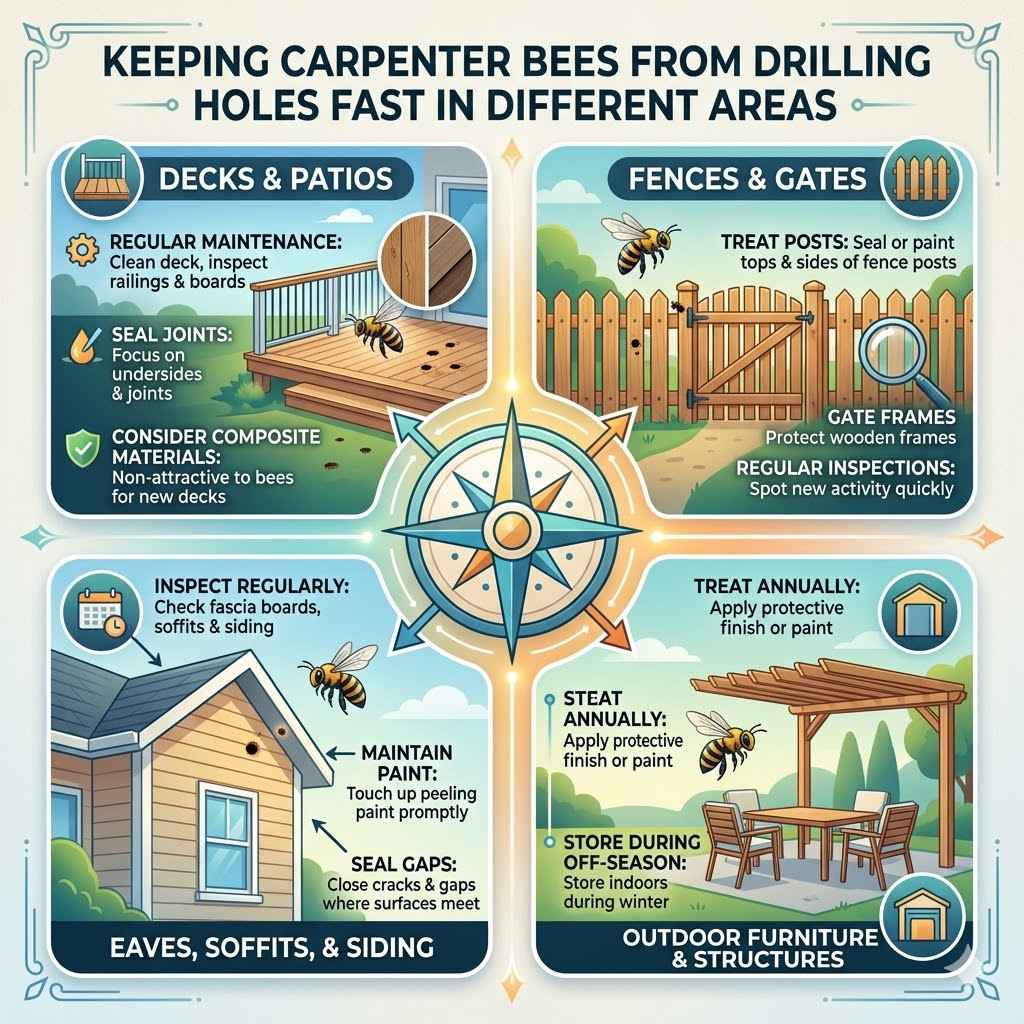
Regular Maintenance: Keep your deck clean and free of debris. Regularly inspect railings, support beams, and deck boards for new holes.
Sealing Joints: Pay attention to the undersides of deck boards and around joints. These areas are often less protected by paint or stain.
Consider Composite Materials: For new decks or major renovations, composite decking is an excellent option. It is not attractive to carpenter bees.
Fences and Gates
Wooden fences and gates are very vulnerable.
Treat Posts: The tops and sides of fence posts are common drilling sites. Ensure these are well-sealed or painted.
Gate Frames: The wooden frames of gates can also be targeted.
Regular Inspections: Walk along your fence line regularly to spot new activity.
Eaves, Soffits, and Siding
These parts of your house provide sheltered areas that bees often exploit.
Inspect Regularly: Carpenter bees often drill into the ends of fascia boards and soffits. They can also target wooden siding.
Maintain Paint: Keep the paint on your house in good condition. Touch up any peeling or chipped paint promptly.
Seal Gaps: Seal any cracks or gaps where wood meets other surfaces. This makes it harder for bees to find starting points.
Outdoor Furniture and Structures
Wooden outdoor furniture, pergolas, and gazebos can also be attractive to carpenter bees.
Treat Annually: Consider applying a protective finish or paint to these items annually.
Store During Off-Season: If possible, store wooden furniture indoors during the winter. This limits exposure.
FAQ
Question: How can I tell if I have carpenter bees
Answer: Look for large, black, shiny bees that resemble bumblebees but have a bare, shiny abdomen. You might also see small, perfectly round holes (about half an inch wide) in wooden surfaces, often with fine sawdust-like material (frass) beneath them.
Question: What is the best time of year to treat for carpenter bees
Answer: The best times are early spring when they first emerge to mate and drill new holes, and late summer/fall to catch the new generation before they overwinter.
Question: Can carpenter bee holes cause structural damage
Answer: Yes, especially over time. Repeated drilling and the resulting rot can weaken wooden structures. This is more of a concern with older, untreated wood and in areas with heavy infestations.
Question: Are carpenter bees dangerous
Answer: Female carpenter bees can sting, but they are not aggressive. They usually only sting if they feel threatened, like if you try to catch them or directly interfere with their nest. Male carpenter bees cannot sting.
Question: What are some natural ways to deter carpenter bees
Answer: Natural deterrents include spraying wooden surfaces with citrus (lemon, orange) solutions, almond oil, or a vinegar and water mixture. Keeping wood painted or stained is also a very effective natural preventative measure.
Conclusion
Keeping carpenter bees from drilling holes fast is achievable with the right steps. Focus on protecting your wood by painting or staining it. Seal any holes you find promptly.
Act in spring or fall to treat active nests. With consistent effort and these simple methods, you can protect your home from these wood-boring insects effectively.