Lacquer Vs Polyurethane: Ultimate Finish Showdown
Choosing the right finish for your wood projects can be a daunting task. With so many options available, how do you decide between lacquer and polyurethane?
Understanding the differences between these two popular finishes is crucial for achieving the look and durability you desire. Whether you’re sprucing up your furniture or embarking on a DIY project, the finish you choose will impact not only the appearance but also the lifespan of your masterpiece.
Imagine the satisfaction of knowing your wood surfaces are protected and look stunning. What if you could confidently select the finish that perfectly aligns with your needs? By delving into the unique characteristics of lacquer and polyurethane, you’ll be equipped to make an informed decision. Discover which finish best suits your project and ensure your woodwork stands the test of time. Are you ready to explore the world of wood finishes and find the perfect match for your needs? Let’s dive in!
Finish Characteristics
Lacquer dries fast. It gives a shiny finish. The surface looks smooth. Lacquer is thinner. It allows for multiple layers. Many coats can be applied quickly. It resists water and sunlight. Scratches are less visible. Lacquer needs regular maintenance. It may wear out over time. It’s best for indoor use.
Polyurethane is thicker than lacquer. It provides a strong finish. It resists heat and chemicals. The surface is durable. Polyurethane lasts longer. It’s good for floors and furniture. The finish can be glossy or matte. Application is slow but effective. It protects against wear and tear. It’s suitable for both indoor and outdoor use.
Application Techniques
Lacquer dries very fast. Spray guns are the best for lacquer. Use thin coats for a smooth finish. Apply in a well-ventilated area. Protect your eyes and skin. Wear a mask too. Sand between coats if needed. This helps the next coat stick well.
Polyurethane takes longer to dry. Brushes or rollers work well with it. Apply in thin layers. Avoid bubbles by applying slowly. Keep your work area clean. Dust can ruin the finish. Ventilation is important. Use a fan or open windows. Sand lightly between coats for a smooth surface.
Durability And Longevity
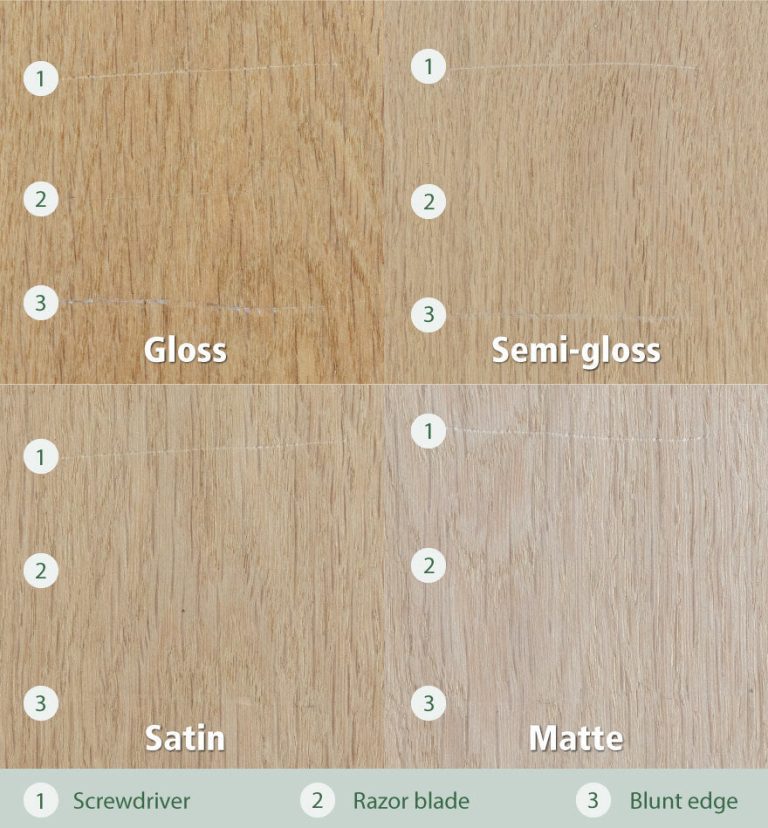
Lacquer has a soft finish. Polyurethane is hard and tough. Polyurethane resists scratches better. Lacquer can show marks easily. Polyurethane lasts longer. Lacquer might need more care. Polyurethane protects surfaces well. Lacquer can look worn over time.
Lacquer can have strong smells. Polyurethane is less smelly. Polyurethane often has fewer fumes. Lacquer might use harsh chemicals. Polyurethane is usually safer for air. Lacquer can harm the environment. Polyurethane is often more eco-friendly. Lacquer needs careful handling.
:max_bytes(150000):strip_icc()/what-is-varnish-5219382-final-769e617c97924959b047d49b97c62bae.png)
Credit: www.thespruce.com
Aesthetic Appeal
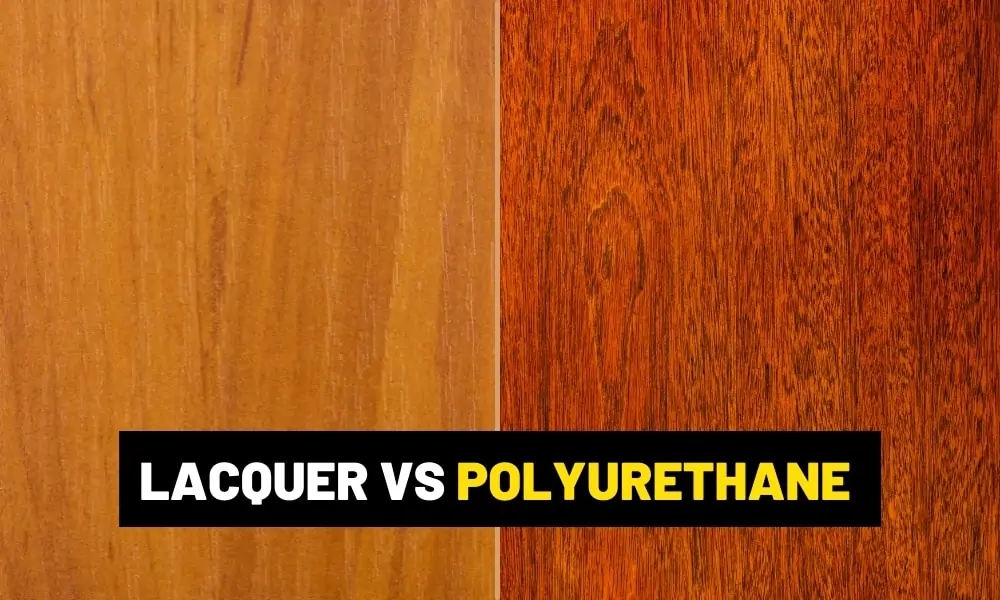
Lacquer often has a higher glossthan polyurethane. It gives surfaces a shiny look. Polyurethane offers a softer sheen. This is great for a subtle finish. Both can enhance the beauty of wood. But lacquer is often more eye-catching.
Lacquer provides a clearcoating. It highlights the wood’s natural color. Polyurethane may add a slight tint. This can change the wood’s look. Some people like this effect. Others prefer the natural color.
Maintenance And Repair
Lacquersurfaces need gentle cleaning. Use a soft cloth. Avoid harsh chemicals. Dust the surface often. This keeps it shiny. Polyurethaneis tougher. Clean it with mild soap. Use water for rinsing. Wipe dry after cleaning. Both finishes need regular care. This helps them last longer.
Scratches can occur on both finishes. Lacquerrepairs are simple. Apply a new coat over the scratch. It blends well. Polyurethanemay need sanding first. Then, apply a fresh layer. Deeper damages need professional help. Frequent inspection helps find problems early. Quick repairs prevent further damage.
Credit: sofasrescue.com
Cost And Availability
Lacquer is usually cheaper than polyurethane. Lacquer costs less to produce. Polyurethane is more expensive. It has a complex formula. Many people choose lacquer to save money. Polyurethane offers better protection. It lasts longer. Some people prefer it despite the price.
Lacquer is easier to find. Many stores sell it. It is popular among DIY enthusiasts. Polyurethane is available in larger stores. It is often found in hardware sections. Both products can be bought online. People can compare prices easily. Lacquer is often in high demand. Polyurethane is chosen for professional projects.
Best Uses And Recommendations
Lacquer gives a smooth and shiny finish. It is good for wood furniture. It also dries quickly. People love it for cabinets. It protects from scratches and stains. Polyurethane is strong. It is good for heavy-use furniture. It resists heat and water. Choose it for kitchen tables.
Polyurethane is perfect for floors. It protects from foot traffic. Floors stay beautiful longer. Lacquer is not good for floors. It is good for outdoor items. Use it for garden chairs. Lacquer gives a nice look. But it needs care. Polyurethane is better for decking. It lasts long. It handles weather well.

Credit: www.rubcorp.com
Frequently Asked Questions
What Is Better, Polyurethane Or Lacquer?
Polyurethane offers better durability and water resistance, ideal for high-traffic areas. Lacquer dries faster and provides a beautiful, glossy finish, suitable for furniture. Choose based on the project’s durability and aesthetic needs.
What Are The Disadvantages Of Lacquer Finish?
Lacquer finishes can be prone to scratches and chips. They may also yellow over time. Application requires proper ventilation due to strong fumes. These finishes can be less durable in high-moisture areas. They often need frequent maintenance and refinishing to maintain their appearance.
When Should You Use Lacquer?
Use lacquer for a durable, glossy finish on wood, metal, or furniture surfaces. Ideal for enhancing shine and protection, lacquer is perfect for projects requiring a smooth and clear coat. Apply it when you need quick-drying and long-lasting results.
Is Lacquer The Same Thing As Clear Coat?
Lacquer and clear coat are not the same. Lacquer is a type of paint finish, while clear coat is a protective layer applied over paint. Both enhance durability and gloss, but differ in composition and usage.
Conclusion
Choosing between lacquer and polyurethane can be challenging. Each has unique benefits. Lacquer dries quickly and offers a smooth finish. Polyurethane provides durability and water resistance. Consider the surface and use. Lacquer suits indoor furniture and décor. Polyurethane works well for floors and outdoor projects.
Budget and maintenance should guide your decision too. Both options enhance wood beauty. Your choice depends on specific needs. Always test a small area first. Ensure satisfaction with the final result. Happy woodworking!