Varnish vs Polyurethane: Outdoor vs Indoor Use
Varnish resists UV and rain better, making it best for outdoor furniture, while polyurethane yellows in sunlight but outlasts varnish indoors on floors. Using the wrong finish outdoors means yellowing and cracking within a season or two. This guide covers composition, durability, drying time, and cost for each finish.
Varnish: Composition And Features
Our Pick: Best Outdoor Varnish
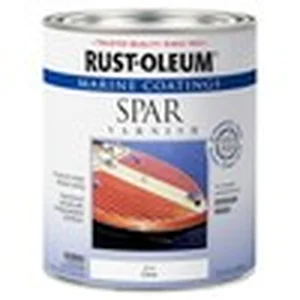 |
Rust-Oleum Marine Spar Varnish – $18.52 The UV and rain resistance this guide names as varnish’s key advantage for outdoor furniture and decking. Check on Amazon |
More Finish Options
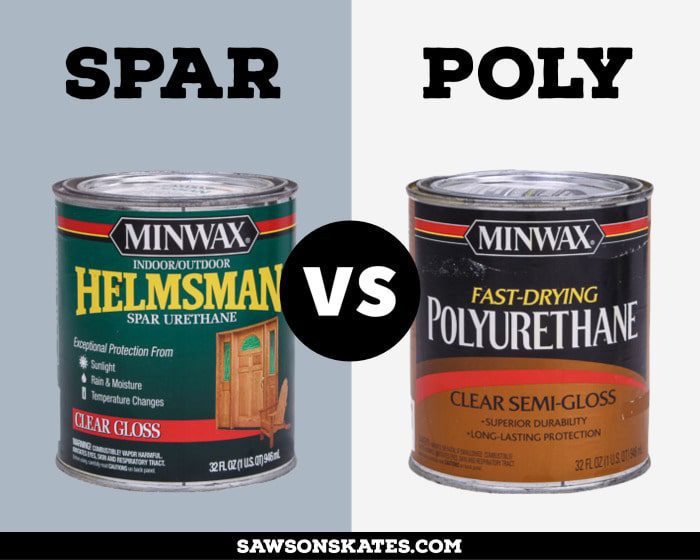
 Minwax Fast Drying Polyurethane – $48.98 The scratch-and-stain-resistant indoor finish this guide recommends for floors and high-traffic furniture. Check on Amazon |
 Minwax Helmsman Spar Urethane – $23.49 A hybrid option combining varnish-like UV protection with polyurethane’s durability, for pieces that move between indoors and out. Check on Amazon |
 Foam Brush Set, 48-Pack – $15.99 For the thin, even coats this guide recommends between sanding passes, whichever finish you choose. Check on Amazon |
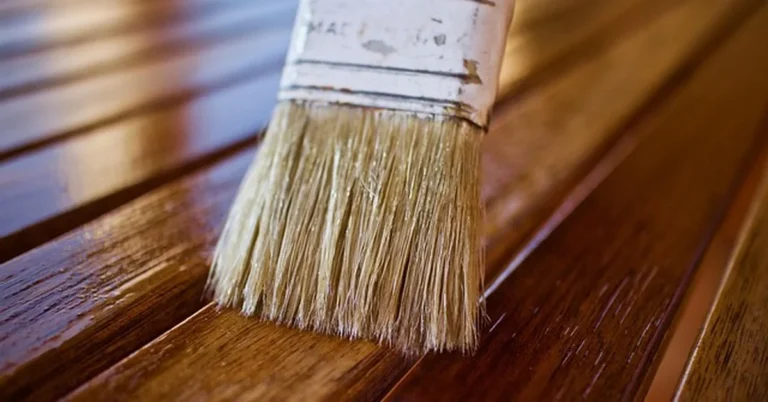
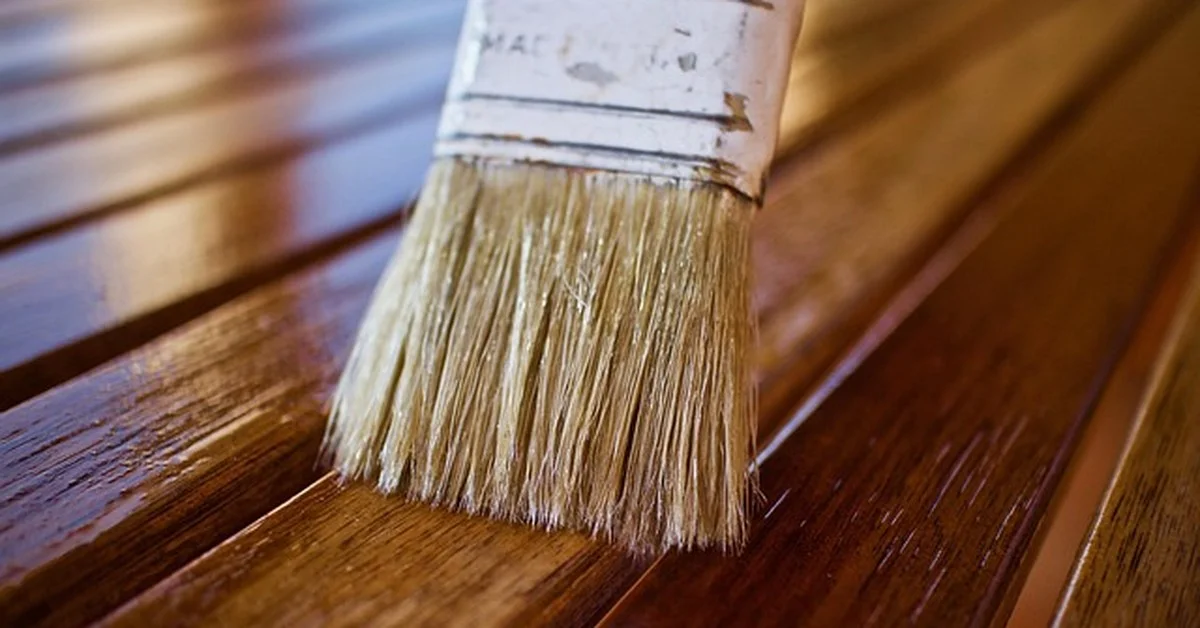
Varnish uses natural oils and resins. These ingredients come from trees. They give varnish a clear finish. Varnish lets wood show its true colors. It enhances the wood’s beauty. Natural ingredients make varnish eco-friendly.
Brush, spray, or roll varnish on wood. Each method gives a different look. Brushes work for small areas. Sprayers cover large surfaces quickly. Rollers create smooth finishes. Choose the best method for your project. Always follow instructions for best results.
Varnish is strong. It resists water and sunlight. This makes it great for outdoor furniture. It lasts a long time if applied well. Regular maintenance keeps it looking new. Protect varnish from scratches and heat.
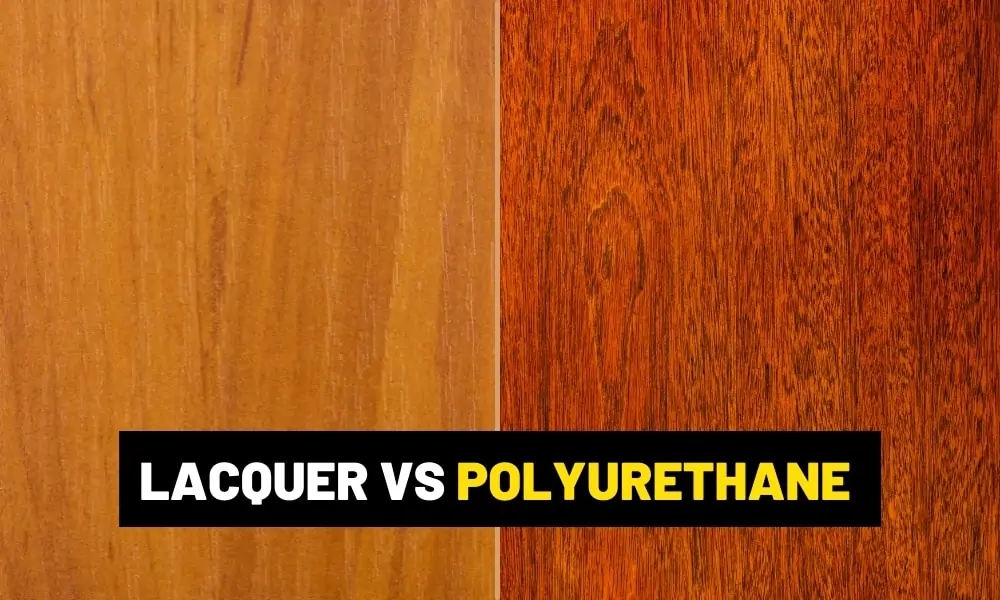
Credit: sofasrescue.com
Polyurethane: Composition And Features
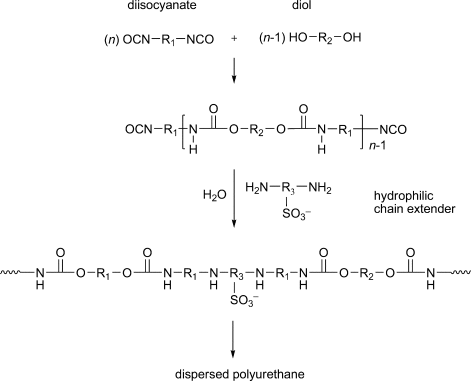
Polyurethane contains many synthetic ingredients. These include polyols and isocyanates. These ingredients make it strong and flexible. Polyols give it a soft texture. Isocyanates provide toughness. Together, they form a durable coating. This coating protects surfaces from damage. It also enhances appearance. Polyurethane resists chemicals well. It is also water-resistant.
Applying polyurethane is easy. Use brushes or rollers for the job. Spraying is another method. Thin layers work best. Let each layer dry fully. Sanding between coats is important. It makes the surface smooth. Dust-free environments improve results. Proper ventilation is needed. This helps with drying. Safety gear should be worn.
Polyurethane is known for durability. Its strong coating lasts long. Resistant to scratches and stains. It holds up under pressure. This makes it ideal for floors and furniture. High traffic areas benefit from it. UV light can cause fading. Indoor use prevents this. Polyurethane can take wear and tear. Regular maintenance extends life.
Comparing Durability
Polyurethane offers strong protection against scratches. It is often used on floors. This makes it popular for high-traffic areas. Varnish is more suitable for furniture. It provides some scratch resistance. But not as much as polyurethane. Heavy objects can damage varnish easily. Polyurethane can withstand more wear and tear.
Varnish handles sun and rain better. It is great for outdoor use. Polyurethane can turn yellow under sunlight. It is best for indoor items. Moisture affects polyurethane more than varnish. Varnish forms a stronger barrier against water.
Polyurethane needs less maintenance over time. It lasts longer without reapplication. Varnish may need recoating. It is not as durable as polyurethane. With care, both can last many years. Regular cleaning helps maintain their look.
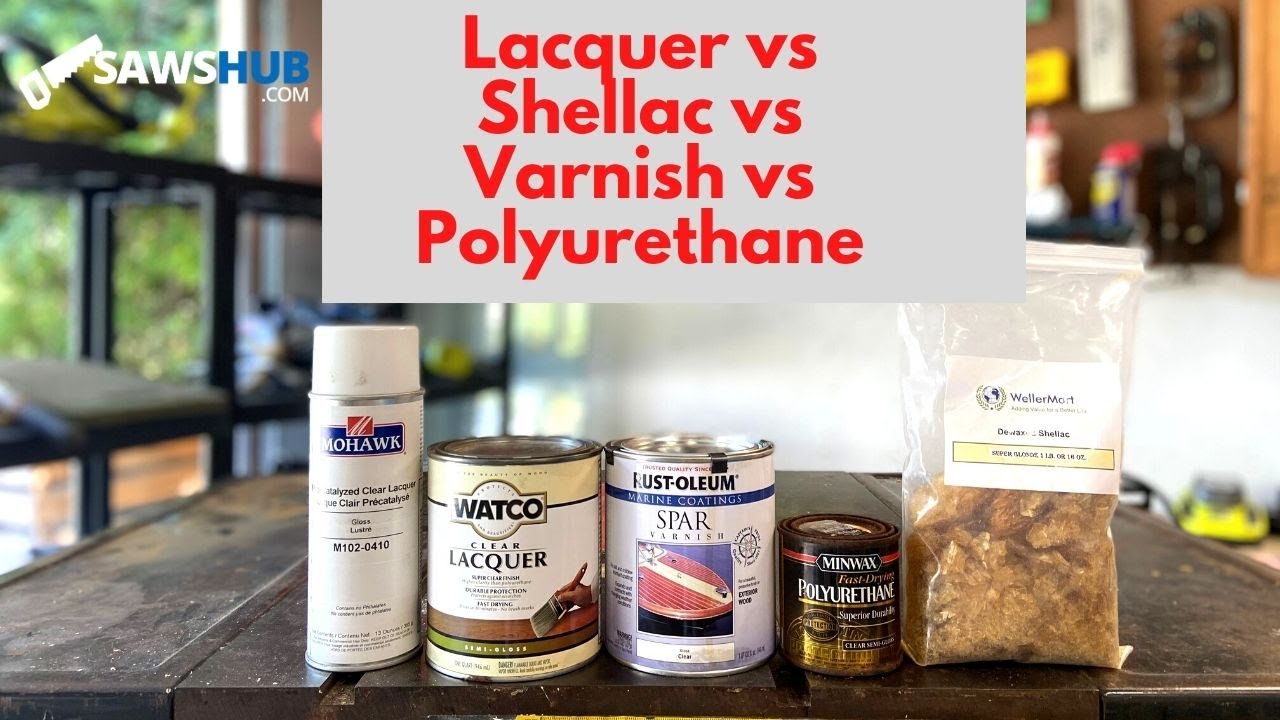
Credit: www.youtube.com
Ease Of Application
Varnish needs a clean surface before use. Dust and dirt should be removed. Sanding is usually needed to help it stick. Polyurethane also needs a clean area. Sanding can make it smoother. Both need the surface to be dry. Proper preparation helps the finish last longer.
Varnish takes longer to dry. It might need several hours. Sometimes, even a day. Polyurethane dries faster. Often within a few hours. Waiting is needed to add layers. Drying time can depend on the weather. Warm and dry days help it dry faster.
Varnish can be tricky for beginners. It needs skill to apply well. Polyurethane is easier for many people. It spreads more evenly. Both need patience and care. Reading instructions helps. Taking time to learn is good.
Cost And Value
Varnish is usually more affordable. It fits small budgets well. Polyurethane, though, can be pricier. It offers more protection. Choice depends on needs and budget. Some might prefer cost over features. Others may want durability.
Polyurethane lasts longer. It needs less frequent touch-ups. Varnish may require more maintenance. Over time, costs can add up. Think about future expenses. Polyurethane might save money later. It depends on use and wear.
Both have pros and cons. Varnish is cheaper at first. Polyurethane can be better long-term. Consider the project type. A small item might not need much. Large projects might benefit from polyurethane. Spending now can save later.
Choosing The Right Finish
Varnish is great for outdoor projects. It resists water and sun. Polyurethane suits indoor furniture. It offers a smooth finish. Each finish serves different purposes. Choose based on where you’ll use it.
Varnish gives a natural look. Polyurethane looks glossy and modern. Your choice affects the style of the item. Think about your home’s design. Do you like shiny or soft looks? Both options bring unique beauty.
Varnish is easy to apply. It dries quickly. Polyurethane is strong and long-lasting. It needs careful application. Consider how much time you have. How experienced are you? Each has its pros and cons.
Credit: www.khaticraft.com
Frequently Asked Questions
What Is The Difference Between Varnish And Polyurethane?
Varnish and polyurethane are both wood finishes but differ in composition and application. Varnish is typically oil-based and provides a natural look. Polyurethane is synthetic and offers greater durability and water resistance. Choose varnish for aesthetic appeal and polyurethane for protection.
Which Is Better For Outdoor Furniture?
Polyurethane is better for outdoor furniture due to its superior durability and water resistance. It protects against harsh weather conditions. Varnish may not withstand prolonged exposure to elements as effectively as polyurethane does. Consider polyurethane for lasting outdoor protection.
Can I Apply Polyurethane Over Varnish?
Yes, you can apply polyurethane over varnish, but ensure proper surface preparation. Clean and sand the varnish to create adhesion. Applying polyurethane over varnish can enhance durability and water resistance. Always test a small area before full application to ensure compatibility.
How Long Does Varnish Last Compared To Polyurethane?
Varnish generally lasts less than polyurethane, especially in high-traffic or outdoor areas. Polyurethane’s durability makes it ideal for surfaces needing long-term protection. Varnish may require reapplication sooner due to its softer finish. Consider usage and environment when choosing between the two.
Conclusion
Choosing between varnish and polyurethane depends on your needs. Varnish offers a natural look and flexibility. It works well outdoors. Polyurethane gives strong protection and a shiny finish. It’s best for indoor use. Both have benefits and drawbacks. Think about the environment of your project.
Consider maintenance and durability. This choice impacts appearance and longevity. Make an informed decision. Protect your wood projects effectively.
Sponsored / affiliate links. As an Amazon Associate I earn from qualifying purchases. I may earn additional commission from eligible campaigns.