Can You Paint Over Water Based Polyurethane? Answered
Polyurethane is a popular finish. It adds a tough layer to wood. It protects against spills and wear.
Water-based polyurethane is a bit different from oil-based. It cleans up with water. It also dries faster.
But when you want to paint over it, things can get tricky.
Paint needs a surface it can stick to. Polyurethane is a smooth, plastic-like coating. Sometimes, paint just slides right off.
This is especially true if the polyurethane hasn’t cured fully. Or if the paint type isn’t a good match. We need to make sure the paint can grip the surface well.
This is the main challenge.
Is Painting Over Water-Based Polyurethane Possible?
Yes, in most cases, you can paint over water-based polyurethane. But there are important steps you must follow. Skipping these can lead to problems later.
You might see the paint chip or peel. Or it could look bumpy. Following the right process is key.
The goal is to create a surface that the new paint can adhere to. Think of it like preparing a wall for paint. You wouldn’t paint directly over shiny wallpaper.
You’d sand or prime it first. This is a similar idea, but with a tougher finish.
What You’ll Need
- Mild soap and water
- Clean rags
- Fine-grit sandpaper (180-220 grit)
- Tack cloth
- Primer (bonding primer is often best)
- Your chosen paint
- Paintbrushes, rollers, or sprayer
The Preparation Steps: Making Paint Stick
This is the most crucial part. Proper preparation makes all the difference. It ensures your paint job lasts.
Let’s go through each step carefully.
Step 1: Let the Polyurethane Cure
This might sound obvious, but it’s vital. Water-based polyurethane needs time to harden. This process is called curing.
It’s not just about being dry to the touch. Curing can take days or even weeks. Check the product can for specific times.
Painting too soon is a big mistake.
If you paint over wet or uncured polyurethane, the new paint can react with it. This can cause lifting or bubbling. The finish will not be smooth.
It might also feel soft or sticky underneath. Patience here saves a lot of future work.
Step 2: Clean the Surface Thoroughly
Once the polyurethane is fully cured, you need to clean it. Use a soft cloth with mild soap and water. Gently wipe down the entire surface.
This removes any dust, dirt, or grease. These things can prevent paint from sticking.
Rinse the surface well with a clean, damp cloth. Make sure no soap residue is left behind. Let the surface dry completely.
Any moisture trapped under the paint can cause issues. A clean surface is the first step to good adhesion.
Step 3: Lightly Sand the Surface
This is where we create “tooth” for the paint. Tooth is a slightly rough surface. It gives the paint something to grab onto.
Use fine-grit sandpaper. Sandpaper between 180 and 220 grit is usually perfect. You don’t need to remove the polyurethane.
You are just lightly scuffing the surface. Make sure to sand in the direction of the wood grain, if applicable. This creates micro-scratches.
These tiny scratches help the primer and paint bond better. Apply even pressure. Don’t sand too hard, or you could go through the finish.
Step 4: Remove Sanding Dust
After sanding, there will be a fine dust everywhere. You must remove all of it. Use a tack cloth for the best results.
A tack cloth is sticky. It picks up even the smallest dust particles. Wipe the surface gently with the tack cloth.
You might need to use a few tack cloths.
You can also use a vacuum cleaner with a brush attachment first. Then follow up with a tack cloth. Ensure the surface is perfectly clean.
Any leftover dust will show up under the paint. It can make the finish look rough.
Priming is Essential: The Key to Success
This is the step many people skip. They think they can just paint over. But primer is your best friend here.
It creates a uniform surface. It helps the topcoat adhere well. For painting over polyurethane, a bonding primer is often the best choice.
Bonding primers are made to stick to tricky surfaces. They are designed for things like plastic, metal, or glossy finishes. They create a strong bond.
This prevents the paint from peeling later. Look for a primer that explicitly states it adheres to slick surfaces.
Choosing the Right Primer
Water-based paints (latex or acrylic) usually work well with water-based primers. If you are using an oil-based paint, you might consider an oil-based primer. However, many modern water-based primers can bond to almost anything.
Read the primer can’s instructions carefully. It will tell you what surfaces it’s good for.
Apply one thin, even coat of primer. Let it dry completely according to the manufacturer’s instructions. Some primers need light sanding too.
Check the can. If so, sand lightly with fine-grit sandpaper again. Clean off the dust with a tack cloth.
Painting Over the Primed Surface
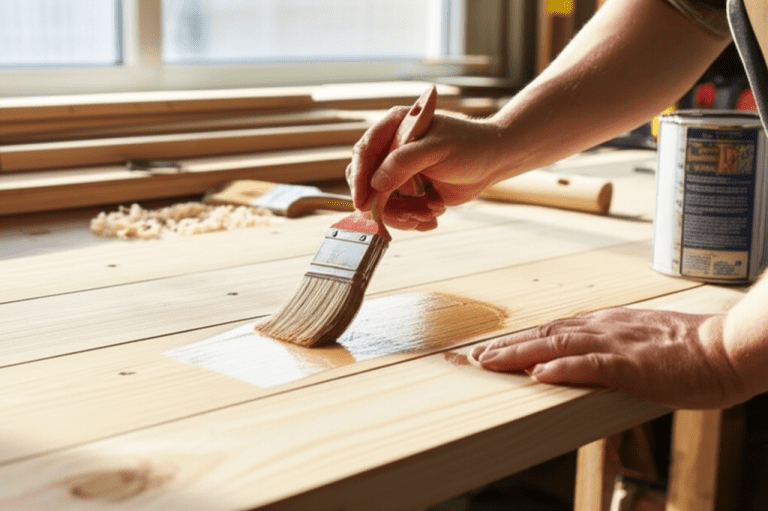
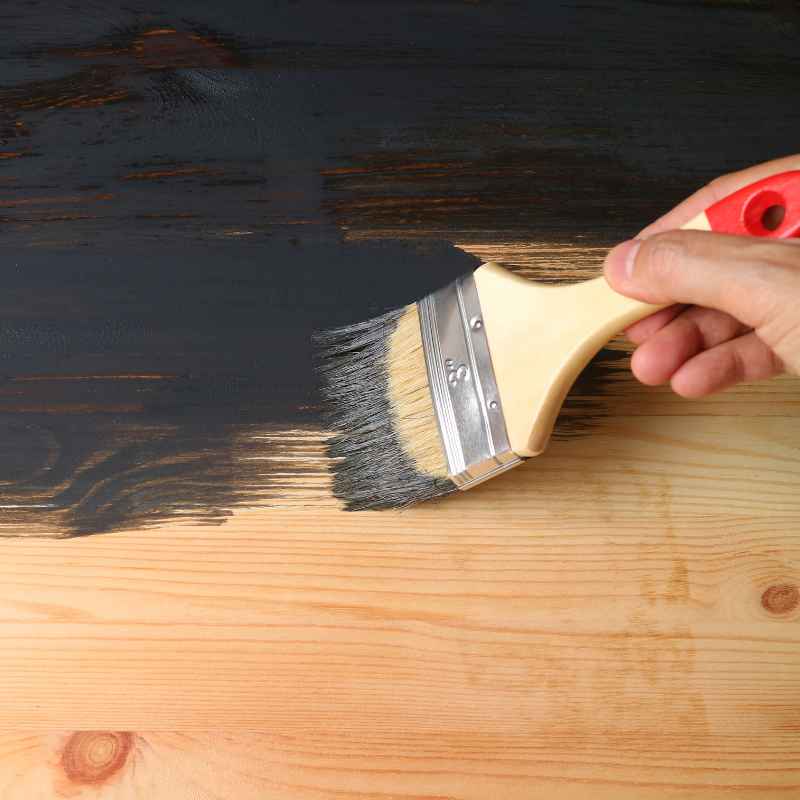
Once the primer is dry and ready, you can apply your paint. Choose a good quality paint. Consider the type of paint you want.
Latex and acrylic paints are common for home projects. They are easy to clean up. They also dry fairly quickly.
Apply your paint in thin, even coats. Avoid applying the paint too thickly. Thick coats can sag or run.
They also take longer to dry. It’s better to apply two or three thin coats. This gives a much smoother and more durable finish.
Let each coat of paint dry completely before applying the next. Check the paint can for drying times. Again, rushing this step can cause problems.
A well-applied paint job will look smooth and professional.
Different Scenarios: What to Expect
The success of painting over water-based polyurethane depends on several factors. These include the type of polyurethane, how long it has cured, and the type of paint you’re using.
Scenario 1: A Recently Finished Tabletop
Imagine you just finished a wooden tabletop with a water-based polyurethane. You waited a week for it to cure. Now you want to paint it a bright blue.
You’ve cleaned, sanded, and primed it with a bonding primer. You use a good quality acrylic paint. You apply thin coats.
In this case, you should have a great result. The paint will stick well. The finish will be smooth.
The primer created the bridge between the slippery polyurethane and the paint.
Scenario 2: Old Furniture with Unknown Finish
Sometimes you get old furniture. It might have a finish you can’t identify. It looks like polyurethane, but you’re not sure.
Or it’s been painted over before. If you suspect it’s a water-based polyurethane, the same steps apply. Cleaning, sanding, and priming are even more important.
If the old finish is damaged or flaking, you might need to strip it. Or at least sand away the loose bits. If you can’t be sure, a good quality bonding primer is your best bet.
Always test in an inconspicuous area first if possible.
Scenario 3: A High-Wear Area (like a Floor)
Painting over polyurethane on a floor requires extra care. Floors take a lot of abuse. You need maximum adhesion.
Use a primer specifically designed for floors. Also, consider a paint and topcoat system meant for floors. This usually involves a durable floor paint and a clear protective coating on top.
Even with the best prep, painted floors might not be as durable as a factory-finished floor. They might need touch-ups more often. Always follow product instructions for high-traffic areas.
Common Mistakes to Avoid
Making a few small mistakes can ruin your paint job. Let’s look at what to watch out for.
Common Pitfalls
Not Letting Polyurethane Cure: This is a major cause of peeling. Be patient. Wait for full cure time.
Skipping the Sanding: Paint needs grip. Sanding provides this. Don’t skip this step.
Using the Wrong Sandpaper: Too coarse can scratch too much. Too fine might not give enough tooth. 180-220 grit is usually good.
Not Cleaning Dust: Dust prevents adhesion. Use a tack cloth after sanding.
Forgetting Primer: Primer is essential for adhesion. Especially on a slick finish.
Applying Paint Too Thick: Thin coats dry better and look smoother. Avoid drips and sags.
When to Consider Other Options
Sometimes, painting might not be the best choice. If the polyurethane finish is heavily damaged, cracked, or peeling, it’s better to remove it. Sanding might not be enough.
You might need to strip the old finish completely.
If you are unsure about the finish or its condition, test your paint and primer in a small, hidden spot. Wait a few days to see if there’s any lifting or adhesion issues. This small test can save you a lot of work.
Can you paint over water based polyurethane on cabinets?
Yes, you absolutely can paint over water-based polyurethane on cabinets. The process is the same. Cabinets get a lot of handling.
So, the preparation steps are extra important here. Cleaning, sanding, and priming are key.
Use a good bonding primer. Then apply your cabinet paint in thin coats. Be patient between coats.
This will give you a durable and beautiful cabinet finish. Many people successfully repaint kitchen and bathroom cabinets this way.
Can you paint over water based polyurethane on trim?
Painting over water-based polyurethane on trim is also very doable. Trim often has a smooth, semi-gloss finish. This can be tricky for paint to adhere to.
So, the steps are crucial.
Clean the trim thoroughly. Lightly sand it with fine-grit sandpaper. Make sure to get into any corners or detailed areas.
Wipe away all dust with a tack cloth. Apply a quality bonding primer. Let it dry completely.
Then apply your paint, using thin coats.
This method will help ensure your painted trim looks crisp and stays that way. It won’t peel away with minor bumps or cleaning.
What about using a deglosser?
A deglosser is a liquid chemical. It is used to dull a glossy finish. It can be an alternative to sanding.
Some people find it easier. However, it’s still important to clean the surface afterward. And you usually still need a primer.
Make sure the deglosser you use is compatible with your polyurethane and your primer. Always follow the product instructions carefully. Wear gloves and ensure good ventilation.
For many, sanding is still the more reliable method for creating tooth.
The Importance of E-E-A-T in DIY Projects
When you’re working on a project, you want reliable advice. E-E-A-T stands for Experience, Expertise, Authoritativeness, and Trustworthiness. As a blogger who has tackled many DIY projects, I’ve learned through trial and error.
I’ve seen what works and what doesn’t.
Experience: I’ve personally painted over many different finishes. I know the frustration when paint doesn’t stick. This is why I emphasize preparation so much.
I’ve learned that taking those extra steps saves time and headaches later.
Expertise: Understanding how finishes and paints interact is key. Water-based polyurethanes create a smooth barrier. Paint needs something to cling to.
My explanations aim to simplify this science for you.
Authoritativeness: While I’m not a chemical engineer, my advice is based on widely accepted DIY practices and product manufacturer recommendations. For specific material safety, always refer to official sources like the EPA for general guidelines.
Trustworthiness: I always mention potential pitfalls. I advise testing and following product instructions. This ensures you have the best chance of success and avoid damaging your project.
Safety during the process is also important.
Can You Paint Over Water Based Polyurethane Without Sanding?
Generally, no, you should not paint over water-based polyurethane without sanding. While some “no-sand” primers exist, they work best on surfaces that are already somewhat receptive to paint. Polyurethane is typically very smooth and non-porous.
Without sanding, the paint has very little to grip. You risk the paint peeling or chipping off very easily. It’s much better to do the light sanding step.
It ensures a durable finish that will last. The time spent sanding is well worth the longevity of your paint job.
What Kind of Paint is Best?
For painting over water-based polyurethane, a good quality acrylic or latex paint is usually recommended. These paints are water-based themselves, which can sometimes create a better bond with the water-based polyurethane underneath. They also offer good durability and are easy to clean up.
Always use a high-quality bonding primer first. This primer will create the necessary adhesion. After the primer, your choice of topcoat paint will have a much better chance of sticking.
You can also use oil-based paints, but ensure your primer is compatible with both the polyurethane and the oil-based paint.
Conclusion: Patience and Prep Lead to Success
So, can you paint over water-based polyurethane? The answer is a resounding yes, with the right steps. It’s not a magic trick.
It requires careful preparation. Cleaning, light sanding, and a good bonding primer are your best friends. Take your time.
Follow the instructions. Your project will thank you for it.
Frequently Asked Questions About Painting Over Polyurethane
How long does water-based polyurethane take to cure before painting?
Water-based polyurethane usually needs to cure for at least 7 days. Some manufacturers recommend up to 30 days for full hardness. Always check the product label for specific cure times. Painting too soon will lead to adhesion problems.
Can I use an all-in-one paint and primer over polyurethane?
While some paints claim to be “all-in-one,” it’s generally not recommended to use them directly over polyurethane without proper prep. You still need to clean and lightly sand the surface. A separate, dedicated bonding primer is much more reliable for slick surfaces like polyurethane.
What if the polyurethane is glossy?
Glossy finishes are the most challenging. They are very smooth. This is why sanding is so important. The fine-grit sandpaper will dull the gloss. It creates microscopic scratches for the primer to adhere to. Don’t skip the sanding if the finish is very shiny.
Do I need to seal the paint after painting over polyurethane?
If the surface is something that needs extra protection, like a tabletop or high-traffic trim, you might consider a clear topcoat over your paint. Ensure the paint is fully cured before applying a topcoat. This adds another layer of durability. However, most interior paint jobs on walls or trim do not require a final clear coat.
Can I paint over polyurethane with spray paint?
Yes, you can spray paint over water-based polyurethane. The preparation steps are the same. Clean, sand, and prime thoroughly. Use a good bonding primer. Then apply your spray paint in light, even coats. This method works well for detailed items like furniture legs or picture frames.
What happens if I paint over uncured water-based polyurethane?
Painting over uncured polyurethane can cause several problems. The paint may not adhere properly and could peel or chip easily. It might also react with the uncured finish, causing bubbling, wrinkling, or a soft, sticky surface. This is why proper curing time is crucial.
Sponsored / affiliate links. As an Amazon Associate I earn from qualifying purchases. I may earn additional commission from eligible campaigns.