How Long After Staining Can You Polyurethane? (Exact Time)
This waiting game can be confusing. Some folks say wait a few hours, others say days. What’s the real deal?
Getting this timing right is super important for a smooth, lasting finish. It prevents smudges, ensures the polyurethane bonds well, and makes sure your project looks its best for years to come. Let’s break down exactly what you need to know about drying times.
The general rule is to wait at least 24 hours after staining before applying polyurethane. However, this can vary based on stain type, wood species, humidity, and temperature. Always check the stain manufacturer’s instructions for specific drying times. Proper drying prevents issues like lifting, peeling, or cloudy finishes.
Understanding Stain Drying and Curing
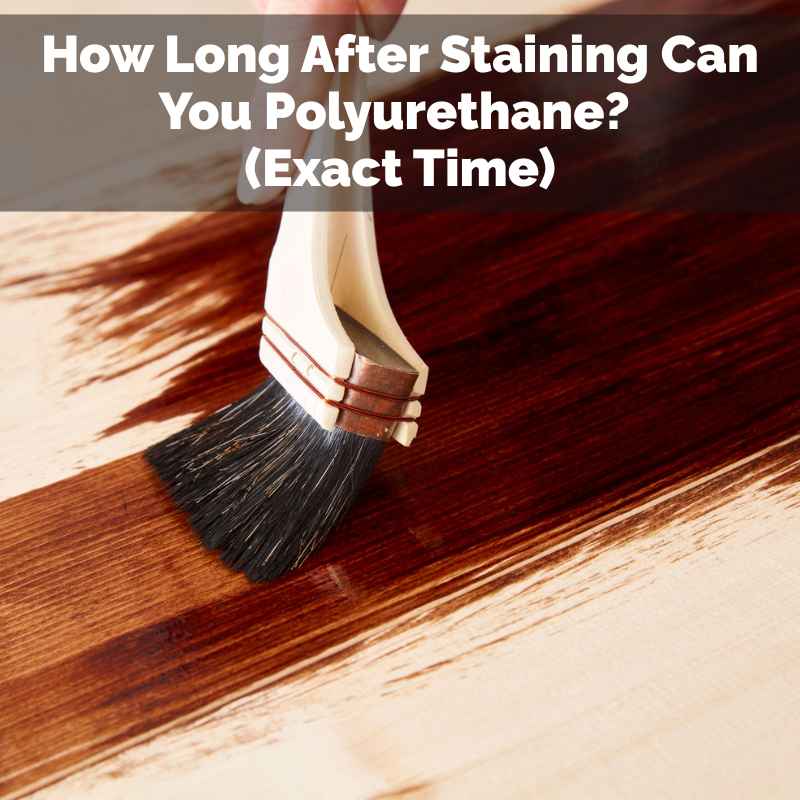
When you apply wood stain, it’s not just about the color sinking in. Stain works by penetrating the wood’s pores. It contains pigments that color the wood fibers.
It also has a solvent that helps it spread and soak in. This solvent needs to evaporate for the stain to fully dry.
Drying and curing are different. Drying is when the surface feels touch-dry. The solvents have mostly evaporated from the surface.
Curing is a deeper process. It means the stain has fully hardened and bonded with the wood. This takes much longer than just drying.
Think of it like paint: it might feel dry to the touch quickly, but it takes days or weeks to fully cure and become tough.
Wood itself plays a role. Denser woods, like oak or maple, absorb stain differently than softer woods, like pine. The type of stain matters a lot too.
Oil-based stains take longer to dry than water-based stains. Both need to be properly dry before you add another layer of finish. This is key to avoid problems later on.
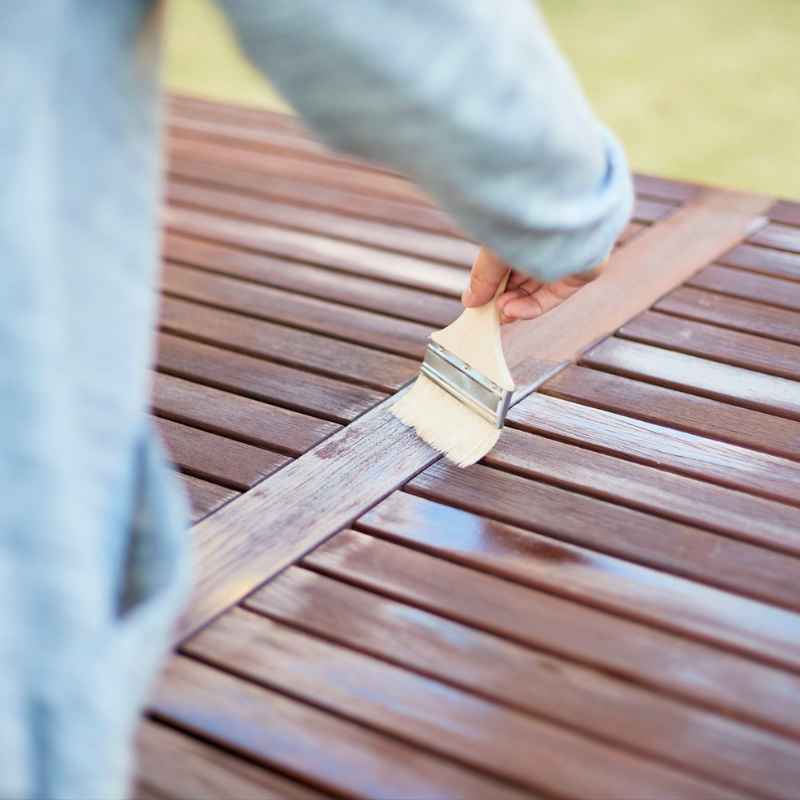
Why Waiting is So Important After Staining
You might be tempted to hurry the process. But skipping the wait time can cause real headaches. One big issue is lifting.
This happens when the wet stain underneath reacts with the polyurethane on top. It can pull the stain right off the wood. This leaves patchy spots or a cloudy look.
Another problem is poor adhesion. Polyurethane needs a dry, stable surface to stick to. If the stain is still a bit wet or oily, the polyurethane won’t bond well.
This means your protective coat might peel or chip much sooner than you’d like. It just won’t hold up to everyday use.
Think about it like trying to put a sticker on a damp surface. It doesn’t stick well, does it? The same idea applies here.
The wood needs to be ready. It needs to be completely dry and cured enough to accept the polyurethane. This ensures a strong, durable bond that lasts.
Factors Affecting Stain Drying Time
Several things can make your stain dry faster or slower. It’s not always a simple “wait 24 hours” rule. Humidity is a major player.
If the air is very damp, solvents evaporate much slower. So, if it’s muggy outside, your stain might take longer to dry.
Temperature is also critical. Warmer temperatures help solvents evaporate more quickly. Colder temperatures slow this process down.
Most stain manufacturers suggest working in a specific temperature range, often between 65-75 degrees Fahrenheit. Avoid extreme heat or cold.
The type of wood you’re staining makes a difference. Porous woods, like pine, soak up stain quickly. Denser hardwoods might take longer to absorb and thus longer to dry.
Also, the thickness of the stain application matters. A thin coat will dry faster than a thick, heavy coat.
Finally, how you wiped off the excess stain is important. If you leave too much behind, it will take longer to dry. A good wipe-off removes the excess that won’t penetrate.
This helps speed up the drying process.
Stain Drying Factors: A Quick Look
High Humidity: Slows drying.
Low Temperature: Slows drying.
Dense Woods: May take longer.
Thick Coats: Take longer to dry.
Excess Wipe-off: Slows drying.
Types of Wood Stains and Their Drying
There are two main types of wood stains: oil-based and water-based. They behave very differently. Oil-based stains penetrate the wood well.
They often give a rich, deep color. However, they also take longer to dry. You might be looking at 24-48 hours, sometimes even longer, before they are ready for a topcoat.
Water-based stains dry much faster. They are typically ready for a topcoat in 2-4 hours. This can be a huge time saver for projects.
However, they can sometimes raise the wood grain more than oil-based stains. You might need extra sanding between coats.
There are also gel stains. These are thicker and sit more on the surface than penetrating. They are great for non-wood surfaces or when you want a very controlled color.
Gel stains usually dry quite quickly, often within a few hours, but always check the product label.
Always read the can! The manufacturer knows their product best. They will give you the most accurate drying and recoat times.
Don’t guess. Check the label. It’s your best guide.
My Own “Stain Too Soon” Story
I remember one time I was working on a coffee table for my living room. It was a weekend project. I was really excited to get it done before guests arrived the next day.
I picked a nice dark walnut stain. The can said “recoat in 24 hours.” I thought, “Oh, it feels dry already, I can probably do it sooner.”
So, after about 8 hours, I started applying the first coat of polyurethane. I was so proud of how smooth it looked. But the next morning, I noticed something was off.
There were these faint, dull streaks. And in one spot, where I had pressed a little too hard moving the can, the stain had smudged under the poly. It looked cloudy.
I was so frustrated! I had rushed it. The stain wasn’t fully cured.
The solvents were still working their way out. They reacted with the wet polyurethane. This caused the streaks and the smudge.
I had to sand the whole thing down again. Then I waited the full 24 hours. The second time, it came out perfect.
That mistake taught me a valuable lesson about patience.
My Coffee Table Mishap: Key Takeaways
Mistake: Applied polyurethane too soon (8 hours after staining).
Problem: Dull streaks and smudging.
Cause: Stain not fully dry or cured, reacted with polyurethane.
Solution: Sanded down and waited 24 hours for a perfect finish.
How to Test if Your Stain is Truly Dry
You can often tell by touch. Gently press a finger onto an inconspicuous spot. If it feels sticky or leaves any color on your finger, it’s not dry yet.
It needs more time. But touch isn’t always enough. Sometimes it feels dry on top but is still wet underneath.
A better test involves a simple piece of cloth. Take a clean, white rag. Lightly rub a small section of the stained wood.
If any color transfers to the rag, the stain is still releasing pigment. It needs more time to dry and set. This is a good indicator that the stain hasn’t fully bonded.
Another reliable method is to use a small piece of painter’s tape. Stick it firmly onto the stained surface. Then, carefully peel it off.
If the tape pulls up any stain color or leaves a mark, the stain is not ready for a topcoat. This test is especially helpful if you’re using a stain that might be prone to lifting.
Always perform these tests in a few different spots. Some areas might dry faster than others, especially near edges or in well-ventilated areas. Trust your tests more than just a time estimate on the can, as conditions vary.
Polyurethane Application: What to Expect
Once your stain is properly dry, you’re ready for polyurethane. Polyurethane is a protective clear coat. It adds durability and a finished look.
There are oil-based and water-based (or acrylic) polyurethanes, just like stains. They also have different drying times.
Water-based polyurethanes dry very quickly. Often, they are dry to the touch in about 1 hour. You can usually apply a second coat within 2-4 hours.
This makes them great for quick projects. They also have low odor and clean up with soap and water.
Oil-based polyurethanes take longer to dry. They are typically dry to the touch in 6-8 hours. You’ll need to wait at least 12-24 hours before applying a second coat.
They offer a more durable finish and a warmer amber tone over time. However, they have strong fumes and require mineral spirits for cleanup.
When applying, use thin, even coats. Avoid puddles. Always follow the manufacturer’s instructions on the can for application and drying times.
Sanding lightly between coats is usually recommended. This helps the next coat adhere better for a super smooth finish.
Polyurethane Drying vs. Curing
Drying to touch: Usually 1-8 hours, depending on type.
Recoat time: Typically 2-24 hours, depending on type.
Full Cure: Can take 7-30 days. Avoid heavy use during this time.
Real-World Scenarios and Timeframes
Let’s look at some common situations. Imagine you’re staining a small cabinet door in your garage on a cool, humid day. The humidity is around 70%, and the temperature is 60°F.
The stain you used is an oil-based type. In these conditions, that “24-hour” rule might stretch to 36 or even 48 hours. The solvents are just not evaporating quickly.
Now, consider staining a large dining table in a warm, dry workshop. The humidity is 40%, and the temperature is 75°F. You’re using a fast-drying water-based stain.
This stain might be ready for a topcoat in as little as 2-4 hours. This is a significant difference!
What if you’re staining outdoors in the summer? Direct sunlight can heat the wood surface. This can actually speed up solvent evaporation from the surface.
However, if the humidity is also high, the deeper layers might still be slow to dry. It’s a balance. It’s always best to aim for mild, consistent conditions if possible.
My advice? If you’re unsure, it’s always better to wait an extra day than to rush. A little extra patience now saves you a lot of work later if something goes wrong.
Think about the project’s value and how long you want the finish to last.
The Role of Wood Type in Drying
The wood itself is a major factor in how stain dries. Softwoods like pine have large, open pores. They absorb stain quickly and deeply.
This means there’s more solvent within the wood that needs to escape. So, pine might take a bit longer to dry than you’d expect, even with a fast-drying stain.
Hardwoods like oak or maple have tighter pores. They don’t absorb as much liquid stain. The stain sits more on the surface and in the outer layers of the wood.
This can lead to quicker drying times for the stain itself. However, if you applied a very thick coat, it can still take a while to dry.
Exotic woods can be tricky. Some are naturally oily. These oils can interfere with stain absorption and drying.
You might need to use a special pre-stain conditioner or choose a stain formulated for difficult woods. Always research the wood species you are working with. Knowing its properties helps you anticipate drying times.
I’ve worked with an African wood called Wenge once. It was beautiful but incredibly dense and a bit oily. The stain I used took nearly 72 hours to feel truly dry to the touch, much longer than any other wood I had worked with.
It really highlighted how much the wood type can influence the process.
When is it Okay to Polyurethane Sooner?
There are very few times when you can safely polyurethane sooner than the general guidelines suggest. The main exception is if you are using a specific product combination that the manufacturer explicitly states is compatible for quick recoating. For example, some pre-stain conditioners are designed to speed up the drying of certain stains.
Another case might be if you are using a very thin wash coat of stain. This is more like a colored water than a traditional stain. It penetrates minimally.
If you wipe off almost all of it very quickly, the surface might be dry enough for a light coat of poly in a few hours. However, this is risky and not recommended for most projects.
In general, always err on the side of caution. The safest bet is to wait at least 24 hours for oil-based stains, and at least 4-6 hours for water-based stains. Even if the surface feels dry, give it that extra time to ensure the deeper layers have set.
This is especially true if you’re aiming for a high-quality, long-lasting finish.
If you are in a real pinch for time, consider using a different finishing system. Some products, like Rubio Monocoat, cure much faster and can be ready for light use in 24-48 hours after application. They often combine the stain and protective layer in one step.
Quick Polyurethane Window? Check These First:
Manufacturer Specs: Does the stain and poly say they can be recoated fast?
Stain Type: Water-based stains dry faster than oil-based.
Thin Coat: Was the stain applied very thinly and wiped off thoroughly?
Test It: Use the tape test or cloth rub test. Do not skip this!
Conditions: Is it warm and dry? This helps.
Signs Your Stain Isn’t Ready for Polyurethane
You’ve waited what you think is long enough. But how do you know for sure? Look for visual cues.
If the stained surface still looks shiny or wet in spots, it’s not dry. It might have absorbed too much stain, or the solvent isn’t evaporating.
When you touch it, does it feel tacky? That’s a definite sign it’s not ready. Any residue coming off on your finger or a clean cloth means the stain is still mobile.
It needs more time to set. This is the most common giveaway.
Another sign can be a strong solvent smell. While some smell is normal, a lingering, potent chemical odor might mean the solvents haven’t fully escaped the wood. Polyurethane can trap these fumes, leading to a less durable finish or discoloration.
If you notice any imperfections like raised grain that wasn’t there before, or if the color seems slightly uneven, these could also be subtle hints that the stain hasn’t fully settled. It’s always better to wait a bit longer. It’s much easier to add more waiting time than to fix a botched finish.
What If You’ve Already Applied Polyurethane Too Soon?
Don’t panic! It happens to the best of us. If you’ve already put on a coat of polyurethane and notice problems like lifting, cloudiness, or smudging, you’ll likely need to fix it.
The first step is usually to let the polyurethane dry completely. This might take 24-48 hours, depending on the type.
Once dry, you’ll need to sand the affected areas. If the whole piece is affected, you might have to sand down to the bare wood. If it’s just a few spots, you can try carefully sanding those areas smooth.
Use fine-grit sandpaper, like 220 grit or higher.
After sanding, clean the surface thoroughly to remove all dust. Then, you can reapply your stain if necessary. And this time, wait the full recommended drying time before applying polyurethane.
Make sure to do your touch tests to confirm it’s ready.
If the issue is minor, like a slight cloudiness, sometimes a very light sanding and another coat of polyurethane can help blend it in. But for lifting or smudging, it usually requires going back further.
Fixing “Applied Too Soon” Mistakes
1. Let Poly Dry: Wait until the poly is fully dry.
2. Sand Carefully: Smooth out affected areas with fine sandpaper.
3. Clean Thoroughly: Remove all dust and debris.
4. Reapply Stain (If Needed): Get the color back right.
5. Wait and Test: Follow all drying and testing steps.
6. Apply Poly Correctly: Use thin, even coats.
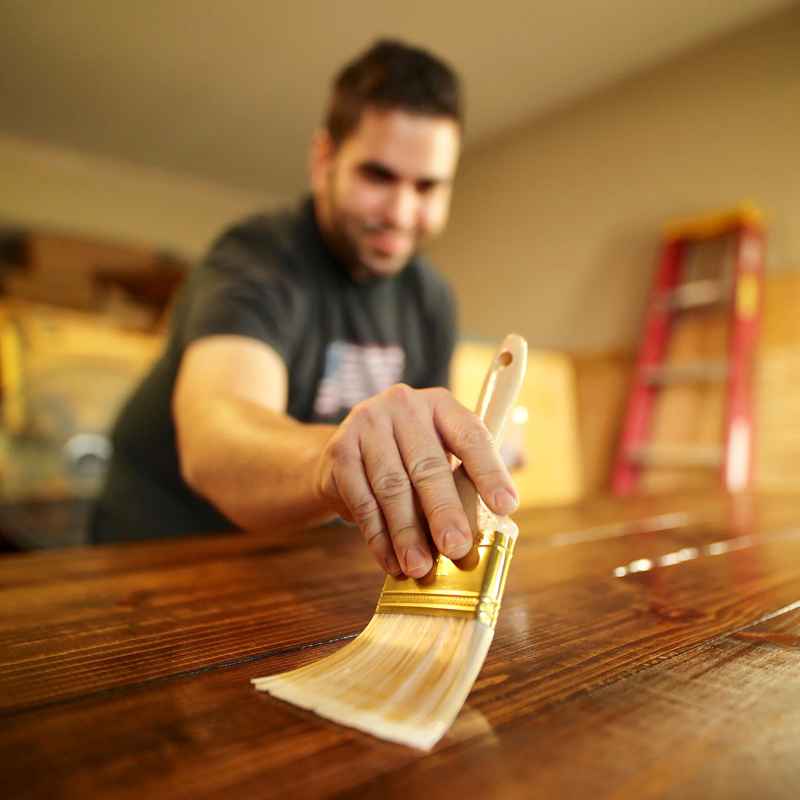
Conclusion: Patience is Your Best Tool
So, to wrap it all up, the answer to “how long after staining can you polyurethane?” is generally at least 24 hours for oil-based stains, and 4-6 hours for water-based. But remember, this is a guideline, not a strict rule. Always consider the specific products you’re using, the wood type, and the environmental conditions.
The most important takeaway is to test, test, test. Don’t rely solely on the clock. Use your fingers, a clean cloth, or painter’s tape to ensure the stain is truly dry and cured enough to accept a polyurethane finish.
This simple step can save you a lot of rework and ensure your project looks its absolute best.
Frequently Asked Questions About Staining and Polyurethane
How long does oil-based stain really take to dry?
Oil-based stains typically need at least 24 hours to dry to the touch. However, for the best results and to ensure full curing before applying polyurethane, waiting 48 hours is often recommended. This is especially true in cooler or more humid conditions.
Can I use a fan to speed up stain drying?
Yes, using a fan can help. Moving air helps to carry away the solvent vapors from the stain’s surface. However, avoid pointing the fan directly at the surface for too long, as this can sometimes cause uneven drying or raise the wood grain.
Gentle air circulation is best.
What’s the difference between drying and curing for stain?
Drying means the surface feels touch-dry and the initial solvents have evaporated. Curing is a deeper, longer process where the stain fully hardens and bonds with the wood. Polyurethane should ideally be applied after the stain has at least fully dried, but waiting for a partial cure is even better for durability.
Why does my water-based stain feel sticky after 2 hours?
Water-based stains are fast-drying, but humidity can significantly slow them down. If it’s very humid, the water in the stain and the surrounding air can prevent proper evaporation. Also, applying the stain too thickly can lead to sticky spots that take longer to dry.
Can I apply polyurethane over a stain that isn’t completely dry?
It’s not recommended. Applying polyurethane over a still-wet or oily stain can cause several problems. These include lifting the stain, creating cloudy patches, preventing proper adhesion, and trapping solvents, which weakens the final finish.
How many coats of polyurethane do I need?
The number of polyurethane coats depends on the use of the item. For furniture that sees a lot of wear, like tabletops or chairs, 3-4 coats are common. For decorative items or walls, 2 coats might be sufficient.
Always check the product’s coverage and recommendations.
Sponsored / affiliate links. As an Amazon Associate I earn from qualifying purchases. I may earn additional commission from eligible campaigns.