Is Polyurethane Foam Safe to Sleep on?: Uncover the Truth
Yes, polyurethane foam is generally safe to sleep on. It is widely used in mattresses and pillows.
But, there’s more to consider. Polyurethane foam has become a popular choice in bedding. Many people love its comfort and support. Yet, concerns about its safety often arise. Is it really harmless? Understanding its properties and potential risks can help.
This blog will explore the safety of sleeping on polyurethane foam. We’ll look at its benefits and any possible drawbacks. So, if you’re curious about your mattress, keep reading. You’ll find out if polyurethane foam is truly safe for a good night’s sleep.
Credit: www.sunkist-machinery.com
Introduction To Polyurethane Foam
Polyurethane foam is made from chemicals. It was first created in the 1930s. The foam is light and soft. It can be shaped easily. It is used in many products.
Brief History
The foam was invented by Otto Bayer. It was made to replace rubber. During World War II, it became popular. Factories used it to make airplane parts. Later, it was used in furniture and bedding. Today, it is common in many households.
Common Uses
Polyurethane foam is found in mattresses and pillows. It is also used in sofas and car seats. You can find it in insulation and soundproofing. It helps to keep homes warm. It also reduces noise. This foam is versatile and useful.

Credit: www.instagram.com


Composition Of Polyurethane Foam
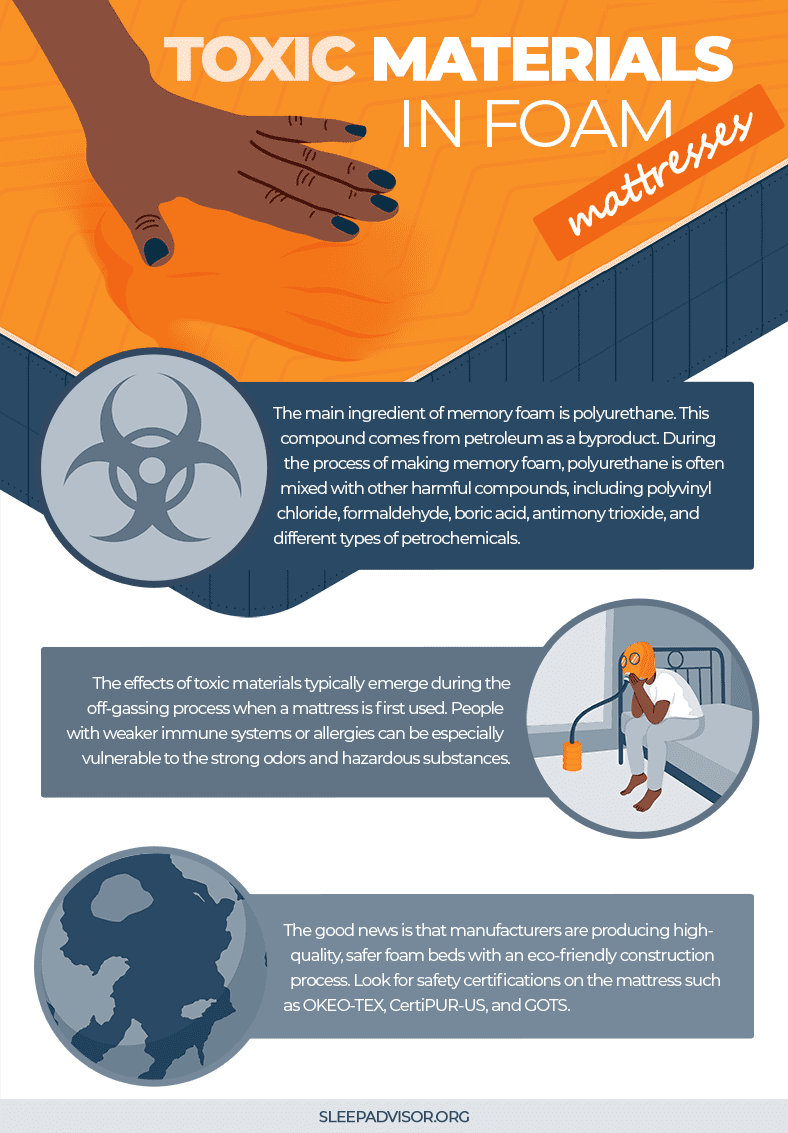
Polyurethane foam is made from various chemical compounds. The main ingredients include polyols and diisocyanates. These chemicals react to form a flexible material. Additives like flame retardants and stabilizers are also used. Each component plays a role in the foam’s properties.
The process starts by mixing the key ingredients. The mixture then expands and solidifies into foam. This happens in a controlled environment. The foam is then cut into desired shapes and sizes. This process ensures uniformity and quality.
Health Concerns
Polyurethane foam can emit chemicals. These are called volatile organic compounds (VOCs). VOCs can be harmful. They may cause headaches or dizziness. Some people feel nauseous. It’s important to air out new foam products. This helps reduce VOC levels. Keep the room ventilated. Let fresh air in.
Some people are allergic to polyurethane foam. It can cause skin rashes or breathing issues. Red or itchy skin is a sign. Asthma can get worse too. Test foam products before using them. Place a small piece on your skin. Watch for any reactions. If you feel sick, see a doctor.
Off-Gassing and Chemical Exposure
Polyurethane foam can release volatile organic compounds, or VOCs, after it is made. The smell is often the clearest sign that the foam is still releasing chemicals. As the material finishes curing, emissions drop and the foam becomes much more stable. That is why a fully cured mattress is treated very differently from uncured spray foam used during installation.
For sleeping products, the risk is usually much lower than it is during spraying or other fresh application. Finished foam can still bother people who are sensitive to chemicals, though. Headaches, dizziness, nausea, skin irritation, and breathing trouble can happen in some cases. People with asthma, allergies, or a history of chemical sensitivity should pay extra attention to the first days of use.
The main safety issue is not the foam after it has fully cured, but the unfinished stage before that reaction is complete. Once cured, polyurethane foam used in bedding is generally considered much safer for everyday sleep.
Safety Regulations
Polyurethane foam must meet certain industry standards for safety. These standards ensure the foam is safe for daily use. Testing includes checks for chemical emissions and flammability. Many foams are certified by groups like CertiPUR-US. They test for harmful chemicals and durability.
There are also government guidelines that polyurethane foam must follow. These include rules from agencies like the Consumer Product Safety Commission (CPSC). They set limits on chemical emissions. They also require foams to be flame retardant. These guidelines help ensure that polyurethane foam is safe for sleeping.
Scientific Studies
Many studies show that polyurethane foam is widely used in mattresses. It is popular for its comfort and support. Some researchers found low levels of chemicals in the foam. These chemicals are called volatile organic compounds (VOCs). They can sometimes cause allergies or breathing issues.
Most people sleep safely on polyurethane foam. Few people might experience skin irritation. Others might have breathing problems. It is important to air out new foam mattresses before use. This helps reduce the smell and VOCs. Always check for certifications like CertiPUR-US. These guarantee low chemical emissions. In rare cases, people with severe allergies should avoid such foam.
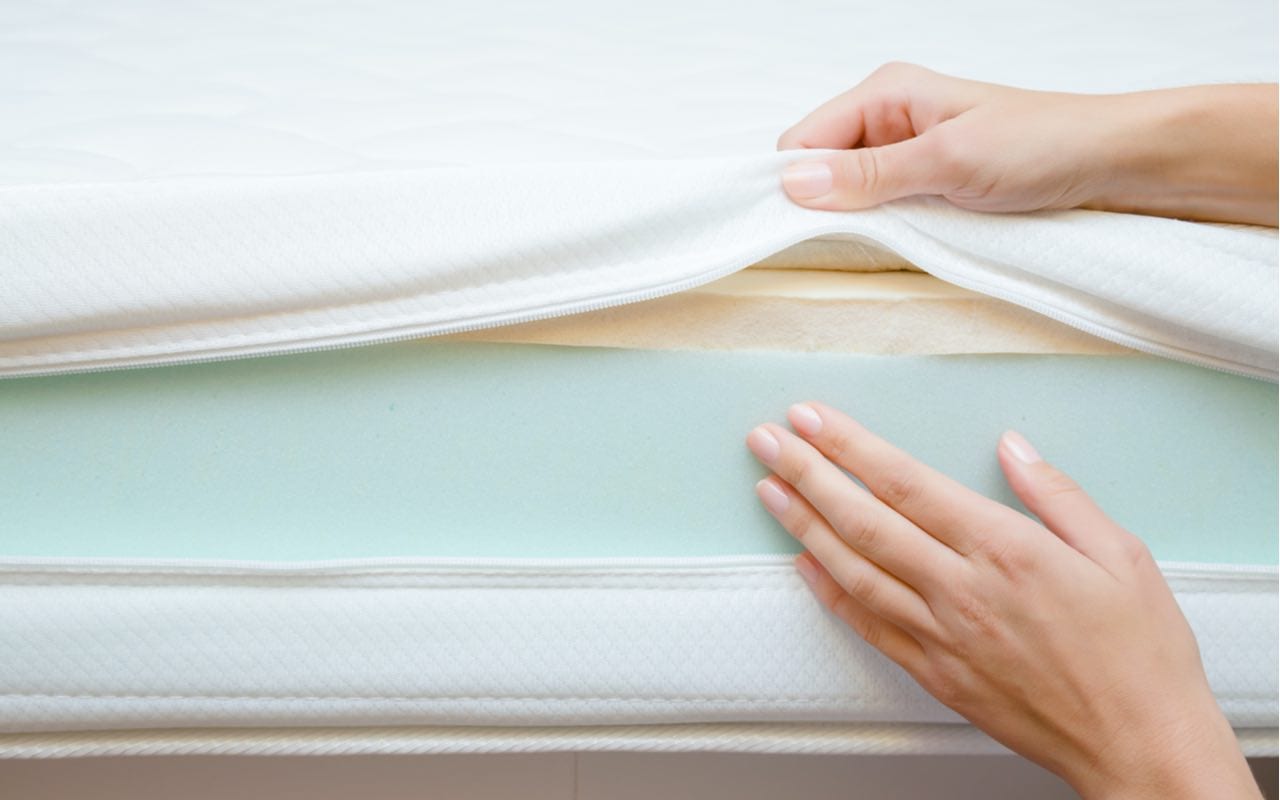
Credit: www.sleepfoundation.org
Comparing Foam Types
Memory foam is known for its softness. It molds to your body shape. This can help with pressure relief. Polyurethane foam is more common. It is used in many products. It is cheaper than memory foam. But it might not last as long. Both foams are made from similar materials. Yet, they offer different benefits. Polyurethane is great for support. Memory foam is better for comfort.
Some people look for natural options. Latex foam is one choice. It comes from rubber trees. It is eco-friendly. Wool and cotton are also good. They are soft and breathable. These options are often more expensive. But they are safer for the environment. Many prefer natural over synthetic. It feels good to make a green choice.
Environmental Impact and Sustainability
Polyurethane foam is a synthetic material made from chemical compounds, so it is not the most natural bedding choice. Some products are made with lower-emission formulas and certifications that help limit harmful chemicals, which can make them a better option than untreated foam.
Compared with natural bedding materials, polyurethane foam usually falls short on sustainability. Latex comes from rubber trees and is often viewed as a greener option. Wool and cotton are also natural choices that are soft and breathable. For shoppers who want a balance of comfort and lower environmental impact, eco-friendly foam options can be worth considering, especially when the product is made to meet safety standards and limit unwanted emissions.
Consumer Experiences
Polyurethane foam is generally safe to sleep on if it meets safety standards. It offers comfort and support, enhancing sleep quality.
Testimonials
Many users share their thoughts on polyurethane foam mattresses. Some find them very comfortable. They appreciate the support these mattresses provide. Others enjoy the softness. They say it helps them sleep better. A few people mention reduced back pain. This is a big plus for those with back issues.
Not everyone has a positive experience. Some users notice a strong smell. This smell can last for days. They find it unpleasant. Others feel too hot at night. The foam can trap heat. This makes sleeping uncomfortable for some. A few people report skin irritation. This can be a concern for those with sensitive skin.
Making An Informed Decision
Polyurethane foam has many advantages. It is affordable and lightweight. It also provides good support for the body. Many people find it comfortable. Yet, there are some downsides. It can release chemicals over time. Some people may have allergic reactions. It is not as durable as other materials. It can also trap heat, making it less cool.
Always choose foam with CertiPUR-US certification. This ensures it is safe and free of harmful chemicals. Allow new foam to air out before using. This reduces chemical smells. Use a mattress protector. It keeps the foam clean and extends its life. Rotate the mattress regularly to prevent sagging. Follow these tips for a safe and comfortable sleep.
Frequently Asked Questions
Is Polyurethane Foam Safe For Sleeping?
Yes, polyurethane foam is generally safe for sleeping. Ensure it meets safety standards and certifications.
Does Polyurethane Foam Emit Harmful Chemicals?
Polyurethane foam can emit VOCs. Choose low-VOC or CertiPUR-US certified foam to minimize exposure.
Can Polyurethane Foam Cause Allergies?
Polyurethane foam is hypoallergenic. However, some individuals may experience sensitivities to chemicals used in production.
Is Polyurethane Foam Eco-friendly?
Polyurethane foam is not highly eco-friendly. Opt for foams with eco-certifications to reduce environmental impact.
Conclusion
Polyurethane foam can be safe for sleep. Choose high-quality, certified foam. Look for CertiPUR-US or similar certifications. Ensure proper ventilation in your bedroom. Rotate your mattress regularly to maintain its shape. Consider your personal comfort and health needs. Always read reviews before buying.
Your sleep quality matters. Prioritize both safety and comfort. Make informed choices for a good night’s rest.
Sponsored / affiliate links. As an Amazon Associate I earn from qualifying purchases. I may earn additional commission from eligible campaigns.
 Polyurethane Foam Spray Gun,P2 PU Foam Spray Gun Air Purge Spray Gun Self-Cleaning Coating Spray Gun,1-12kg/Min Working Flow for Wall,Sculpture or Roof Construction 35Mpa USA Stock
 Beaumont Lane Ceiling Medallion, 18 in White Polyurethane Foam with Ornate Turn-of-the-Century Design, Durable Lightweight Construction, Elegant Architectural Detail for Ceiling Lighting Fixtures