Laminate Flooring Vs LVP: Which is Right for You?
Are you ready to transform your living space with a stunning new floor? Choosing the right flooring can be overwhelming, especially when faced with options like laminate flooring and luxury vinyl plank (LVP).
Each has its unique set of benefits and drawbacks, and selecting the best one for your home can feel like a daunting task. But don’t worry! You’re not alone in this decision-making process. By understanding the key differences, you can confidently choose the option that best suits your lifestyle and budget.
This article will guide you through the essential factors to consider, ensuring you make an informed choice. So, let’s dive into the world of laminate and LVP flooring, and discover which option is the perfect fit for you!
Laminate Flooring Basics
Laminate flooring is made of several layers. The top layer is a protective layer. It keeps the floor safe from scratches. Underneath, there is a design layer. This layer shows the floor’s pattern. Below that is the core layer. It gives the floor its strength. The bottom layer is the stabilizing layer. It helps the floor stay flat.
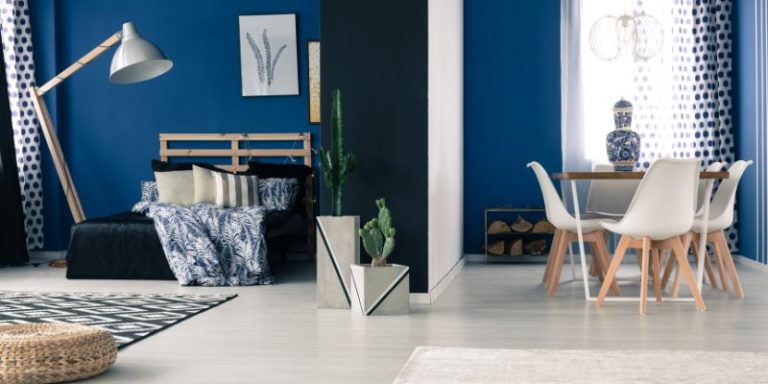
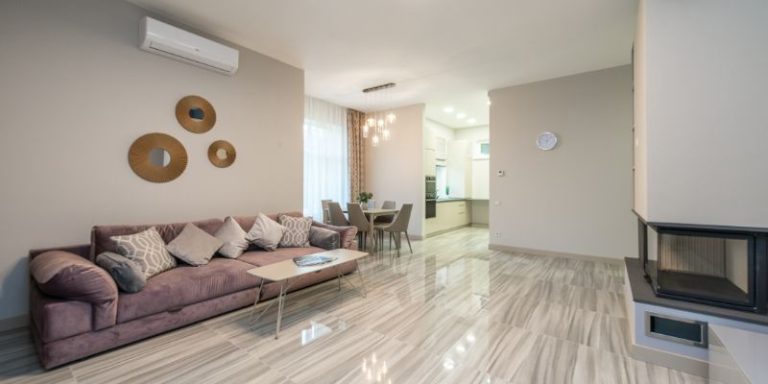
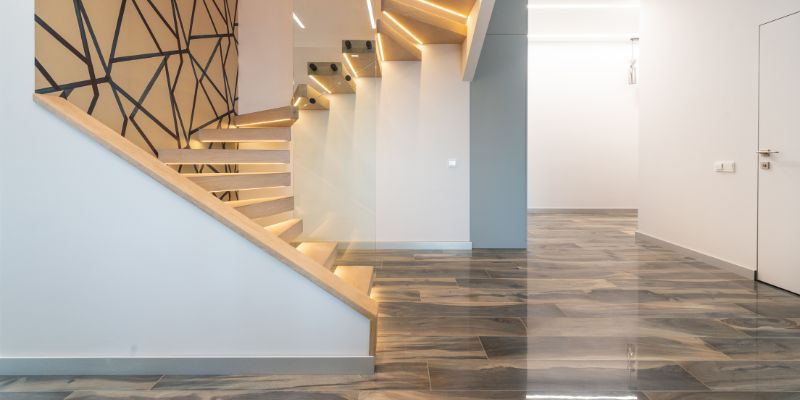
Laminate floors come in many styles and colors. They can look like wood or stone. The designs are very realistic. People love the variety. It’s easy to find a style that matches your home. Laminate floors are also shiny. They can make a room look bright.
Laminate flooring is very strong. It can handle lots of foot traffic. The surface is scratch-resistant. It’s a good choice for homes with pets. Laminate can last for many years. It does not fade in sunlight. The protective layer keeps it looking new.
Luxury Vinyl Plank (LVP) Essentials
LVP is made with multiple layers. The top layer is a wear layer. This layer protects against scratches. Beneath is the design layer. It gives the plank its look. The core is waterproof. Some planks have extra padding. This makes them comfortable to walk on. LVP is a great choice for busy homes.
LVP comes in many colors and patterns. Some look like real wood. Others mimic stone tiles. You can choose light or dark shades. Many styles fit modern or classic homes. The planks can be wide or narrow. You can even find textured designs. LVP matches many interior styles.
LVP is durable and easy to clean. It withstands heavy foot traffic. It’s good for kitchens and bathrooms. Water spills won’t damage it. LVP lasts for many years. It doesn’t fade in sunlight. Regular sweeping and mopping keep it fresh. Proper care extends its life span.
Installation Process
Installing laminate flooring involves clicking pieces together, while luxury vinyl plank (LVP) often requires adhesive. Laminate can be more challenging on uneven surfaces. LVP offers a simpler, more flexible installation. Both require careful planning and preparation.
Ease Of Installation
Laminate flooringis easy to install. It often uses a click-lock system. This makes it simple for beginners. LVPis also easy but may need more precision. Both are suitable for DIY projects. The ease depends on room size and layout. Small rooms are quicker to finish. Large rooms take more time.
Tools Required
Basic tools are essential for both types. A tape measureensures accurate measurements. A cutteror saw is needed for trimming edges. A rubber mallethelps pieces fit snugly. Other useful tools include a level and a pencil. Having the right tools makes the job easier.
DIY Vs Professional Installation
DIY installation saves money. It’s best for those who enjoy hands-on work. Professionals offer experience and speed. They can handle complex layouts. Choosing between DIY and professional depends on budget and skill level. Beginners may need more time and patience. Experts provide a polished finish.
:max_bytes(150000):strip_icc()/vinyl-vs-laminate-flooring-1822800_0372-5de7d94ebd85420f98f8c45e5bf8f670.jpg)
Credit: www.thespruce.com
Maintenance And Care
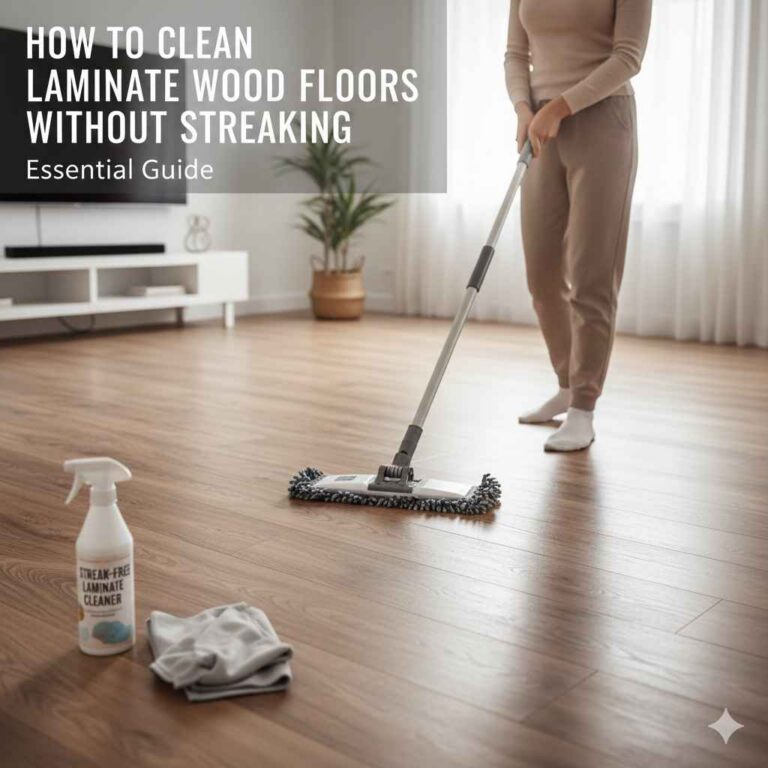
Laminate floors need a soft mop. Wet mops can harm them. LVP floors are water-friendly. You can use a damp mop. Avoid strong cleaners for both. Mild soap works best. Regular sweeping keeps dirt away. This helps floors last longer.
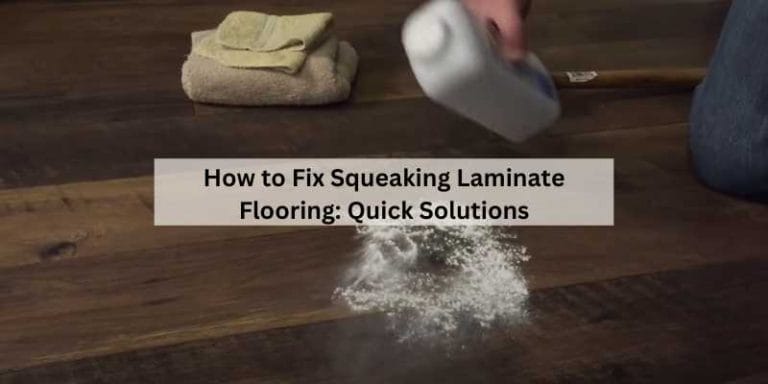
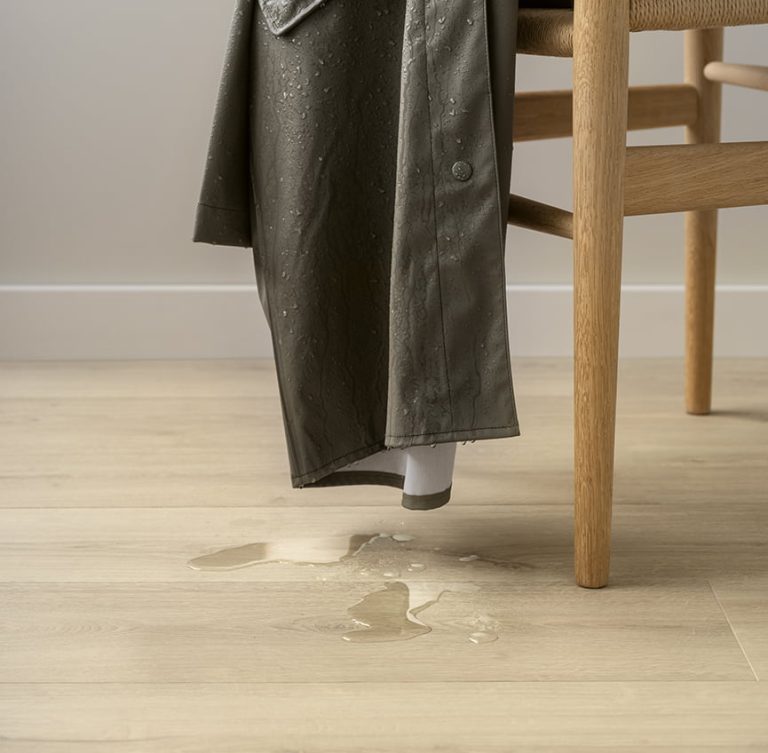
Protect floors from scratches. Use furniture pads. Rugs help too. Keep floors dry. Water can damage laminate. LVP is more water-resistant. Check floors often. Look for damage and fix it fast. Simple care keeps floors looking new.
Laminate floors may chip. You can replace damaged boards. LVP is more durable. But, it can still get scratched. Sometimes, you need to replace a tile. Both floors are easy to fix. Replacing a part is simple. Just follow the steps.
Cost Comparison
Laminate flooring generally costs less upfront compared to Luxury Vinyl Plank (LVP). LVP often offers greater durability and water resistance, potentially saving money on repairs. Choosing between them depends on budget and needs.
Initial Investment
Laminate flooringoften costs less than LVP. It is a budget-friendly choice. Installation is usually cheaper too. LVP might be pricier upfront. Both options have different styles. Laminate offers many colors. LVP mimics real wood or stone.
Long-term Value
LVP is known for its durability. It can last many years. Laminate might wear out faster. LVP can handle water better. It’s great for kitchens and bathrooms. Laminate might need replacement sooner. Consider the lifespan when choosing.
Hidden Costs
Both options have extra costs. Subfloor preparationmight be needed. LVP might need a moisture barrier. Laminate might need underlayment. These costs can add up. Check for warranties too. They can save money later.
Environmental Impact
Laminate flooring uses fewer natural resources. This helps the environment. LVP, or Luxury Vinyl Plank, may not be as green. Manufacturing both types uses energy. Yet, laminate often uses recycled wood. LVP relies on plastic materials. Both flooring types aim for eco-friendly production. Yet, laminate has a slight edge in sustainability.
Some brands offer green choices. These help nature. Laminate can be made using recycled content. LVP brands also offer eco-friendly designs. Both types aim to reduce waste. Choosing the right brand matters. Eco-friendly flooring makes a difference.
Laminate flooring is easier to recycle. It can be broken down and used again. LVP poses a challenge in disposal. Its plastic content makes recycling tricky. Disposal of LVP requires special care. Laminate often has better recycling options.
Ideal Applications
Laminate flooring works well in living rooms. It looks nice and feels warm. Bedrooms are also great for laminate. It adds a cozy touch. Home offices benefit from laminate too. It’s easy to clean and maintain. Avoid using laminate in areas with water like bathrooms. It might get damaged.
LVP is perfect for bathrooms. It’s water-resistant and durable. Kitchens suit LVP flooring. Spills are easy to clean. Laundry rooms are another good choice. LVP handles moisture well. Use LVP in basements. It stays strong and lasts long.
Choose laminate for dry areas. It looks stylish and is cost-effective. LVP fits wet spaces. It resists water and wears well. High-traffic zones work better with LVP. It withstands heavy use. Laminate fits quiet spaces. It adds warmth and comfort.

Credit: www.youtube.com
Pros And Cons
Laminate flooring costs less than many other options. It is easy to install even for beginners. You can find many styles and colors. It has a durable surface that resists stains and scratches. Cleaning is simple and quick. This flooring is great for busy areas in homes.
LVP flooring is waterproof. It works well in bathrooms and kitchens. It feels soft underfoot. This flooring mimics real wood and stone. It provides a quiet experience while walking. Installation is straightforward. Maintenance requires little effort. It is perfect for families with pets.
Laminate flooring can be noisy when walked on. It might warp if exposed to water. LVP can be more expensive than laminate. It may show dents from heavy furniture. Both options may fade over time in direct sunlight. Choosing the right type depends on your needs.
Choosing The Right Flooring
Families with kids need durable flooring. Laminate is a strong choice. It’s scratch-resistant and handles spills well. LVP, or Luxury Vinyl Plank, is waterproof. Perfect for kitchens and bathrooms. Both are easy to clean. Pets can be rough on floors. LVP holds up well against claws. Laminate might show scratches over time. Active homes need flooring that can take a hit.
Laminate flooring is often less expensive than LVP. It’s a budget-friendly option for many. LVP can be pricier but offers added benefits. The installation cost matters too. Laminate is generally cheaper to install. Always check your budget before deciding. Both options offer good value. Consider long-term costs as well. Repairs might be needed down the road.
Some love the look of wood. Laminate offers a wood-like appearance. Others prefer the soft feel of LVP underfoot. Think about color and style. Both come in many designs and patterns. Match your home’s look. Texture is also important. Decide what feels best to you. Visit a store to see and feel samples. Personal taste plays a big role in choice.

Credit: homeguide.com
Frequently Asked Questions
What Is The Downside To Laminate Flooring?
Laminate flooring can be prone to scratches and dents. It may not handle moisture well, leading to warping. The material can feel less warm and natural compared to real wood. Repairs often require replacing entire sections. Limited refinishing options exist, potentially affecting long-term appearance.
Do High End Homes Use Laminate Flooring?
Yes, high-end homes sometimes use laminate flooring for its affordability and durability. Laminate can mimic luxury materials like wood or stone. Some homeowners choose laminate for specific areas due to its easy maintenance. It offers a cost-effective alternative without sacrificing style.
What Are The Downsides Of Luxury Vinyl Plank Flooring?
Luxury vinyl plank can dent under heavy furniture. It may fade in direct sunlight. Installation errors can cause buckling. Some types can emit VOCs, impacting indoor air quality. Not as eco-friendly as natural materials.
Can Mold Grow Under Vinyl Plank Flooring?
Yes, mold can grow under vinyl plank flooring if moisture is trapped beneath it. Proper installation and moisture control are crucial to prevent mold growth. Ensure subfloor is dry, and use vapor barriers if needed. Regularly check for leaks and humidity to maintain a mold-free environment.
Conclusion
Choosing between laminate flooring and LVP depends on your needs. Laminate offers a wood-like look at a lower cost. LVP provides durability and moisture resistance. Consider your budget and lifestyle. Think about the space where you’ll install it. High-traffic areas may benefit from LVP.
For a cozy feel, laminate might be the choice. Both options have their strengths. Assess what’s important for your home. Make a decision based on your priorities. You’ll enjoy a beautiful floor either way.