Laminate Wood Floor Vs Engineered: Ultimate Comparison Guide
Are you planning to upgrade the floors in your home? With countless options available, it can be overwhelming to choose the right one.
Two popular contenders in the flooring world are laminate wood floors and engineered wood floors. Both offer the look of natural wood, but they come with their own unique features. Understanding these differences is crucial for making the right choice that suits your lifestyle and budget.
Imagine walking into a room where the flooring not only complements your style but also stands up to the demands of daily life. Whether it’s kids, pets, or high foot traffic, the right floor can make all the difference. You’ll discover how laminate wood floors and engineered wood floors stack up against each other. We’ll dive into their durability, cost, maintenance, and environmental impact to help you make an informed decision. Stick around to uncover which option might just be the perfect fit for your home.
Credit: forte.co.nz
Materials And Composition
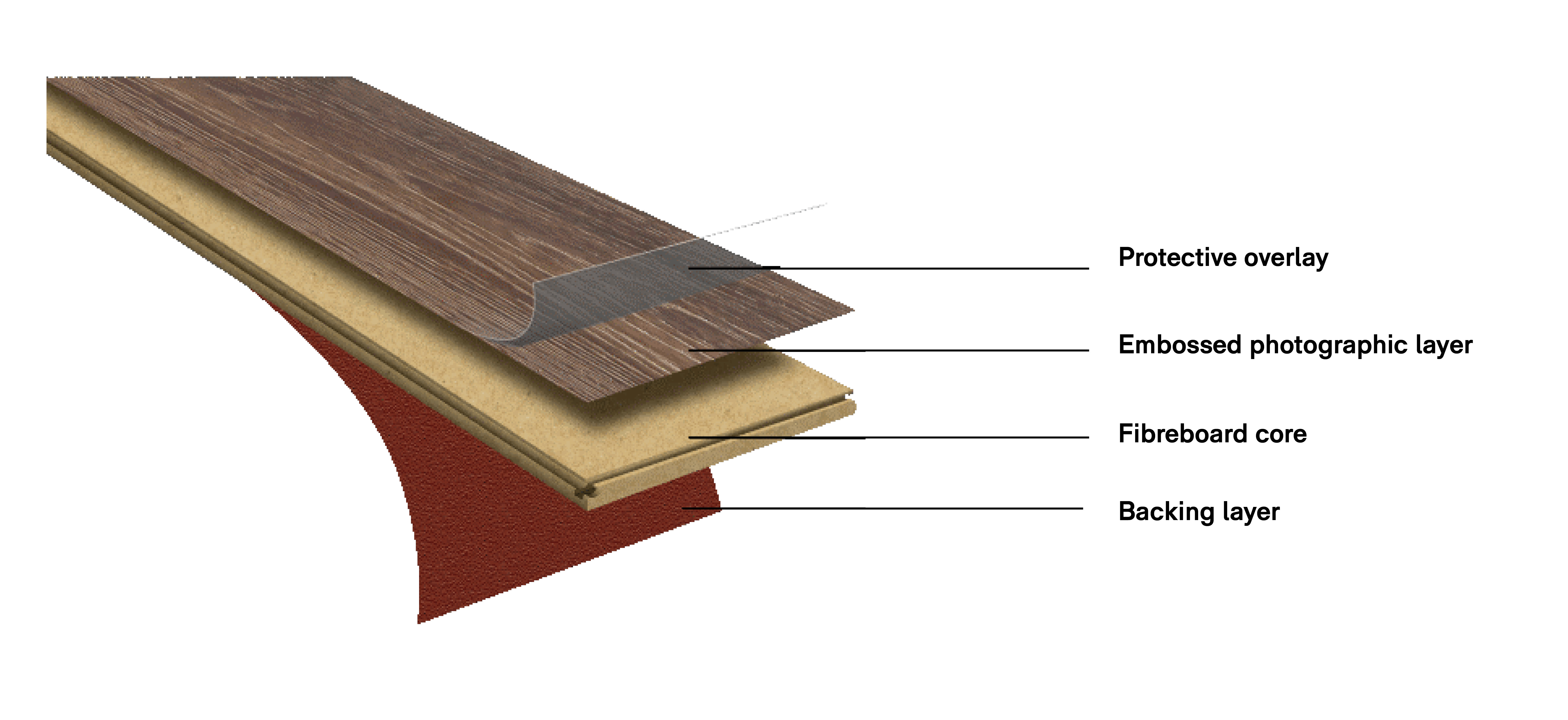
Laminate wood floors are made of several layers. The top layer is a protective layer. It helps keep the floor safe from scratches. Below it, there is a decorative layer. This layer looks like real wood. Underneath, you find the core layer. It is made from high-density fiberboard. The bottom layer is the stabilizing layer. It keeps the floor steady and strong.
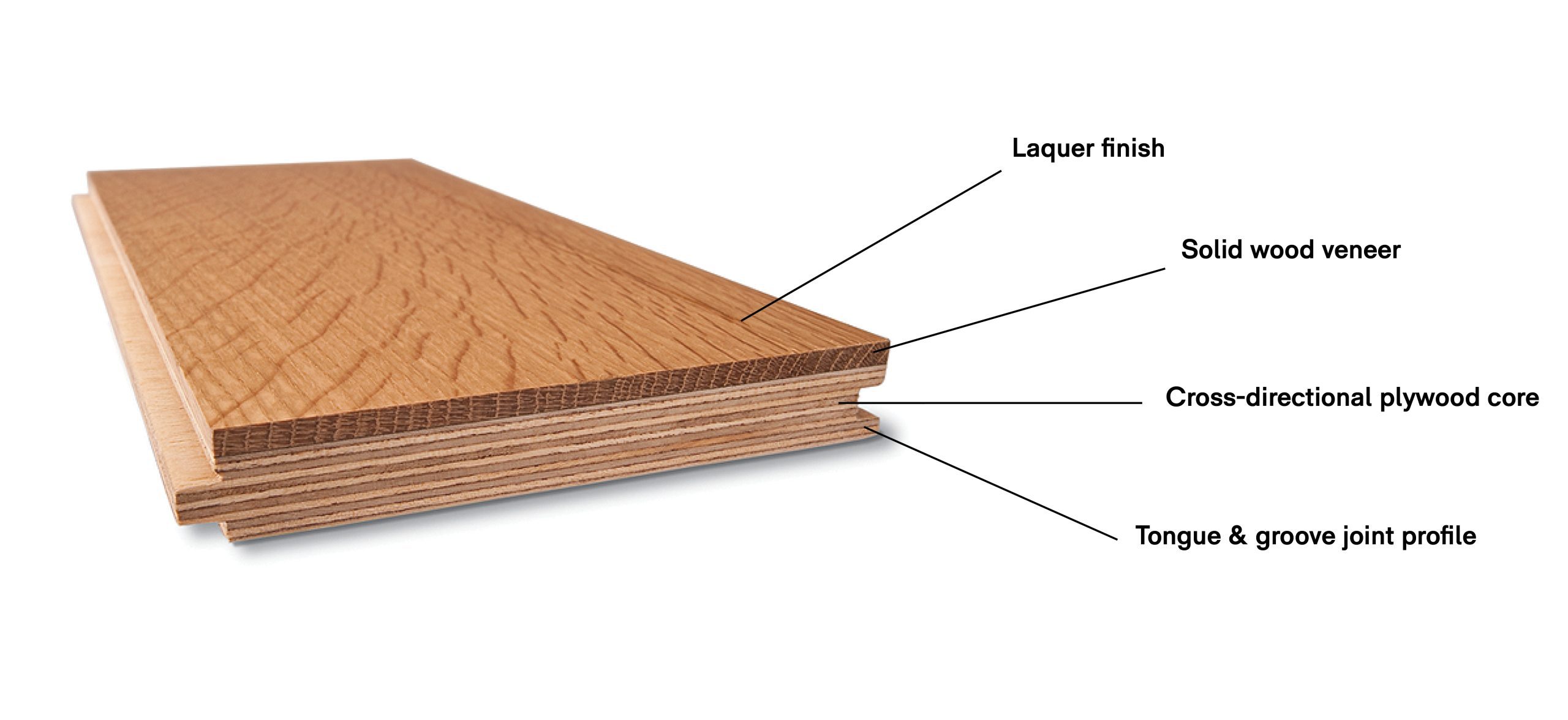
Engineered wood floors have a real wood top. This layer is called the veneer. Under the veneer, there are plywood layers. These layers add strength. They are placed in a crisscross pattern. This pattern makes the floor stable. The more layers, the stronger the floor. Engineered wood gives a real wood look with added durability.
Aesthetic Appeal
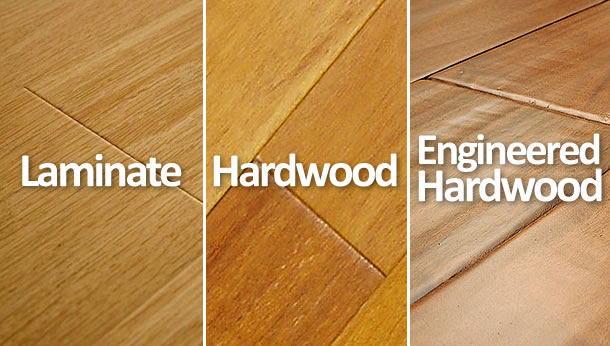
Laminate wood floorsoften mimic real wood. They can have a wide range of designs. They are printed with high-quality images. This gives them a real wood look. Engineered woodis made with a thin top layer of real wood. This makes it look more genuine. It has natural grain patterns. This can add a touch of elegance to any room.
Laminate flooring usually has a smooth surface. It may not feel like real wood. Some types have textured surfaces. This can make them feel more authentic. Engineered wood floors have real wood textures. They can be smooth or rough. It depends on the finish. A variety of finishesare available, like matte and glossy.
Durability And Lifespan
Laminate floorshave a strong surface. They resist scratches. Kids playing? Pets running? No problem. These floors handle daily wear and tearwell. They keep looking new for years. Engineered woodis also tough. But it can get dents. Heavy objects might cause marks. Both floors are good choices. But for busy homes, laminate might be better.
Laminate floorsare not friendly with water. They can swell or warp. Spills should be cleaned fast. Engineered woodhandles moisture better. Its layers protect against water. Kitchen or bathroom? Engineered wood is a safer choice. But both need care to stay nice.
Credit: cleanmyspace.com
Installation Process
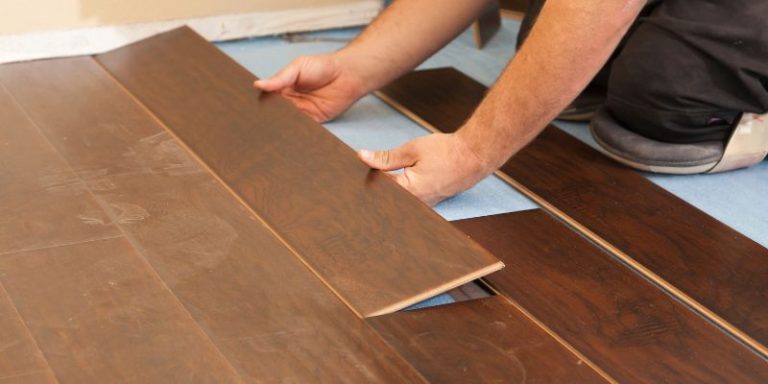
Installing laminate wood floors is usually easier. Many people choose the DIY method. It often has a click-lock design. This makes it simple for beginners. No glue or nails are needed. It’s like putting a puzzle together. But, it can still take time.
Engineered wood floors can be more complex. Professional installationis often recommended. This type needs precise cuts. Sometimes glue or nails are required. Mistakes can be costly. Professionals ensure a smooth finish. They have the right tools and experience.
DIY saves money but takes longer. Professional help costs more but is faster. Choose based on your skills and budget.
Cost Comparison
Laminate wood flooring is often more budget-friendly than engineered wood. Engineered wood offers a more authentic feel but usually at a higher price. Both options provide durability and style, with varying costs depending on quality and brand.
Initial Investment
Laminate wood floors often have a lower initial cost. This makes them a popular choice for budget-conscious buyers. They are generally less expensive than engineered wood. Engineered wood floors require a higher upfront cost. They offer a more authentic wood look and feel. Buyers may spend more initially for engineered wood’s quality.
Long-term Value
Engineered wood floors can offer better long-term value. They are more durable and can be refinished multiple times. This extends their lifespan significantly. Laminate floors have a shorter lifespan. They cannot be refinished. Over time, the cost of replacing laminate may exceed initial savings. Engineered floors might save money in the long run.
:max_bytes(150000):strip_icc()/laminate-vs-engineered-wood-flooring-comparison-1822247_hardwood_engineered_0595-6f81f6d0a100460188bed0508ac0558d.jpg)
Credit: www.thespruce.com
Maintenance Requirements
Laminate wood floors demand regular sweeping and occasional mopping. Engineered wood floors require more care, including refinishing every few years. Both types need protective pads under furniture to prevent scratches.
Cleaning Techniques
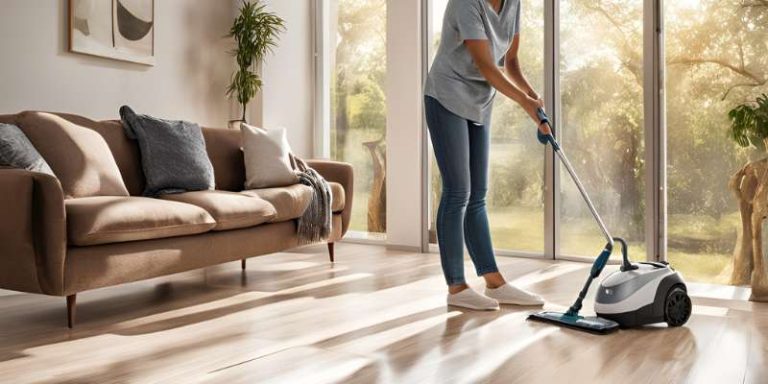
Laminate wood floors need gentle care. Use a dry mop or vacuum to clean. Water can damage laminate. Avoid wet mops. Engineered wood floors are stronger. They handle water better. Use a damp mop with mild cleaner. Always check the cleaner label. It should be safe for wood.
Repair And Replacement
Laminate floors are hard to repair. Damage usually means replacing planks. Matching new planks can be tricky. Engineered floors are easier to fix. Scratches can be sanded out. Replacing planks is simpler. Wood color matches better. Engineered floors last longer. They are less likely to need replacement.
Environmental Impact
Laminate wood flooring often involves more synthetic materials, impacting the environment through production and disposal. Engineered wood floors, crafted from real wood layers, typically offer a more sustainable choice with lower environmental footprints due to their use of renewable resources.
Sustainability
Laminate wood floors have a long life. They need less replacement. This reduces waste. They use less wood than solid floors. This saves trees. Engineered floors use real wood. They can be sustainably sourced. Some brands offer certified wood. This means the wood comes from good forests. Both types aim to be eco-friendly.
Eco-friendly Options
Laminate floors often use recycled materials. This helps the planet. They are less harmful to the environment. Engineered floors can be made with non-toxic glues. This is safe for homes. Both floors can be installed without nails. This is better for the earth. Choosing either can be a green decision.
Best Uses And Applications
Laminate wood floors are great for homes. They are easy to clean. They can handle spills and scratches. Families love them for living rooms and bedrooms. Engineered wood floors look like real wood. They add warmth to any room. They are perfect for dining areas. They can be polished for a shiny look. Homeowners choose them for a cozy feel.
In offices, laminate floors work well. They resist heavy foot traffic. They are budget-friendly and durable. Engineered wood is a top pick for shops. It looks classy and elegant. It can handle furniture and displays. Restaurants often use engineered wood. It creates a welcoming atmosphere. Both types offer style and function.
Consumer Considerations
Choosing between laminate wood floor and engineered wood floor is important. Some people love the natural lookof wood. Others prefer the easy maintenanceof laminate. Both floors have their own style. Families with children might like the durabilityof laminate. It is more resistant to scratches. Those who enjoy the feel of real wood may choose engineered wood. It offers a genuine woodexperience. Think about your daily life. Your choice should fit your lifestyle. Consider any pets or heavy foot traffic in your home. This can help decide which is better.
Budget is a big part of picking the right floor. Laminate wood floor is often cheaperthan engineered wood. For families on a budget, laminate can be a good choice. It offers a wood-like look at a lower cost. Engineered wood tends to be more expensive. It gives homes a rich, authentic wood appearance. Consider your budget carefully. You want to get the best value for your money. Make sure the floor fits your financial plan. Always think long-term costs like maintenance and repairs.
Frequently Asked Questions
Is Engineered Wood Flooring Better Than Laminate?
Engineered wood flooring is more durable and offers a natural wood look compared to laminate. It adds value and warmth to your space, while laminate is more affordable and easier to maintain. Choose engineered wood for authenticity and longevity, laminate for budget-friendly options.
Which Is More Expensive, Laminate Or Engineered Hardwood?
Engineered hardwood typically costs more than laminate. Laminate is a budget-friendly option, while engineered hardwood offers premium quality and durability. Prices vary based on brands, quality, and installation. Consider your budget and style preferences when choosing between the two flooring types.
What Are The Negatives Of Engineered Wood Flooring?
Engineered wood flooring can be prone to moisture damage and may warp over time. It often lacks the authenticity of solid wood. Sanding and refinishing options are limited. Some types may have lower durability and require careful maintenance. Costs can be high for quality products.
What Is The Downside To Laminate Flooring?
Laminate flooring can be prone to scratching and water damage. It may not feel as warm or authentic as hardwood. Repairing damaged sections can be challenging, often requiring replacement of entire panels. It can also be noisy without proper underlayment.
Conclusion
Choosing between laminate and engineered wood floors can be tough. Both options offer unique benefits and suit different needs. Laminate floors are cost-effective and resist scratches well. Engineered wood floors provide a more authentic wood appearance. Consider your budget, lifestyle, and design preference.
This ensures you make the right choice. Both flooring types can enhance your home’s beauty. Whether you seek durability or elegance, these floors deliver. Make an informed decision for your home improvement. Quality flooring boosts home comfort. Remember, the right floor complements your living space best.