Linseed Vs Teak Oil: Ultimate Wood Finish Showdown
Are you feeling overwhelmed by the choices when it comes to finishing your wooden furniture or deck? Linseed oil and teak oil are two popular options, each with its own unique benefits and characteristics.
Choosing the right one can make all the difference in how your wood looks, feels, and lasts. You’re probably wondering which is better for your specific needs. Will linseed oil give your wood that rich, classic glow you’ve been dreaming of?
Or will teak oil offer the durability you need for outdoor projects? You’ll discover the key differences between linseed and teak oil, helping you make an informed decision that ensures your wooden pieces stand the test of time. Don’t miss out on unlocking the secrets to preserving and enhancing the beauty of your wood. Read on to find out which oil is the perfect match for your project.
Linseed Oil Basics
Linseed oil comes from flax seeds. It is a natural oil. The oil is rich in omega-3 fatty acids. It also contains other nutrients. The oil is thick and yellowish. This oil is often used for wood finishing.
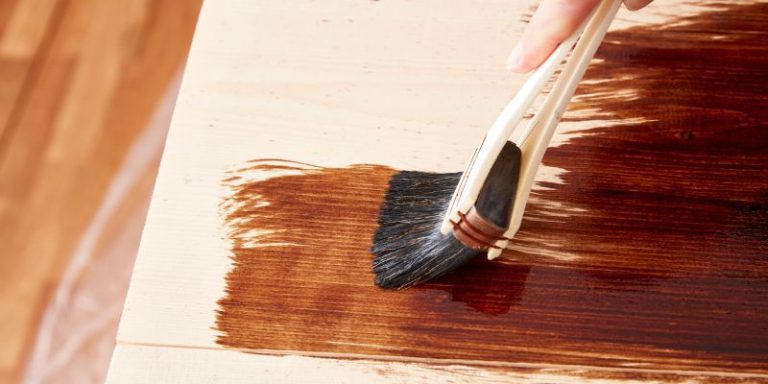
Linseed oil can be applied with a brush or cloth. First, clean the wood. Then, apply a thin layer of oil. Let it soak into the wood. After that, wipe off any extra oil. Wait for it to dry completely before adding another layer. Multiple layers give better protection.
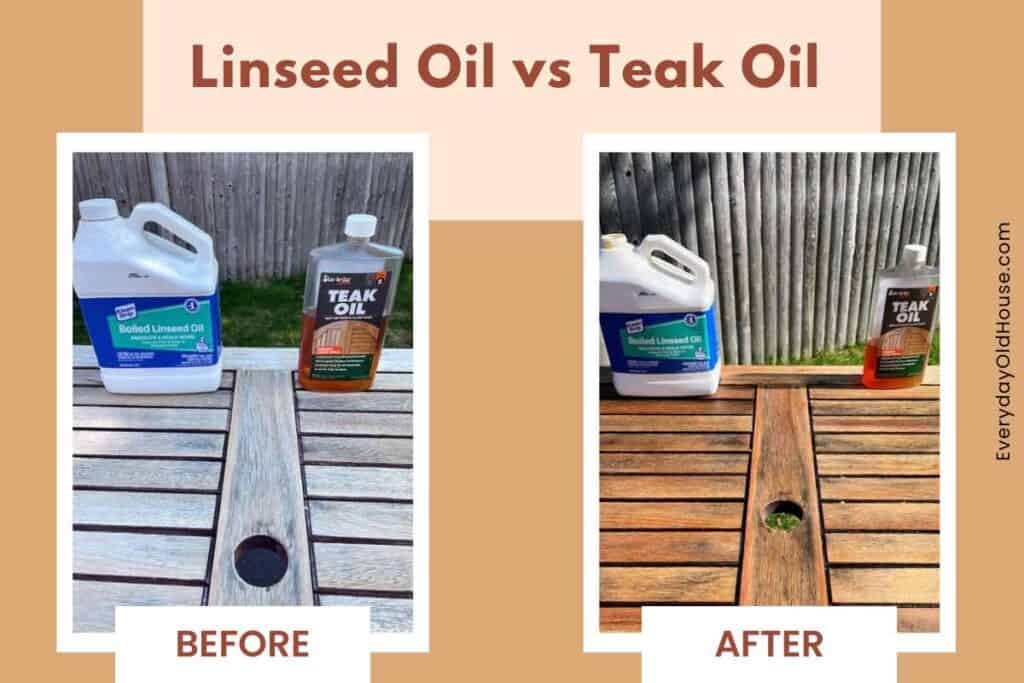
Linseed oil protects wood from damage. It makes the wood shine. The oil also helps in preserving wood. It keeps the wood from drying out. This oil is good for indoor furniture. It also resists water and dirt.
Credit: everydayoldhouse.com
Teak Oil Essentials
Choosing between linseed and teak oil involves understanding their uses. Linseed oil penetrates deeply, enhancing durability. Teak oil, derived from natural oils, offers superior water resistance and a warm finish. Each oil serves unique purposes in maintaining and beautifying wood surfaces.
Origins And Ingredients
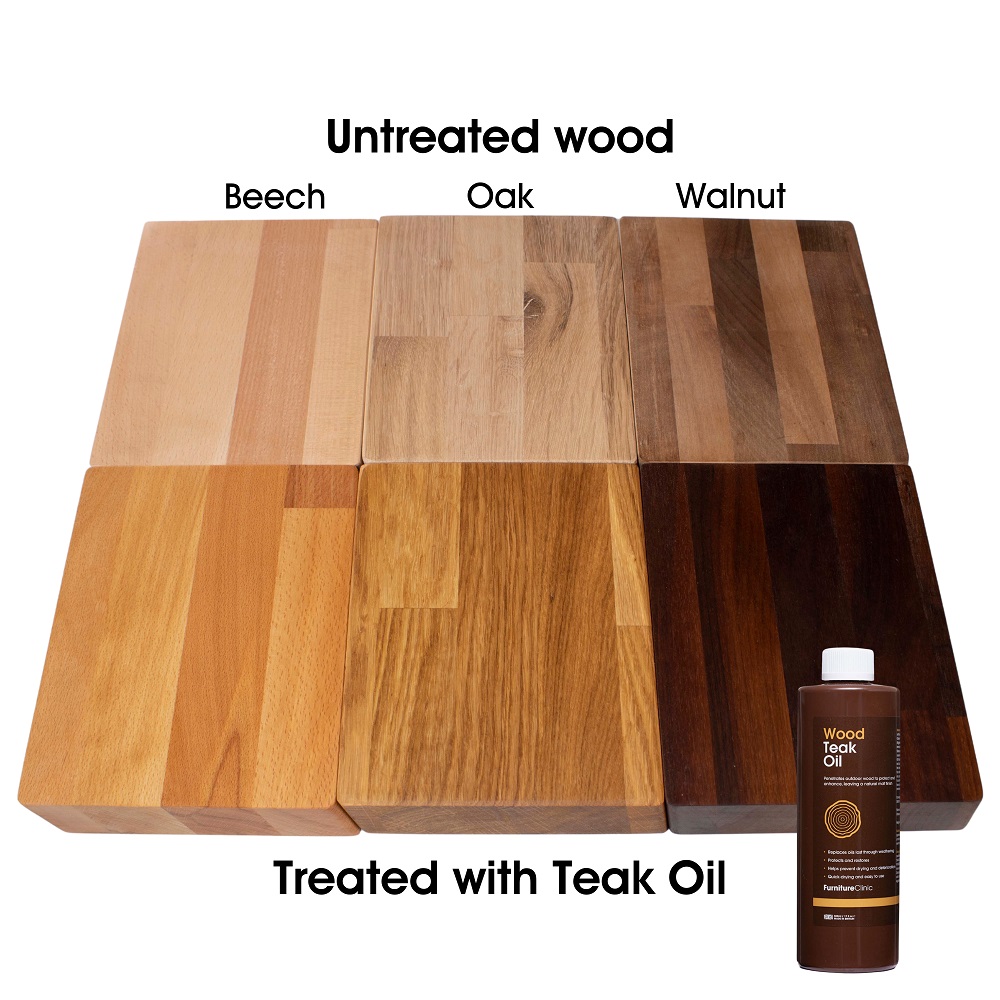
Teak oil is made from natural oils. These include linseed and tung oil. It is often used on outdoor wood. This oil protects wood from the weather. It also enhances the wood’s color. Teak oil is popular for garden furniture. It gives a rich, warm look.
Methods Of Use
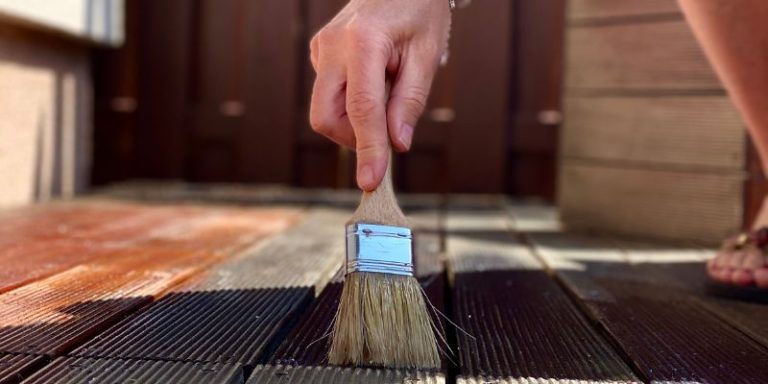
Apply teak oil with a clean cloth. Rub it into the wood grain. Let it soak for a few minutes. Wipe off excess oil. Repeat this process every few months. This keeps the wood looking fresh. Regular application helps maintain wood beauty.
Advantages For Timber
Teak oil is great for outdoor wood. It resists water and sun damage. Protects wood from drying and cracking. Enhances the wood’s natural look. Makes wood surfaces smooth and shiny. Ideal for wooden boats and furniture.
Comparative Analysis
Linseed oilprovides good protection. It penetrates deeply into wood. This makes it strong and durable. Teak oilalso offers protection. It is best for outdoor furniture. It can resist harsh weather. Both oils give a shield against moisture. Teak oil lasts longer in outdoor settings. Linseed oil is better for indoor items.
Linseed oil gives a warm, rich color. It enhances the wood grain. Leaves a shiny finish. Teak oiladds a golden hue. It makes wood look elegant. Linseed creates a matte finish. Teak oil offers a glossy look. Both oils highlight the wood’s beauty.
Applying linseed oil is easy. Just a simple cloth or brush works. Teak oil application is also simple. Needs a clean surface first. Linseed oil takes longer to dry. Teak oil dries faster. Choose linseed for quick projects. Teak oil is better for quick results.
Environmental Impact
Linseed oil comes from flax seeds. This makes it a natural product. Flax plants grow every year, so they are renewable. Teak oil is often a mix of oils. It can include chemicals that may harm the earth. Choosing linseed oil may help protect nature. It is a sustainable choicefor wood care.
Linseed oil breaks down easily. It is biodegradable. It goes back to the soil safely. Teak oil may have chemicals that do not break down well. Some parts might stay in the environment. This can be harmful. Picking linseed oil is a safer choice for the planet.
Cost Considerations
Linseed oilusually costs less than teak oil. It is more affordablefor people on a budget. You can find linseed oil in many stores. Prices often range from $10 to $20 for a bottle. Teak oil is more expensive. It often costs between $20 to $40. Bigger bottles cost even more.
Linseed oil is good for basic wood care. It is a simple choice for small projects. Teak oil is better for outdoor wood. It lasts longer and protects well. Spending more for teak oil gives stronger protection. Choose based on your needs and budget. Both oils give good results.
Credit: www.furnitureclinic.co.uk
User Experiences
Woodworkersoften share their thoughts on oils used for wood. Many like how linseed oilgives a natural finish. It makes wood look warm and rich. Others prefer teak oilfor its lasting shine. Teak oil also protects wood from water damage. Some find linseed oil sticky at first. But it dries nicely over time. Teak oil dries faster than linseed oil. This is good for quick projects.
Applying these oils can be tricky. Too much oil makes wood sticky. Woodworkers need patience. Thin layers work best. Linseed oil takes longer to dry. This can slow projects. Teak oil needs good ventilation. The smell can be strong. Both oils require regular upkeep. Woodworkers must plan for this. Tools can get messy with oil. Cleaning tools is important. Gloves help keep hands clean.
Best Uses For Each Oil
Linseed oilis great for protecting outdoor furniture. It keeps the wood safe from water. It also gives a nice shine. Use it on garden benchesand picnic tables. Teak oil works best for marine projects. It protects against salt and sun. Perfect for boat decks and railings. It also keeps wood looking fresh. Choose the right oil for your project.
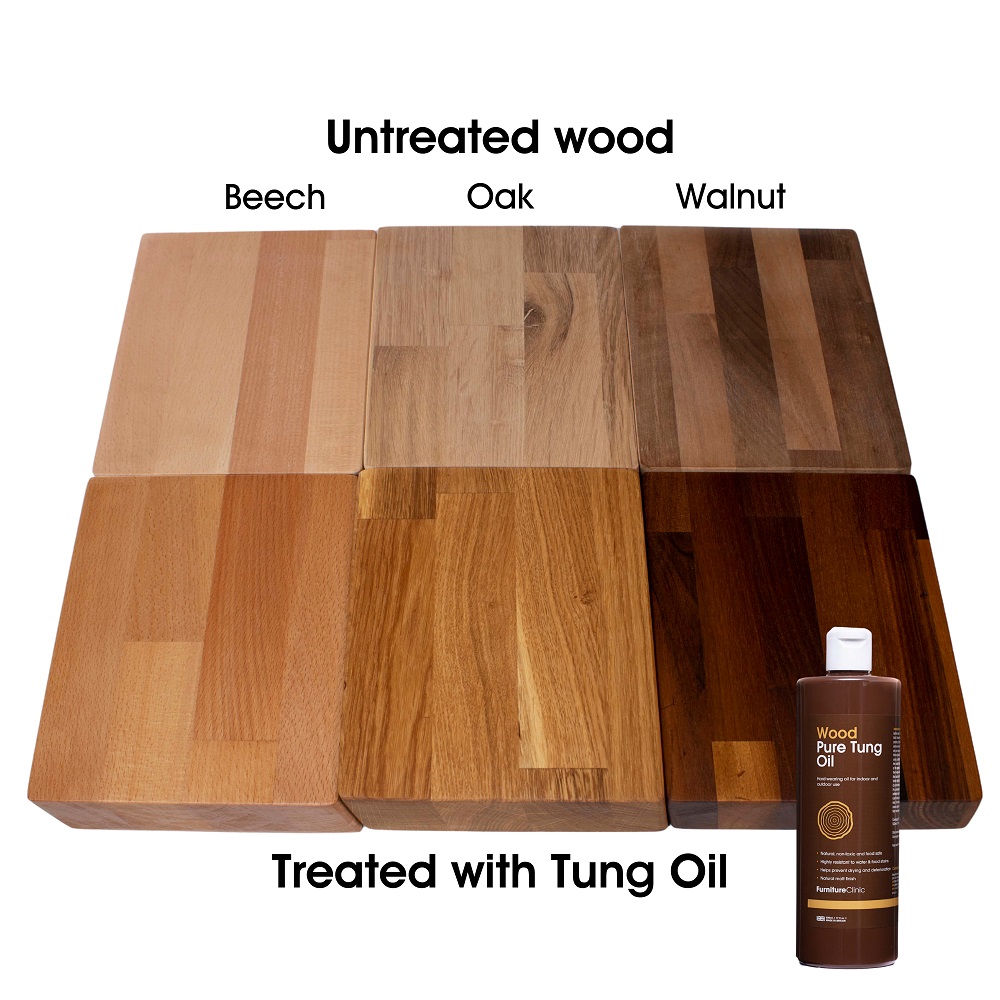
Linseed oil works well with pine and oak. It enhances their natural beauty. Teak oil suits teak and mahoganybest. It brings out their rich color. Some woods need special care. Always test oil on a small spot first. Different woods react differently. Proper choice means longer-lasting wood.
Credit: www.furnitureclinic.co.uk
Frequently Asked Questions
What Is Better, Teak Oil Or Linseed Oil?
Teak oil enhances and protects outdoor furniture. Linseed oil is better for interior wood finishing. Choose based on use.
What Is The Best Oil For Outdoor Wood?
Teak oil is ideal for outdoor wood due to its durability and water resistance. It enhances wood’s natural beauty and prevents weather damage. Apply regularly for best results. Linseed oil and tung oil are also good alternatives for maintaining wood’s appearance and protection against the elements.
What Are The Disadvantages Of Teak Oil?
Teak oil can darken wood over time, altering its natural appearance. Frequent reapplication is needed for lasting protection. It may not provide long-term moisture resistance. It can be flammable, requiring careful storage. Some users experience skin irritation during application.
What Are The Disadvantages Of Using Linseed Oil?
Linseed oil can yellow over time and takes a long time to dry. It may attract dust and dirt. It can also be prone to mildew in humid conditions. The oil is combustible and can spontaneously combust if not handled properly.
Regular maintenance is needed to preserve treated surfaces.
Conclusion
Both linseed and teak oil offer unique benefits for wood care. Linseed oil enhances wood’s natural beauty. It penetrates deeply and nourishes. Teak oil, on the other hand, protects against weather damage. It’s ideal for outdoor furniture. Choosing depends on your specific needs.
Consider the wood type and environment. Regular application is key for maintaining wood’s appearance. Both oils are easy to apply. They provide long-lasting results when used correctly. Always test on a small area first. This ensures compatibility with your wood surface.
With proper care, wood stays beautiful for years.