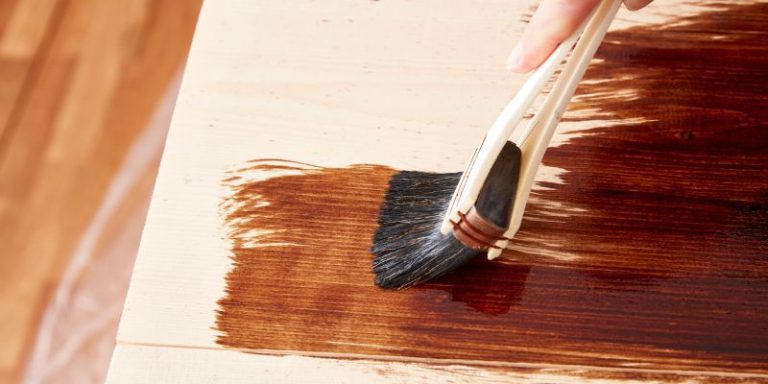
What Is Boiled Linseed Oil Used For? Wood, Metal & Paint Uses
Boiled linseed oil is a flax-seed drying oil used to finish wood, protect metal hand tools, and thin oil paint — but raw linseed oil takes weeks to cure while the boiled version hardens in a few days. Rags soaked in it can ignite on their own near 120°F if left balled up. This guide covers wood and metal uses, paint applications, and safe rag disposal.
What Is Boiled Linseed Oil Used For In Various Applications?
Boiled linseed oil (BLO) is used mainly as a wood finish, a metal-tool preservative, and a drying agent in oil-based paint and varnish. It penetrates wood grain to deepen color and repel moisture, forms a thin rust-resistant film on bare steel and cast iron, and speeds up how fast oil paints set. Artists also use it as a painting medium to improve flow and gloss. Every one of these uses depends on the same property: BLO oxidizes and hardens on contact with air, which is also why oily rags need careful handling — covered later in this guide.
Understanding Boiled Linseed Oil
Boiled linseed oil is made from flax seeds — but despite the name, most modern BLO is never actually boiled. Instead, manufacturers add chemical drying agents (metallic driers like cobalt or manganese salts, sometimes petroleum solvents) to raw linseed oil so it oxidizes and hardens in days instead of weeks. This is different from raw linseed oil, which cures slowly with no additives. Here are some key points:
- Composition: Raw linseed oil plus metallic drying agents that speed up oxidation.
- Historical Uses: Used by artists for painting and by carpenters for wood finishes for well over a century.
- Significance: Important in creating strong, moisture-resistant surfaces on both wood and metal.
Boiled linseed oil is a chemically-treated drying oil that hardens through oxidation rather than evaporation. For a full side-by-side comparison of cure times, finish hardness, and best use cases, see our dedicated guide: Linseed Oil Boiled vs Raw.
Applications in Wood Finishing
Boiled linseed oil offers real benefits for wood preservation. It soaks into open grain to block moisture and enhances the wood’s grain and color, giving pieces a warmer, richer look than a film finish like polyurethane. For step-by-step application instructions, see our guide on how to apply linseed oil, and for wood-specific considerations, read linseed oil for wood.
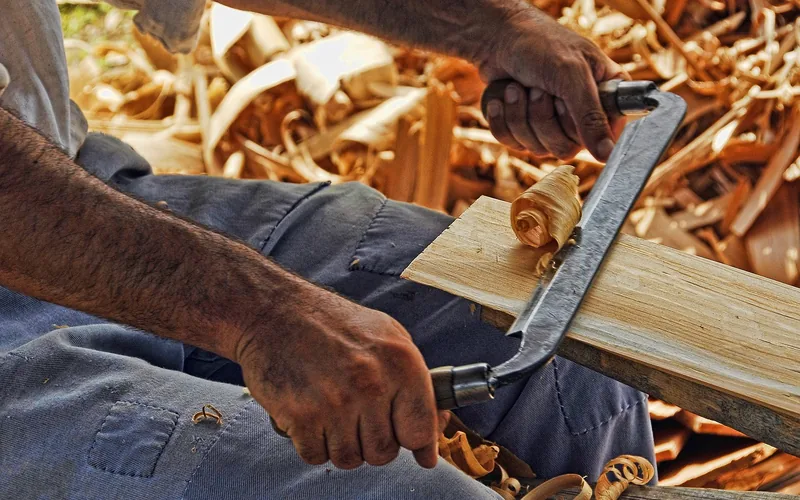
Many finished products use boiled linseed oil, including:
- Wood stains
- Varnishes
- Furniture oils
This oil remains popular among DIY enthusiasts and professional woodworkers alike for its low cost and warm, hand-rubbed finish.
Best Boiled Linseed Oil Pick
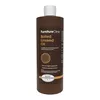
Furniture Clinic Boiled Linseed Oil (500ml) – $17.95
Refined for both wood furniture and metal — matches the dual wood-and-tool use this guide covers, in a size that suits most furniture and small-tool projects without the waste of a full gallon.
- Best for: Furniture restoration and small metal tool care in one bottle
- Why we picked it: Refined formula rated for stone and metal as well as wood, so one bottle covers both uses in this guide
- Main drawback: 500ml runs out fast if you’re treating large outdoor furniture
Compare more boiled linseed oil options
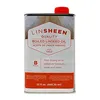 Option 1 LinSheen Boiled Linseed Oil (Quart) – $22.99
|
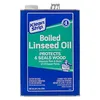 Option 2 Klean-Strip Boiled Linseed Oil (1-Gallon) – $48.24
|
 Option 3 Atlas Pure Swedish Boiled Linseed Oil (Quart) – $39.95
|
As an Amazon Associate we earn from qualifying purchases.
Can You Use Boiled Linseed Oil on Metal and Tools?
Yes. Boiled linseed oil is a long-standing choice for protecting the metal parts of hand tools — chisels, block plane bodies, screwdriver shanks, and cast-iron tool tables — from rust. It’s applied only to non-moving metal parts, never to pivots or threads where a sticky film would interfere with movement.

- Clean the metal: Wipe off any dust, grease, or old rust with a dry or lightly solvent-dampened cloth first.
- Apply a thin coat: Rub a small amount of BLO onto the metal with a cloth — a thick coat stays tacky far longer than a thin one.
- Let it sit, then buff: Leave it for about 15 minutes, then buff off all visible excess so no sticky residue remains.
One drawback: straight BLO on bare, oxidized steel can stay tacky for weeks in cool conditions. Woodworkers who restore old tools often thin it 50/50 with paint thinner or mineral spirits for a faster, less gummy cure on metal specifically.
Uses in Paint and Varnish Production
Boiled linseed oil plays a central role in traditional paint and varnish production. It acts as a drying agent, helping oil-based paint cure faster instead of staying wet for days. It also improves adhesion, helping paint bond to the surface, and adds extra durability to the finished film.
Look for it listed on the label of paint products like oil-based paints and primers. Here are a few common examples:
| Paint Product | Uses |
|---|---|
| Oil-Based Paint | Interior and exterior surfaces |
| Wood Varnish | Protects wooden surfaces |
| Primers | Prepares surfaces for painting |
Benefits in Arts and Crafts
Boiled linseed oil is popular among artists for its unique qualities. It enhances oil painting by creating smooth textures and rich, glossy finishes. Many artists prefer it as a medium because it improves paint flow and speeds up drying between layers.
- Provides a glossy finish
- Reduces brush marks
- Increases paint transparency
It blends easily with different pigments, which is part of why it remains a studio staple for oil painters.
Role in Home Improvement Projects
Boiled linseed oil seals and weatherproofs exterior wood surfaces, keeping them more resistant to rain and snow. Applied to outdoor furniture, it deepens the wood tone and adds a layer of moisture resistance — though it lacks the UV and water resistance of modern exterior finishes and needs reapplication every 6–12 months.
Always work in a well-ventilated space. Here’s a quick-reference table:
| Application | Best Practices |
|---|---|
| Sealing wooden surfaces | Apply in thin layers |
| Outdoor furniture | Reapply every 6-12 months |
| Use with care | Ensure proper ventilation |
Health and Safety Considerations
Using boiled linseed oil requires real caution. It’s flammable, can irritate skin and eyes on contact, and the biggest hazard isn’t the liquid oil itself — it’s the soaked rags left balled up afterward.
📊 Linseed oil-soaked rags can spontaneously combust as the oil oxidizes and generates heat — ignition can occur at a surface temperature of only around 120°F. — Source: East Sussex Fire & Rescue Service
How to safely dispose of linseed oil-soaked rags:
- Lay flat to dry: Spread rags out fully in a well-ventilated outdoor area so heat can dissipate — never leave them piled or balled up.
- Soak before disposal: Once dry, soak the rags in water for several days to neutralize any remaining oil before throwing them out.
- Or store in a sealed metal container: Place rags in a metal container filled with water and a tight-fitting lid until you’re ready to dispose of them.
“If the heat isn’t dissipated quickly enough, the temperature can rise to the point of ignition – only about 120 degrees.”
Keep the oil itself away from heat sources and store containers in a cool, dry place, sealed tightly and clearly labeled. For the environment, boiled linseed oil is a plant-based product that breaks down more readily than synthetic alternatives, though the added metallic driers mean it isn’t as eco-friendly as raw linseed oil.
Common Myths and Misconceptions
A few myths about boiled linseed oil persist even among experienced DIYers. Here are the most common ones, debunked:
- Myth 1: It dries in a few hours. In reality, a full cure can take several days depending on temperature and coat thickness.
- Myth 2: It’s safe to eat or use on cutting boards. It is not — the metallic drying agents make boiled linseed oil the least food-safe of the linseed oil types. See our full breakdown: Is Boiled Linseed Oil Food Safe?
- Myth 3: It’s the same as raw linseed oil. It isn’t — the added driers change both the cure time and the food-safety profile.
Understanding these facts helps you avoid a ruined finish or an avoidable safety mistake. For more oil-finish comparisons and wood-care guides, browse the full Oils section of this site.
Frequently Asked Questions
What Are The Primary Applications Of Boiled Linseed Oil In Woodworking And Finishing Processes?
Boiled linseed oil is primarily used in woodworking as a wood conditioner that enhances the grain and provides a warm finish. It penetrates deep into the wood, helping protect against moisture and reducing the risk of warping or cracking. It’s also used as a base in various oil-based varnishes and paints, improving flow and adhesion, and can be reapplied easily for ongoing maintenance.
How Does Boiled Linseed Oil Differ From Raw Linseed Oil In Terms Of Drying Time And Uses?
Boiled linseed oil dries faster than raw linseed oil because of added metallic drying agents that speed up oxidation. Raw linseed oil can take several weeks to fully cure, while boiled linseed oil hardens within a few days. As a result, BLO is preferred for wood finishing and painting where quicker drying matters, while raw linseed oil is used where a slower cure or food-contact safety is required. See our full comparison: Linseed Oil Boiled vs Raw.
Can Boiled Linseed Oil Be Used As A Protective Finish For Outdoor Furniture, And If So, How?
Yes, boiled linseed oil can be used as a protective finish for outdoor furniture. It penetrates the wood, deepening its natural color while adding moisture resistance. To apply, make sure the surface is clean and dry, then use a brush or cloth to apply an even coat, letting it soak in for about 15-30 minutes before wiping off the excess. Depending on sun and weather exposure, reapplication every 6-12 months is recommended to maintain protection.
What Are The Benefits Of Using Boiled Linseed Oil In Oil Painting And Art Supplies?
Boiled linseed oil improves the flow and workability of oil paints, allowing smoother application and blending. It also increases the paint’s gloss and transparency, enriching the final appearance of the artwork. This medium improves drying time compared to raw linseed oil, making it more suitable for layered painting techniques, and creates a more durable, flexible paint film.
Are There Any Safety Precautions To Keep In Mind When Using Boiled Linseed Oil?
Yes. Work in a well-ventilated area to avoid inhaling fumes, and keep the oil away from open flames or heat sources since it’s flammable. Most importantly, never leave BLO-soaked rags balled up or piled together — lay them flat to dry, soak them in water before disposal, or store them in a sealed metal container, since piled rags are the leading cause of linseed oil spontaneous combustion.
Can You Use Boiled Linseed Oil on Metal Tools?
Yes. A thin coat of boiled linseed oil protects the non-moving metal parts of hand tools — chisels, plane bodies, cast-iron surfaces — from rust and adds a mild patina. Apply a small amount, let it sit about 15 minutes, then buff off the excess so it doesn’t stay tacky. Avoid moving parts or threads, where a gummy film can interfere with function.
Is Boiled Linseed Oil Food Safe?
No. The metallic drying agents added to boiled linseed oil make it the least food-safe of the linseed oil types, so it shouldn’t be used on cutting boards, utensils, or other food-contact surfaces. For food-safe options and a full explanation, read our dedicated guide: Is Boiled Linseed Oil Food Safe?
Conclusion
Boiled linseed oil is a versatile, low-cost product for finishing wood, protecting metal tools, and formulating oil-based paints and varnishes. It enhances wood grain, resists rust on bare steel, and speeds up paint drying — but it isn’t food-safe, and soaked rags need to be laid flat or stored in water, never balled up. Handle it with those precautions and it remains one of the most useful traditional finishes for both woodworking and tool care.
Sponsored / affiliate links. As an Amazon Associate I earn from qualifying purchases. I may earn additional commission from eligible campaigns.