Best Finishing Oil for Butcher Block Countertops: We Compared
Use pure mineral oil or a mineral-oil/beeswax conditioner only if you will cut food directly on the butcher block. If the top is a sealed work surface, choose a hardwax oil or penetrating oil made for countertops. The wrong finish can leave sticky buildup, shorten service life, or create a surface that should not be used for direct food prep. This guide compares the best food-safe finish types by use, upkeep, and failure mode.
Quick comparison
| Product | Badge | Best for | Price | ||
|---|---|---|---|---|---|
 |
Sanco Industries Premium 100% Pure Food Grade Mineral OilSanco Industries | Our pick | 1 Quart · Mineral Oil · Butcher Block | $14.39
Price as of 19 Oct 2026
|
View |
 |
Howard Products Butcher Block Conditioner and Food GradeHOWARD | Also great | 12 Fl Oz · Beeswax Blend · Wood Conditioner | $9.98
Price as of 19 Oct 2026
|
View |
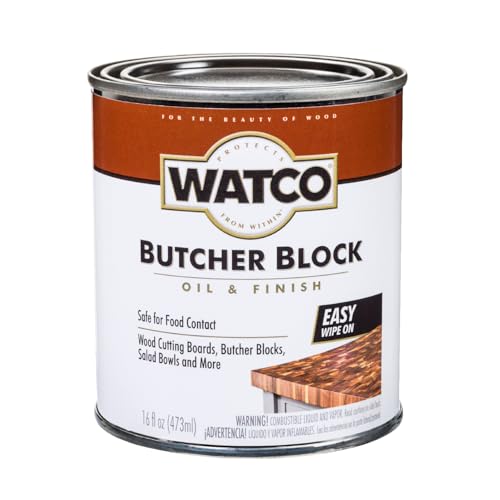 |
Watco Butcher Block Clear Oil & Finish | Food Safe WoodWatco | Upgrade pick | Pint · Clear Oil & Finish · Food Safe | $18.98
Price as of 19 Oct 2026
|
View |
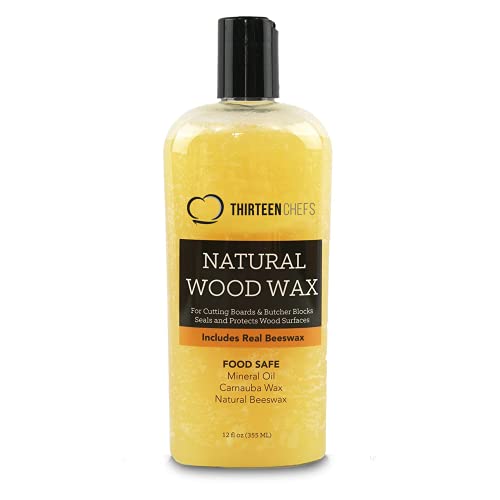 |
Cutting Board Wax and Conditioner with Food Grade Beeswax –CuttingBoard | Also great | 12oz · Beeswax & Oil Blend · Conditioner | $16.95
Price as of 19 Oct 2026
|
View |
The one decision that matters is whether the surface is a direct-cutting worktop or a sealed countertop. That choice changes what “best” means, easy renewal for knife use, or a harder film for spill resistance.
Do not blur those use cases. A finish that works on a countertop can fail fast on a cutting surface, and a cutting-safe oil can be a poor choice if you want fewer maintenance cycles.
How we chose
The comparison below is built around five checks: food-contact use, whether you can cut directly on the surface, how often it needs recoating, how long it needs to cure, and how it fails when the wrong product is used.
We also factored in maintenance burden over 12 months, repairability, and moisture resistance at the edges and sink cutout, where butcher block usually wears first.
Food-grade mineral oil: best for direct food contact
Food-grade mineral oil is the safest default for a butcher block that touches food often. It penetrates the wood, does not cure into a film, and is easy to renew when the surface looks dry. That makes it the cleanest choice for a prep surface where knives see regular use.
The drawback is maintenance. Mineral oil needs frequent reapplication, and the guide used here places that interval at every one to three months. If you want a finish that stays put for long stretches, this will feel high-maintenance.
Apply it with a wipe-on method, let the wood absorb what it will, then wipe off every excess layer. If oily residue stays on the surface, it can feel sticky and collect dust. On end grain and around sink cutouts, the wood usually drinks more finish and dries out faster.
Pure tung oil: best for better water resistance
Pure tung oil is a drying oil that polymerizes, so it gives more water resistance than mineral oil once it has fully cured. That makes it a strong choice when you want a food-contact-safe finish that behaves more like a real coating than a maintenance oil.
The trade-off is timing. Tung oil needs the full manufacturer cure window before food contact, and that window is measured in days, not hours, on many products. It also demands careful wipe-off, because uncured excess can stay tacky and attract grime.
Choose tung oil when you want better moisture resistance than mineral oil but still want a finish that can be renewed without sanding off a hard film. Avoid it if you need a same-day return to service.
Mineral oil and wax conditioner: best for easier upkeep
Mineral oil and wax conditioner is a good middle ground for boards and butcher blocks that see knives. The mineral oil feeds the wood, while beeswax or carnauba wax leaves a water-shedding top layer. Howard Butcher Block Conditioner is made from mineral oil and wax, and Howard says it needs reapplication every 3-4 weeks.
The upside is simple upkeep and a slightly better moisture barrier than plain oil. The drawback is that the wax layer still wears off. It also needs buffing, so if you skip the wipe-down step, you can end up with cloudy, gummy residue instead of a clean finish.
This is a practical choice for a prep surface that gets washed often but not soaked. It is less suited to deep sink-adjacent exposure or a countertop where you want fewer touchups over the year.
Waterlox Original Sealer and Finish: best for sealed countertops
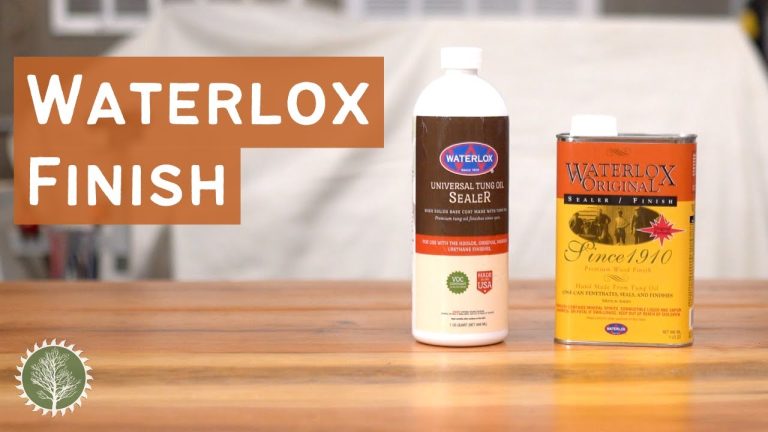
Waterlox Original Sealer and Finish is a resin-modified tung oil finish, so it behaves like a film-forming countertop coating rather than a simple board oil. That makes it a better fit for a butcher block used as a countertop, not as a direct-cutting surface. Its food-contact wait time depends on full cure, not touch-dry time.
The advantage is better moisture resistance and a harder working surface. The drawback is that any film can chip, scratch, or break at edges and sink cutouts, and spot repair is less forgiving than an oil you can wipe back on. If the surface is used with knives, this is the wrong choice.
Use it when you want a sealed top and can live with the maintenance of a coating system. Around sinks and seams, watch for standing water and edge wear, because those are the places where film finishes usually fail first.
Polyurethane: best for maximum durability
Polyurethane is a film-forming finish, so it is built for durability rather than direct cutting. That makes it a reasonable choice for a butcher block countertop that will not be chopped on, but not for a prep surface that sees knives. Oil-based polyurethane is described as more durable than water-based polyurethane, though it also takes longer to dry and can smell like turpentine for a few hours.
The strong point is moisture resistance and long service life. The guide used here places polyurethane at three to five years. The weak point is repairability: once a film chips or scratches through, you usually have to sand and refinish a larger area.
Use it only if you want the toughest film and you can accept a less natural look. Do not treat it as food prep armor. A knife will damage it, and that damage is harder to hide than an oil mark.
Butcher block finish matrix
This matrix separates the finishes by use, not by marketing language. That matters, because the wrong finish often fails in a predictable way: gummy oil on a cutting surface, chipped film at an edge, or moisture trapped around a sink cutout.
| Finish | Food-contact safety | Cut directly on it? | Expected recoat interval | Cure window | Repairability | Moisture resistance | Best use case |
|---|---|---|---|---|---|---|---|
| Food-grade mineral oil | Yes, for food-contact use | Yes | Every 1 to 3 months | No full cure; wipe-off application | Very easy | Low | Direct-cutting butcher block |
| Pure tung oil | Yes after full cure | Yes after cure | Less frequent than mineral oil | Days, per manufacturer | Moderate | Moderate to good | Prep surface needing better water resistance |
| Mineral oil and wax conditioner | Yes for food-contact use | Yes | Every 3-4 weeks for Howard; similar blends often need regular refresh | No full cure; buff after application | Very easy | Moderate | Boards and blocks with frequent knife use |
| Waterlox Original Sealer and Finish | For countertop use after full cure | No | Less frequent than oil finishes | Depends on full cure, not touch-dry | Moderate | Good | Sealed countertop, not a cutting surface |
| Polyurethane | For countertop use after full cure | No | Three to five years | Longer dry and cure window | Poor to moderate | Very good | Maximum durability on a non-cutting top |
| Mineral oil plus wax blends | Yes for food-contact use | Yes | About one to three months for oil-based upkeep | No full cure; wipe and buff | Very easy | Moderate | Low-lift upkeep on a knife-used surface |
Why the finish choice changes by use
The FDA food-contact surface standard points toward durable, nonabsorbent surfaces that resist pitting and chipping. That favors film finishes for sealed countertops, but it does not make them the right choice for a surface you will cut on. A cutting surface needs renewability more than armor.
Picture a 60-inch island top with a sink cutout on one end. The field area may tolerate a film finish, but the cutout edge sees standing water and micro-chipping sooner. In that setup, a fully cured countertop finish on the flat field and careful edge sealing make more sense than a board oil alone.
Prep and compatibility checks
Before you refinish, check what is already on the wood. New oil over old wax, polyurethane, or varnish can fail to bond, bead up, or stay tacky. Old film finishes usually need sanding back to bare wood if you want a penetrating finish.
For oil finishes, start with 120-grit, then step through 150-grit and 180-grit. Do not sand so fine that the finish cannot penetrate well. After sanding, vacuum and wipe the dust away before any finish goes on.
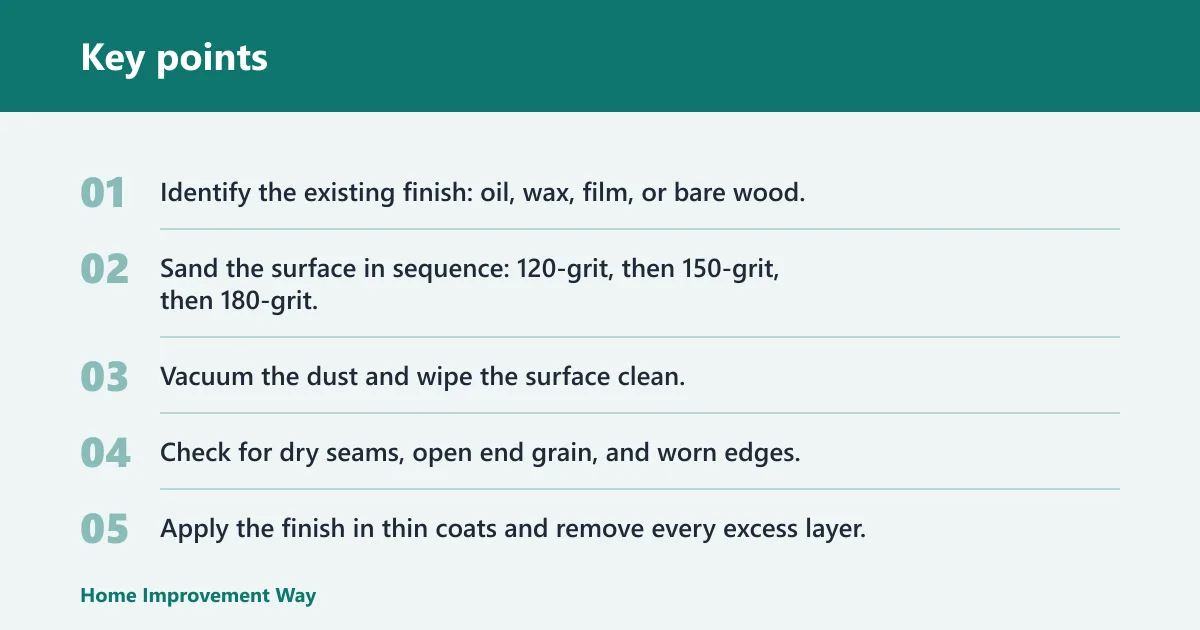
- Identify the existing finish: oil, wax, film, or bare wood.
- Sand the surface in sequence: 120-grit, then 150-grit, then 180-grit.
- Vacuum the dust and wipe the surface clean.
- Check for dry seams, open end grain, and worn edges.
- Apply the finish in thin coats and remove every excess layer.
- Wait for the full cure window before food contact.
Touch-dry versus full cure
Touch-dry is not ready for knives, cookware, or wet cleanup. Watco Butcher Block Oil & Finish dries to the touch in 2 hours, but it is fully ready after 72 hours. That gap matters, because a surface that feels dry can still be soft under load or vulnerable to moisture.
Manufacturer windows vary from hours to days or longer. If a label gives both a dry-time and a cure-time, follow the cure-time for food contact. That is especially important near sink edges, where uncured finish can stay soft longer.
Which one should you buy?
If you cut directly on the butcher block, start with food-grade mineral oil. It is the simplest safe default, and it is easy to renew without building a film. If you want a little more water resistance and still want a prep surface, pure tung oil is the better step up.
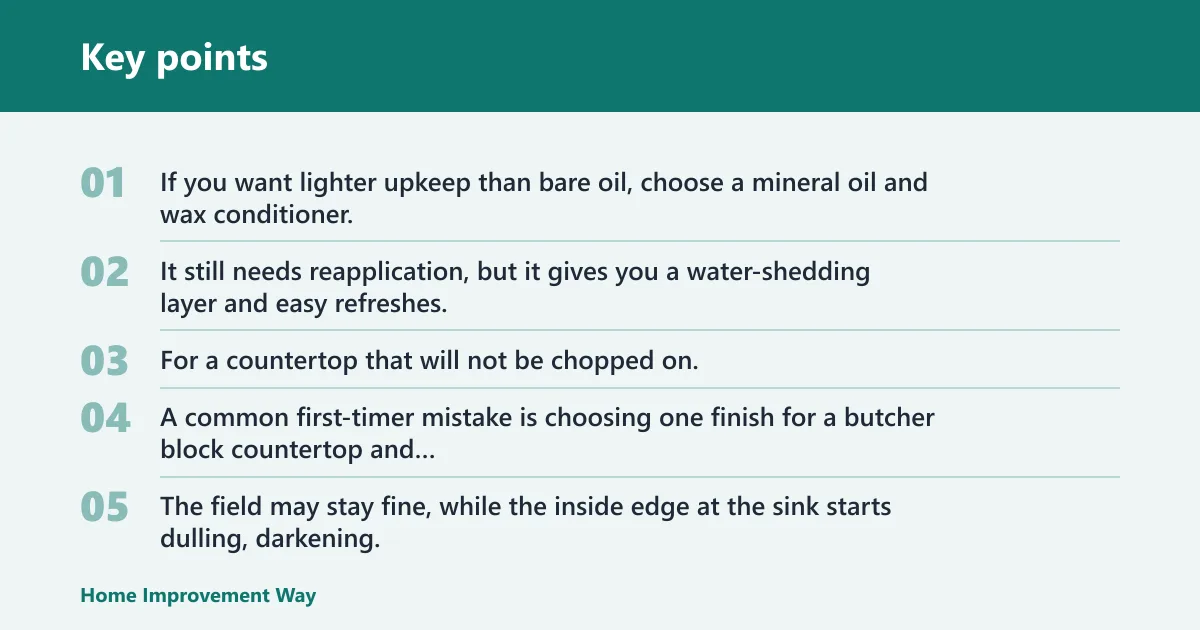
If you want lighter upkeep than bare oil, choose a mineral oil and wax conditioner. It still needs reapplication, but it gives you a water-shedding layer and easy refreshes. For a countertop that will not be chopped on, Waterlox or polyurethane makes more sense because the surface can benefit from a harder film.
A common first-timer mistake is choosing one finish for a butcher block countertop and assuming the prep area near the cooktop will need the same level of protection as a dry baking zone. The field may stay fine, while the inside edge at the sink starts dulling, darkening, or swelling first. In that case, the edge treatment matters as much as the field coat.
Suppose you have a 7-foot island with a cutting zone on one end and a coffee station on the other. Mineral oil fits the cutting zone. A film finish fits the coffee side if you are willing to keep knives away from it. One top can need two different strategies.
If you are refinishing an old block and do not know what is already on it, favor the most conservative compatible choice. Old wax and film residues are the usual reason a fresh coat turns blotchy or stays sticky.
Frequently asked questions
What is the best oil to use on butcher block countertops?
Food-grade mineral oil is the best default if the countertop will be used as a direct food-prep surface. It is easy to apply, easy to renew, and it does not form a film that can chip under knives. If you want more water resistance, pure tung oil is the next step up after full cure.
Should I use mineral oil or tung oil on butcher block?
Use mineral oil if the surface will be cut on often and you want the lowest-maintenance food-contact-safe option. Use tung oil if you want better water resistance and can wait through the full cure window before use. Mineral oil is simpler; tung oil is tougher.
Can I use polyurethane on a butcher block countertop?
Yes, but only if the countertop will not be cut on directly. Polyurethane forms a hard film and is better for a sealed worktop than a prep surface. It is durable, but once it chips or scratches, repair is more involved than with oil.
How often do butcher block countertops need oiling?
Plain mineral oil usually needs recoating every one to three months. Howard Butcher Block Conditioner, a mineral oil and wax product, calls for reapplication every 3-4 weeks. If the wood looks dry, absorbs water fast, or feels rough, it is time to refresh it sooner.
What is the best food-safe finish for a butcher block countertop?
The best food-safe finish depends on use. For direct cutting, food-grade mineral oil or a mineral oil and wax conditioner is the safest practical choice. For a sealed countertop that will not be chopped on, a fully cured penetrating or film finish can make sense.
What finish to use on butcher block countertops?
Use a non-film finish if you will prep food on the surface, and use a film-forming countertop finish if the surface is more decorative or only lightly used. Start with the use case, not the product label. That rule prevents the most common failure modes: gummy oil, chipped film, and trapped moisture.
Sponsored / affiliate links. As an Amazon Associate I earn from qualifying purchases. I may earn additional commission from eligible campaigns.