How to Finish Wood Floors with Oil vs Poly
Choose How to finish wood floors with oil if you want easier spot repairs and routine recoating. Choose poly if you want a harder surface film and fewer full refinishing cycles. Pick the finish by upkeep, not only appearance. A poor match can lead to sanding, peeling, or patchy repairs, and this guide compares oil vs poly for recoating, repair, and day-to-day care so you can match the finish to your floor and habits.
| Decision factor | How to finish wood floors with oil | poly | Winner |
|---|---|---|---|
| Wear resistance in busy rooms | Good if you are willing to maintain it and refresh worn areas before they spread | Usually better for heavy foot traffic because it builds a protective surface film | poly |
| Repair path | Spot treatment and re-oiling are often possible on worn areas | Not easily spot-patched; damaged areas often need buff-and-recoat or full sanding | How to finish wood floors with oil |
| Odor and occupied-home use | Can still need ventilation, but product choice matters a lot; pure tung oil and some oil systems still have curing odor | Water-based poly is lower odor and lower VOCs than oil-based poly | poly |
| Color on light wood | Can warm the wood and may deepen tone over time | Water-based poly dries clear and is better for maple, birch, ash, hickory, and poplar | poly |
| Maintenance burden | Needs periodic maintenance oil and more hands-on upkeep | Usually needs less frequent maintenance, though sanding and refinishing eventually comes due | poly |
Oil vs polyurethane: the core trade-off
Polyurethane forms a protective surface film. Oil-based systems are often easier to refresh in place, but they usually need more upkeep. That is the choice that matters most when the floor gets daily use, not only how it looks on day one.
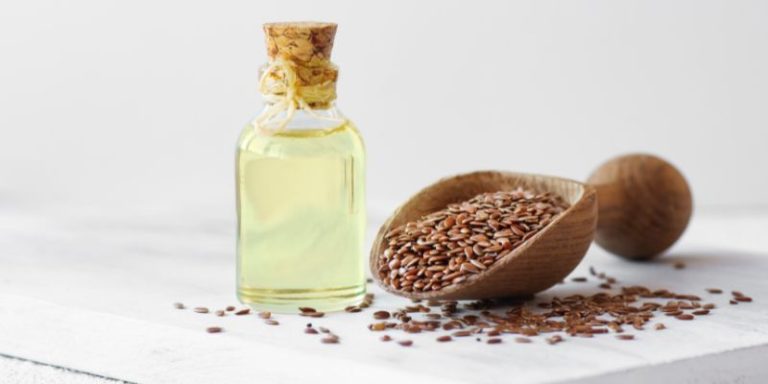
Not all “oil” floor products act the same. Pure tung oil is a penetrating finish that is generally used on bare wood or stripped wood, while hardwax oil and other oil-modified systems may add more build and wear protection than a simple penetrating oil. Treat them separately or the repair advice gets messy fast.
Where pure tung oil fits
Pure tung oil is not a topcoat for an old polyurethane floor. It generally cannot go over an existing film finish, so bare wood or a full strip to raw wood is typically needed for it to work as intended.
RMP Finishes recommends cutting pure tung oil 1 to 1 with thinner on Day 1, and adding more thinner if the mix does not absorb in 40 minutes. That repeat coat-and-wipe process is very different from a standard polyurethane schedule.
Which finish is more durable?
Polyurethane is usually the better pick for hard daily wear, especially on floors that see constant foot traffic, kids, or pets. Oil systems can hold up well, but they usually ask for more frequent refresh work, so durability here includes maintenance tolerance as much as scratch resistance.
Oil-based polyurethane on high-traffic floors
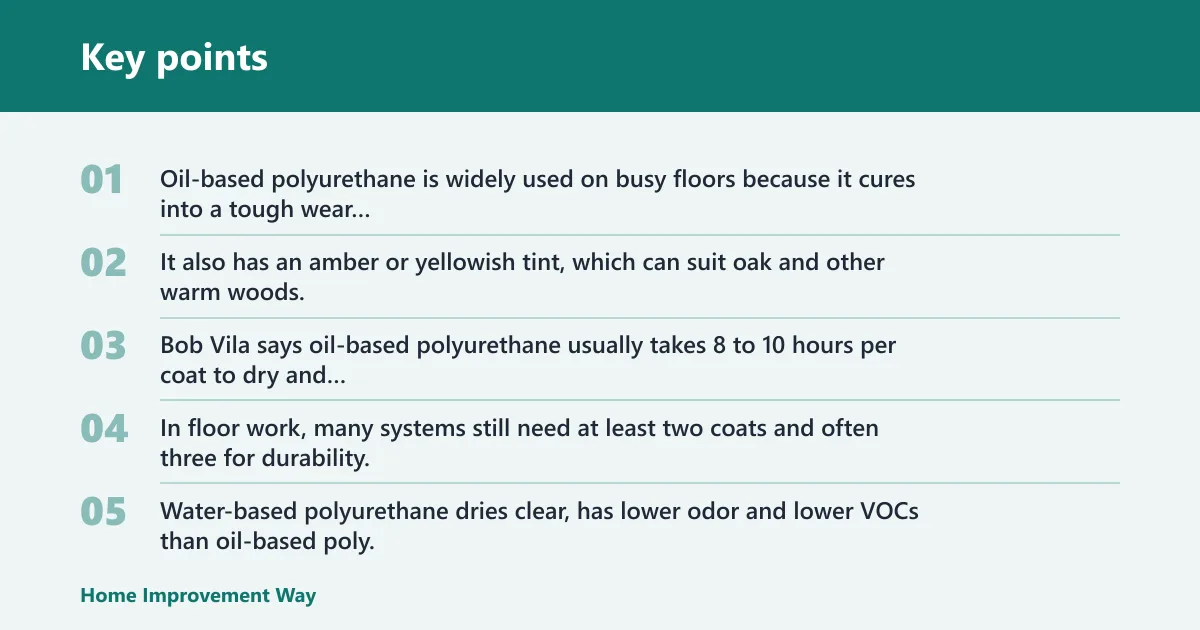
Oil-based polyurethane is widely used on busy floors because it cures into a tough wear layer and has a reputation for strong protection. It also has an amber or yellowish tint, which can suit oak and other warm woods, but its stronger odor and higher VOCs make ventilation more important during application.
Bob Vila says oil-based polyurethane usually takes 8 to 10 hours per coat to dry and often needs only one to two coats for good build and protection. In floor work, many systems still need at least two coats and often three for durability, so follow the product instructions and the floor’s condition rather than counting on a shortcut.
Water-based polyurethane for daily wear and lighter color retention
Water-based polyurethane dries clear, has lower odor and lower VOCs than oil-based poly, and is better when you want to keep maple or other pale woods looking light. The same source says it typically needs three to four coats total and usually dries in 2 to 4 hours between coats.
That faster schedule helps on projects where you need to recoat the same day and keep moving. It also makes the finish easier to plan around furniture, but the floor still needs full cure time before rugs or heavy traffic return.
Where oil systems hold up well
Oil-finished floors can do well in rooms where repair tolerance matters more than a sealed-film shell. The Hudson Co says oil-finished floors need maintenance oil every 3-5 years, and they can be easily spot-treated and re-oiled.
That makes oil useful when a floor will be patched in sections over time. It is less useful when you want to leave the floor alone for years with minimal touch-up.
How do color, sheen, and yellowing differ?
Oil-based polyurethane tends to warm the wood and can amber over time, while water-based polyurethane stays clearer. Sheen matters too: matte and satin hide wear better than high-gloss, which throws scratches and dust into sharper view.
Ambering on oak and other warm woods
Oil-based polyurethane adds an amber or yellowish cast that many people like on oak. On darker or warm-toned species, that can deepen the color in a way that feels traditional.
On pale woods, the same warmth can look too golden if the goal is a lighter floor. That is why Bob Vila specifically recommends water-based polyurethane for light-colored hardwoods like maple, birch, ash, hickory, and poplar.
Clear looks on maple and pale finishes
Water-based polyurethane is the cleaner choice when you want the natural wood tone to stay close to raw sanded color. If you are matching new boards to an older pale floor, its clear dry film is usually the safer path.
That same clarity makes it a better fit for floors where stain color is already doing the visual work. A warmer film would change the result more than many homeowners expect.
Matte, satin, semi-gloss, and high-gloss
Matte hides minor scratches and dust better. Satin is the common middle ground. Semi-gloss and high-gloss reflect more light, so small dents, floor swirls, and cleaning marks stand out sooner.
If the room gets direct sun or a lot of hallway traffic, a lower sheen is usually easier to live with. A shinier finish can look polished on day one and busy on day thirty.
How long do the finishes take to dry?
Dry-to-touch timing is not the same as usable timing, and furniture return is not the same as full cure. That difference matters because a floor can seem ready long before it is ready for rugs, heavy chairs, or normal traffic.
Recoat windows versus dry-to-touch timing
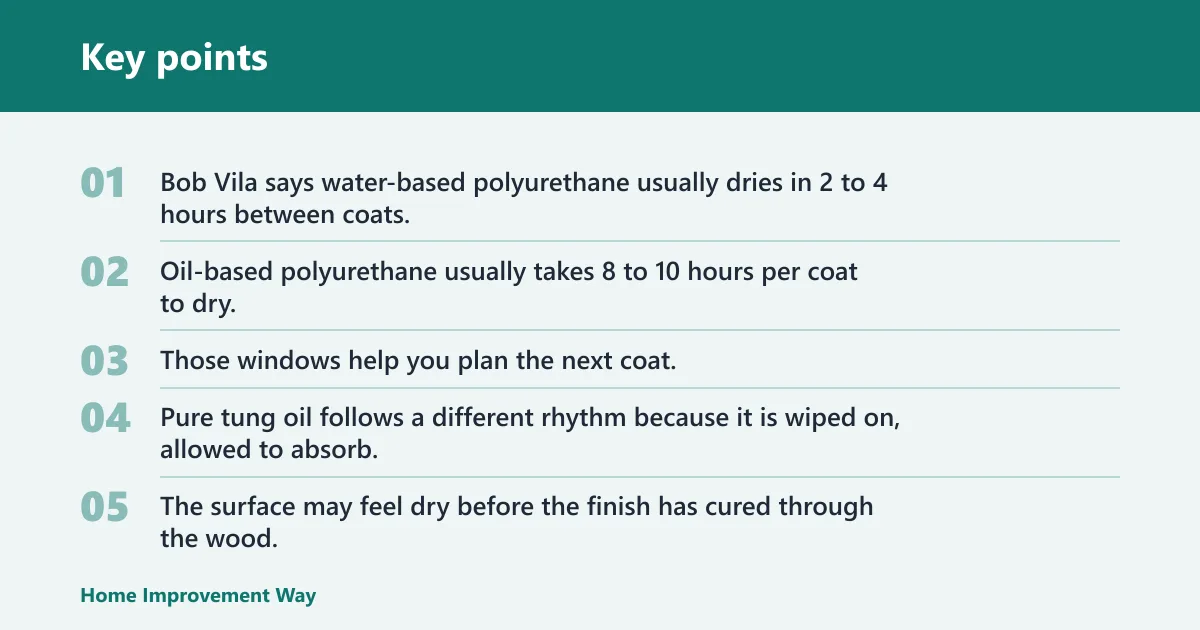
The same source says water-based polyurethane usually dries in 2 to 4 hours between coats. Oil-based polyurethane usually takes 8 to 10 hours per coat to dry. Those windows help you plan the next coat, but they do not mean the floor is ready for full use.
Pure tung oil follows a different rhythm because it is wiped on, allowed to absorb, and then wiped back. The surface may feel dry before the finish has cured through the wood, so do not rush the next step just because the surface feels dry.
Light foot traffic, furniture return, and rug timing
Company Floors says polyurethane can usually be walked on in socks within about 24 hours. Moving furniture back may take a few days, and rugs up to a couple of weeks. Those delays matter because trapped solvent or moisture under a rug can mark the finish.
Suppose a living room gets its final coat on Friday night. A cautious plan would keep chairs off it longer than socks-walkable time, then wait for furniture and rugs according to the product directions. That sequencing keeps the finish from printing or sticking.
Odor, VOCs, respirator use, and ventilation
Oil-based polyurethane has stronger odor and higher VOCs, so ventilation and respiratory protection matter more during application and early cure. Water-based polyurethane is generally easier to live around in an occupied home, though fresh-air flow is still important.
Any oil system that off-gasses during cure needs the room opened up and the schedule planned around that odor. If the household cannot vacate or ventilate well, low-VOC choices usually reduce the interruption.
What surface prep does each finish need?
Surface prep is where many floor finishes succeed or fail. The floor needs to be sanded, cleaned, and free of residue before you choose oil or polyurethane, and the finish must be compatible with any coating already on the boards.
Sanding before finish and cleaning off residue
Start with a proper sanded surface, then remove dust and any oily residue before coating. If the floor still has wax, polish, or a previous film in spots, the new finish may not bond evenly.
That warning matters most on older floors where the prior history is unknown. A clean, residue-free surface is not optional.
Light scuff sanding for dense or hardened wood
Dense wood, hardened old coating, or a lightly aged surface often needs a scuff sand before recoating. That step creates tooth so the next coat can grip instead of skating over the top.
If the board is already sealed with an incompatible finish, scuff sanding alone may not be enough. Compatibility comes first, then coating.
Finish compatibility with stain, old coatings, and bare wood
Polyurethane can often go over properly prepared stained wood, but not over every old finish without prep. Pure tung oil is stricter: it needs bare wood or a fully stripped surface.
A common first-timer mistake is buying the finish before checking the floor history. If you do not know what is on the wood already, test a small hidden area or expect to sand further than planned.
Oil floor repair matrix
The right finish changes by room, not just by preference. This matrix scores 10 common floor scenarios and points to the better fit for that situation, based on traffic, odor, repair tolerance, and upkeep.
| Scenario | How to finish wood floors with oil | poly | Recommended finish | Why |
|---|---|---|---|---|
| High traffic | 3 | 5 | poly | Better surface-film wear for constant foot traffic |
| Pets | 3 | 5 | poly | Resists moisture and ordinary traffic better between services |
| Rental turnover | 2 | 5 | poly | Cleaner reset between tenants and less frequent maintenance calls |
| Historic wood | 5 | 3 | How to finish wood floors with oil | Repair-friendly and often a better match for older boards |
| Light-colored maple | 2 | 5 | poly | Water-based poly keeps the color clearer |
| Warm-tone oak | 5 | 4 | How to finish wood floors with oil | Amber tone can suit oak and other warm woods |
| Easy spot repair | 5 | 2 | How to finish wood floors with oil | Spot oiling is simpler than patching a film finish |
| Low-odor needs | 2 | 5 | poly | Water-based products usually fit occupied-home constraints better |
| DIY time | 3 | 5 | poly | Faster recoat timing helps the project finish sooner |
| Long-term maintenance | 2 | 4 | poly | Less frequent upkeep even if later refinishing is more involved |
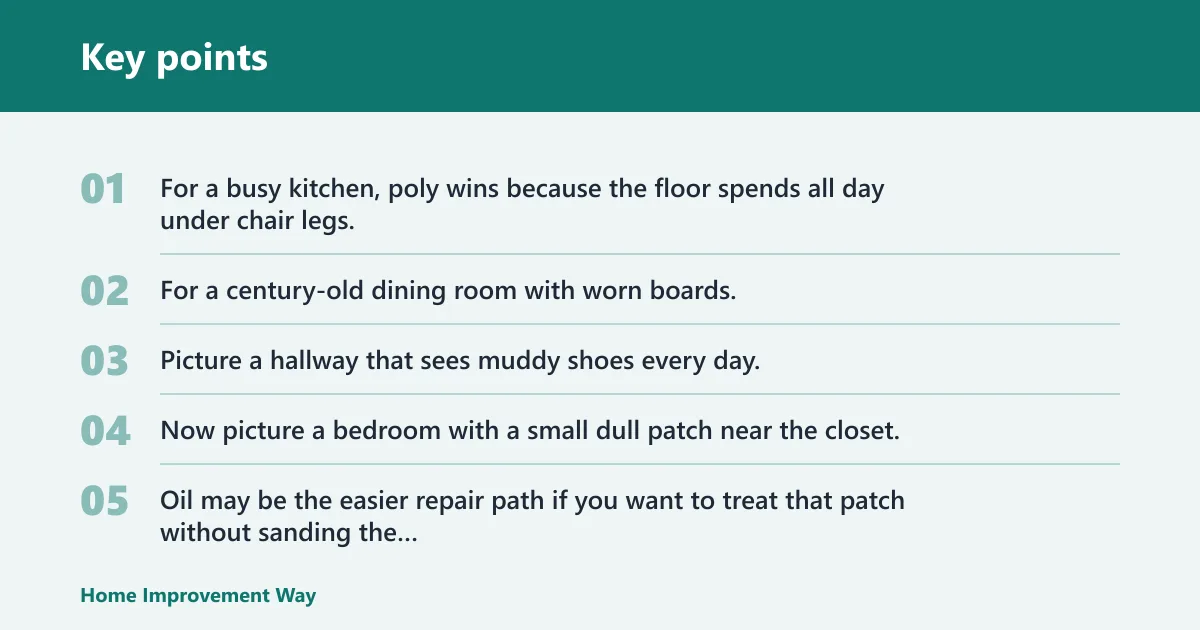
For a busy kitchen, poly wins because the floor spends all day under chair legs, foot traffic, and cleanup splashes. For a century-old dining room with worn boards, oil can win because future spot repair matters more than maximum film hardness.
Picture a hallway that sees muddy shoes every day. Poly gives you the stronger barrier. Now picture a bedroom with a small dull patch near the closet. Oil may be the easier repair path if you want to treat that patch without sanding the whole room.
What the repair paths actually look like
Spot oiling: suitable for localized wear on an oil-finished floor, especially where the floor can be cleaned and recoated in the worn area. The Hudson Co says oil floors can be easily spot-treated and re-oiled.
Buff and recoat: a common poly maintenance path when the surface is scratched but still intact. The floor is scuff-prepped and recoated without going all the way down to bare wood.
Full sand-and-refinish: the deeper reset when the film is badly worn, damaged, or failing. The Hudson Co says serious polyurethane damage may require replacement of a board or refinishing an entire floor.
Choose How to finish wood floors with oil if… / Choose poly if…
Choose How to finish wood floors with oil if you want easier spot repair, you are willing to maintain the floor on a cycle, you like a warmer low-sheen look, or the boards are older and will probably need localized touch-ups. Choose poly if the room gets heavy traffic, you need lower-odor water-based options, you want clearer color on pale wood, or you prefer longer gaps between major maintenance events.
If the floor is already coated, choose neither until you confirm compatibility. Pure tung oil needs bare wood, and polyurethane needs a properly prepared surface. The wrong shortcut usually costs more later.


Frequently asked questions
What’s the difference between wood floor oil finish vs polyurethane?
Oil systems are usually chosen for easier refresh work and a more natural maintenance cycle, while polyurethane is chosen for a tougher surface film and less frequent refinishing. The right call depends on how often you want to sand, buff, spot-repair, or re-oil the floor after it is installed.
Which is more durable on hardwood floors, oil or poly?
Polyurethane is generally more durable for heavy traffic because it forms a protective film on top of the wood. Oil can perform well, but it usually relies on more regular upkeep to keep that protection in place, which is why traffic level matters so much in the decision.
Can you spot-repair an oil-finished floor better than polyurethane?
Yes. Oil-finished floors are usually easier to spot-treat and re-oil, while polyurethane repairs are less forgiving because the finish is a film. Small damaged areas in poly often show a patch unless the repair is blended carefully or the floor is buffed and recoated more broadly.
How long does polyurethane take to dry before walking on it?
The same source says polyurethane can usually be walked on in socks within about 24 hours. That is not the same as being ready for furniture, rugs, or heavy use, so plan those returns separately and follow the product label for full cure timing.
How many coats of polyurethane do wood floors usually need?
The same source says water-based polyurethane typically needs three to four coats total, and oil-based polyurethane often needs one to two coats for good build and protection. In floor work, many systems still end up with at least two coats and often three, depending on the product and the floor condition.
Does oil finish yellow wood floors over time?
It can. Oil-based polyurethane has an amber or yellowish tint, and many oil systems also warm the wood as they age. That can be a good look on oak, but it is usually not the right choice if you want maple or other light woods to stay as pale as possible.
Can you apply tung oil over an old floor finish?
No. Pure tung oil cannot be applied over an existing film finish. It needs bare wood or a full strip to raw wood, so an old polyurethane floor has to be taken back much farther before tung oil will behave properly.
Which finish is better for high-traffic rooms, oil or poly?
Polyurethane is usually the better answer for high-traffic rooms because it resists ordinary wear and moisture better between maintenance events. Oil can work, but it asks for more frequent attention, so the better finish is the one that matches how much upkeep you are willing to do.
Sponsored / affiliate links. As an Amazon Associate I earn from qualifying purchases. I may earn additional commission from eligible campaigns.