Best Finishes for Furniture (2026): Based on Specs and Reviews
For most indoor furniture, the best starting point is a Danish oil or a pure tung oil finish, because both keep the wood looking natural while still giving you repairable protection; if moisture or wear is the main concern, move to a harder-curing finish with better surface resistance.
Quick comparison
| Product | Badge | Best for | Price | ||
|---|---|---|---|---|---|
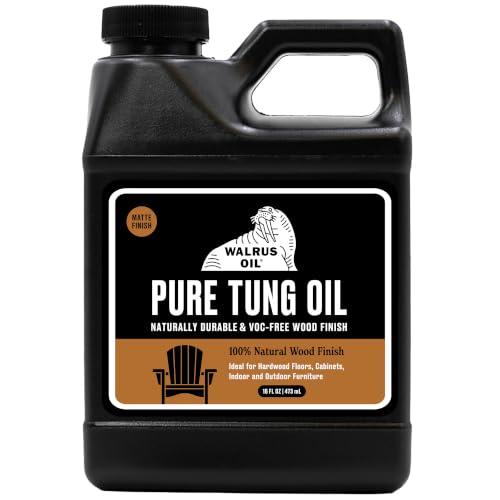 |
WALRUS OIL – 100% Pure Tung Oil, Wood Finish for AnyWalrus Oil | Our pick | 16 oz · pure tung oil · natural | $17.99
Price as of 28 Oct 2026
|
View |
 |
Watco Natural Danish Oil Wood Finish | Penetrating OilWatco | Pair with it | Quart · Danish oil · natural | $35.52
Price as of 28 Oct 2026
|
View |
 |
Osmo Polyx-Oil – 3031 Clear Matte – .125 LiterOsmo | Also great | 0.125 L · matte · clear | $23.99
Price as of 28 Oct 2026
|
View |
 |
Howard Products Butcher Block Conditioner and Food GradeHOWARD | Budget pick | 12 fl oz · food-grade · conditioner | $9.98
Price as of 28 Oct 2026
|
View |
This guide compares oil finishes by project risk, not by brand hype. That matters because tung oil, linseed oil, Danish oil, and mineral oil behave very differently once they are on wood.
How we chose
The picks below are organized around four decision points: exposure, food contact, cure speed, and maintenance tolerance. They also separate drying oils from non-drying mineral oil, since those two groups behave differently in use.
For each option, the focus is on where it fits best, what it protects against, and where it falls short. That is the fastest way to avoid sticky surfaces, slow cure problems, and finishes that do not match the project.
Wood finishing oil decision table
| Project type | Best oil category | Moisture exposure | Food contact | Cure speed | Maintenance interval | Sheen | Red-flag oils to avoid |
|---|---|---|---|---|---|---|---|
| Dining table | Danish oil | Low to moderate | No | Moderate | Occasional refresh | Low sheen to soft satin | Mineral oil; raw linseed oil |
| Bookshelf | Pure tung oil | Low | No | Slower than some oils | Long interval | Natural, low-luster look | Mineral oil; heavy film finishes if you want easy repair |
| Kitchen cutting board | Mineral oil with wax | Frequent washing risk | Yes, for food-contact surfaces when the label supports it | Does not cure hard | Frequent reapplication | Soft sheen | Danish oil; tung oil blends not labeled for food contact; petroleum-derived formulas without food-contact guidance |
| Wooden spoon or utensil | Mineral oil | Low to moderate | Yes, when food-contact use is intended | Does not dry into a hard film | Frequent reapplication | Natural | Boiled linseed oil; Danish oil; outdoor defense oil |
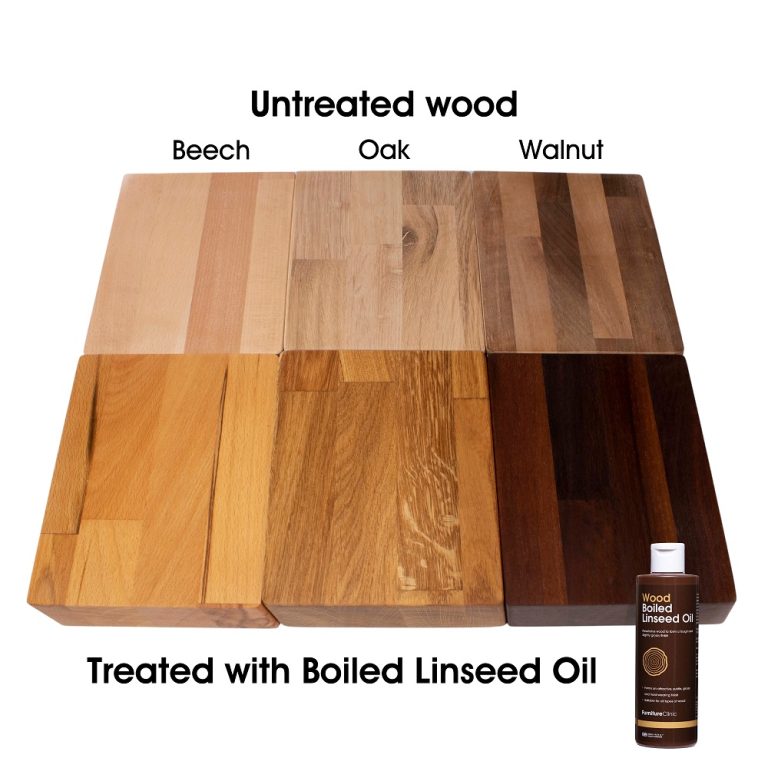
| Hand tool handle | Boiled linseed oil | Low | No | Faster than raw linseed oil | Occasional refresh | Low sheen | Mineral oil; thick film finishes |
| Outdoor bench | Teak oil / outdoor defense oil | High | No | Moderate | Regular seasonal upkeep | Natural to soft satin | Mineral oil; interior-only oils |
| Cabinet door | Water-based polyurethane or oil-based polyurethane as a film-finish comparison point | Low to moderate | No | Water-based: faster; oil-based: slower | Long interval | Water-based: clear; oil-based: amber | Mineral oil; raw linseed oil; teak oil for indoor cabinet protection |
| Decorative turning | Tung oil or boiled linseed oil | Low | No | Moderate to slow | Occasional refresh | Natural grain look | Mineral oil if you need a curing finish; outdoor defense oil |
How do you choose the right oil?
Choose the oil by the project’s real risk. If the wood will face water, heat, or heavy handling, move toward a harder-curing finish or a true exterior coating. If the surface needs easy repair and a natural look, a penetrating oil is usually the better fit.
Match the oil to the project
A decorative shelf and a garden bench should not get the same finish. Tung oil, linseed oil, and Danish oil all work well on indoor pieces, but outdoor exposure changes the choice quickly. For cutting boards, mineral oil remains the safer category when the label and use case support food contact.
Match the oil to the maintenance interval
Some projects can tolerate regular upkeep. Others cannot. Mineral oil is a maintenance-first choice because it stays liquid in the wood fibers and needs repeated reapplication. Teak oil and similar outdoor defense oils also need ongoing care, especially on weathered surfaces.
Match the oil to the surface type
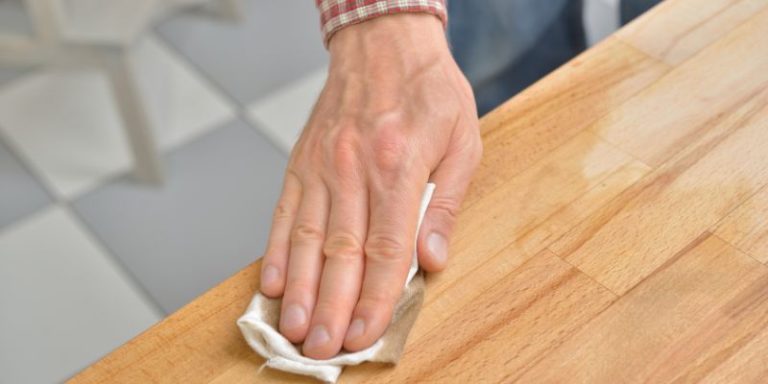
Flat tabletops, turned parts, and end-grain surfaces absorb oil differently. A common first-timer mistake is applying too much to a thirsty surface and leaving it wet. A better plan is to wipe on generously, wait 15 minutes, then wipe off the excess.
Say your project is a maple dining table with light household use. A Danish oil finish makes sense because it is easy to apply, gives the wood a wet look, and adds some surface protection without building a thick film. If that same table sits under a bright window, consider whether you want more protection or a clearer, harder finish.
Tung oil: best for natural grain and moisture
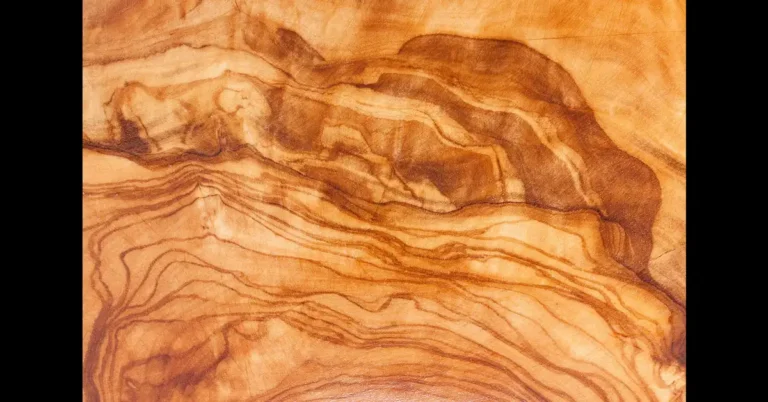
Pure tung oil is the best fit when you want grain pop, a natural look, and better water resistance than many simple wiping oils. Oil finishes like tung or linseed oil penetrate deeply and bring out grain, and tung oil is a strong choice when the goal is visible wood, not a plasticky film.
What it does well
Tung oil is a penetrating oil finish that soaks into the wood rather than sitting mainly on top. It suits pieces where you want a hand-rubbed appearance and some resistance to moisture. It is often chosen when the grain should stay visible and the surface should feel like wood, not coating.
Where it falls short
It is not the fastest route to a usable surface. Some oil finishes fully cure in 7–30 days, and slower cure means the project can feel unfinished longer than a film finish. On high-wear furniture, the protection level may be lower than polyurethane.
When to avoid it
Avoid tung oil when the piece needs a fast return to service or when you need a harder shell against scratches. For those jobs, oil-based polyurethane or water-based polyurethane are stronger comparison points, even though they are film finishes rather than oils.
Danish oil: best for indoor furniture
Danish oil is a practical choice for indoor furniture because it is easy to apply and leaves the wood looking warmed up, not coated. It is a blend of oils, resins, and mineral spirits, so it behaves more like a wiping finish than a pure penetrating oil.
Why it is easy to apply
It wipes on cleanly and levels well on tables, chairs, and cabinets. That makes it friendly for projects where you want a straightforward application path and decent repairability. It also tends to be a strong middle ground between raw oil and a full film finish.
What kind of protection it adds
Danish oil gives moderate surface protection and usually wets the wood look without building a thick shell. That helps on furniture that sees normal use but not constant wetting. It is a better fit than mineral oil for most living-room and dining-room pieces.
When a film finish is better
If the furniture will face frequent spills, heavy abrasion, or standing water, a film finish wins on protection. Oil-based polyurethane dries slowly, with 6 to 8 hours between coats, while water-based polyurethane dries faster, with 2 hours between coats. Those are better comparison points when protection matters more than easy spot repair.
Suppose a coffee table gets daily use and occasional drinks. Danish oil is still reasonable if the goal is repairability and a softer sheen. If the table is a kid’s art station, a film finish may be the safer choice because cleanup and moisture resistance matter more.
Boiled linseed oil: best for larger surfaces
Boiled linseed oil is the better-known faster-drying linseed variant, and it is often used when a project needs more practical drying than raw linseed oil offers. It still brings out grain, but it gets you to the next coat and into service faster than the raw version.
Raw vs. boiled linseed oil
Raw linseed oil can take several days to dry. Boiled linseed oil is treated to dry faster, and many products include metallic driers to speed cure. That makes boiled linseed oil more workable on larger surfaces where a long wait would be inconvenient.
Drying and cure behavior
Even the faster variant still needs respect for cure time. A finish can feel dry on the surface before it is fully cured underneath. That matters on tabletops, tool handles, and cabinet parts, where handling too early can leave marks or tackiness.
Safe rag disposal after use
Boiled linseed oil rags need fire-safe disposal. Lay them flat to dry outdoors away from combustibles, or place them in water in a sealed metal container before disposal, following local rules. Do not ball them up in a pile, because oil-soaked rags can heat up as they cure.
Mineral oil: best for cutting boards and utensils
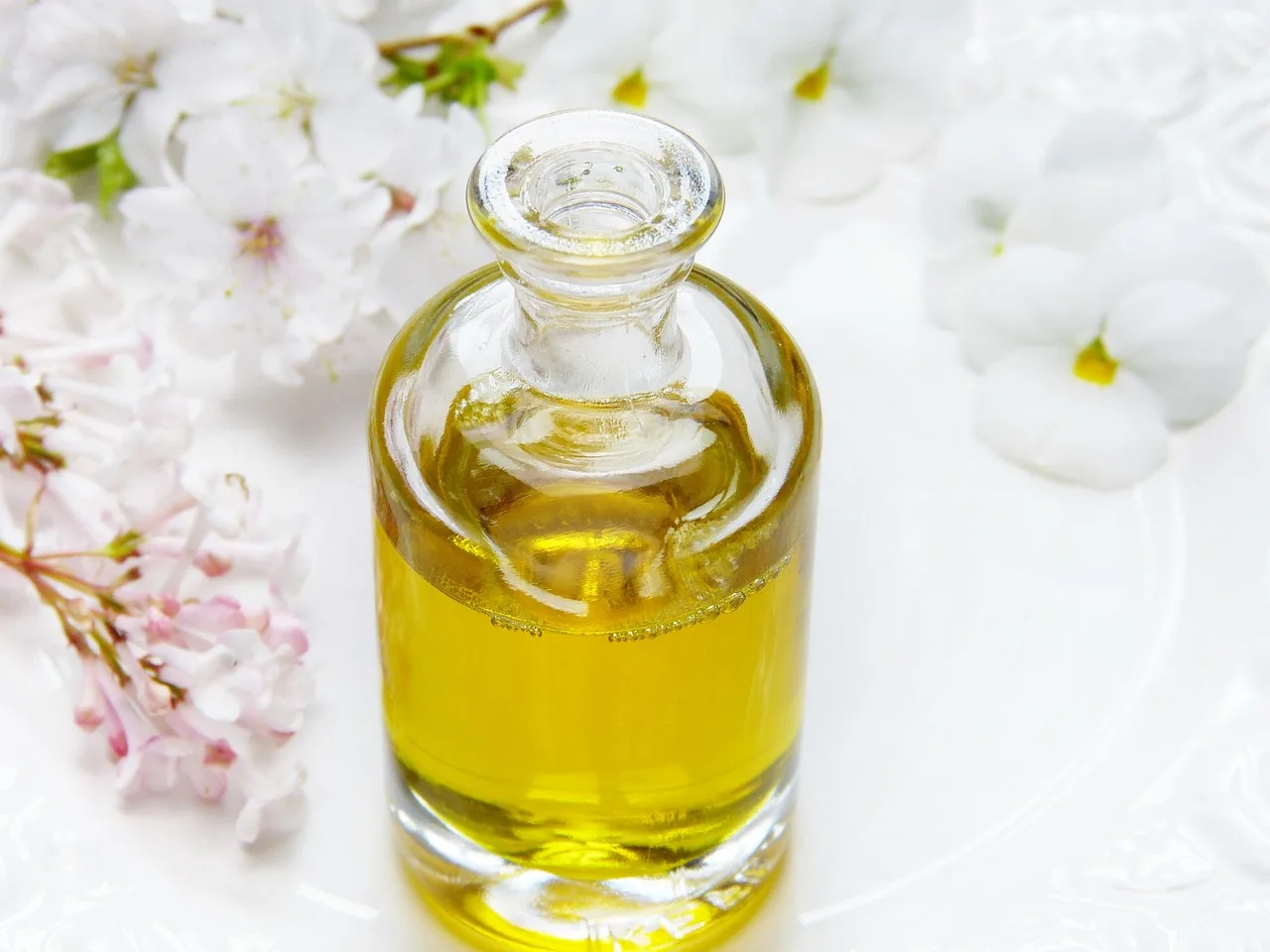
Mineral oil is the go-to non-drying oil for many food-contact projects because it stays liquid in the wood fibers instead of hardening into a film. That makes it useful for cutting boards and utensils, but it also means repeated reapplication is part of the deal.
Why it stays in the wood
Unlike drying oils, mineral oil does not cure into a harder surface. It soaks in and remains mobile, which is why it can help reduce drying and cracking on food-contact items. A guide cited here recommends mineral oil and beeswax for cutting boards.
How often to reapply
Reapply when the surface looks dry, feels rough, or absorbs water too quickly. That interval varies with washing and use. A board used daily may need attention far sooner than a serving tray that only comes out for special meals.
What to avoid in food-contact use
Do not assume every “natural” oil is food-safe. Avoid petroleum-derived formulas without clear food-contact guidance, and avoid general-purpose finishing oils unless the label specifically supports the intended use after cure. For boards and utensils, product labeling matters more than marketing language.
Teak oil: best for outdoor wood
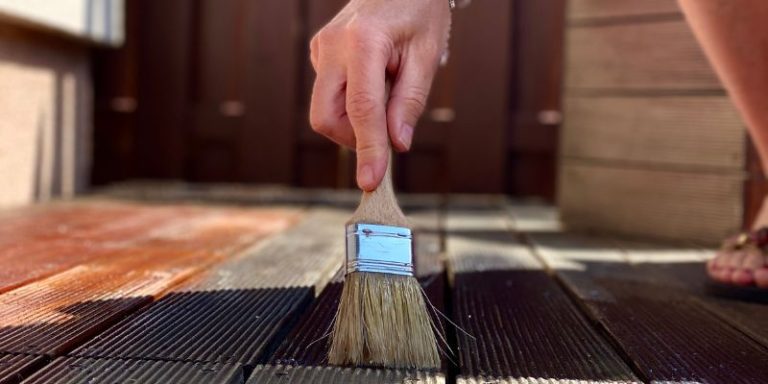
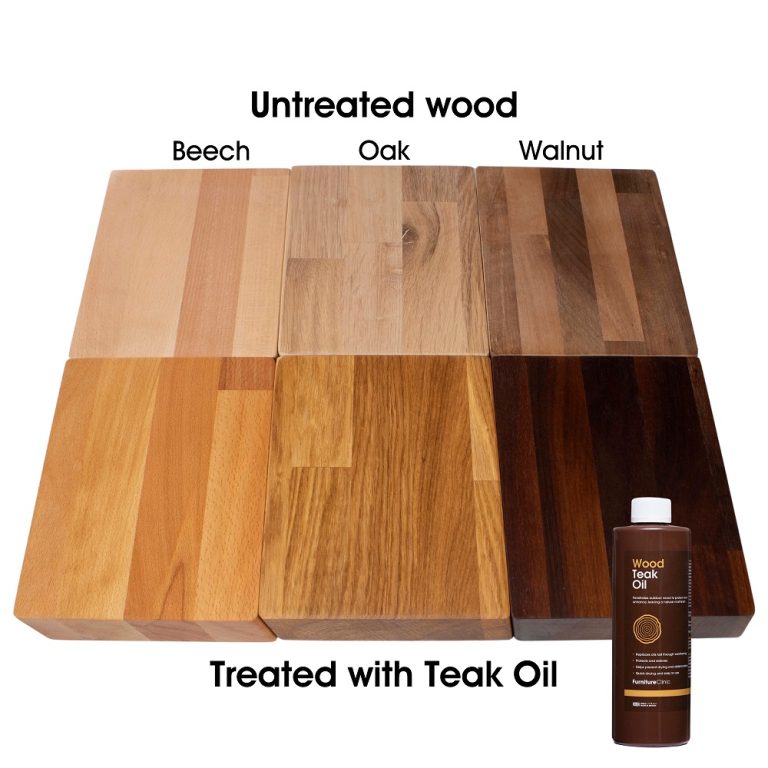
Teak oil, or outdoor defense oil, is aimed at weather exposure rather than indoor furniture. It is used for outdoor wood because it is commonly reported to include UV inhibitors and mold and mildew resistance, which can help slow the damage that sunlight and moisture can cause.
UV and weather exposure
Outdoor wood needs more than grain pop. It needs protection against sunlight, rain, and repeated wet-dry cycles. Teak oil can help on exterior furniture and trim where that exposure is moderate, but it is not the same thing as a true exterior film finish.
Maintenance expectations
Plan on regular upkeep. Outdoor oils wear off faster than hard film finishes because weather keeps breaking them down. If the piece is exposed on all sides, or sits in full sun and rain, maintenance intervals get shorter.
When exterior film finishes win
For high-exposure surfaces, exterior-grade spar urethane or marine varnish are stronger choices than outdoor oil. That is the better route when you need more durable weather protection than a wipe-on oil can provide.
Which one should you buy?
If you want the shortest answer: choose mineral oil for cutting boards and utensils, Danish oil for most indoor furniture, tung oil for natural grain with better moisture resistance, and teak oil for outdoor wood. For decorative items and hand tool handles, oil finishes are often the right class of product.
Best by project type
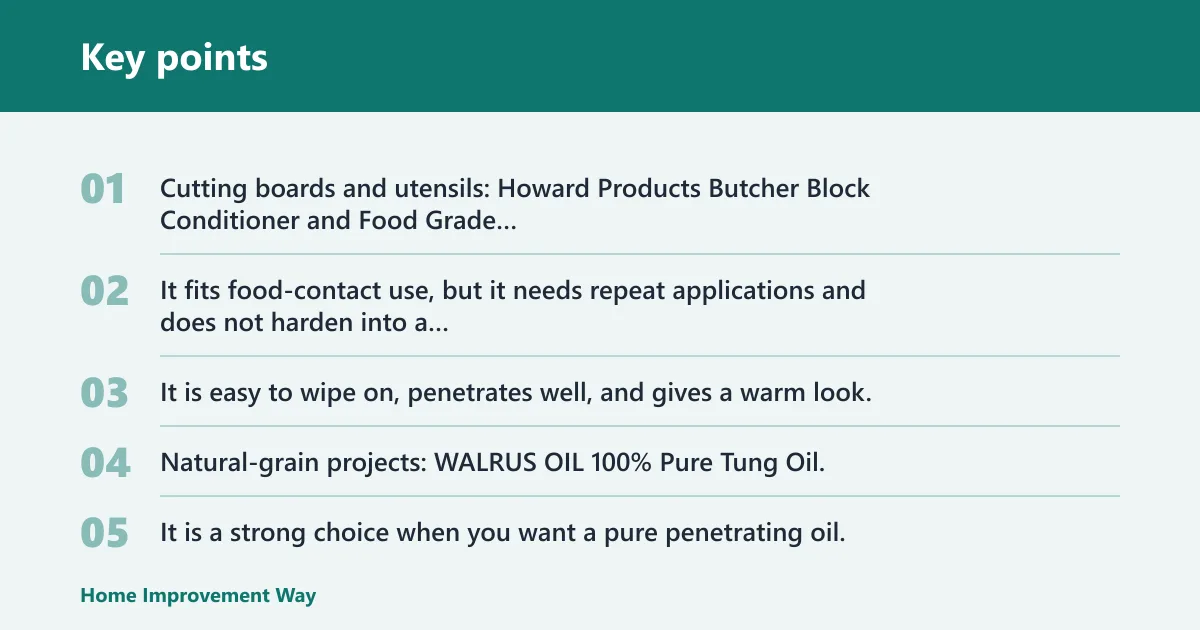
Cutting boards and utensils: Howard Products Butcher Block Conditioner and Food Grade Mineral Oil. It fits food-contact use, but it needs repeat applications and does not harden into a durable film.
Indoor furniture: Watco Natural Danish Oil. It is easy to wipe on, penetrates well, and gives a warm look, but it offers less protection than a true film finish.
Natural-grain projects: WALRUS OIL 100% Pure Tung Oil. It is a strong choice when you want a pure penetrating oil, though it cures more slowly than some alternatives.
Outdoor wood: teak oil or outdoor defense oil. It is the right category for weather exposure, but plan for maintenance and do not expect the same durability as an exterior varnish system.
Best by budget and maintenance tolerance
If you want the lowest upfront cost and do not mind repeat maintenance, mineral oil is the simplest buy. If you want a middle-ground finish with easier application and better indoor furniture performance, Danish oil is usually the better value. If you want the most natural wood look among the group, pure tung oil is the cleaner choice.
Best when you need faster cure
If cure speed matters, boiled linseed oil is faster than raw linseed oil, and some oil finishes become completely dry within a few days. If you need the shortest coat-to-coat wait, water-based polyurethane dries faster than oil-based polyurethane, though it is a film finish and not an oil.
Can you use wood finishing oil over stain or paint?
You can sometimes apply oil over stain, but you need to confirm compatibility first. Over paint, the answer is usually no for penetrating oils, because paint blocks absorption. Always check the existing finish type and the product label before you coat.
Over stain
Oil over stain can work if the stain is fully dry and the topcoat system allows it. The risk is uneven absorption or a blotchy look if the stain or surface prep was inconsistent. Test a hidden area before committing to the whole project.
Over paint
Penetrating oils do not belong over intact paint. They need open wood fibers to soak into, and paint prevents that. If the goal is protection over paint, a compatible film finish is the more realistic route.
Compatibility checks before you coat
- Identify the existing finish.
- Confirm the new product’s label supports that substrate.
- Sand a test spot and check adhesion.
- Watch for fisheyes, beading, or slow drying.
Frequently asked questions
How do I choose the best wood finishing oil for my project?
Start with exposure, repairability, food contact, and cure speed. For low-risk indoor furniture, Danish oil is a practical choice. For natural grain with better moisture resistance, choose tung oil. For cutting boards, use mineral oil or another product explicitly labeled for food contact after cure.
What type of wood finishing oil is best for furniture?
For most indoor furniture, Danish oil is the easiest all-around pick because it applies well and gives a warm, natural look. Tung oil is better when you want a more water-resistant penetrating finish. If the furniture needs heavy spill resistance, consider a film finish instead of an oil.
Which wood oil is best for cutting boards and food contact surfaces?
Mineral oil is the standard choice for many cutting boards and utensils because it is non-drying and designed for repeated food-contact use in many contexts. A guide cited here also recommends beeswax with it. Avoid general-purpose oils unless the product labeling clearly supports food-contact use after cure.
What is the difference between tung oil, linseed oil, and Danish oil?
Tung oil is a penetrating oil finish with good water resistance and a natural-grain look. Linseed oil is the older traditional choice; raw linseed oil dries slowly, while boiled linseed oil is treated to dry faster. Danish oil is a blend of oils, resins, and mineral spirits that is easier to wipe on.
Which oil finish is best for outdoor wood?
Teak oil or outdoor defense oil is the best fit among oil-type products for outdoor wood because it is made for weather exposure and often includes UV inhibitors plus mold and mildew resistance. For high-exposure surfaces, exterior-grade spar urethane or marine varnish are stronger choices than outdoor oil.
Why does wood finishing oil turn sticky?
Sticky oil usually means too much product was left on the surface or the finish has not cured well enough. Wipe off excess after about 15 minutes, then give the finish proper airflow and time. Thick coats, cool conditions, and incompatible old finishes can all leave residue behind.
Sponsored / affiliate links. As an Amazon Associate I earn from qualifying purchases. I may earn additional commission from eligible campaigns.