Best Wood Finishing Oil for Furniture and Trim: we compared
For bare interior furniture and trim, choose a hardwax oil on bare wood; for already-finished surfaces, use a compatible topcoat instead. Wrong finish choices can leave sticky surfaces, poor adhesion, and worn edges that are hard to fix. This guide compares oils by use case: bare furniture, refinished trim, and existing finishes, using a finish-performance matrix.
Quick comparison
| Product | Badge | Best for | Price | ||
|---|---|---|---|---|---|
 |
Tried & True Danish Oil, Pure Polymerized Linseed Oil WoodTried & True | Our pick | Danish oil, pure polymerized linseed oil, pint | $34.99
Price as of 14 Oct 2026
|
View |
 |
Minwax Oil-Based Wipe-On Polyurethane, 1 Pint, SatinMinwax | Budget pick | Oil-based wipe-on polyurethane, 1 pint, satin finish | $13.20
Price as of 14 Oct 2026
|
View |
 |
General Finishes Enduro Pre-Cat Lacquer, 1 Gallon, SatinGeneral Finishes | Also great | Enduro Pre-Cat Lacquer, 1 gallon, satin finish | $101.84
Price as of 14 Oct 2026
|
View |
 |
OSMO Polyx Hard Wax Oil .75 L (25.3 Fl. Oz.)Osmo | Pair with it | Polyx hard wax oil, 0.75 L, natural oils | $59.99
Price as of 14 Oct 2026
|
View |
 |
Rubio Monocoat Oil Plus 2C, 650 ft², Wood Stain, Pure, 1.3Rubio Monocoat | Upgrade pick | Oil Plus 2C hard wax oil, 650 sq ft, 0% VOC | $189.99
Price as of 14 Oct 2026
|
View |
The core trade-off is simple. Bare wood needs a finish that can soak in and cure, while already finished wood usually needs a polish or maintenance product, not another oil coat. Film finishes such as polyurethane or varnish block absorption, so oil on top often sits there and turns streaky or tacky.
For most bare indoor projects, Danish oil is the easiest starting point. Pure tung oil is better when you want a harder curing finish and can wait longer between coats.
📊 Old English Lemon Oil is described as white mineral oil, 90 to 100 percent. Source: Best Oil for Wood Furniture: Danish vs Tung vs Lemon Oil.
How we chose
The comparison below uses four practical filters: cure speed, hardness after cure, how well the product behaves on bare wood versus finished wood, and how much upkeep it needs later.
Also check label clarity and SDS information. That matters because “furniture oil” can mean a true finishing oil, a conditioner, or just a polish with mineral oil or wax.
Finally, the matrix weighs color shift and sheen. Interior trim wants consistency and low build, while tabletops can justify more protection if the surface is actually bare.

Decision matrix: 6 interior wood scenarios
This matrix maps real household scenarios to the product type that fits the surface, the likely color shift, how often recoat or upkeep tends to come back, and the most common failure mode.
| Interior scenario | Best oil type | Expected color shift | Recoat tendency | Common failure risk |
|---|---|---|---|---|
| Bare dining table | Pure tung oil or a tung-oil finish | Moderate ambering, deeper grain pop | Low to moderate after full cure | Thick coats leave a gummy surface |
| Pine trim | Danish oil | Noticeable warm tone on pale pine | Low on protected trim, higher if handled often | Patching at corners and end grain |
| Oak bookshelf | Danish oil | Strong grain pop, warm amber | Moderate if books rub the front edge | Uneven sheen where dusting is frequent |
| Previously varnished cabinet | Lemon oil furniture polish or wax polish for maintenance only | Light sheen, little color change | High, because it is upkeep not a finish | Sticky film if you try to oil over intact varnish |
| Sealed side table | Feed-N-Wax style wax polish | Slight warming and gloss | High | Slippery buildup and dust attraction |
| Decorative molding | Danish oil only if bare; otherwise polish | Subtle to moderate, depending on wood species | Low once sealed; maintenance if dusted often | Runs in profiles and shiny lap marks |
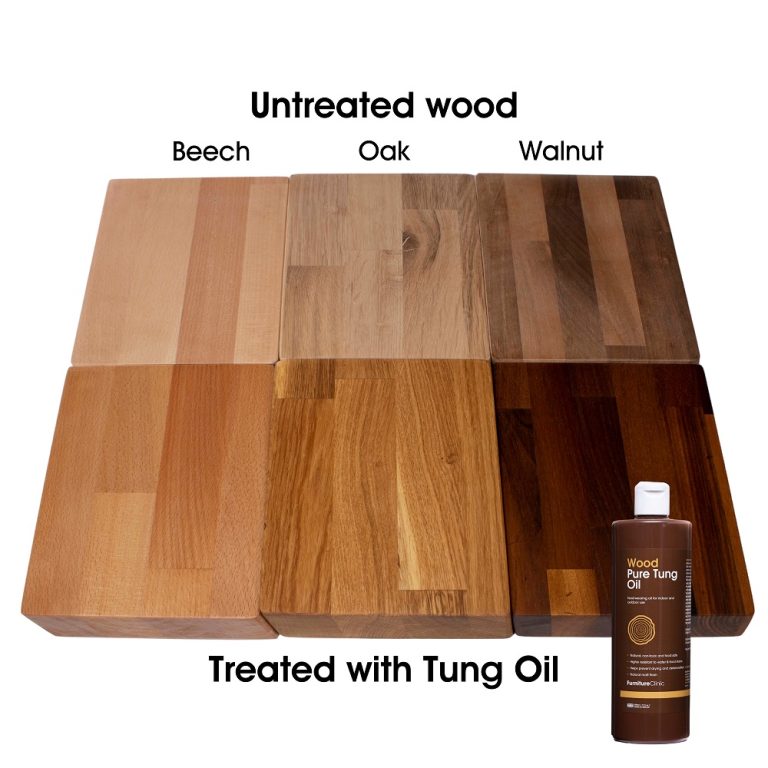
Pure tung oil: best for the hardest curing finish
Pure tung oil is the better pick when you want a drying oil that hardens by reacting with air and you are willing to wait for it. Hope’s 100% Pure Tung Oil is described as the best overall pick for durable, versatile protection, and it fits bare interior furniture that needs more protection than a quick conditioner can give.
It works best on bare wood, especially dining surfaces and other places that may see spills. The guide suggests using more than a couple of coats and waiting roughly 12 to 24 hours between coats, and it emphasizes that patience matters because thick coats can stay tacky longer and may wrinkle instead of curing flat.
The drawback is speed. Tung oil is slower than wipe-on conditioners, and it is less forgiving if you overapply or try to use it as a maintenance polish on a sealed surface.
Danish oil: best for easy bare-wood application
Danish oil is the easiest place to start on freshly sanded indoor furniture and trim. Watco Danish Oil is an oil-and-varnish blend that hardens in the wood, is listed for indoor use only, and is meant to be wiped on and wiped off rather than brushed on in a heavy coat.
This category gives faster handling than pure tung oil and usually brings out grain with less fuss. On oak and other open-pored woods, it can deepen color and add a low-build finish that looks natural instead of plastic.
The drawback is straightforward. It is not the same as a hard film finish. It gives less long-term protection than varnish or polyurethane, and it can look uneven on trim profiles if you miss excess oil in corners or along bead details.
Mineral oil: best for short-term conditioning
Mineral oil is a conditioning oil, not a curing finish. Howard Products Food-Grade Mineral Oil is identified as USP food-grade mineral oil, and Howard Food-Grade Mineral Oil is positioned for cutting boards and wooden kitchen items, which is where this product type makes the most sense.
It does not harden into a durable coating, so it is useful for keeping dry wood from looking parched, but not for protecting furniture against wear. That is why periodic reapplication is expected, especially on items that are washed or handled often.
The drawback is simple. It conditions more than it protects. On a bookshelf, cabinet, or side table, it can leave a greasy look without adding meaningful resistance to spills, abrasion, or dust.
Lemon oil furniture polish and wax blends: best for maintenance only
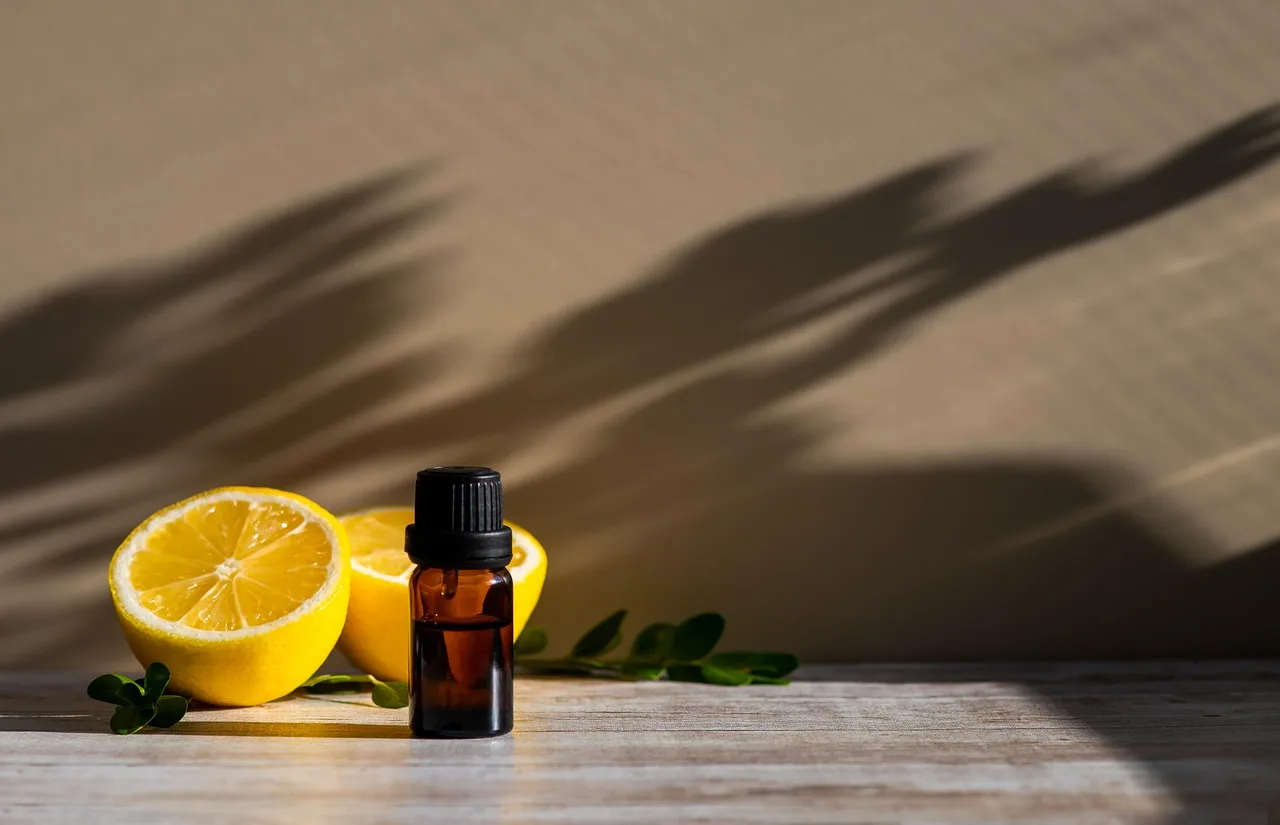
Lemon oil furniture polish and wax blends are maintenance products, not finishes. Old English Lemon Oil is described as white mineral oil, 90 to 100 percent, and the guide says polishes like Old English and Feed-N-Wax do not cure. Caron & Doucet Natural Wood Co uses coconut oil and rice bran wax, which is another reminder that these products are about conditioning and sheen, not film build.
Feed-N-Wax style products are wax and orange oil blends for finished wood, and they can improve the look of dry cabinets, tabletops, and trim that already has a real finish. They are useful when you want the surface to read richer without stripping or recoating.
The drawback is that they are maintenance aids, not protection. If the label or SDS shows mineral oil, wax, or a polish base, treat it as upkeep for finished wood, not as a replacement for a true curing finish.
How we chose
If you are choosing between products, start with the surface, not the brand. Bare wood can take a curing finish; intact varnish, lacquer, shellac, or polyurethane cannot absorb one in any useful way.
For bare wood, focus on cure speed, hardness, and how much color shift you can tolerate. For already finished wood, focus on sheen maintenance and compatibility, because the goal is usually to clean, condition, or refresh, not to build a new finish layer.
SDS documents help sort out true finishing oils from polishes. They also show actual ingredients, flash point, and flammability, which is useful when product names sound similar but behave very differently.
Should you use tung oil or Danish oil?
Use tung oil when you want a harder curing finish and can wait longer between coats. Use Danish oil when you want faster application on bare indoor wood, especially if the goal is a natural-looking surface with less fuss and fewer coats waiting around between steps.
Tung oil is the more deliberate choice. Danish oil is the easier one.
For food-contact surfaces, tung oil has the stronger fit once fully cured and only if the label supports that use. For general furniture, Danish oil is often the faster route to a finished look on freshly sanded surfaces.
Choose tung oil if…
You are finishing a bare dining table, cutting board, or similar surface where a harder cured finish matters more than speed. You can also wait through the longer cure window and avoid heavy use until the finish has fully hardened.
Choose Danish oil if…
You are finishing bare furniture or trim and want a wipe-on, wipe-off product that is easier to apply. It is a better match for indoor pieces when you want warmth and grain pop without the slower schedule of pure tung oil.
Can you use wood oil on furniture that already has a finish?
Usually no, at least not as a finishing method. Oil cannot penetrate intact varnish, lacquer, or polyurethane, so it sits on top and can leave a sticky, cloudy, or streaky result instead of strengthening the surface.
If the piece already has a film finish, clean it first and then decide whether it needs polish, wax maintenance, or full refinishing. If the finish is worn through in patches, spot-oiling those areas usually makes the repair more obvious, not less.
Signs of a film finish include a uniform sheen that does not darken much with a damp cloth, visible wear only on corners, and a surface that feels sealed rather than absorbent. Those surfaces usually need cleaning or stripping, not oiling.
When to clean, polish, or strip instead
Use polish or wax maintenance on intact finished wood. Strip or refinish when the surface is peeling, flaking, sticky from past product buildup, or too uneven for a simple refresh.
Which one should you buy?
For bare dining tables, pure tung oil is the safer long-term bet if you want the hardest curing option and can wait. For quicker bare-wood work on furniture or trim, Danish oil is usually the better practical choice.
For pine trim and decorative molding, choose a bare-wood oil only if the wood is truly unfinished. For previously varnished cabinets and sealed side tables, buy a polish or wax maintenance product instead, because oil cannot penetrate the film finish underneath.
Budget matters too. Conditioning oils and polishes often cost less per can, but they also need more frequent reapplication. A harder curing finish usually costs more up front and takes longer to cure, yet it tends to stay presentable longer on actual bare wood.
Say your dining table is bare oak and the goal is a natural finish with less maintenance. Pure tung oil fits that job. Suppose your hallway trim is freshly sanded pine and you want a quick, low-build look. Danish oil fits better.
What is the best wood finishing oil for interior furniture and trim?
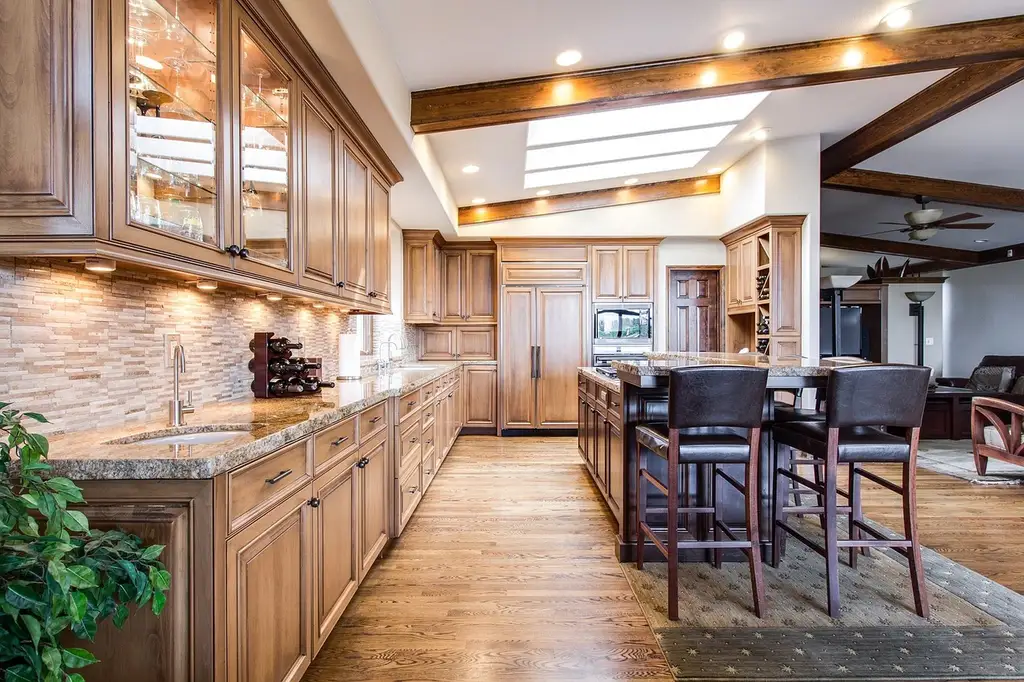
The best wood finishing oil depends on the surface. For bare interior furniture and trim, Danish oil is usually the easiest all-around choice, while pure tung oil is the better hard-curing option when durability matters more than speed. For already finished wood, use polish or maintenance products instead.
This is why bare wood versus already finished wood is the first decision. If the surface is sealed, oil cannot soak in and do the job it was designed to do.
How long does wood finishing oil take to dry and cure?
Drying and curing are different. Wipe-on conditioners and polishes may feel dry sooner, but curing oils harden more slowly and need patience before heavy use. Pure tung oil typically needs more than 2 coats and 12 to 24 hours between coats.
Do not mistake surface dryness for full cure. A finish that still smells oily, feels grabby, or prints easily under light pressure is not ready for hard use.
Is food-safe oil necessary for interior furniture?
Food-safe oil matters mainly for contact surfaces like dining tables, butcher blocks, trays, and kitchen-adjacent furniture. It is not necessary for every interior piece, especially if the surface is decorative or only handled occasionally.
Even then, food-safe claims should be checked against the product label and SDS. A finish is only appropriate for food contact after full cure and only when the manufacturer supports that use.
What’s the difference between furniture oil and furniture polish?
Furniture oil is meant to penetrate or cure on bare wood, depending on the product type. Furniture polish is usually a maintenance product for already finished wood, and it adds sheen and conditioning rather than meaningful protection.
That difference matters because polish can improve appearance quickly, but it will not replace a finish on bare wood. If the SDS lists mineral oil, wax, or orange oil in a maintenance blend, treat it as upkeep, not as protection.
Frequently asked questions
Will oil work over varnish or polyurethane?
No, not as a true finish. Varnish and polyurethane are film finishes that sit on top of wood and block absorption, so oil cannot soak through them. If you apply oil anyway, it usually wipes off badly or leaves a sticky surface that attracts dust.
What oil gives the hardest finish for indoor trim and tables?
Pure tung oil gives one of the harder curing options among the common wood oils, and it is a better choice when you want a tougher finish on bare tables or certain trim pieces. It cures slowly, though, so it is less convenient than wipe-on products.
Should I use tung oil or Danish oil on bare wood furniture?
Use tung oil when hardness and longer-term durability matter more than speed. Use Danish oil when you want a faster, easier wipe-on finish for bare indoor furniture. Danish oil is usually more forgiving for first-time work on furniture and trim.
Sponsored / affiliate links. As an Amazon Associate I earn from qualifying purchases. I may earn additional commission from eligible campaigns.