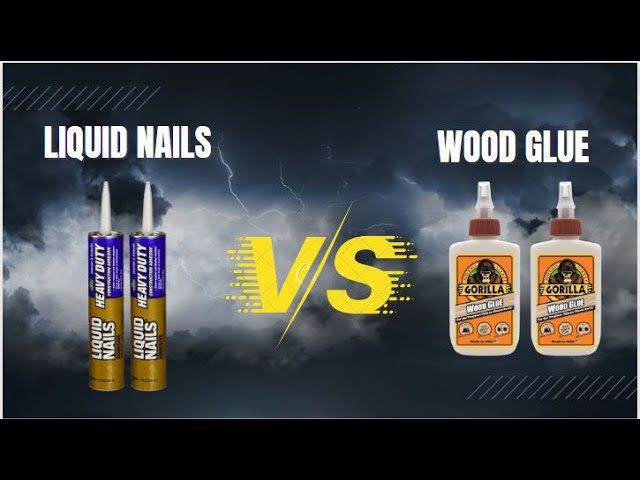
Liquid Nails Vs Wood Glue: Ultimate Adhesive Showdown
When you’re tackling a woodworking project, choosing the right adhesive can make all the difference. You might find yourself torn between two popular options: Liquid Nails and wood glue.
Which one should you use to ensure your project holds up over time? Understanding the strengths and weaknesses of each can save you time, money, and frustration. Imagine your masterpiece falling apart because of a simple adhesive mistake—nobody wants that! By the end of this article, you’ll know exactly which adhesive is best for your specific needs.
Keep reading to discover how to make your woodworking projects sturdy and long-lasting.
Adhesive Basics
Liquid Nails is a strong adhesive. It works on many surfaces. People use it for construction. It bonds wood, metal, and concrete. Easy to apply with a caulking gun. It takes time to dry. But the hold is very strong. Liquid Nails is water-resistant. It can handle moisture. This makes it great for outdoor projects.
Wood Glue is for wood projects. It is easy to use. Perfect for furniture and crafts. It dries clear. This keeps projects looking neat. Wood Glue is non-toxic. Safe for kids to use. It dries fast. The bond is strong. But not water-resistant. It’s best for indoor use.
Composition And Ingredients
Liquid Nails is a popular adhesive. It contains solventsand rubber-based polymers. These ingredients help it stick to surfaces. The glue is water-resistant. This means it can hold strong even in wet places. Some types have added chemicals. These chemicals make the glue work better. They also make it last longer.
Wood Glue is made from polyvinyl acetate. This is a type of plastic. It is safe for kids. Wood Glue is non-toxic. It is best for sticking wood pieces together. It dries clear. This means no marks are left behind. It also dries quickly. Some types have extra ingredients. These make the glue stronger.
Strength And Durability
Liquid Nails is very strong. It can hold things together tightly. This glue is good for big projects. It works well on heavy materials. You can use it on wood, metal, or stone. It dries hard and stays strong. The bond is long-lasting and durable. It is perfect for outdoor projects too. Water does not weaken it. Many builders trust Liquid Nails.
Wood Glue is great for joining wood pieces. It is strong and reliable. Carpenters use it a lot. Wood Glue makes a strong bond when it dries. It is good for indoor projects. It is not as strong as Liquid Nails for heavy items. But it holds wood very well. This glue is easy to clean up. Water can wash it away before it dries.
Credit: usvintagewood.com
Application Methods
Liquid Nails comes in a tube. Squeeze it onto the surface. Use a caulking gun for this. Spread it evenly. Press the materials together. Let them dry for some hours. It’s strong and works for heavy items. Avoid using too much. It can become messy and hard to clean.
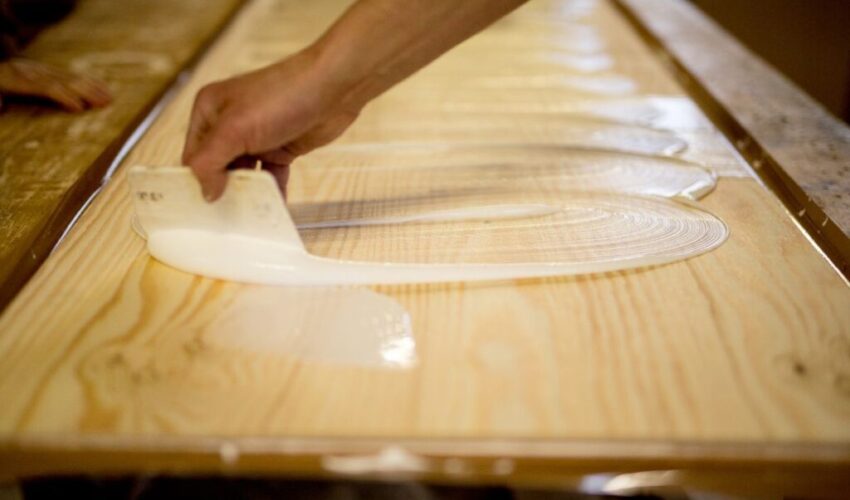
Wood Glue is in a bottle. Apply it on the surface. Use a brush or your finger. Spread it thinly and evenly. Join the pieces tightly. Use clamps to hold them. Leave it for a few hours. The bond is strong. It is neat and easy to clean. Suitable for light projects.
Drying Times
Liquid Nails takes a bit longer to dry. It can take up to 24 hours. This means you need to wait before using the item. It’s important to let it set. This helps it stick better. During this time, keep the item still. Moving it can make it less strong.
Wood glue dries faster than Liquid Nails. It usually takes 20 to 30 minutes. This is good for quick projects. But, full strength takes longer. About 24 hours is best for it to fully cure. During drying, keep the pieces clamped. This ensures a tight bond.

Credit: abutterflyhouse.com
Environmental Considerations
Liquid Nails can be helpful. But, they might not be eco-friendly. Some types contain chemicals. These chemicals can harm nature. Volatile Organic Compounds (VOCs) are in some Liquid Nails. VOCs can cause air pollution. Biodegradable options are rare. Disposal can be tricky. It’s important to check labels. Look for safe options. Pick wisely to protect the earth.
Wood glue is often safer for nature. Many types are water-based. Water-based glue is usually less toxic. Non-toxic glues are available. They are safer for people and animals. Some wood glues are biodegradable. This helps reduce waste. Disposal is easier with eco-friendly glues. Always check the glue ingredients. Pick safe and green options. Help the planet with smart choices.
Cost Comparison
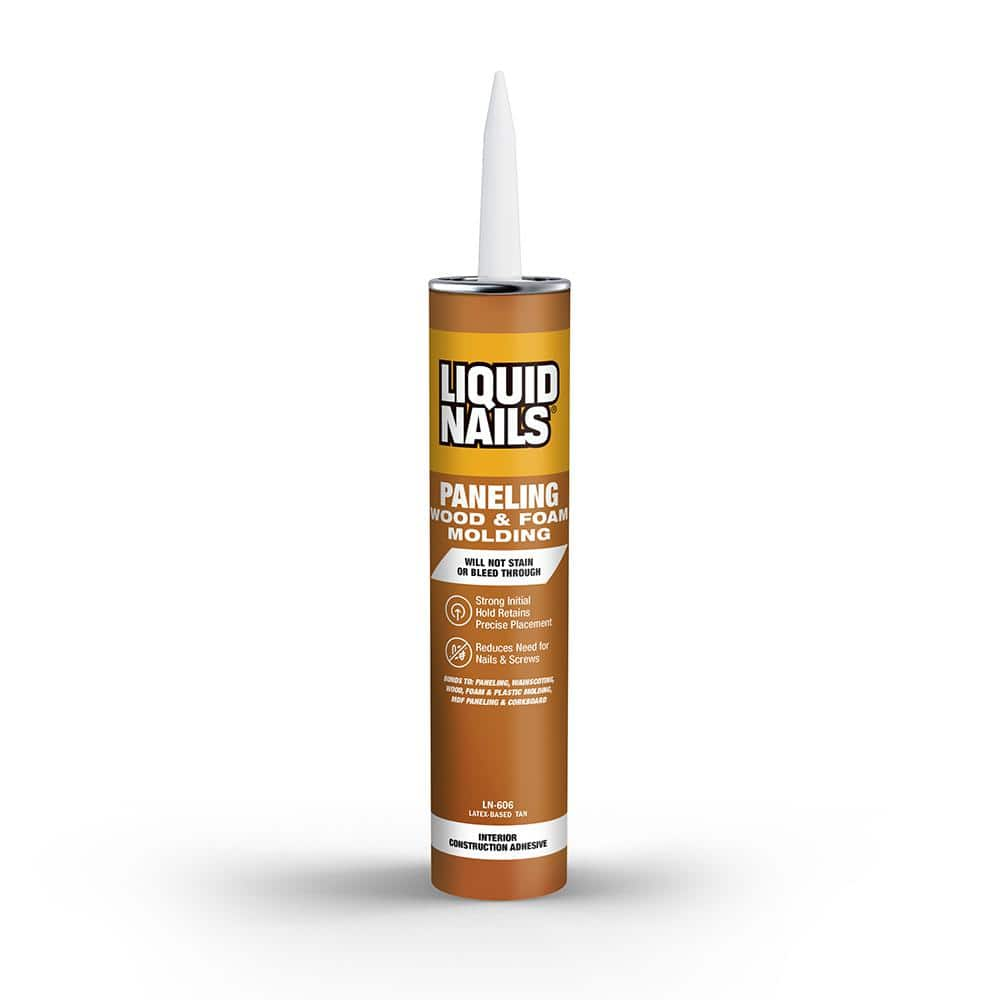
Liquid Nails usually costs around $4 to $8 for a small tube. Bigger tubes can cost more. Stores may offer discounts sometimes. Buying in bulk can save money. Prices can vary from store to store. Always check for deals online.
Wood Glue is often cheaper than Liquid Nails. Small bottles start at $3. Larger bottles can cost up to $10. Some brands are more expensive. Sales can lower prices. Comparing brands helps find the best deal. Online shopping might have better prices.
Credit: www.homedepot.com
Best Uses And Applications
Liquid Nails is a strong adhesive. It is used for heavy-duty projects. It works well on wood, metal, and even concrete. Liquid Nails is perfect for construction jobs. It holds materials together for a long time. Use it for large panels or flooring. It does not shrink or crack. It is water-resistant. Liquid Nails is a top choice for outdoor projects. It works well in wet places. It is very versatile. It can handle tough jobs.
Wood Glue is perfect for woodworking projects. It is used for making furniture. It is great for small repairs. Wood Glue dries clear. It is safe for indoor use. It is ideal for crafts and models. Wood Glue is easy to clean. It is not good for wet areas. It is best for smooth surfaces. Wood Glue is simple to use. It is good for fine details. It bonds wood very well.
User Reviews And Feedback
Many people like Liquid Nailsfor its strong hold. It works well on big projects. Some say it’s great for heavy materials. Others find it useful for outdoor tasks. A few users mention the smell. They suggest using it in open spaces. It takes time to dry, but holds tight after.
Wood Glueis loved for small repairs. Many users say it’s easy to use. It’s great for indoor projects. Some parents even use it with kids’ crafts. It dries clear, which many like. People also like how fast it dries. A few wish it was more water-resistant.
Final Thoughts
Choosing between Liquid Nails and Wood Glue depends on the project’s needs. Liquid Nails offers strong adhesion for heavier materials, while Wood Glue excels in woodworking tasks, providing a seamless bond. Consider the material and environment to determine the best adhesive for your job.
Choosing The Right Adhesive
Picking the best adhesive is important. Liquid Nailsand Wood Glueboth have uses. Liquid Nails is strong and good for heavy things. Wood Glue is great for wood projects. It dries clear and is strong too.
Think about your project needs. Is it big or small? Heavy or light? For wood or other materials? These questions help you decide. Liquid Nailsworks well with many materials. Wood Glueis perfect for wood. Choose what fits your needs best.
Future Trends In Adhesives
Adhesives are always changing. New types are coming. They are getting safer and stronger. Eco-friendly options are popular. People want adhesives without bad chemicals. This is good for the earth. Technology helps make better adhesives. New ones might dry faster. They might be stronger. Watch for these new trends.
Frequently Asked Questions
When Not To Use Liquid Nails?
Avoid using Liquid Nails on surfaces that experience high heat, moisture, or require flexibility. It’s unsuitable for bonding non-porous materials like plastics or glass. For temporary fixes or areas needing easy removal, Liquid Nails is not recommended. Always check compatibility with the specific materials you plan to bond.
What Is The Strongest Glue To Use On Wood?
For wood projects, epoxy glue is the strongest option. It provides excellent bonding strength and durability. Woodworkers often use it for heavy-duty repairs and construction. Ensure surfaces are clean and dry before application for optimal results.
Can You Use Liquid Nails As Wood Glue?
Liquid Nails can be used as wood glue, but it’s not ideal. Wood glue provides stronger bonds specifically designed for wood. Liquid Nails is better for construction projects and bonding different materials. For woodworking, use dedicated wood glue for the best results.
Should I Use Wood Glue Or Nails?
Use wood glue for stronger joints and nails for faster assembly. Glue provides a seamless finish, while nails offer immediate hold. Consider the project’s purpose and material compatibility before choosing. Both methods can be used together for optimal strength and durability.
Conclusion
Choosing between Liquid Nails and wood glue depends on your project needs. Liquid Nails offers strong, long-lasting bonds for heavy-duty tasks. Wood glue is ideal for woodworking and light repairs. Think about drying time and ease of use. Liquid Nails takes longer to dry but holds well.
Wood glue dries faster, perfect for quick fixes. Consider your materials too. Both adhesives have their strengths. Select based on the specific requirements of your project. This ensures the best results and durability. Always follow instructions for optimal performance.