How To Remove Sticker Residue From Wood (Mayo Hack + 4 More)
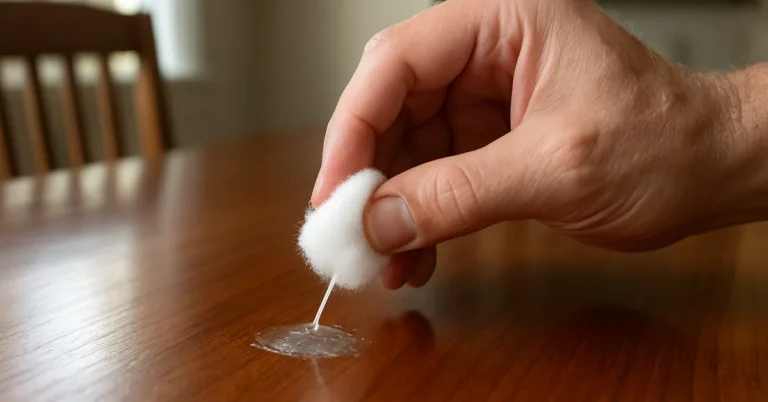
Mayonnaise, cooking oil, or 70% rubbing alcohol lift sticker residue off wood in 15–30 minutes without stripping the finish — except on unfinished wood, where oils can soak in and stain. Scrubbing straight away just smears the glue deeper into the grain. This guide covers the mayo/oil hack, four backup methods (alcohol, vinegar, heat, gentle scraping), and which one matches your wood’s finish.
This post contains affiliate links. As an Amazon Associate we earn from qualifying purchases — see our Affiliate Disclosure for details.
Why Sticker Residue is So Tricky
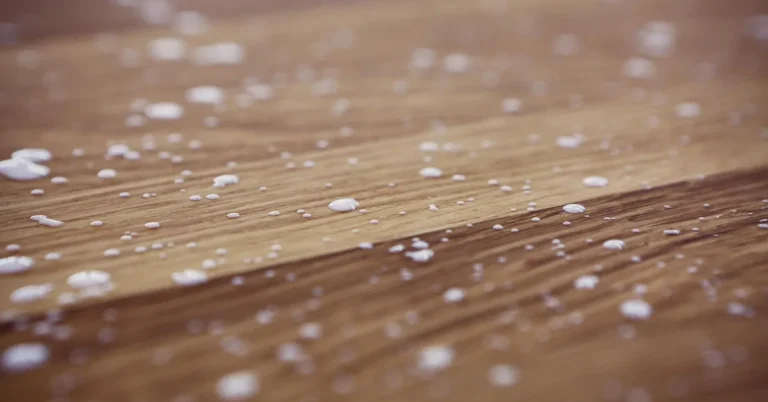
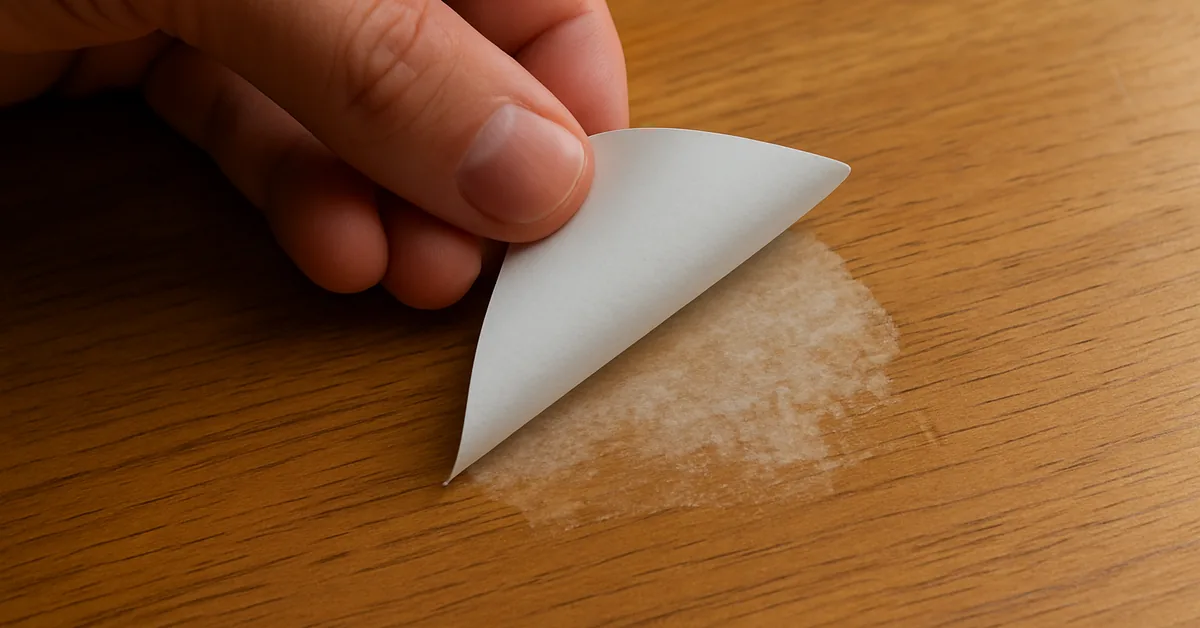
Sticker residue is the leftover adhesive from a label or sticker. That adhesive is designed to stick, and exposure to heat or sunlight can break it down further, making it even gummier and harder to remove over time. Wood’s surface is often porous or covered with a delicate finish (paint, varnish, or stain), so aggressive scrubbing or harsh chemicals can strip the finish, discolor the wood, or scratch the surface. Matching the method to your specific finish is what keeps the wood looking undamaged.
Understanding Your Wood Finish: The First Step
Before grabbing any tools or cleaning agents, identify what kind of finish your wood has — it determines which removal method is safest.
- Unfinished wood: No protective coating, so it’s more absorbent and can stain easily — stick to the gentlest methods.
- Painted wood: Whether latex or enamel, avoid anything that can lift or chip the paint.
- Varnished or lacquered wood: A hard, protective layer that’s generally durable, but strong solvents can still dull or damage it.
- Stained wood: Stain penetrates the wood and often has a topcoat, but the color itself can be sensitive to harsh chemicals.
- Sealed wood: Anything from wax to polyurethane — the goal is removing the residue without compromising the seal.
If you’re unsure of your wood’s finish, test any removal method on an inconspicuous area first — the underside of a table or the back of a cabinet works well.
Essential Tools and Materials
You probably have most of these around the house already — no need for fancy equipment.
- Soft cloths or microfiber towels: for applying solutions and wiping away residue.
- Paper towels: useful for initial scraping or applying some solutions.
- Plastic scraper or old credit card: a safe way to lift larger pieces of residue without scratching the wood.
- Rubbing alcohol (isopropyl alcohol): a readily available solvent that breaks down many adhesives — 70% concentration gives it more contact time with the glue than 90%, which usually makes wiping easier.
- Vegetable oil, olive oil, or mayonnaise: the oil content breaks down the stickiness of the adhesive.
- White vinegar: its mild acidity helps lift certain types of residue.
- Hair dryer: gentle heat softens adhesive, making it easier to peel.
- Dish soap and warm water: for cleaning up any oily film left behind.
Best Sticker Residue Remover Pick
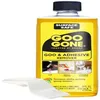
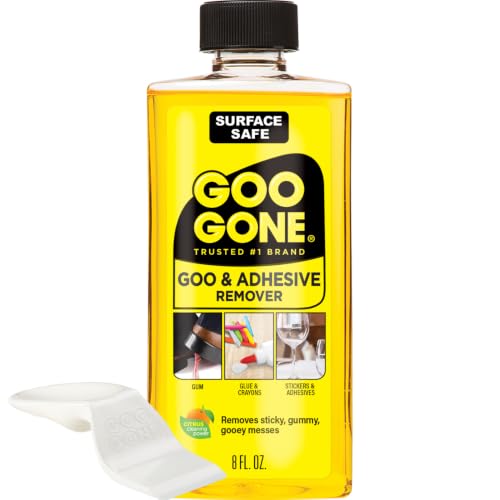
Goo Gone Original Liquid 8oz – $14.98
If the household hacks in this guide don’t fully cut stubborn, months-old residue, this is the surface-safe, citrus-based remover to reach for next — safe for finished wood, but skip it on unfinished wood just like the oil methods above.
- Best for: Old, hardened residue household hacks can’t fully lift
- Why we picked it: Citrus-based formula, surface-safe on finished wood
- Main drawback: Not for unfinished wood; needs a soap-and-water follow-up wipe
Compare more residue-removal supplies
 Option 1 Bates Plastic Scraper 6-Pack – $5.75
|
 Option 2 MR.SIGA Microfiber Cloths 12-Pack – $13.99
|
 Option 3 Goof Off Gunk Remover 8oz – $9.99
|
As an Amazon Associate we earn from qualifying purchases.
Proven, Safe Methods for Removing Sticker Residue from Wood
Here are the most reliable methods for tackling sticker residue on wood. Start with the gentlest method and work down the list only if needed.
Method 1: The Gentle Scrape and Wipe (For Light Residue)
This is your first line of defense and works best for fresh residue or stickers that came off cleanly.
- Peel carefully: Try to peel off as much of the sticker as possible by hand, going slowly and steadily.
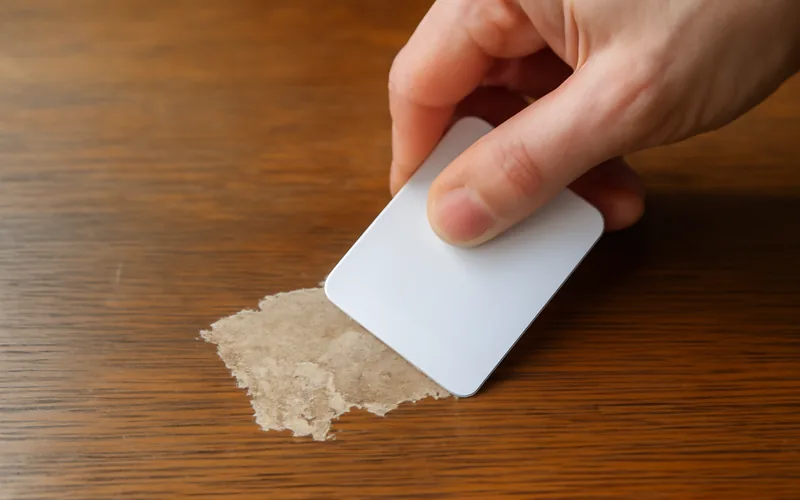
- Gentle scraping: Use a plastic scraper or old credit card to lift any remaining sticker edges or thin layers of residue, holding it at a low angle to the wood.
- Wipe away: Use a clean, soft cloth or paper towel to wipe away any loosened residue — sometimes this is all you need.
Method 2: The Mayo/Oil Hack (Best for Most Adhesives)
Oils — including plain mayonnaise, which is mostly oil by volume — are surprisingly effective at breaking down sticky adhesives without harming most wood finishes. This is the exact hack in this guide’s title, and it’s the method our readers ask about most.
- Apply oil: Dab a small amount of vegetable oil, olive oil, or mayonnaise directly onto the residue, covering the entire sticky area.
- Let it sit: Allow the oil to sit for at least 15–30 minutes — longer for stubborn residue — so it has time to penetrate and soften the adhesive.
- Scrape gently: Use a plastic scraper or credit card to lift the softened residue; it should start to ball up and lift off.
- Wipe clean: Use a clean, dry cloth to wipe away the loosened residue and excess oil.
- Clean up: If an oily film remains, wipe with a cloth dampened with warm water and a drop of dish soap, then dry thoroughly.
Method 3: Rubbing Alcohol (Isopropyl Alcohol) – The Go-To Solvent
Rubbing alcohol is a fast-acting solvent that evaporates quickly and is usually safe for most finishes.
- Test first: Apply a small amount to an inconspicuous area, wait a few minutes, and check for discoloration or dulling.
- Apply alcohol: Dampen (don’t soak) a soft cloth with 70% isopropyl alcohol.
- Rub the residue: Gently rub the residue with the damp cloth — the adhesive should start dissolving and transferring to the cloth within 30–60 seconds.
- Work in sections: For larger areas, re-dampen the cloth as you go.
- Wipe and dry: Once the residue is gone, wipe with a clean, slightly damp cloth to remove alcohol traces, then dry thoroughly.
📊 70% isopropyl alcohol is the recommended concentration for dissolving adhesive residue — the extra water content gives it more contact time on the glue than 90%, and most residue starts loosening within 30–60 seconds of contact. — Source: CRC Industries, 2026
For more on safe household chemical use, see the U.S. Environmental Protection Agency‘s guidance on household cleaning and chemical safety.
Method 4: White Vinegar – A Natural Acidity Boost
White vinegar can be effective, especially for some types of sticky residue.
- Apply vinegar: Dampen a cloth with white vinegar and apply it to the residue.
- Let it soak: Let the vinegar sit for about 10–15 minutes.
- Scrape and wipe: Use a plastic scraper to lift the residue, then wipe with a clean cloth.
- Rinse and dry: Wipe with a cloth dampened with plain water to remove the vinegar smell and any remaining residue, then dry thoroughly.
Method 5: The Hair Dryer Method (For Softening)
Heat is a great way to soften adhesive, making it easier to peel off cleanly.
- Apply heat: Hold a hair dryer on medium heat about 6 inches from the residue, moving it back and forth to avoid overheating one spot.
- Heat for 30–60 seconds: Warm the area for about 30 to 60 seconds.
- Peel or scrape: Once the adhesive is warm and soft, peel it off with a fingernail or plastic scraper.
- Repeat if necessary: You might need to repeat the heating and scraping a couple of times.
- Clean up: Once the bulk of the residue is gone, use the oil or alcohol method to remove any lingering stickiness.
What to Avoid When Removing Sticker Residue from Wood
Just as important as knowing what to do is knowing what not to do. A few common mistakes can damage your wood, and this section overlaps with our broader guide on fixing stained or damaged wood if any of these have already happened to your piece.
- Harsh solvents: Avoid acetone (nail polish remover), paint thinner, or strong industrial cleaners unless you’re certain your finish can handle them — these can strip paint, dull finishes, and damage the wood.
- Abrasive scrubbers: Steel wool, abrasive sponges, or stiff-bristled brushes can scratch the wood surface, leaving permanent marks.
- Excessive water: Soaking wood can cause it to swell, warp, or damage the finish — always use damp, not wet, cloths.
- Metal scrapers: Metal blades, knives, or razors can easily dig into and scratch wood finishes — stick to plastic.
- Rubbing too hard: Aggressive scrubbing can wear away the finish or push residue deeper into the wood grain.
“[Goo Gone] can be used on finished wood… Do not use on unfinished wood.” Its citrus-based formula is designed to remove adhesive without stripping paint underneath.
— Goo Gone, official product usage guidance
Comparing Removal Methods: A Quick Guide
Here’s a simple table to help you decide which method fits your situation. If you’re also refinishing the piece afterward, our varnish vs stain comparison covers what to apply once the residue is gone.
| Method | Best For | Pros | Cons | Wood Finish Safety |
|---|---|---|---|---|
| Gentle Scrape & Wipe | Light, fresh residue | Quick, no chemicals needed | May not remove all residue | Very Safe |
| Mayo/Oil Treatment | Most adhesives, sticky residue | Breaks down adhesive effectively, safe | Can leave an oily residue, requires cleanup | Generally Safe |
| Rubbing Alcohol (70%) | Stubborn adhesive, general cleaning | Fast-acting solvent, evaporates quickly | Requires testing, can dull some finishes if overused | Generally Safe (test first) |
| White Vinegar | Some types of residue | Natural, mild acidity | Vinegar smell, requires rinsing | Generally Safe (test first) |
| Hair Dryer | Softening adhesive for peeling | Non-chemical, helps with removal | May not remove all residue alone, risk of overheating | Very Safe (if used with care) |
Frequently Asked Questions
Can I use WD-40 to remove sticker residue from wood?
WD-40 can remove adhesive, but it’s often very oily and can penetrate and potentially stain unfinished wood or delicate finishes. It’s generally safer to stick with vegetable oil or rubbing alcohol for wood. Always test any product on an inconspicuous spot first.
What’s the best way to remove residue from painted wood without damaging the paint?
For painted wood, start with the gentlest methods. The oil treatment (vegetable oil or mayonnaise) is usually safest. If that doesn’t work, try rubbing alcohol on a small, hidden area first. Dab it onto the residue with a cloth rather than rubbing vigorously, and wipe it away quickly. Avoid harsh scrubbing.
How long should I let the oil or vinegar sit on the residue?
For oil treatments, let it sit for at least 15–30 minutes. For very stubborn residue, leave it for a couple of hours or even overnight (cover with plastic wrap to keep it moist). For vinegar, 10–15 minutes is usually sufficient — the key is giving the solution time to break down the adhesive.
Can I use a magic eraser on sticker residue on wood?
Magic Erasers (melamine foam) are mildly abrasive. They can be effective, but they can also dull the finish on wood, especially painted or varnished surfaces. It’s best to avoid them on wood and stick to softer methods unless you’ve tested an unseen area and are comfortable with the risk to the finish.
What if the residue is really old and dried on?
For old, dried-on residue, combine methods. Start with gentle heat from a hair dryer to soften it, then apply the oil treatment or rubbing alcohol. You may need to repeat the process several times, working at it patiently with a plastic scraper and a soft cloth.
Is it safe to use my fingernail to scrape off residue?
Yes, a fingernail is often a safe and effective tool for gently lifting softened residue, especially after using heat or an oil treatment. It’s much safer than metal objects. Just avoid pressing too hard if the wood surface feels soft or delicate.
Is Goo Gone safe to use on wood?
Yes, on finished wood only. Goo Gone’s citrus-based formula is labeled safe for finished wood surfaces but not recommended for unfinished wood, where the oily solvent can soak in and stain. Test on a hidden area first, and follow up with a soap-and-water wipe to remove any oily film.
Bringing it All Together: A Final Clean
Once you’ve removed all the sticker residue, you might have a slight oily or vinegary film left on the wood, depending on the method used. To finish the job:
- Damp cloth wipe: Take a clean, soft cloth, dampen it with plain warm water, and wring it out so it’s just slightly damp.
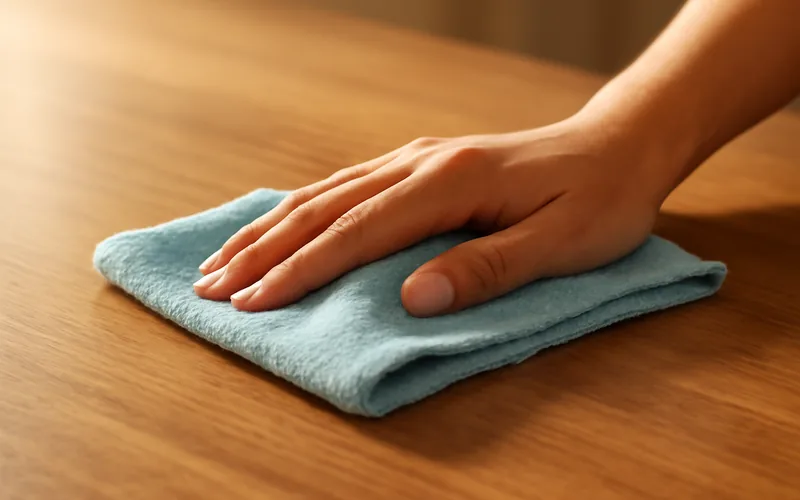
- Wipe the area: Gently wipe down the area where the residue was to remove any lingering cleaning agents.
- Dry thoroughly: Immediately follow up with a clean, dry cloth to buff the area and ensure no moisture is left behind.
This final step leaves your wood surface clean, residue-free, and ready to be admired.
Conclusion
Removing sticker residue from wood doesn’t have to be a daunting task. Mayonnaise or vegetable oil handles most adhesives safely; rubbing alcohol, vinegar, and gentle heat cover the rest. Start with the gentlest method that matches your wood’s finish, test in an inconspicuous spot first, and be patient — whether it’s a sticky mess on new furniture or an old label on a cherished item, these methods will have your wood looking like new again.
Sponsored / affiliate links. As an Amazon Associate I earn from qualifying purchases. I may earn additional commission from eligible campaigns.