How To Get Super Glue Off A Granite Countertop Safely
That moment when super glue escapes your grip is a small panic attack waiting to happen. Especially if it lands on something beautiful and hard to clean, like your granite countertop. Granite is tough, but it can be sensitive.
We’ve all been there, staring at that stubborn, clear blob and wondering, “What now?”
This guide is here to help. We’ll walk through the best ways to get that super glue off your granite. You’ll learn what works, what doesn’t, and how to keep your countertop looking its best.
No more stress about sticky messes. Let’s get this clean!
Super glue can be removed from granite countertops using gentle, targeted methods. Often, a combination of scraping with a plastic tool and applying a solvent like rubbing alcohol or acetone (nail polish remover) works. Always test any cleaner in an inconspicuous spot first to ensure it doesn’t harm the granite’s sealant.
Understanding Super Glue and Granite
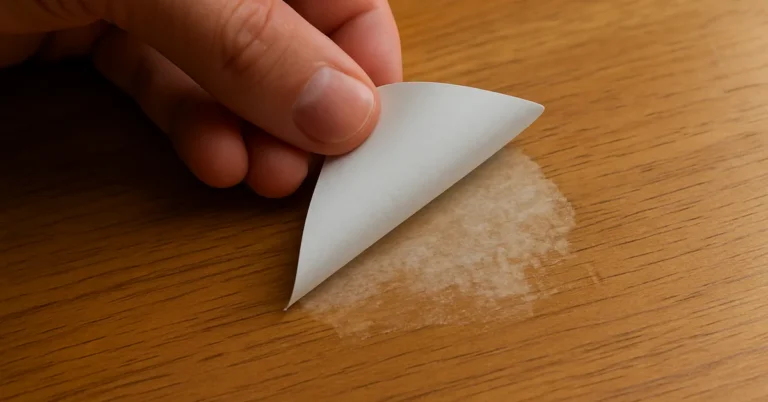
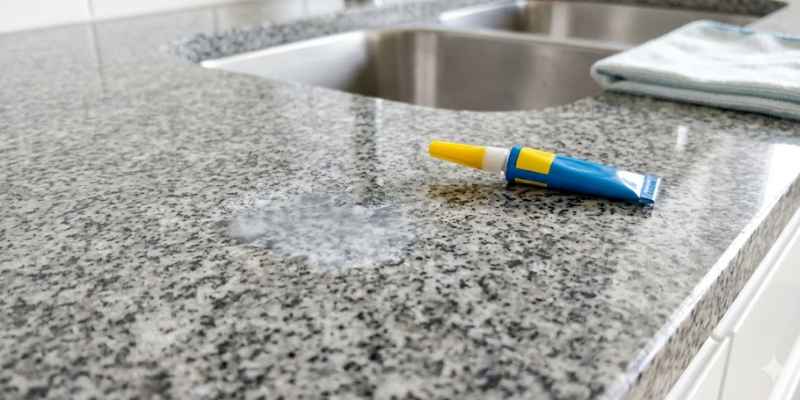
Super glue, or cyanoacrylate, is a strong adhesive. It bonds quickly to many surfaces. When it hits granite, it forms a hard, clear or sometimes cloudy spot.
This spot can be tough to remove because super glue hardens very fast.
Granite itself is a natural stone. It’s made of minerals like quartz and feldspar. This makes it very durable.
However, granite is porous. It’s usually sealed to stop spills from soaking in. The sealant protects the stone.
Strong chemicals or rough scrubbing can damage this sealant. That’s why we need careful methods.
The goal is to break down the glue. We also want to avoid damaging the granite or its protective seal. Think of it like a gentle coaxing, not a harsh scrubbing.
The right approach makes all the difference.
My Own Super Glue Struggle
I remember one weekend, I was trying to fix a small ceramic figurine. The little bird had lost a wing. I had the super glue ready, feeling pretty confident.
I held the tiny wing in place, applied a small drop of glue, and pressed. Perfect! Or so I thought.
Then, my elbow bumped the bottle. A small, but very visible, bead of glue dripped onto my kitchen island. It was gleaming white granite, and the glue was already starting to spread a little.
My heart sank. I knew super glue was tricky. I started to panic a little.
My beautiful granite!
I grabbed a paper towel, but that just smeared it. It felt like I was making it worse. I could see the glue hardening right before my eyes.
That evening, I spent a good hour online, researching. I tried a few things that didn’t quite work. It was frustrating.
I finally found a method that did the trick, but it took some patience. I learned a lot that day about being gentle with my stone.
Essential Tools for Glue Removal
Gathering the right supplies is key. You’ll need things that are safe for granite. Think gentle tools.
Having them ready means you can act fast.
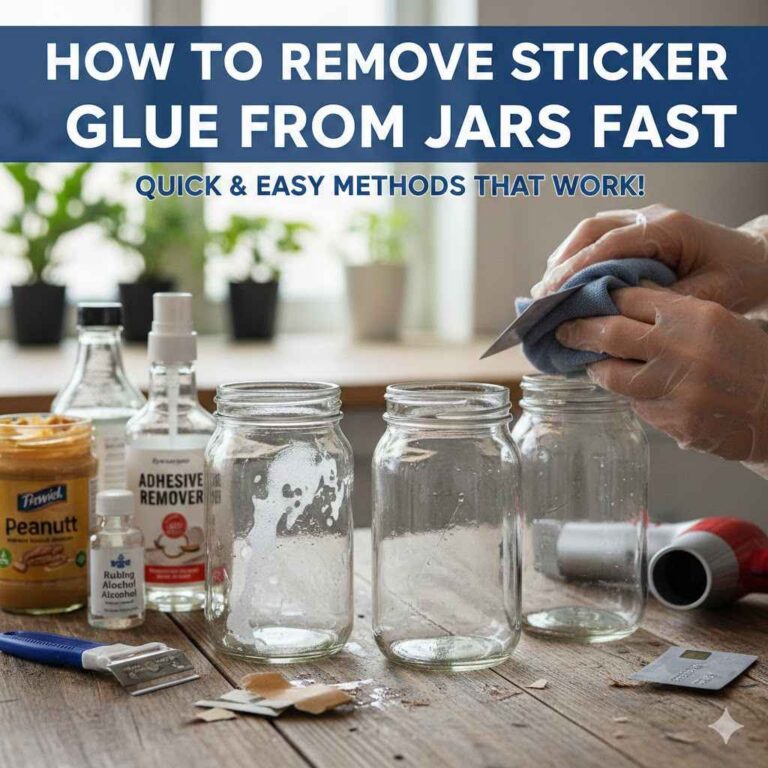
- Plastic Scraper or Old Credit Card: For lifting hardened glue.
- Soft Cloths or Microfiber Towels: For applying cleaners and wiping.
- Rubbing Alcohol (Isopropyl Alcohol): A common household solvent.
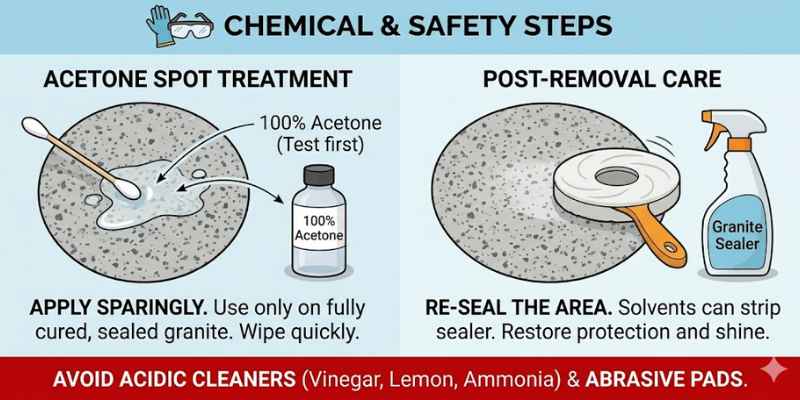
- Acetone (Nail Polish Remover): Use with caution. Ensure it’s 100% acetone.
- Warm Water and Mild Dish Soap: For general cleaning.
- Mineral Oil or Granite Sealer: For post-cleaning care.
Step-by-Step: Removing Super Glue Safely
Let’s break down the process. It’s best to start with the mildest methods. This protects your granite.
If one step doesn’t fully work, you can move to the next.
Step 1: Let the Glue Harden Fully
This might sound backward. But trying to wipe wet super glue often spreads it. It can push the glue into the pores of the granite.
Let the glue dry completely. This usually takes just a few minutes. It will turn into a hard, solid mass.
Step 2: Gently Scrape Away Excess Glue
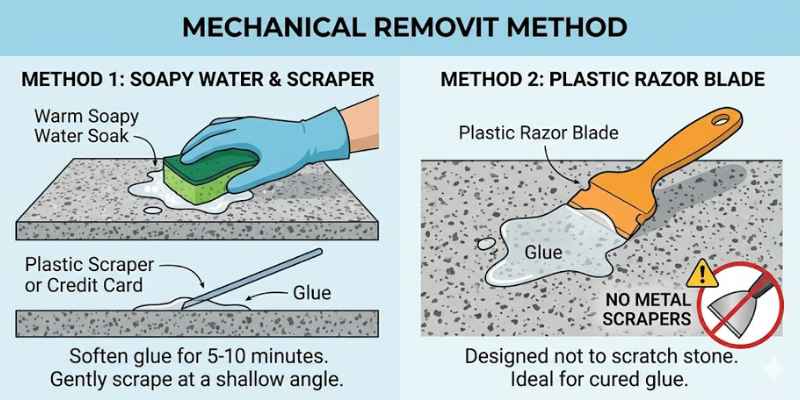
Once the glue is hard, use a plastic scraper. An old credit card or a plastic putty knife works well. Hold the scraper at a very low angle.
Gently try to lift the edge of the glue. Work slowly and carefully. You want to break the bond between the glue and the granite.
Don’t force it. If it doesn’t lift easily, stop. Pushing too hard can scratch the stone or the sealant.
The idea here is to remove any raised or thick parts of the glue. You’re not trying to get every last speck off yet. Just the bulk of it.
Step 3: Test a Cleaning Solution
Now, it’s time for a solvent. Rubbing alcohol is a good first choice. It’s usually safe for sealed granite.
Pour a small amount of rubbing alcohol onto a clean, soft cloth. Do NOT pour it directly onto the granite. This keeps the chemical contained.
Find a hidden spot on your countertop. A corner or an area under an appliance is good. Gently rub the cloth on this spot.
Wait a minute. Check for any dulling, discoloration, or damage to the sealant. If the spot looks fine, you can proceed.
If you don’t have rubbing alcohol, or if it doesn’t work, you can try acetone. Acetone is found in many nail polish removers. Make sure it’s pure acetone.
Some nail polishes have oils or other additives. Acetone is stronger. It can break down sealants faster.
So, testing is even more important.
Step 4: Apply the Solvent to the Glue
Dampen a clean cloth with your chosen solvent (rubbing alcohol or acetone). Do not soak the cloth. You want it damp, not dripping.
Dab the damp cloth onto the super glue spot. Let it sit for a minute or two. This allows the solvent to start breaking down the glue.
The solvent should soften the glue. It might turn a bit sticky or mushy. This is good!
It means the bond is weakening.
Step 5: Gently Wipe and Scrape Again
After the solvent has sat for a bit, gently wipe the area with a clean part of the cloth. You should start to see the glue lift away. If there are still stubborn bits, use your plastic scraper again.
Scrape very gently. You can also use a cotton swab dipped in the solvent to target small spots.
You might need to repeat this process. Apply the solvent, let it sit, then wipe and scrape. Be patient.
It can take a few tries to get all the glue off. Always use a clean section of your cloth or a new cotton swab. This prevents spreading dissolved glue.
Step 6: Clean the Area
Once all the glue is removed, you need to clean the area. Dampen a clean cloth with warm water. Add a tiny drop of mild dish soap.
Gently wipe the area where the glue was. This removes any leftover solvent residue. Rinse the cloth and wipe again with plain water.
Make sure no soap is left behind.
Dry the countertop thoroughly with a soft, dry cloth. This prevents water spots.
Step 7: Inspect and Reseal (If Needed)
After the countertop is dry, look at the spot closely. Is it clean? Does the sealant look intact?
If you notice the sealant seems dull or less protective, you might need to reapply a granite sealer. This is especially true if you used acetone.
Check your granite manufacturer’s instructions or a trusted stone care guide for the best type of sealer. Applying a sealer helps protect your granite for the future. You can also apply a small amount of mineral oil to the spot.
This can help restore some of the shine if it was dulled.
Myth vs. Reality: Glue on Granite
| Myth | Reality |
| You can use a razor blade to scrape off super glue. | A razor blade is too sharp. It will scratch your granite and its sealant. Stick to plastic tools. |
| Any household cleaner will work. | Harsh chemicals like bleach or abrasive cleaners can damage granite. Always test first. |
| Wiping wet glue will remove it quickly. | Wiping wet glue usually makes it spread. Let it dry first. |
| Once the glue is gone, the job is done. | Cleaning and potentially resealing the area ensures no damage was done. |
What Not to Do When Removing Super Glue
There are certain things you should avoid. These actions can cause more harm than good to your granite.
Avoid Harsh Abrasives
Never use steel wool, abrasive scrubbing pads, or scouring powders on granite. These can scratch the surface. They will dull the shine and can remove the sealant.
Even if you’re trying to get rid of a stubborn glue spot, stay away from these.
Don’t Pour Solvents Directly
Always apply solvents to a cloth or cotton swab. Pouring them directly onto the granite can cause the solvent to spread beyond the glue spot. This might damage a larger area of your sealant.
It’s harder to control where the chemical goes when poured.
Be Careful with Heat and Cold
Some people suggest using heat (like a hairdryer) or cold (like an ice cube) to treat super glue. While these can sometimes help with other glues, they can be risky for granite. Extreme temperature changes might cause the stone to crack, especially if it has any hidden fissures.
It’s best to stick to chemical solvents and gentle scraping.
Don’t Rush the Process
Impatience is the enemy here. Trying to force the glue off quickly can lead to scratches or damage. Take your time.
Work in small steps. Repeating a gentle process is safer than one aggressive attempt.
Real-World Scenarios and Granite Types
The way super glue behaves and how easy it is to remove can depend on a few things. The type of granite and its sealant are important.
Sealed Granite is Your Friend
Most granite countertops are sealed. This sealant creates a barrier. It makes the stone less porous.
A good sealant means the super glue won’t soak into the stone itself. It sits more on the surface. This makes removal much easier.
If your granite hasn’t been sealed in a while, the glue might soak in more.
Different Granite Finishes
Granite comes in different finishes. Polished granite has a shiny surface. Honed granite has a smooth, matte look.
Leathered granite has a textured feel. For polished granite, you must be extra careful not to scratch the shine. For honed or leathered granite, the texture itself can hide minor imperfections.
But the sealant is still key.
Hobbyists and DIYers Beware
Often, super glue accidents happen when people are doing crafts or small repairs at home. This is a common scenario for many homeowners. You’re focused on the project, and a little spill happens.
Understanding the granite’s needs is part of a successful DIY project.
Quick Scan: When to Call a Pro
Sometimes, the situation is more serious. Here’s when to pause and consider professional help:
- Large Spill: If a big amount of glue spread out.
- Deep Stain: If the glue seems to have soaked into the stone.
- Previous Damage: If the granite is already scratched or chipped.
- Uncertainty: If you’re not comfortable trying the removal yourself.
A stone care specialist has the tools and knowledge for tough jobs. They can often remove the glue without damaging your countertops.
What This Means for Your Countertop
Seeing super glue on your granite can be alarming. But most of the time, it’s a fixable problem. Knowing the right steps calms the worry.
When It’s Likely Normal
If the glue is a fresh spill or a small, hard spot that hasn’t soaked in. If your granite is well-sealed. If you’re able to gently scrape and dissolve the glue without residue.
Then, it’s likely a normal cleaning issue.
When to Potentially Worry
If the glue has been there for a long time and seems deeply set. If you notice the stone looks discolored or dull after a spill. If you try gentle methods and the glue doesn’t budge.
If you have a very old or unsealed granite countertop. These situations might mean more care is needed.
Simple Checks You Can Do
The Water Test: Sprinkle a few drops of water on the spot. If the water beads up, your sealant is likely good. If it soaks in and darkens the stone, the sealant might be weak.
You may need to reseal.
Visual Inspection: Look closely at the area. Do you see any scratches or dull spots where the glue was? Sometimes, even after cleaning, a slight dullness remains if the sealant was affected.
You can often bring back shine with a good granite polish.
Quick Tips for Super Glue Mishaps
Here are some handy tips to keep in mind:
- Act Fast (but carefully): While letting it harden is key, don’t leave it for days. Address it as soon as you can after it dries.
- Use Small Amounts: When using solvents, start with a tiny bit. You can always add more if needed. Less is more to protect your sealant.
- Work in Good Light: Make sure you can see what you’re doing clearly. This helps you avoid missing spots or scrubbing too hard.
- Keep Your Kit Ready: Have these supplies handy for future use. A small kit with a plastic scraper, cloths, and rubbing alcohol can save the day.
- Consider Your Countertop’s Age: Older countertops might have worn sealant. Be extra gentle with them.
Frequently Asked Questions about Super Glue on Granite
Can I use nail polish remover to get super glue off granite?
Yes, you can use nail polish remover, but make sure it’s pure acetone. Test it in an inconspicuous spot first. Acetone can break down granite sealants.
Apply it to a cloth, not directly to the granite. Wipe gently and clean the area with soap and water afterward.
Will scraping super glue scratch my granite countertop?
Scraping with a metal tool or pressing too hard can scratch granite. Always use a plastic scraper, like an old credit card or a plastic putty knife. Hold it at a low angle and scrape very gently.
The goal is to lift the glue, not dig into the stone.
How do I know if my granite is sealed?
A simple water test can tell you. Sprinkle a few drops of water on the granite. If the water beads up and stays on the surface, your sealant is working well.
If the water soaks in and darkens the stone, the sealant may need to be reapplied.
Is rubbing alcohol safe for granite sealers?
Rubbing alcohol (isopropyl alcohol) is generally safe for most sealed granite surfaces. It’s a good first choice for trying to dissolve super glue. However, it’s always wise to test it in a hidden area first to be sure.
Avoid leaving it on the granite for too long.
What if the super glue left a cloudy spot on my granite?
A cloudy spot might mean the glue has slightly affected the sealant or the stone’s surface. After removing the glue, clean the area with mild soap and water. If the cloudiness remains, you may need to polish the granite with a specialized granite polish.
In some cases, the sealant may need to be reapplied to that area.
How long should I let a solvent sit on the super glue?
Start by letting the solvent sit for one to two minutes. This gives it time to start softening the glue. If the glue isn’t softening, you can try letting it sit for a minute or two longer.
Don’t let solvents sit on the granite for extended periods without wiping, as they can damage the sealant over time.
Conclusion
Dealing with super glue on granite can seem daunting. But with the right tools and a gentle approach, you can often remove it successfully. Remember to start mild.
Always test any cleaning product first. Patience is your best friend. Keep your granite looking beautiful by handling these little accidents with care.
Sponsored / affiliate links. As an Amazon Associate I earn from qualifying purchases. I may earn additional commission from eligible campaigns.