How Do You Remove Carpet That Is Glued Down Easily?
Removing glued-down carpet involves scoring the carpet, loosening the adhesive with a scraper or heat, and carefully peeling it up. Patience and the right tools are key to a smoother removal process without damaging the subfloor.
Understanding Glued-Down Carpet
Carpet is sometimes glued directly to the floor. This is often done for a very secure fit. It stops carpets from shifting or buckling.
You find this method a lot in places with heavy foot traffic. Think hallways or busy living rooms. Or sometimes in commercial spaces.
The glue creates a strong bond. This bond can be hard to break.
The type of glue used matters. Some glues are water-based. Others are tougher, solvent-based glues.
These stronger glues really stick. They can make removal a real challenge. You need to know what you’re up against.
The subfloor beneath can be wood, concrete, or even another flooring type. You want to protect it during removal.
What You Need: Tools for the Job
Getting glued carpet up needs the right gear. Don’t try to force it without these items. They make the job safer and easier.
You’ll need some basic tools. Some are for cutting. Others are for prying.
And a few are for cleanup.
First, you’ll need a sharp utility knife. This is for cutting the carpet into smaller pieces. Smaller pieces are much easier to handle.
Make sure you have plenty of extra blades. Dull blades make cutting hard work. They can also tear the carpet unevenly.
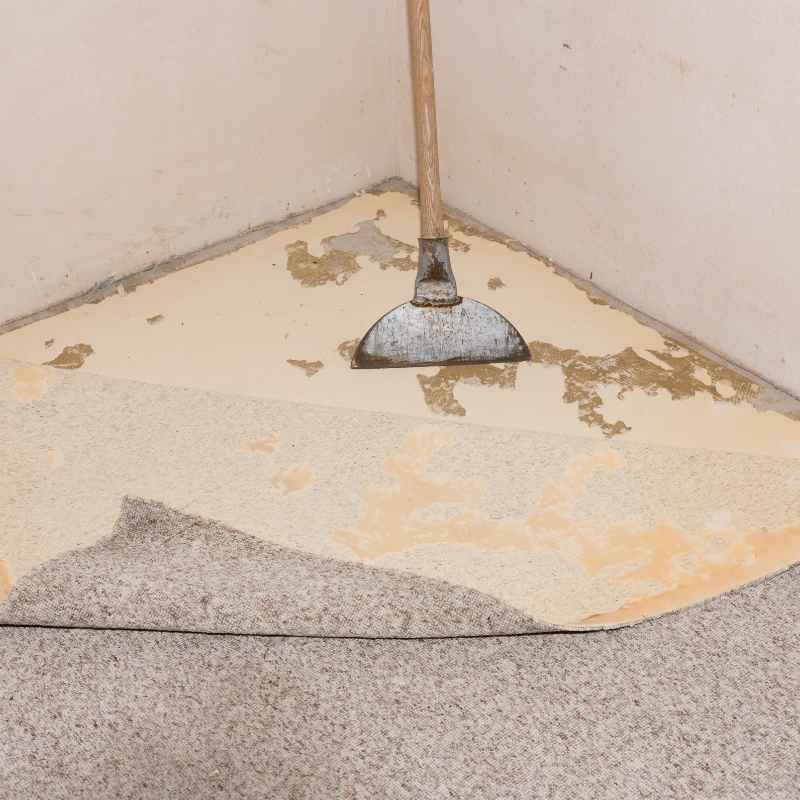
Next, a floor scraper is essential. A good one has a long handle. This lets you stand up more.
It helps you apply pressure evenly. Look for a scraper with a sharp, sturdy blade. Some have angled blades.
These are great for getting under the carpet and into the glue.
A putty knife can help for smaller areas. It’s good for lifting edges or getting into tight spots. For stubborn glue, a heat gun can be a lifesaver.
Heat softens many types of adhesive. This makes them easier to scrape away. Always use caution with heat guns.
Never leave them unattended. And be aware of fumes.
You’ll also need heavy-duty gloves. These protect your hands. They offer a better grip too.
Safety glasses are a must. They keep dust and debris out of your eyes. A dust mask is also wise.
Old carpet can hold a lot of dust.
Trash bags or a large tarp are needed. You’ll create a lot of waste. Have a plan for disposal.
Work gloves are also important. They protect your hands from splinters or sharp edges. Finally, a bucket and some water might be useful.
Some adhesives can be softened with water.
Essential Tool Checklist
- Utility Knife: With extra sharp blades.
- Floor Scraper: Long-handled is best.
- Putty Knife: For small areas.
- Heat Gun (Optional): For tough glue.
- Gloves: Heavy-duty for grip and protection.
- Safety Glasses: Protect your eyes.
- Dust Mask: For comfort and health.
- Trash Bags/Tarp: For debris.
The Step-by-Step Removal Process
Removing glued carpet takes patience. You can’t rush it. Start by preparing the room.
Move all furniture out. Empty the space completely. This gives you room to work.
Lay down drop cloths if you’re worried about dust.
First, you need to cut the carpet. Use your utility knife. Cut the carpet into strips.
Make them about two to three feet wide. This is easier than trying to pull up huge sections. Cut the strips from one wall to the opposite wall.
Go across the longest length of the room.
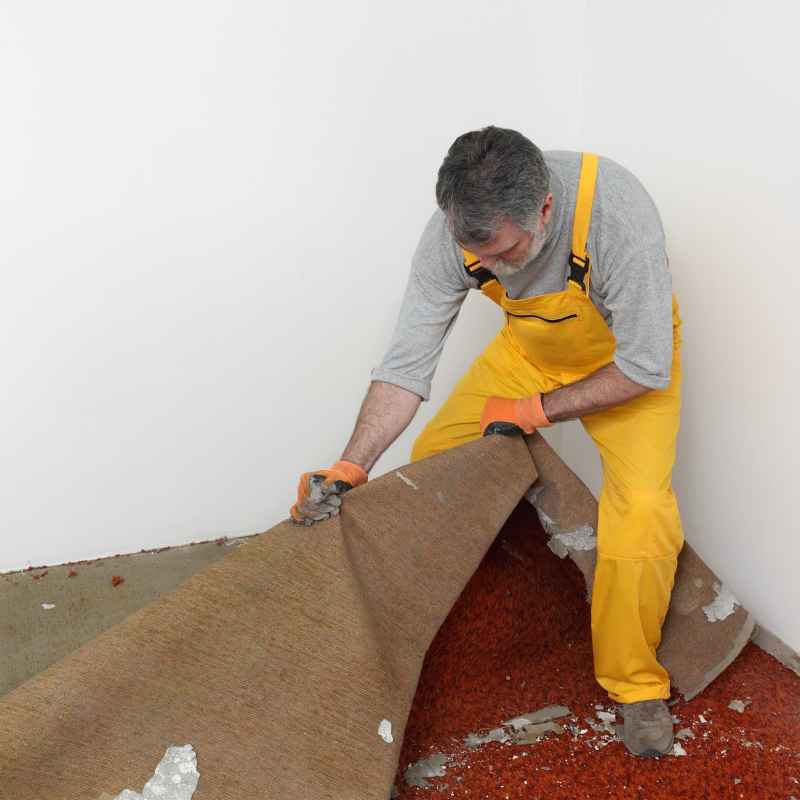
Once you have strips, start peeling. Try to lift an edge with your putty knife. Or maybe a corner of a strip.
Once you get an edge up, grab it with your hands. Or use your gloves for better grip. Pull the carpet strip away from the floor.
Pull slowly and steadily.
If the carpet is really stuck, this is where the scraper comes in. Slide the floor scraper blade under the carpet. Angle it towards the glue.
Apply steady downward pressure. Work your way along the strip. Try to get the blade between the carpet backing and the glue.
This lifts the carpet and breaks the bond.
For very stubborn glue spots, use the heat gun. Set it to a medium heat. Wave it back and forth over a small area of glue.
Don’t hold it in one spot too long. The heat softens the adhesive. Then, quickly use your scraper.
It should come up more easily now.
As you remove each strip, roll it up. Toss it into your trash bags or onto the tarp. Keep working section by section.
If you hit a spot where the carpet tears, just cut it again. Sometimes the backing stays stuck. This is normal.
You’ll deal with that next.
Continue this process for all the carpet strips. Take breaks if you need them. This can be physically demanding work.
Ensure good ventilation if using a heat gun. Or if the old glue has a strong smell. You want the air to be fresh.
Cutting and Peeling Tips
- Cut Wide Strips: 2-3 feet is a good size.
- Use Sharp Blades: Change often for easier cutting.
- Pull Steadily: Avoid jerky motions.
- Angle Scraper Right: Aim between carpet and glue.
- Heat Softens Glue: Use with caution on stubborn spots.
Dealing with the Adhesive Residue
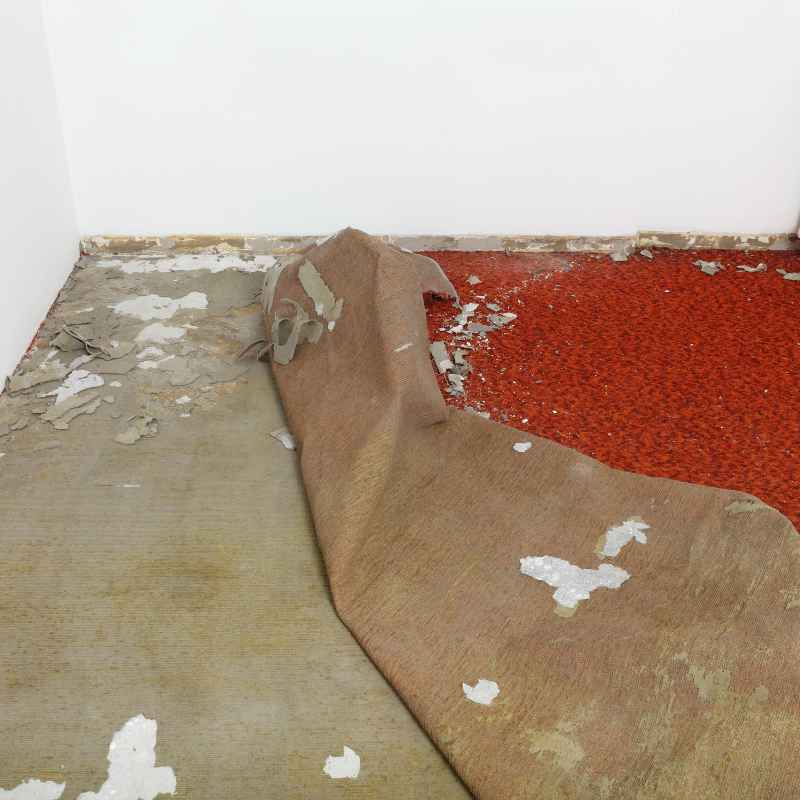
After the carpet is gone, you’ll likely see glue. This adhesive residue is a common problem. It needs to be removed.
This is important. New flooring won’t lie flat if the subfloor isn’t smooth. You need a clean surface.
Start by scraping off as much as you can. Use your floor scraper again. Work at a low angle.
Try to get under the edges of the dried glue. Apply firm pressure. For concrete floors, this might be easier.
For wood floors, be more careful.
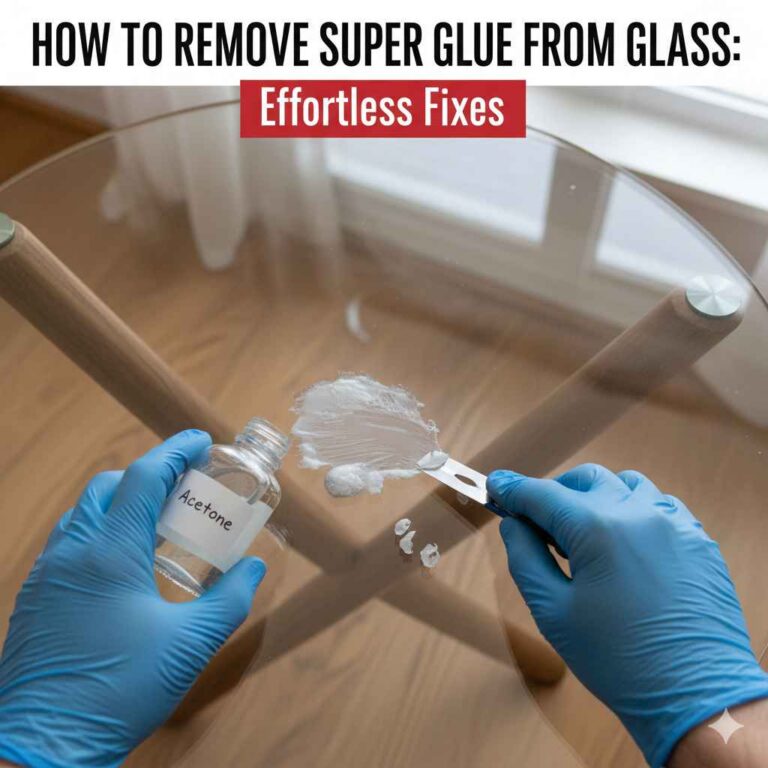
If scraping alone isn’t working, try a solvent. There are commercial adhesive removers available. Check the product label.
Make sure it’s safe for your subfloor type. Follow the instructions carefully. Apply the remover to a small area.
Let it sit for the recommended time.
Then, scrape again. The solvent should have softened the glue. You might need to work in small sections.
Ensure good ventilation when using solvents. They can have strong fumes. Wear your gloves and safety glasses.
For water-soluble glues, water can sometimes help. Dampen a rag or sponge. Apply it to a small section of glue.
Let it soak for a few minutes. Then try scraping. This is usually less effective for tough, old glues.
But it’s worth a try if you’re avoiding chemicals.
After scraping and using a solvent or water, you’ll need to clean the subfloor. Use a damp cloth. Wipe down the entire area.
This removes any leftover residue or solvent. Let the subfloor dry completely. Check it for any remaining bumps or sticky spots.
You might need to do some touch-up scraping.
If the subfloor is wood, be careful not to soak it. Too much water can damage wood. Let it dry thoroughly between steps.
For concrete, it’s more forgiving. But still, dry is best before laying new floor.
Adhesive Removal Methods
- Scraping: Your primary tool for bulk removal.
- Solvents: Commercial removers for tough glues.
- Water (Limited Use): For water-based adhesives.
- Damp Cloth: Final wipe-down for cleanliness.
Protecting Your Subfloor
The subfloor is the base of your flooring. You want it in good shape. Glued carpet can sometimes damage it.
This is especially true if you pull too hard or scrape too aggressively.
Wood subfloors are more delicate. You can gouge them easily. If you’re using a scraper on wood, keep the angle shallow.
Don’t dig the blade in. If you find deep scratches, you might need to sand them down. Or use a wood filler.
Concrete subfloors are tougher. But they can still be damaged. You can chip or scratch concrete.
Be mindful of how much force you’re using. The main goal with concrete is to get it smooth and clean. Any high spots or leftover glue will affect new flooring.
Sometimes, the glue itself can stain the subfloor. This is usually not a big issue. If you plan to paint or seal the subfloor, a light stain won’t matter.
If you’re laying a light-colored flooring, a dark stain might be visible.
Always test any chemical removers in an inconspicuous spot. This checks for discoloration or damage. It’s a small step.
But it can save you a lot of trouble. Remember, the goal is a flat, smooth, and clean surface for your new floor.
Subfloor Safety First
- Wood: Be gentle with scrapers. Avoid deep gouges.
- Concrete: Focus on smoothness. Less concern about minor scratches.
- Test Products: Always do a spot test for chemicals.
- Dryness is Key: Ensure subfloor is fully dry before new flooring.
When Glued Carpet is a Nightmare
Most glued carpet jobs are tough but manageable. Some situations make it much harder. You might encounter these issues.
One is very old, hardened glue. Over many years, glue can become like cement. It’s very brittle.
Or it can be incredibly sticky. Either way, it’s hard to break. Heat might be your best bet here.
But it takes time and patience.
Another problem is if the carpet was glued over a subfloor that wasn’t prepared well. Sometimes there are high spots or debris underneath. This can make the glue bond unevenly.
It also means you might have to fix the subfloor after. This adds extra work.
If the carpet backing itself is disintegrating, that’s tough too. The carpet fibers might come away easily. But the glue is still stuck to the backing.
And the backing breaks into tiny pieces. This makes it hard to grip and scrape. You might have to scrape almost every bit off by hand.
In some cases, the glue might have seeped through to the subfloor itself. This is especially true for porous materials. Or if a lot of glue was used.
This can leave permanent stains. Or make the surface very uneven. This is rare, but it happens.
If you have a historic home, be extra careful. Older homes might have unique subflooring materials. Or they might have adhesives that are now considered hazardous.
Always research the age of your home and materials. If you suspect anything dangerous, call a professional.
Tough Glue Scenarios
- Old, Hardened Glue: Requires more heat and scraping.
- Poor Subfloor Prep: May need extra fixes after carpet removal.
- Deteriorating Backing: Tiny pieces make scraping harder.
- Glue Seepage: Can stain or warp subfloors.
- Historic Homes: Potential for hazardous materials.
Alternatives to Manual Scraping
While manual scraping is common, other methods exist. These might speed up the process. Or reduce physical strain.
Especially for large areas.
One option is a floor stripper machine. You can rent these from tool rental places. They have rotating blades.
They spin very fast. These machines can quickly remove carpet and glue. They are powerful.
But they can also damage subfloors if not used carefully. They work best on concrete.
Another tool is a powered scraper. These look like heavy-duty sanders. They have a large, flat blade.
The blade vibrates or oscillates. This helps break up the adhesive. They are less aggressive than stripper machines.
But still require care. They are good for tough glue spots.
Some people use pressure washers. This is only for concrete floors. And only if the concrete is sealed.
It’s a very aggressive method. Water can damage unsealed concrete. Or concrete with cracks.
It also makes a huge mess. You need to contain the water. And deal with the slurry.
If you have a very large area, consider hiring professionals. They have specialized equipment. They can remove the carpet and glue much faster.
They also know how to handle different subfloors. This can be worth the cost. Especially if you’re not comfortable with the tools.
Powered Removal Options
- Floor Stripper Machine: For large areas, fast but can damage subfloors.
- Powered Scraper: Vibrating/oscillating blades break up tough glue.
- Pressure Washer (Concrete Only): Very aggressive, messy, requires containment.
- Professional Removal: For large spaces or if you need speed.
When to Call a Professional
You’ve learned a lot about removing glued-down carpet. You know the tools and steps. But there are times when DIY isn’t the best route.
Knowing when to call for help is smart.
If you have a very large room, like a big living room or a basement, it’s a huge job. It could take days. If your time is limited, professionals can do it faster.
They have the manpower and equipment.
If your subfloor seems damaged or is made of a delicate material, be cautious. For instance, if it’s old, uneven hardwood. Or if there are signs of water damage.
Professionals have experience with all types of subfloors. They know how to avoid causing more harm.
If you suspect the adhesive used is hazardous, stop. Some older adhesives contain asbestos or lead. These require special handling.
Professional abatement services are needed. Your safety comes first. Always err on the side of caution with unknown substances.
If you’ve tried for a few hours and made very little progress, it might be time to quit. Forcing the issue can lead to injury. Or damage to your home.
A professional can assess the situation. And tackle it efficiently.
Finally, if you just don’t feel comfortable with the task, that’s okay. This job can be physically demanding. It can also be messy.
Hiring pros means you don’t have to deal with the hard work or the cleanup. It’s an investment in your peace of mind.
Calling the Pros: When It Makes Sense
- Large Areas: Saves significant time and effort.
- Delicate Subfloors: Protects against damage.
- Suspected Hazardous Materials: For your safety.
- Lack of Progress: Avoids frustration and potential harm.
- Personal Comfort Level: If you prefer not to do the work.
Frequently Asked Questions
How long does it usually take to remove glued-down carpet?
For a standard-sized room (like a 12×15 foot room), removing glued-down carpet can take anywhere from 4 hours to a full day. This depends a lot on how stubborn the adhesive is and how much residue is left behind. Larger or more complex rooms will naturally take longer.
If you use power tools or hire professionals, it can be much faster.
Can I lay new flooring directly over the old glue?
No, you generally should not lay new flooring directly over old carpet glue. Most new flooring materials, like vinyl plank, laminate, or tile, require a perfectly smooth and clean subfloor. Leftover adhesive can create bumps.
It can also prevent the new flooring from adhering properly. This could lead to lifting or other installation problems later on.
What if my subfloor is concrete and the glue is really tough?
For tough glue on a concrete subfloor, a combination of methods is usually best. Start with aggressive scraping. A floor stripper machine or a powered scraper can be very effective.
If that doesn’t get it all, consider using a chemical adhesive remover designed for concrete. Always test the remover in a small area first. Ensure good ventilation and wear protective gear.
For extremely difficult situations, professional removal might be the most efficient solution.
Will removing glued carpet damage my subfloor?
There is a risk of damaging your subfloor during the removal process. Aggressive scraping can gouge wood floors. It can also scratch or chip concrete.
The key is to use the right tools and techniques. Keep your scraper at a shallow angle. Avoid digging the blade in.
For wood floors, be extra gentle. If minor damage occurs, it can often be repaired with sanding or filler before installing new flooring.
Is it okay to use water to remove carpet glue?
Water can be effective for removing some water-based adhesives. However, it is often not strong enough for tougher, solvent-based glues that are commonly used. If you try water, use it sparingly.
Dampen a rag and apply it to a small area. Let it sit briefly. Then try scraping.
Be careful not to over-wet wood subfloors, as this can cause damage and swelling. For most glued carpets, chemical removers or heat are more reliable.
What kind of subfloor do I likely have under glued carpet?
Under glued carpet, you most commonly find concrete subfloors, especially in basements or ground-level rooms. Plywood or OSB (Oriented Strand Board) subfloors are also very common, particularly on upper levels or in drier areas. Less commonly, you might find existing hard flooring like vinyl tiles or even older hardwood floors.
The type of subfloor will influence how you approach glue removal and potential repairs.
Conclusion
Tackling glued-down carpet can seem daunting. But with the right tools and a steady approach, it’s a job you can do. Remember to cut the carpet into manageable strips.
Use your scraper to get under the adhesive. And be prepared to tackle residue. Protecting your subfloor is vital.
And know when to call in the pros. This careful process will lead to a clean surface. It’s ready for your next flooring project.
Sponsored / affiliate links. As an Amazon Associate I earn from qualifying purchases. I may earn additional commission from eligible campaigns.