LVT Vs LVP Flooring: Discover Key Differences
Choosing the right flooring for your home can be a daunting task. With so many options available, it’s easy to feel overwhelmed.
If you’ve narrowed down your choices to LVT (Luxury Vinyl Tile) and LVP (Luxury Vinyl Plank), you’re on the right track. But how do you decide which is the best fit for your space? Understanding the differences between LVT and LVP can save you time, money, and future headaches.
We’ll dive into the unique benefits and drawbacks of each option, helping you make an informed decision that suits your lifestyle and preferences. Whether you’re renovating a cozy apartment or designing a dream home, knowing the pros and cons of LVT vs. LVP flooring will empower you to choose the flooring that feels just right for you. Let’s unravel this flooring mystery together!
Material Composition
LVT and LVP floors have special core components. These parts help the floors last long. The core is usually made of PVC. PVC is a type of plastic. It is strong and resists water. LVP often has a thicker core. This makes it more durable. LVT might be thinner. Both are great for homes. They look nice and are easy to clean.
The surface layerof these floors is very important. It protects the floor. The top is often a clear coat. This coat keeps the floor shiny. It also stops scratches and stains. LVT and LVP both have strong surfaces. The surface can look like wood or stone. This makes floors look real and pretty. People love these styles. They match many home designs.

Credit: www.reallycheapfloors.com
Installation Process
Getting ready for flooring is important. Clean the area first. Dust and dirt can cause problems. Make sure the floor is smooth. Uneven surfaces need fixing. Measure the room size carefully. Correct measurements help with planning. Check the tools you need. Having the right tools makes work easy. Organize them before starting. This saves time.
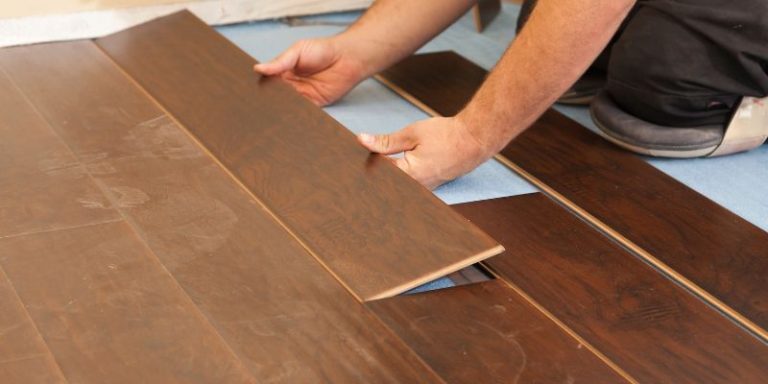
Many ways to install flooring. Glue down is popular. It sticks firmly to the ground. Click-lock method is easy. Pieces snap together like a puzzle. Loose lay is quick. No glue or nails needed. Each method has pros and cons. Choose based on room and skill. Guidance helps if unsure.
Durability And Longevity
LVT and LVP flooring offer exceptional durability and longevity, making them ideal for high-traffic areas. Both materials withstand scratches and dents, ensuring a beautiful appearance over time. Easy maintenance and water-resistant properties add to their appeal, providing lasting quality and value.
Wear And Tear Resistance
LVT and LVP flooring are known for their strong resistance. Scratches and scuffs are rare with these floors. They are suitable for high-traffic areas. Children and pets won’t easily damage them. Cleaning is simple and quick. Regular care keeps them looking new. Spills won’t easily stain or warp the surface. This makes them ideal for kitchens and bathrooms.
Life Expectancy
These floors last many years. LVT can last up to 20 years. LVP can last about the same time. Their life depends on proper maintenance. Regular cleaning helps extend their life. Quality of installation affects their longevity. Always choose professional installers for best results. They ensure the floors fit perfectly. Small gaps can reduce life expectancy. Proper care ensures long-lasting beauty.
Credit: www.dustram.com
Design And Style Options
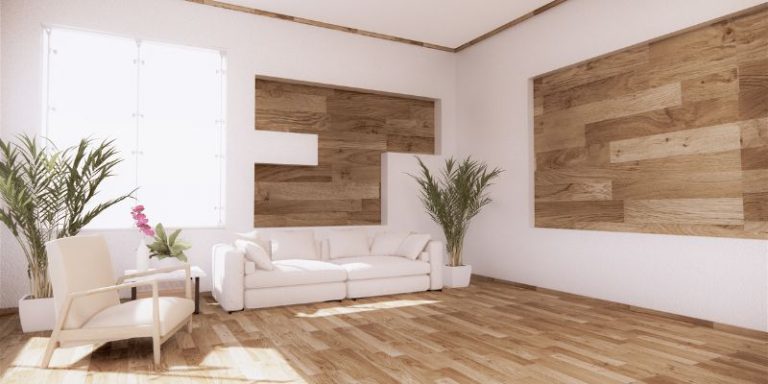
LVT and LVP floors come in many colors. You can find light shades like whites and grays. There are also darker hues such as browns and blacks. Some floors even mimic natural wood colors. This gives a warm look to rooms. Bright colors can make spaces feel larger. Dark colors add a cozy feel. Choosing the right color is important for your home.
Flooring textures vary a lot. Smooth surfaces are easy to clean. Textured floors feel like real wood or stone. Some have a grainy texture. Others have a more polished look. Textures can change how a room feels. They can make floors less slippery. Choosing a texture is fun. It helps make your home unique.
Cost Comparison
LVT flooringcosts around $3 to $5 per square foot. It looks like wood or stone. LVP flooringis a bit cheaper. It costs $2 to $4 per square foot. Both choices are good for homes. They last a long time.
Extra costs can add up. You might need to pay for installation. This can be $1 to $3 per square foot. Sometimes, you need new underlayment. That costs more money. Think about moving furniture. You might pay for that too. Always check your budget.

Credit: www.woodandbeyond.com
Environmental Impact
LVT flooringuses more resources. It takes more energy to make. Not very green. LVP flooringis different. It needs less energy. Better for the earth. It uses fewer materials. Less waste, less harm.
LVT flooringis hard to recycle. Very few places accept it. LVP flooringcan be recycled. More places take it. Easier to dispose of. Better for the planet.
Maintenance Requirements
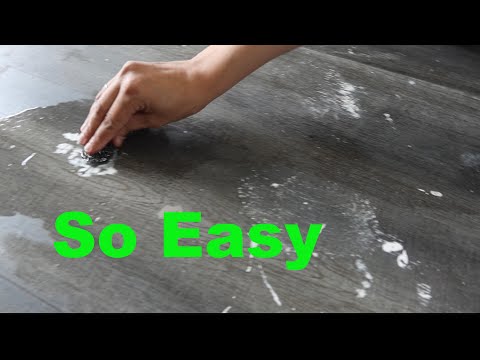
LVT and LVP flooring need simple cleaning. Use a soft broom to sweep dirt. A damp mop works well too. Avoid using too much water. Water can damage the floor. Use a mild cleaner, not strong chemicals. Strong chemicals can harm the floor.
Small scratches are easy to fix. Use a repair kit for scratches. Deep scratches may need professional help. If a plank is damaged, it can be replaced. LVP flooring makes replacing planks simple. Ensure new planks match the old ones. Matching planks keep the floor looking good.
Frequently Asked Questions
Which Is Better LVP Or LVT Flooring?
LVP flooring is more durable and water-resistant, making it ideal for high-moisture areas. LVT offers more design flexibility and is easier to replace. Choose based on your needs, such as durability or design preference. Both are great options, but LVP is better for moisture-prone spaces.
What Are The Disadvantages Of LVT Flooring?
LVT flooring can be prone to dents from heavy furniture. It may fade in direct sunlight exposure. Moisture can cause warping over time. It requires frequent cleaning to maintain appearance. Some low-quality LVT products might emit VOCs, affecting indoor air quality.
Is LVT Or Lvp More Expensive?
LVT is generally more expensive than LVP. Prices vary based on brand, design, and quality. LVT often offers higher durability and better aesthetics, which can justify the cost difference. Always compare specifications to choose the best option for your budget and needs.
Is LVT Used In High End Homes?
Yes, LVT is popular in high-end homes. It offers durability, luxury appeal, and easy maintenance. Homeowners appreciate its realistic appearance and variety of designs. LVT mimics materials like wood and stone, providing elegance without high costs. It’s a practical, stylish choice for upscale interiors.
Conclusion
Choosing between LVT and LVP flooring? Consider your needs and lifestyle. Both options offer durability and style. LVT is great for realistic stone looks. LVP excels in mimicking hardwood. Installation is easy for both types. Maintenance is simple, requiring regular cleaning.
Budget and design preferences can guide your decision. Remember to check for warranties and quality. Both LVT and LVP provide value and beauty. Make the choice that suits your space best.