Make Wood Paneling Look Good Without Painting Without Effort
Thinking about updating wood paneling can feel like a big project! Many people get stuck because they automatically think they need to paint. It can seem tough to Make Wood Paneling Look Good Without Painting, but don’t worry. We’re going to break down some simple methods to refresh your wood paneling without a drop of paint, making it easy for anyone to try. You’ll be surprised at how much you can change the look of your walls. Let’s get started!
Choosing the Right Cleaning Methods
The first step in any wood paneling project is cleaning. How you clean will influence how your paneling looks. This is particularly important when you want to Make Wood Paneling Look Good Without Painting. Selecting suitable cleaning supplies keeps the natural beauty of the wood while removing dust, grime, and other substances. Various approaches suit different types of wood and finishes. Ignoring this stage could cause the methods you use later to be less effective. Thorough cleaning sets the stage for success and is something you should consider before you begin.
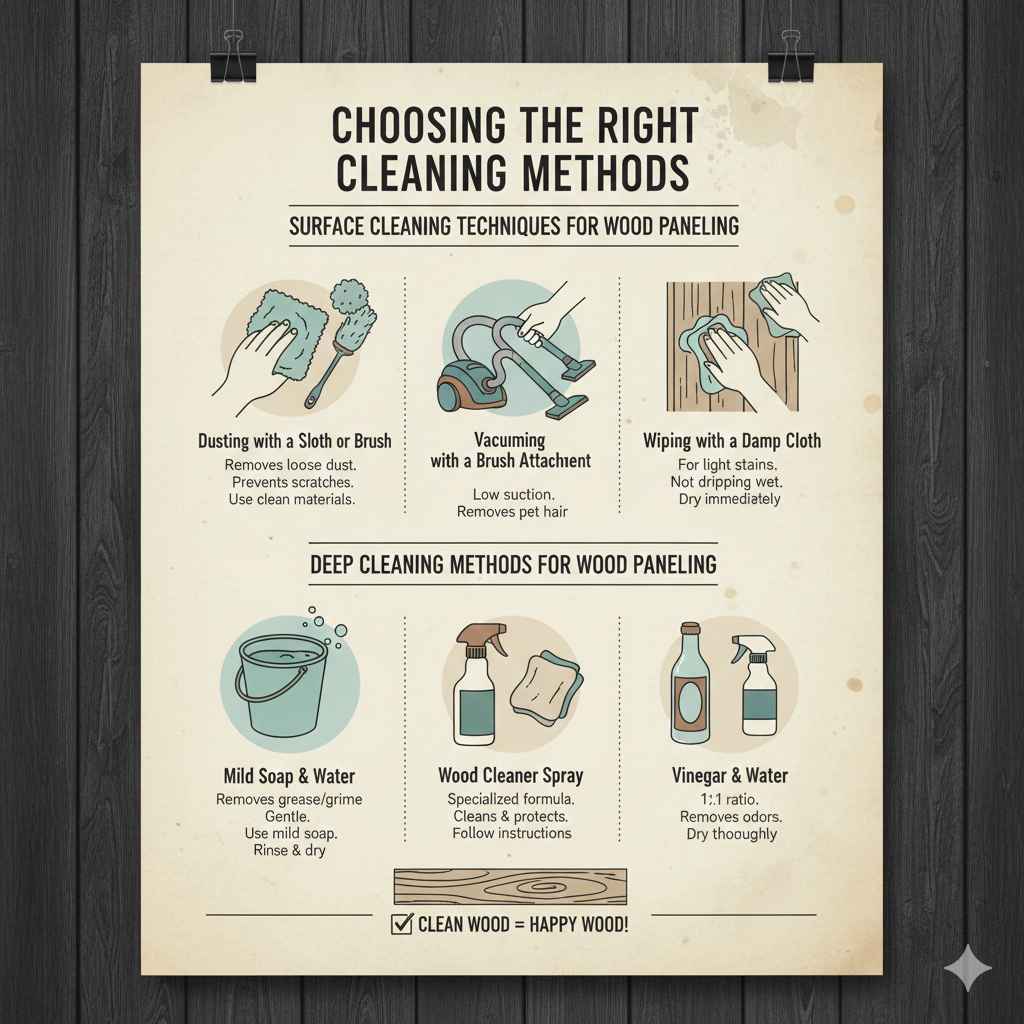
Surface Cleaning Techniques for Wood Paneling
Surface cleaning focuses on removing dust, dirt, and light stains from the paneling’s surface. Begin with a soft brush or a vacuum cleaner with a brush attachment to remove loose dust and debris. This helps prevent scratching the wood. This type of cleaning is perfect before applying oils or polishes. Always start with the least abrasive cleaning method first to avoid potential damage. Proper surface cleaning keeps the paneling in great shape.
Dusting with a Soft Cloth or Brush: Use a microfiber cloth or a soft brush to remove dust from the surface. This method is effective for regular cleaning and prevents the accumulation of dirt. Choose materials that won’t scratch the wood. Make sure your brush or cloth is clean to avoid spreading dirt.
This step is critical because dust particles can scratch the surface during other cleaning steps. Routine dusting will ensure your paneling always looks its best.
Vacuuming with a Brush Attachment: A vacuum cleaner with a brush attachment gently removes dust and debris from the paneling. This is useful for hard-to-reach areas and helps remove anything that may have settled in crevices. Use a low suction setting to prevent any damage to the wood.
This method is especially effective for removing pet hair or other allergens. Regular vacuuming helps to maintain the appearance and cleanliness of the wood.
Wiping with a Damp Cloth: If the wood paneling has minor stains or smudges, a slightly damp cloth can be used. Be sure the cloth is not dripping wet. Avoid excessive moisture, which can damage the wood. After wiping, immediately dry the area with a clean, dry cloth to prevent water damage.
This method is good for removing fingerprints or light marks. Make certain to dry the surface completely to preserve the wood and its finish.
Deep Cleaning Methods for Wood Paneling
When the paneling has accumulated more stubborn dirt or grime, deep cleaning might be necessary. This requires more involved techniques and sometimes specific cleaning solutions. Make certain to test any cleaning products in an inconspicuous area before applying them to the entire surface. Deep cleaning is essential for removing embedded dirt. Carefully select methods appropriate for the wood type and finish to ensure the paneling is not damaged. This will also help when you Make Wood Paneling Look Good Without Painting.
Using a Mild Soap and Water Solution: Mix a few drops of mild dish soap with warm water. Dip a soft cloth or sponge into the solution, wring it out, and gently wipe the paneling. Rinse the cloth frequently and wipe with a clean, damp cloth to remove any soap residue. Dry immediately with a clean, soft cloth.
This method is useful for removing grease or grime buildup. Using a mild soap helps to avoid damage to the wood and finish, providing a gentle yet effective clean.
Applying a Wood Cleaner Specifically Designed for the Panel Type: A wood cleaner is designed to clean and protect wood finishes. Follow the manufacturer’s instructions, usually involving spraying the cleaner onto a soft cloth and wiping the paneling. This cleaner contains ingredients to protect the finish while removing dirt.
Always read and follow the instructions on the product label. Using a wood cleaner provides a deeper clean.
Employing a Vinegar and Water Solution: A mixture of white vinegar and water (usually a 1:1 ratio) can be effective. Vinegar is a gentle, natural cleaner. Apply the solution to a soft cloth, wipe the paneling, and wipe with a clean, damp cloth. Always dry the surface thoroughly afterward.
This method is a gentle, eco-friendly option for cleaning. Vinegar can remove dirt and odors.
Ways to Make Wood Paneling Look Good Without Painting Through Treatment
After your wood paneling is clean, the next step involves techniques that will enhance its appearance without paint. Several treatments can revive the wood’s natural beauty and provide protection. Remember that the methods used must suit the type of wood and finish. Careful selection and proper application are crucial to achieve the desired effect. Focusing on these types of treatments will help you when you Make Wood Paneling Look Good Without Painting. The right treatment can transform the look and durability of your paneling.
Applying Wood Oil or Polish
Wood oil and polish can revive the appearance of wood paneling while offering protection. Wood oil penetrates the wood to moisturize it, highlighting the grain. Polish creates a protective layer on the surface, adding shine and preventing scratches. These treatments are easy to apply and provide immediate visible results. The choice between oil and polish depends on your aesthetic preferences and the condition of the wood. Regular application of either product will keep the paneling looking its best.
Wood Oil Application: Choose an oil that suits your wood type (e.g., tung oil, linseed oil). Use a clean cloth or brush to apply a thin, even layer of oil to the paneling. Allow the oil to absorb according to the product instructions, then remove any excess with a clean cloth. Wood oil helps to emphasize the wood grain and provide a natural finish.
Oiling the wood will provide moisture to the paneling. Consider how often you apply the oil to maintain the finish.
Wood Polish Application: Select a wood polish appropriate for your paneling’s finish. Apply the polish to a clean cloth and rub it onto the wood in the direction of the grain. After applying, buff the paneling with a clean cloth. Wood polish provides a protective layer and a subtle shine.
Use the correct polish for your wood type. Pay special attention to the polish and the instructions on the label.
Frequency of Application: How often you apply the oil or polish depends on the wood type, use, and the product itself. For areas with heavy use, more frequent applications may be necessary. Read and follow the product instructions for best results.
Consistent upkeep is important. The condition of the paneling will determine how often you apply these treatments.
Using Wood Stain or Preservers
Wood stain or wood preservers enhance the appearance and protect the wood. Stain can alter the wood’s color, giving a fresh look while preserving the grain. Wood preservers contain chemicals that guard against moisture, insects, and decay. Applying stain or preservers requires careful preparation and technique. These treatments are long-lasting and can significantly improve both the look and lifespan of wood paneling. This is also a good way to Make Wood Paneling Look Good Without Painting.
Wood Stain Application: If you want to change the color of your paneling, stain is a good option. Prepare the paneling by sanding it to create a smooth surface. Apply the stain evenly, following the grain of the wood. Wipe off excess stain according to the manufacturer’s instructions.
Always test the stain in an inconspicuous area. Different stains can create different looks.
Wood Preserver Application: Wood preservers are used to protect the wood from moisture, insects, and decay. Prepare the surface, and apply the preserver with a brush or spray, as directed by the manufacturer. Make sure the preserver covers the entire surface.
Applying preservers to wood that is at risk of outdoor exposure is important. Ensure that the wood is protected from the elements.
Sealing and Finishing: After applying stain or preservers, consider applying a sealant or a top coat. Sealants add a layer of protection and can make the surface easier to clean. Finishing can enhance the appearance and protect the underlying treatment.
These methods will increase the life and appearance of the wood paneling. Make sure to choose a sealant and top coat suitable for your previous treatment.
Improving the Look with Design and Decor
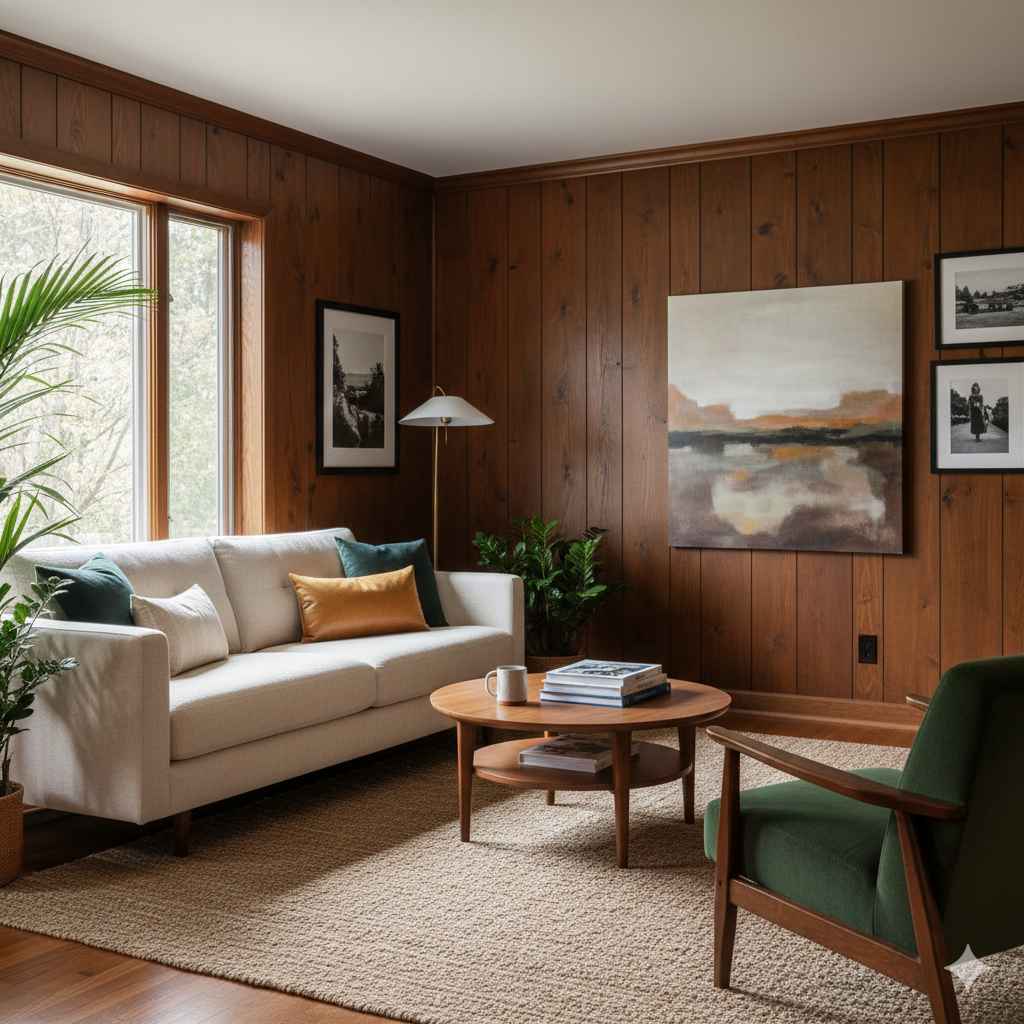
Even without altering the paneling itself, you can significantly enhance its appearance. The methods involve the use of design elements, such as color schemes, accessories, and strategic lighting. Coordinating these elements can create a cohesive and attractive space. These design strategies will help the wood paneling look its best and improve the room’s atmosphere. You can Make Wood Paneling Look Good Without Painting by adding design elements.
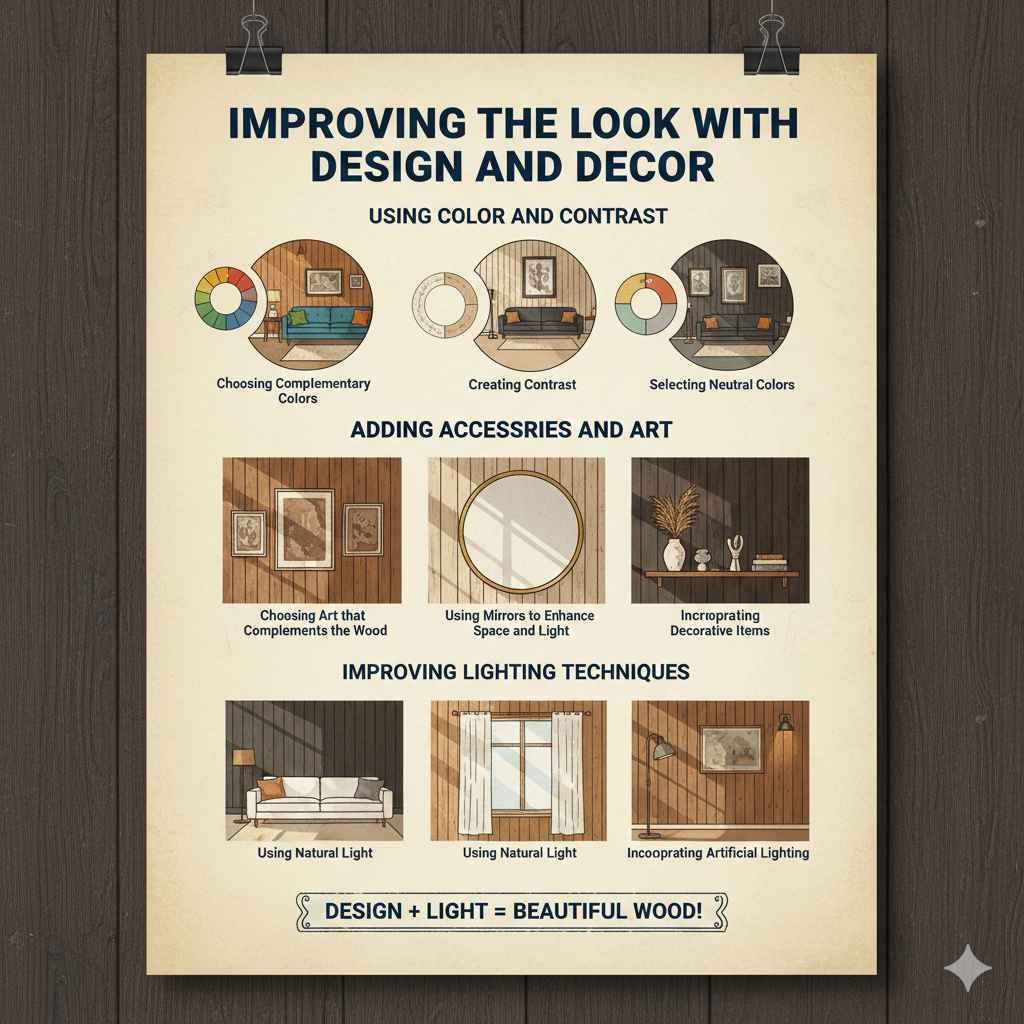
Using Color and Contrast
Color choice plays an important part in the overall aesthetic. Selecting complementary colors for your furniture and décor can make the paneling stand out. You can also use colors to create contrast, which emphasizes the character of the wood. The right color scheme creates balance. This strategy involves carefully choosing colors to suit your taste. Color adds depth, and it can significantly enhance the look of the paneling.
Choosing Complementary Colors: Use a color wheel to select colors that complement the wood tones of your paneling. For example, if your wood paneling has warm tones, cool colors like blues or greens can create a striking contrast. Consider incorporating these colors in your furniture, rugs, and artwork.
Adding complementary colors will help make the wood paneling stand out. Colors also have an effect on your mood.
Creating Contrast: Use contrasting colors to create visual interest. Dark wood paneling might be paired with light-colored furniture, while light wood paneling could be accented with darker accessories. This helps prevent the space from appearing bland.
Think about what will create the most balance and visual appeal. This will add depth to the room and help draw attention to the paneling.
Selecting Neutral Colors: If you prefer a more understated look, neutral colors are an excellent choice. Use shades of white, gray, or beige to complement the wood. Neutral tones allow the paneling’s texture and grain to take center stage.
Neutral colors can provide a calm and serene atmosphere. These colors also provide versatility, as they pair well with many other colors.
Adding Accessories and Art
Carefully selected accessories and art can drastically alter the appearance of wood paneling. Adding artwork, mirrors, and decorative items to the walls can add texture, personality, and visual interest. Choose items that harmonize with the wood paneling. Thoughtful accessory placement ensures these additions enhance the overall look. Adding these elements can help you to Make Wood Paneling Look Good Without Painting.
Choosing Art that Complements the Wood: Select artwork that complements the wood paneling. Consider the colors, textures, and styles. Art can create visual focal points. You can select art that has similar tones to the paneling, or choose pieces that create contrast.
Consider how the art will reflect and interact with the wood. The art will add a more personal touch.
Using Mirrors to Enhance Space and Light: Mirrors can amplify light and make a room feel bigger. Place mirrors strategically to reflect natural light and create a brighter space. Experiment with different shapes and sizes of mirrors to find what best suits your paneling.
Mirrors can change the feeling of a room. This can also provide a practical function.
Incorporating Decorative Items: Add decorative items such as shelves, vases, and sculptures. Display items that are in harmony with the wood’s style. Be sure to avoid clutter. Adding these elements can highlight the paneling.
Choose items that you enjoy. Decorative items can create a sense of personal style and bring individuality to the space.
Improving Lighting Techniques
Good lighting enhances any space. It can emphasize the texture of the wood paneling. The right lighting design can alter the mood. Using a combination of natural and artificial lighting helps you create an attractive and inviting atmosphere. Experiment with different types of lighting to highlight features and create depth. The right lighting is key to making wood paneling look great without painting.
Using Natural Light: Take advantage of natural light. Keep windows clear of obstructions. Let natural light brighten the room during the day. Consider the time of day and the position of the sun.
Natural light will enhance the look of the wood. Make sure your paneling receives sunlight for best results.
Incorporating Artificial Lighting: Use a mix of ambient, task, and accent lighting. Ambient lighting provides general illumination. Task lighting illuminates areas for specific activities. Accent lighting highlights features such as the wood paneling.
You should select lights based on the layout and purpose of the room. It will improve the functionality and appearance of the space.
Choosing the Right Light Bulbs: Select light bulbs that complement the wood. Warm-toned bulbs can create a cozy atmosphere. Cooler tones will create a more modern look. LED bulbs are energy-efficient.
Make certain to choose bulbs that have the correct amount of brightness. Different lighting styles create different moods.
Frequently Asked Questions
Question: Can I use household cleaners on my wood paneling?
Answer: It’s generally a bad idea to use harsh household cleaners. Mild soap and water solutions or cleaners specifically designed for wood are safer and better options for maintaining the wood’s finish.
Question: What’s the best way to deal with water stains on wood paneling?
Answer: For water stains, gently blot the area with a clean, dry cloth. If the stain is persistent, try a mixture of vinegar and water, but test it in a hidden area first to be safe.
Question: How often should I apply wood oil or polish?
Answer: How often depends on the wood type and the product. Generally, you’ll apply them every few months, or more often in high-use areas.
Question: Is it possible to change the color of wood paneling without painting?
Answer: Yes, you can use wood stain. However, make sure to test it in a small area before applying it to the entire surface.
Question: How can I make my wood paneling look modern?
Answer: Add modern accessories, use a contrasting color scheme, and use good lighting techniques. These can give your paneling a more current and fresh look.
Final Thoughts
Refurbishing wood paneling doesn’t always need paint. As we’ve seen, it’s possible to Make Wood Paneling Look Good Without Painting, simply by using the right cleaning methods, treatments, and design. Clean it well, consider oiling or polishing it to bring out its natural beauty, and then use some design tricks like lighting and accessories. These can completely change the way your paneling looks. With these methods, your wood paneling can look fresh and vibrant, without the need for paint. Try these strategies and enjoy the process. Good luck, and have fun transforming your space!