MDF Vs Solid Wood: Which is Right for Your Home?
Choosing between MDF and solid wood can feel like a daunting task, especially when you want the best for your home or office. You might find yourself asking, “Which one is right for me?”
Or “Will this choice affect the style and durability of my furniture? ” These are important questions, and getting the answers right could save you time, money, and future frustration. Imagine walking into a room that feels just right. The furniture is stylish, durable, and exactly what you envisioned.
This feeling is within your reach, and it all starts with understanding the differences between MDF and solid wood. These two materials can drastically affect the look, feel, and longevity of your furniture. By the end of this article, you’ll have the confidence to make an informed decision that enhances your space and fits your lifestyle. Stick around, because knowing the pros and cons of MDF and solid wood is your first step towards creating a space you’ll love. Let’s dive in and discover which material is the perfect match for your needs.
Material Composition
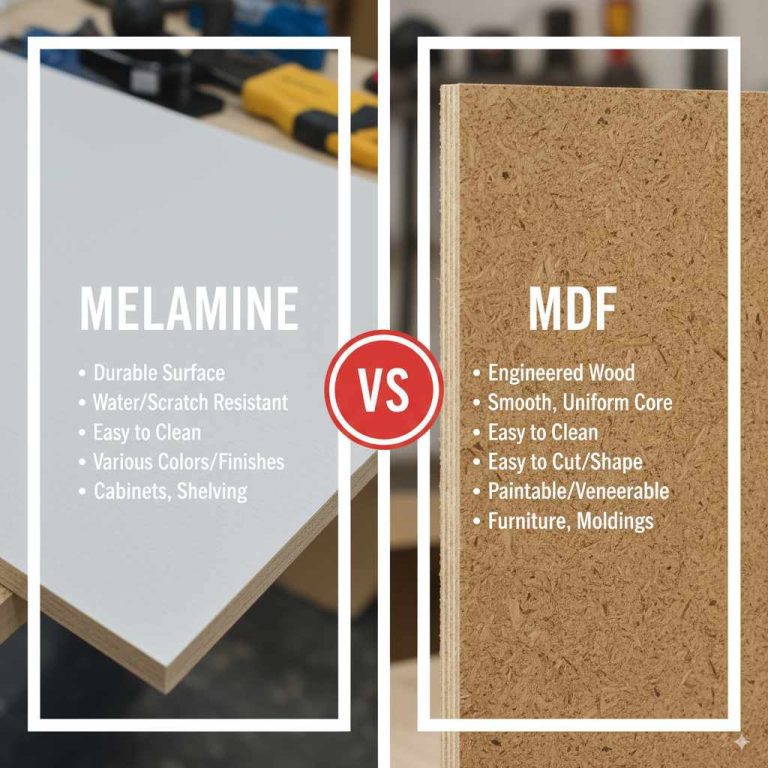
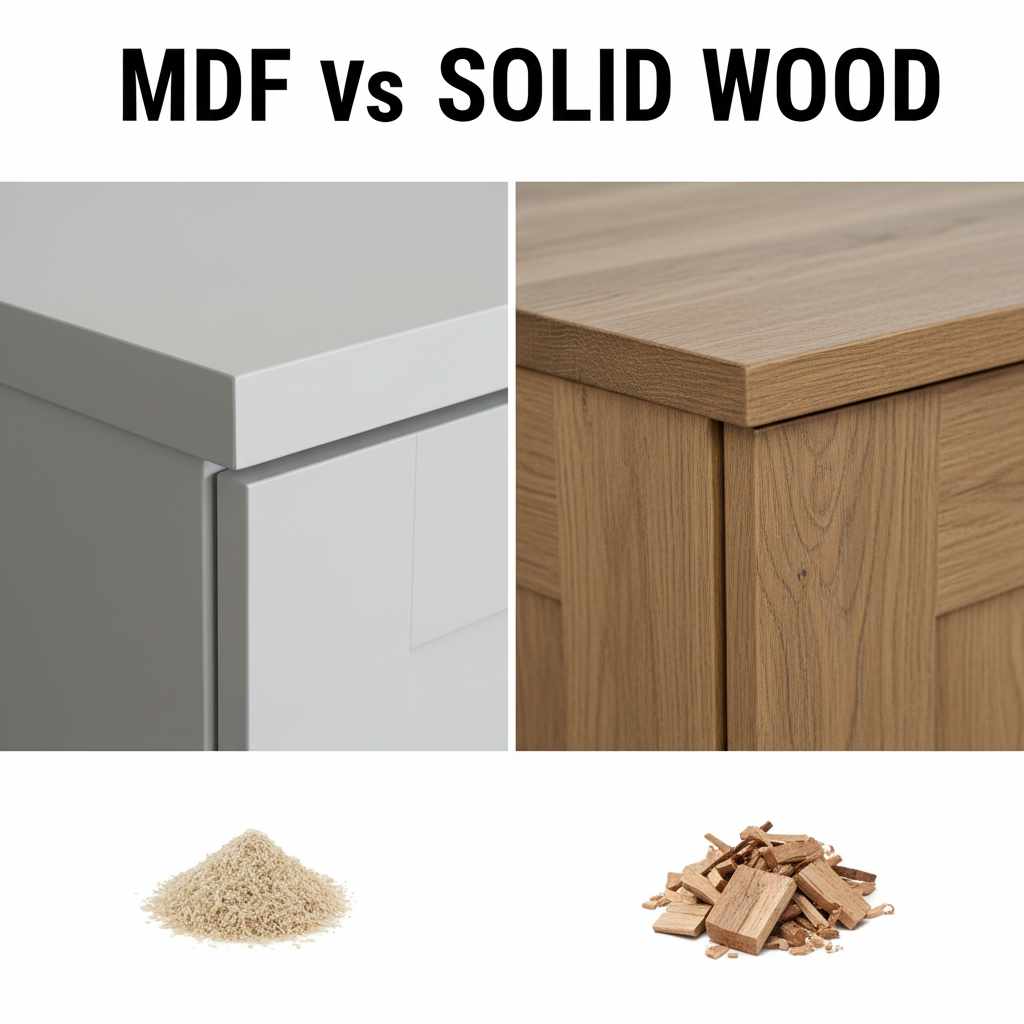
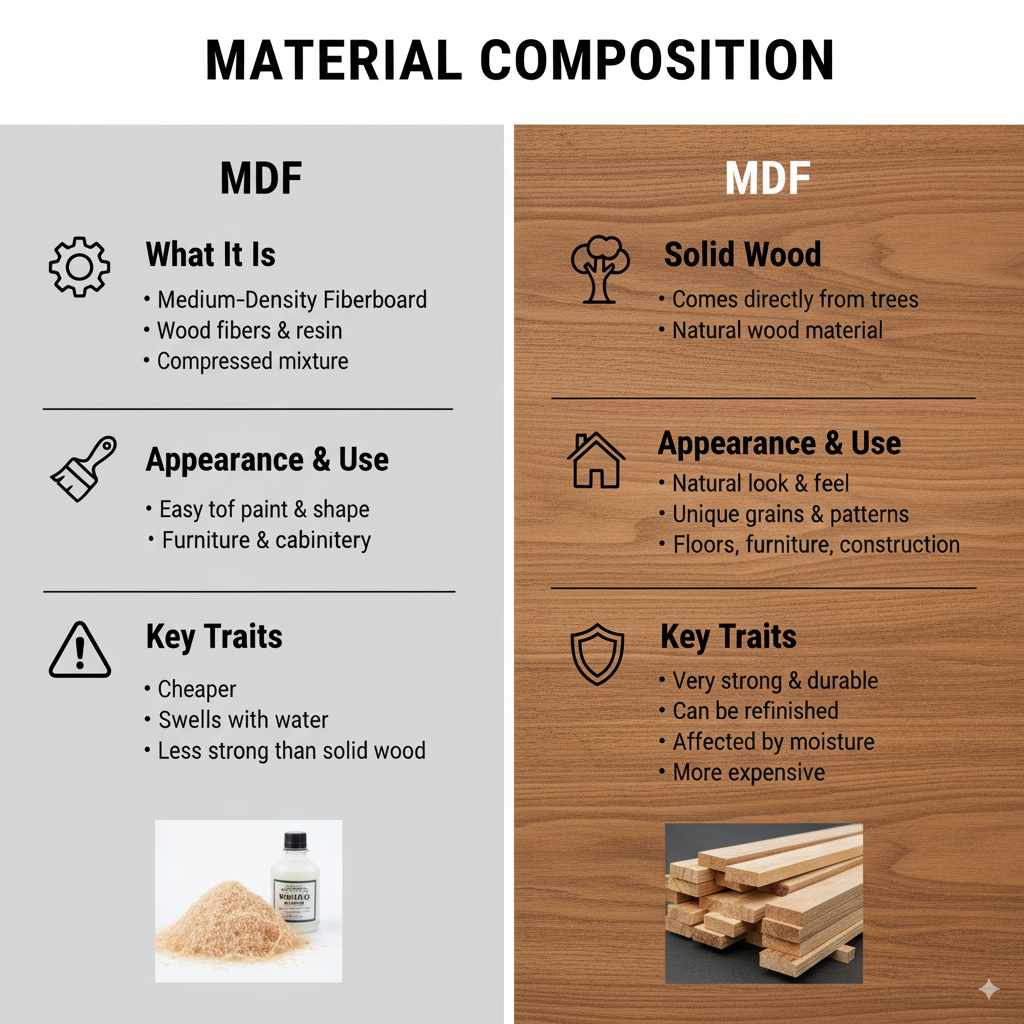
MDF stands for Medium-Density Fiberboard. It is made from wood fibers and resin. This mixture is compressed together. MDF is smooth and easy to paint. It does not have natural wood grain. It is often used in furniture and cabinetry. MDF is cheaper than solid wood. But it can swell with water. It is not as strong as solid wood. MDF is easy to cut and shape.
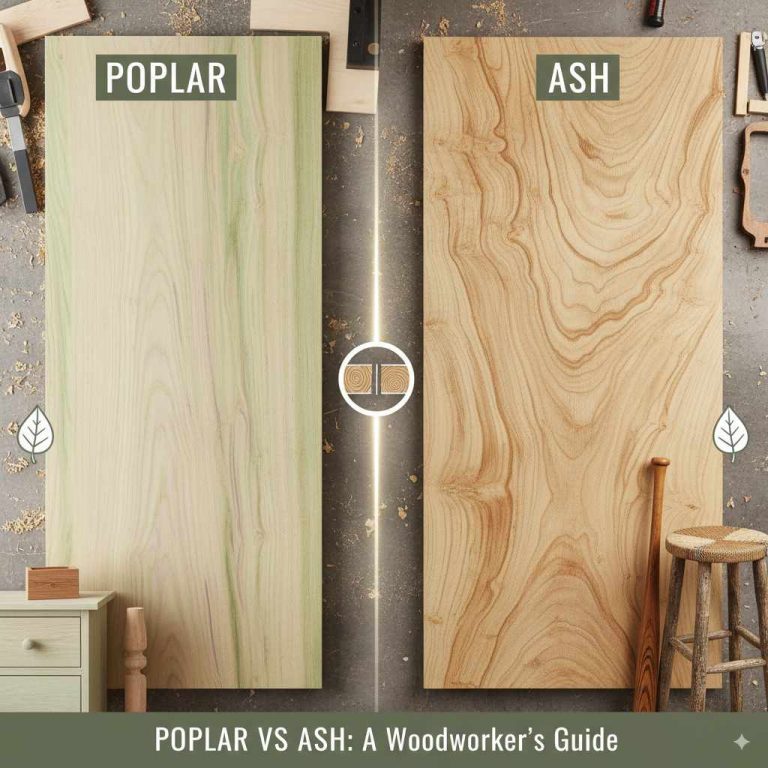
Solid wood comes from trees. It has a natural look and feel. Solid wood is very strong and durable. It can last for many years. It is used in floors, furniture, and construction. Solid wood has unique grains and patterns. It can be more expensive than MDF. It can be affected by moisture. Solid wood can be sanded and refinished. This makes it a long-lasting choice.
Durability And Longevity
MDF is made from tiny wood fibers. These fibers are pressed together. This makes MDF very smooth. It does not have knots or rings. MDF is strong but can break with heavy weight. It is good for indoor furniture. MDF can last long if kept dry.
Solid wood comes from trees. It has rings and patterns. Solid wood is very strong. It can hold heavy weight. It can last for many years. It is good for outdoor furniture. Solid wood can get scratches. But it can be sanded and fixed.
Aesthetic Appeal
MDF offers a wide range of designs. It can mimic various styles. You can create unique furniture with it. Its smooth surface allows for easy painting. Bright colors look great on MDF. Patterns can be added without much effort. Curves and intricate shapes are possible. This makes it highly versatile for home décor.
Solid wood is known for its natural beauty. Each piece has unique grains. These grains add charm and warmth. The wood feels strong and sturdy. It brings a cozy feel to spaces. You can see the knots and marks. These details make it special. Solid wood ages gracefully over time. It fits well in traditional settings.
Cost Considerations
Choosing between MDF and solid wood impacts costs. MDF is generally cheaper than solid wood. Solid wood offers durability, but at a higher price. Consider budget and desired lifespan when deciding.
Budgeting For Mdf
MDF, or Medium Density Fiberboard, is often a cost-effective choice. It usually costs less than solid wood. Many people use MDF for their furniture. It is affordable and practical. MDF can be painted easily. This makes it a great choice for colorful projects. Also, MDF is available in many sizes. This helps in reducing waste and saving money. But remember, MDF is not as strong as solid wood.
Investment In Solid Wood
Solid wood is more expensive than MDF. It can last for many years. Solid wood looks beautiful and natural. Many people love its rich texture. It can be sanded and refinished. This makes it a long-term investment. But, solid wood might need more care. It is important to keep it dry. Solid wood may warp if it gets wet. Choosing solid wood adds value to your home.
Environmental Impact
MDF is made from recycled wood fibers. This means it helps save trees. Factories use leftover wood pieces to make MDF. This reduces waste. MDF also uses less water in production. This helps save our planet’s resources. But, it contains chemicals like formaldehyde. These can be harmful to the air. So, it is important to use MDF carefully.
Solid wood comes directly from trees. It is a natural material. It is strong and can last a long time. This means less waste over time. Solid wood is biodegradable. It returns to nature easily. Harvesting trees can impact forests. It is best to choose wood from sustainable sources. Look for labels that show responsible harvesting. This helps protect our forests.
Maintenance And Care
MDF needs gentle care. Avoid water spills. Use a soft cloth for cleaning. Damp cloths can damage the surface. Keep MDF away from direct sunlight. Sunlight can cause warping. Use coasters under drinks. This prevents stains. Clean spills quickly. Spills can leave marks. Regular dusting keeps MDF looking fresh. Use mild cleaners only. Strong chemicals can harm MDF.
Solid wood needs regular polishing. Polishing keeps it shiny. Avoid placing it near heaters. Heat can dry out wood. Use a damp cloth to wipe it. Dry it immediately. Wet surfaces can swell. Dust it often. Dust can dull the finish. Use furniture wax for protection. Wax adds shine. Treat scratches gently. Use wood polish to fix them. Solid wood lasts with proper care.
Applications In Home Design
MDF is great for indoor projects. It is smooth and easy to paint. This makes it perfect for cabinet doors and shelves. MDF is also used for decorative panels. It doesn’t warp easily. It’s often chosen for furniture that doesn’t need strong support. MDF is cheaper than solid wood. This is good for budget-friendly projects. It is heavy though. Not ideal for projects that need to be moved often.
Solid wood is very strong and durable. It’s perfect for flooring and sturdy furniture. It looks beautiful and lasts a long time. Solid wood is used in tables, chairs, and bed frames. It’s great for places that need a classic look. Solid wood can be expensive. But it adds value to your home. It can be refinished many times. This keeps it looking new.
Final Decision Factors
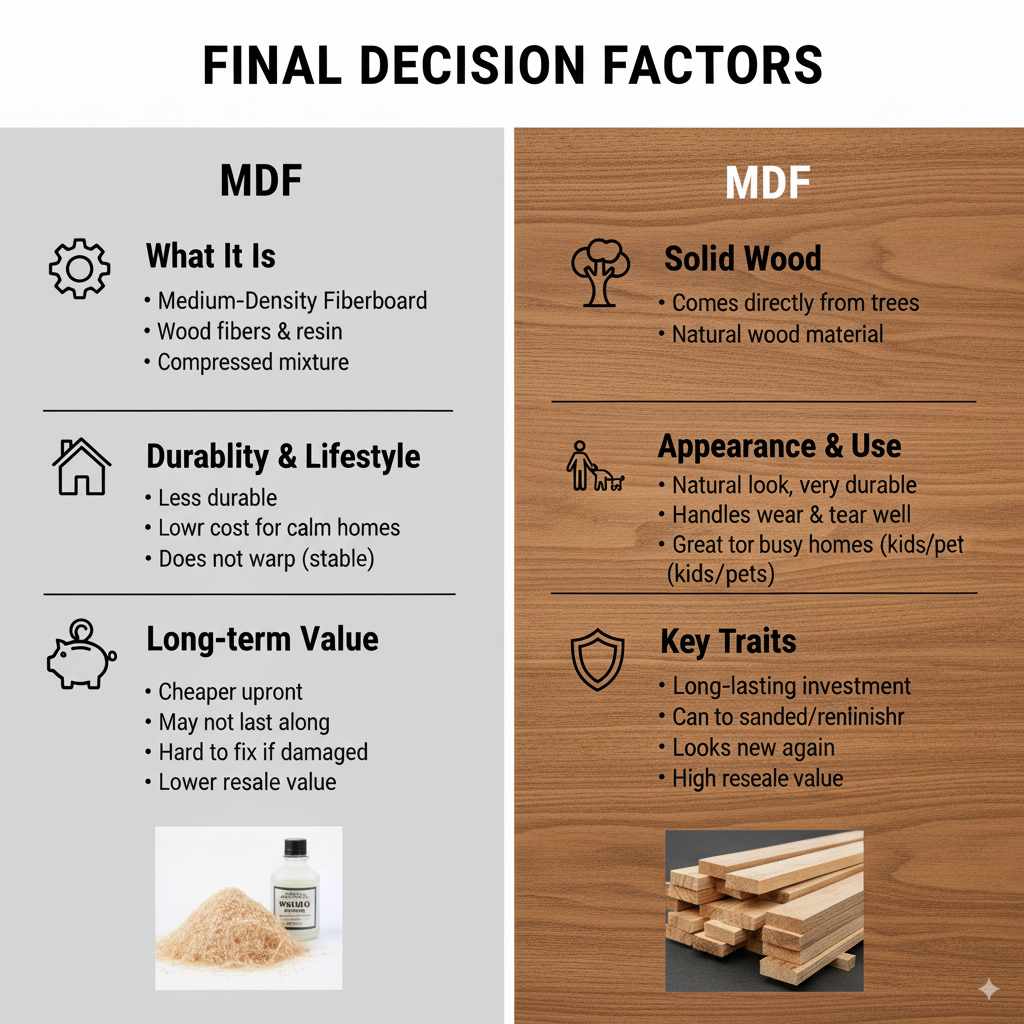
Solid wood offers a natural look that many people love. It can handle wear and tear well. It’s perfect for busy homes with kids and pets. MDF is less durable but costs less. For calm homes, MDF might work just fine. It does not warp with changes in weather. This makes MDF a stable choice for some.
Solid wood can last a very long time. It is an investment for the future. This material can be sanded and refinished. It will look new again. MDF is cheaper upfront but may not last as long. It can’t be fixed easily if damaged. For resale value, solid wood often wins. Buyers see it as a high-quality option.
Frequently Asked Questions
What Are The Disadvantages Of Mdf?
MDF is less durable than solid wood and can easily chip or crack. It swells in moisture-prone areas. This material emits formaldehyde, posing potential health risks. MDF requires more maintenance and is heavy, making it harder to move. It’s not ideal for supporting heavy loads.
Why Do People Use Mdf Instead Of Wood?
People use MDF because it’s affordable, smooth, and easy to paint. It offers consistent density and doesn’t warp. MDF is versatile for furniture and cabinetry, providing a uniform surface for detailed designs. It’s eco-friendly, made from recycled wood fibers, and is ideal for indoor projects.
Is Mdf Better Than Normal Wood?
MDF is often cheaper and easier to work with than solid wood. It offers a smooth surface for painting and is less prone to warping. Solid wood is stronger and more durable, suitable for heavy-duty applications. The choice depends on your specific needs and budget.
Does Mdf Last As Long As Wood?
MDF doesn’t last as long as solid wood. It is less durable and more susceptible to moisture damage. Wood offers greater longevity due to its natural strength. For long-term projects, wood is a better choice. MDF is ideal for short-term applications where cost is a factor.
Conclusion
Choosing between MDF and solid wood depends on your needs. MDF works well for painted projects. It offers a smooth finish. Solid wood is durable and has a natural look. It suits pieces that need strength and beauty. Budget also plays a role in your decision.
MDF is usually more affordable. Solid wood can be pricier but lasts longer. Consider where you’ll use the material. Think about the conditions it will face. Both have pros and cons. Weigh them carefully. Make an informed choice. Your project deserves the best fit.