Mortiser Vs Drill Press: Which Tool Reigns Supreme?
Are you planning your next woodworking project and feeling stuck on whether to use a mortiser or a drill press? You’re not alone.
Choosing the right tool can make all the difference in the quality and efficiency of your work. Imagine smoothly carving out precise, clean mortises with the right equipment at your fingertips. Or picture yourself struggling with messy edges and wasted time because you picked the wrong tool.
The choice between a mortiser and a drill press might seem daunting, but it doesn’t have to be. This article will guide you through the differences, benefits, and ideal applications of each tool, so you can make a confident decision and achieve the best results. Stick around to discover how you can elevate your woodworking skills and create projects that not only meet but exceed your expectations.
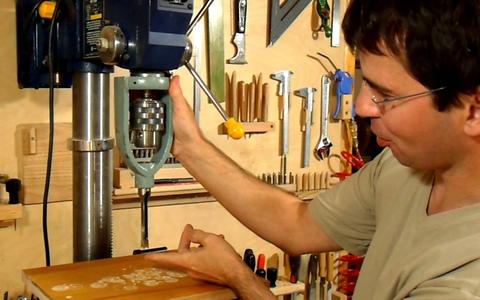
Credit: woodgears.ca
Understanding Mortisers
Mortisers are tools that make square holes. They are used for woodworking. These holes help join wood pieces. Drill presses make round holes. Mortisers make square ones. This is their main job. Many people use them to build furniture. They are also used in construction. Making square holes is their special skill.
Mortisers have several parts. The chisel is very sharp. It cuts the wood. The motor gives power. It makes the tool work. The base holds the wood steady. This helps make clean cuts. The lever moves the chisel up and down. All these parts work together. They make the mortiser do its job well.
Different types of mortisers exist. Bench mortisers are small. They sit on a table. Floor mortisers are big. They stand on the floor. Chain mortisers use a chain to cut. They are for heavy wood. Horizontal mortisers work sideways. They are good for long pieces. Each type has its own use.

Credit: www.woodcraft.com
Exploring Drill Presses
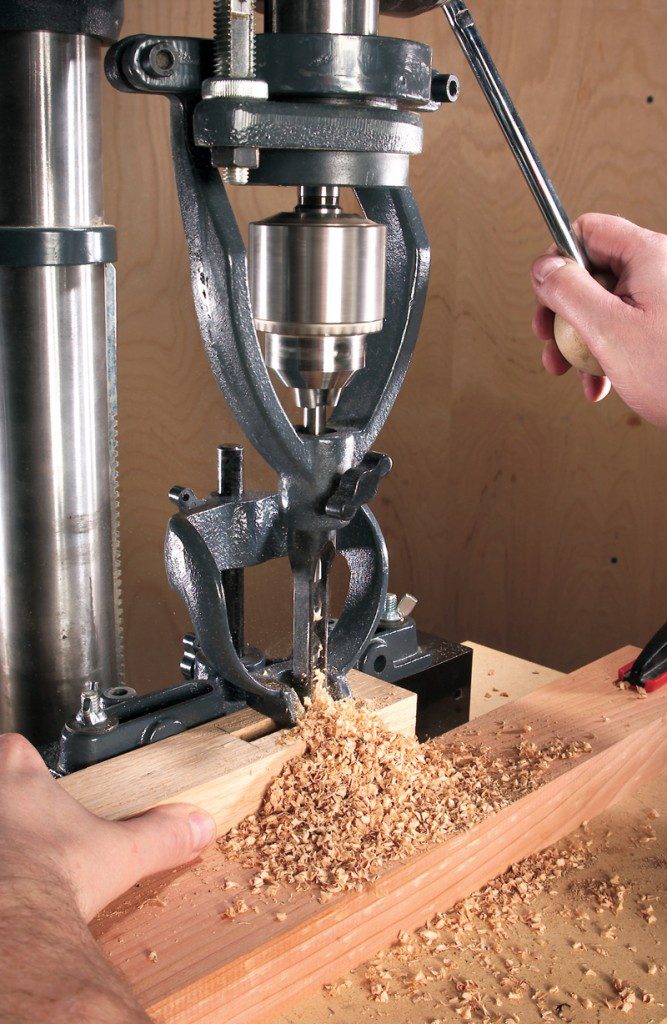
Drill presses are tools for making holes. They use a rotating drill bit. This bit moves up and down. A lever helps control the motion. Precision is a key feature. Holes are straight and exact. Work tables support materials. They adjust for angles. Drill presses work on wood and metal.
Every drill press has a motor. The motor powers the drill bit. Speed control is important. It adjusts for different tasks. Depth stop sets how deep a hole goes. Safety guards protect users. They cover moving parts. Chuck holds the drill bit tight.
Drill presses come in different types. Bench drill presses are small. They fit on tables. Floor drill presses are larger. They stand on the ground. Radial drill presses have adjustable arms. Mini drill presses are tiny. They work on small tasks.
Comparing Performance
Mortisersare very precise with square holes. They cut cleanly into wood. Drill pressesare good for round holes. They are also accurate but not for square holes. Both tools are great for specific jobs. Mortisers focus on straight lines. Drill presses offer flexibility for curves.
A drill pressworks fast for many tasks. It handles wood and metal quickly. A mortiseris slower but accurate. It is best for square holes. Efficiency depends on the task type. Choose the right tool for the job.
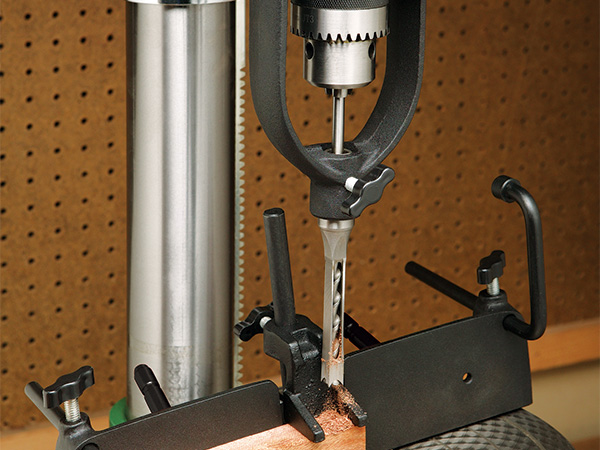
A drill pressis more versatile. It handles various materials and shapes. Mortisers are less flexible. They are specialized for mortise and tenon joints. A drill press can drill, sand, or polish. Mortisers specialize in one job.
Credit: www.woodworkersjournal.com
Ease Of Use
Both tools need careful setup. A mortiser needs a firm base. It also requires precise alignment. The drill press needs correct bit placement. Adjusting the depth is crucial. Both tools have detailed manuals. Following them is essential for safety.
Using a mortiser feels smooth. It’s designed for specific tasks. The drill press is more versatile. It can handle many materials. Both tools need practice. Safety gear is a must. Tools can be noisy. Ear protection is helpful.
Maintenance keeps tools working well. Clean after every use. Check for loose parts regularly. Mortisers need blade sharpening. Drill presses need bit checks. Lubricate moving parts often. Proper care extends tool life.
Cost Considerations
Choosing between a mortiser and a drill press involves cost considerations. Mortisers are typically more expensive due to specialized functions. Drill presses, while more affordable, may require additional attachments for similar tasks. Balancing budget with specific woodworking needs is essential for making the right choice.
Initial Investment
The initial costof a mortiser can be high. Mortisers are specialized tools. They often have a bigger price tag. Drill presses are generally cheaper. A basic drill press may cost less than a mortiser. Consider what you need before buying.
Long-term Value
Mortisers may offer better long-term valuefor woodworking. They are built for specific tasks. This can lead to better quality work. Drill presses are versatile. They can perform many tasks. This flexibility may be valuable over time. Evaluate your projects carefully.
Budget-friendly Options
There are budget-friendly choicesfor both tools. Entry-level mortisers are available. These models may lack advanced features. Drill presses have many budget options. They can be found in various sizes and power levels. Consider your budget and needs.
Ideal Applications
Mortisers make perfect, square holesin wood. They are great for woodworking. Use them for joinerytasks. Mortisers are best for making mortise and tenon joints. These joints are strong. Furniture makers love them. Mortisers are also used in cabinet making. These machines save time. They make precise cuts.
Drill presses are very versatile. They can drill holesin many materials. Wood, metal, and plastic are common. Drill presses are used in metalworking. They help in making precise holes. These machines are useful in craft projects. They are great for home repairstoo. Drill presses are easy to use. They are safe for beginners.
Expert Recommendations
Professionals share important tips for choosing between a mortiser and a drill press. A mortiser is best for square holes and woodworking projects. It offers precision and clean cuts. On the other hand, a drill press excels at drilling round holes. It is versatile and handles many materials. Understand your project’s needs for the right tool.
Users praise the mortiser for its accuracy. It’s perfect for detailed work. The drill press is loved for its ease of use and speed. Many find it handy for home projects. Both tools have unique advantages. Choose based on the task at hand.
Frequently Asked Questions
Can A Drill Press Be Used As A Mortiser?
Yes, a drill press can be used as a mortiser with the right attachments. Installing a mortising attachment allows it to cut square holes. This setup is less efficient than a dedicated mortiser, but it offers a versatile solution for small woodworking projects.
Can A Drill Press Be Used For Milling?
A drill press is not ideal for milling tasks. It lacks the rigidity and precision of a milling machine. Using it for milling can cause damage and compromise safety. It’s best to use equipment specifically designed for milling to ensure accuracy and safety.
What Is A Mortiser Used For?
A mortiser creates square or rectangular holes in wood, essential for making mortise and tenon joints. This tool increases precision and efficiency in woodworking projects. Ideal for furniture making and joinery, it ensures strong, durable connections between wooden pieces.
Can You Make A Mortise With A Drill?
Yes, you can make a mortise with a drill. Use a drill to create overlapping holes. Then, clean up the edges with a chisel for precision. This method is efficient for DIY projects and small tasks. Ensure to use the correct drill bit size for best results.
Conclusion
Choosing between a mortiser and a drill press depends on your needs. Mortisers are great for making clean, precise square holes. Drill presses are versatile and handle various tasks. Consider the projects you plan to tackle. Think about the materials and frequency of use.
Both tools have unique strengths. Decide based on your specific requirements. Budget and workspace also play a role. Evaluate these factors carefully. The right tool will enhance your woodworking experience. Happy crafting!