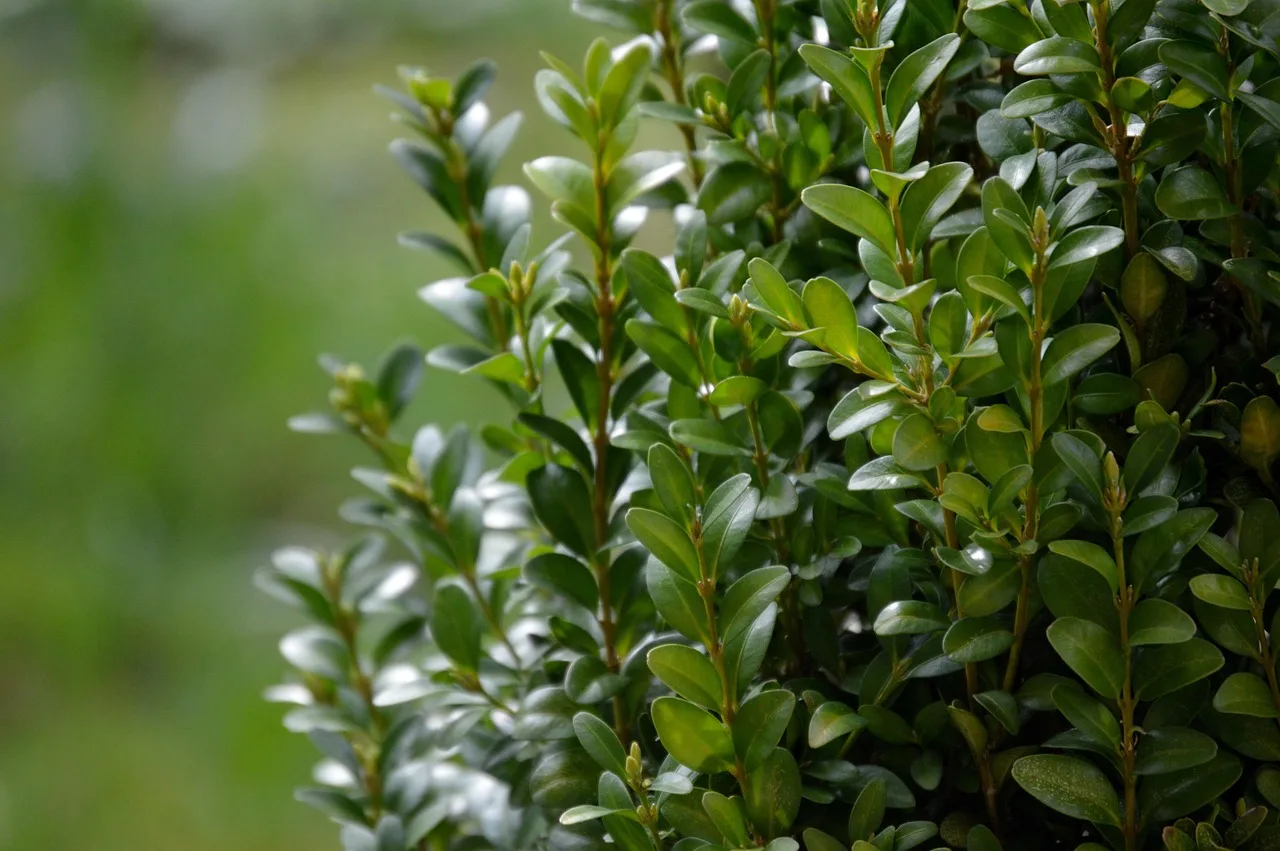
Faux Boxwood Fillers: Choose the Right Style for You
Choose faux boxwood fillers by use: loose stems for planters, panels for walls and privacy screens, and shaped pieces for shelves or tabletops; match UV rating and depth to the space. Pick the wrong format and you get gaps, sagging, or a fake-looking install that fails fast outdoors. This guide shows how to pick the right filler, measure it, install it, and keep it looking clean.
What are faux boxwood fillers used for?


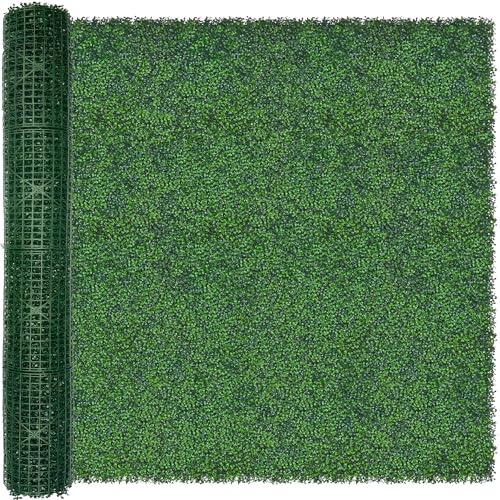

Faux boxwood fillers are artificial greenery used for decoration and landscaping. They give you a natural-looking green finish without watering, sunlight, or pruning. I use them for home decor, weddings, and events when I want green coverage without ongoing care.
Planters, vases, and shelf accents
Loose filler pieces work best when the goal is to fill an opening or soften a container edge. They fit decorative bowls or shelves indoors, and they are a fast fix for a planter that looks thin from normal viewing distance.
Wall decor and indoor focal points
Faux boxwood wall panels are made for larger flat surfaces. They add green coverage fast, and they are simple to install and keep clean. Use them where you want a wall to read as a green backdrop from across the room.
Patios, balconies, and privacy screening
Hedge-style fillers are the better choice when the job is coverage, not just decoration. Faux hedge fillers are weather-resistant and durable, and they can create patio privacy screens when secured correctly. They are the format to use when wind and sun matter as much as looks.
Which faux boxwood format fits your space?
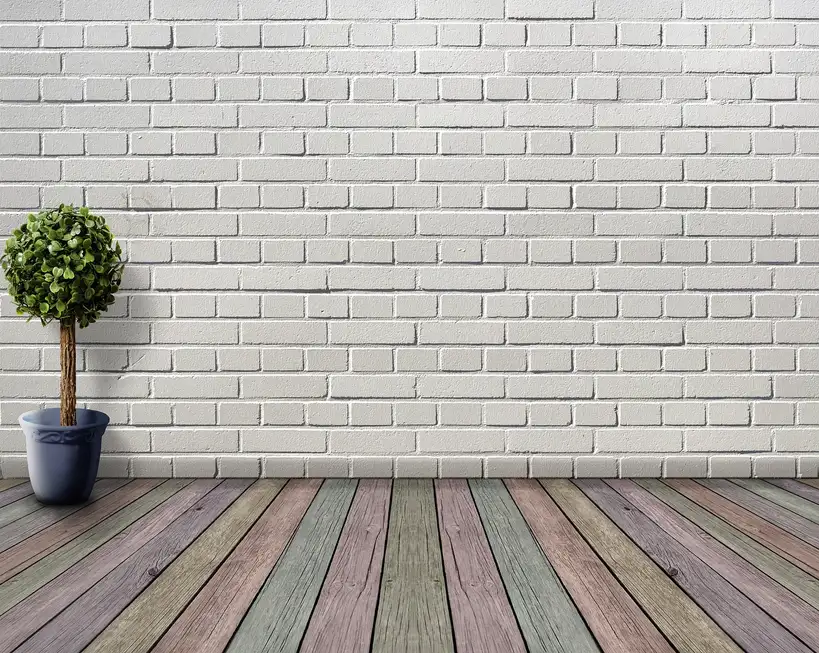
The right format depends on the surface, the viewing distance, and how much movement the install will face. Wall panels suit broad coverage, hedge fillers suit gaps and screening, topiary forms fit as shaped accents, and hanging or insert styles work best in small spots where a full panel would look oversized.
Wall panels for flat coverage
Pick panels when you need a uniform green surface. They work well for accent walls, photo backdrops, and indoor feature areas. Because wall panels are suitable for indoor and outdoor spaces, they are a strong option when you want one material for more than one setting.
Hedge fillers for gaps and screening
Choose hedge fillers when you need to block sightlines, fill fence sections, or patch uneven edges. Their job is coverage across an open run, so they should be selected for density, fastening strength, and weather resistance rather than for a highly sculpted shape.
Topiary forms for a shaped accent
Topiary art forms bring elegance to any setting. They fit best as focal-point decor in a pot or garden bed, where their shape can be seen from several angles. They require no watering or trimming, so they stay tidy in places that would otherwise need regular pruning.
Hanging or insert styles for small spots
Small balconies, tabletops, and narrow shelves call for compact inserts or hanging pieces. These formats give a finished look without taking over the space. They are also easier to move for renters or event decorators who need temporary decor.
How do you choose one that looks real from a normal viewing distance?
Realism depends less on the label and more on what the piece looks like from the distance people will actually see it. Leaf shape, density, color tone, sheen, and backing detail matter most. A filler can look convincing from a short distance away and still fail up close if the plastic is shiny or the face is too flat.
Leaf shape, density, and edge variation
Look for leaf clusters that are not perfectly uniform. Slight variation in edge shape and spacing helps the surface read as living foliage instead of stamped plastic. Dense coverage matters too, because gaps expose the backing and reduce the sense of depth.
Color tone and sheen
Cheap pieces often look too bright or too glossy. That shine catches light in a way real boxwood does not. A better filler usually mixes muted greens with a softer finish, so it reads more naturally from a sidewalk or across a room.
Backing, stem detail, and face depth
The face should not sit like a flat green mat. Look for layered stems and enough depth to cast small shadows. That small amount of shadow is one of the easiest ways to make artificial greenery feel believable at a normal viewing distance.
What should outdoor buyers check before ordering?
Outdoor buyers should check UV resistance, wind exposure, and the way the piece will be mounted. Sun exposure affects color retention, while loose fastening leads to sagging or blown-off sections. Heat, drainage, and weather tolerance matter too, especially on balconies, patios, and fence runs.
UV resistance and fade risk
Do faux boxwood fillers fade in sunlight? They can, especially if the piece is not built for outdoor use. UV resistance helps with outdoor color retention and slows fading, but no filler is immune forever. Direct sun on a sunny wall is harder on color than a shaded patio corner.
Wind exposure and attachment strength
Wind is where many installs fail. Lightweight panels and loose stems need strong adhesive or wire attachment to stay put. If the location gets gusts, choose a format that can be tied, wired, or fastened at multiple points instead of relying on a single anchor.
Drainage, heat, and weather tolerance
For planters and outdoor pots, make sure the insert does not block drainage or trap water at the base. Heat can also make weak plastics feel brittle over time. Faux hedge fillers are the safer outdoor choice when the space sees regular rain, wind, and sun.
Can faux boxwood fillers work in planters and wall installs?
Yes, but the mounting method should match the job. Planters need the right insert depth so the piece does not wobble. Wall installs need secure attachment with adhesive, wire, or fasteners. Renters and event setups should favor removable methods that hold well but leave less damage behind.
Planter sizing and insertion depth
Can faux boxwood fillers be used in planters? Yes, especially when the planter is too large for a real plant or when a permanent-care look is the goal. The filler should sit deep enough to stay upright, and the visible top should be proportionate to the container.
Wall mounting with adhesive, wire, or fasteners
How do you install faux boxwood fillers on a wall? Start by checking the backing, then use strong adhesive or wire for secure mounting. For heavier panels, add fasteners at more than one point if needed for support. The goal is a flat, even face that does not bow or peel at the corners.
Renters, temporary installs, and event setups
Temporary jobs do best with lighter modules and removable fixings. Event decorators often need pieces that come down cleanly after one use, while renters usually want minimal wall damage. For both, panel size and mounting style should be chosen before the greenery is chosen.
Use the buyer’s decision matrix before you order

This matrix helps match the faux boxwood type to the job. It compares use case, mounting method, sunlight exposure, maintenance level, realism cues, and value. That keeps buyers from overpaying for the wrong format or choosing a look that fails at the actual viewing distance.
| Use case | Best format | Mounting method | Sun exposure | Maintenance level | Realism cue to check | Simple recommendation |
|---|---|---|---|---|---|---|
| Planter on a porch | Loose stems or insert | Placed deep in the pot | Low to medium | Low | Layered face depth | Choose a dense insert with soft sheen |
| Living room shelf | Small topiary form | Free-standing | Low | Very low | Natural stem variation | Pick a shaped piece with balanced proportions |
| Accent wall | Wall panels | Adhesive or fasteners | Low to medium | Low | Panel seams that blend | Use panels with good edge coverage |
| Patio privacy screen | Hedge fillers | Wire or strong adhesive | High | Low to medium | Dense coverage with UV resistance | Choose weather-resistant filler with secure mounting |
| Wedding backdrop | Wall panels | Temporary fasteners | Low to medium | Low | Even color and minimal shine | Use panels that read cleanly from across the room |
| Small balcony rail | Hanging or insert style | Wire ties or brackets | Medium to high | Low | Thick face and sturdy backing | Pick compact pieces that resist wind lift |
Value comparison by area covered
Wall panels often give broad coverage per piece when the goal is to cover a large surface. Hedge fillers are better when the project is long, narrow, or exposed. Topiary forms cost more per visual impact because they are meant as accents, not background coverage.
Common failure points to avoid
Cheap plastic shine is often easy to spot. So is shedding, thin coverage, and a loose mount that sags after the first hot day. If the piece looks good only in the box, it probably will not look right on the wall or in direct sun.
How do you clean and care for faux boxwood fillers?
How do you clean faux boxwood fillers? Use a soft damp cloth for dust, then switch to a mild soap solution when grime builds up. Avoid harsh chemicals, and store pieces in a cool, dry place when they are out of season. That keeps the color and backing in better shape.
Dusting and wipe-down method
For regular care, dust the surface first so debris does not smear. Then wipe lightly with a damp cloth. The goal is to remove buildup without flattening the leaves or pulling at glued sections.
Mild soap cleaning
For sticky dirt or outdoor residue, use a mild soap solution and a soft cloth. Rinse only if the product allows it, and dry the piece fully before mounting again. Harsh cleaners can leave the surface dull or brittle over time.
Storage in a cool, dry place
Store unused fillers out of direct sun, away from heat, and in a cool, dry place. That reduces fading and helps keep stems from warping. Flatten panels carefully so the face does not crease.
Frequently asked questions
What are faux boxwood fillers used for?
They are used for decoration and landscaping in planters, wall decor, tabletops, and privacy screening. Faux boxwood fillers give you a natural-looking green finish without the upkeep of real plants. They are also common for home decor, weddings, and events where fast setup matters more than ongoing care.
Are faux boxwood fillers good for outdoor use?
Yes, but only when the product is meant for outdoor exposure and the mount is secure. Faux hedge fillers are weather-resistant and durable, while wall panels are suitable for indoor and outdoor spaces. In strong sun or wind, UV resistance and fastening quality matter more than the style name.
How do I choose realistic faux boxwood fillers?
Start with the viewing distance. From across a room, look for density, soft sheen, and layered depth. From close range, inspect leaf shape, color tone, and backing detail. The best pieces avoid flat, shiny surfaces and use small variations that keep the eye from spotting a pattern too fast.
How do you install faux boxwood fillers on a wall?
Use a method that matches the weight and backing of the product. Strong adhesive works for lighter pieces, while wire or fasteners are better for heavier panels or windy locations. The goal is even contact across the back so corners do not lift over time.
Can faux boxwood fillers be used in planters?
Yes. Loose stems and insert styles are common in planters because they can be set at the right depth and adjusted to fit the container. For the best result, match the filler size to the pot opening and keep the visible top proportionate to the planter height.
Do faux boxwood fillers fade in sunlight?
They can fade, especially in direct sun if UV resistance is limited. Outdoor use calls for products designed to handle sun exposure, and even then, some color shift can happen over time. Shaded balconies and covered patios tend to be easier on finish and color.
Sponsored / affiliate links. As an Amazon Associate I earn from qualifying purchases. I may earn additional commission from eligible campaigns.