Oil Based Stain Versus Water Based: Choosing the Best Option
Are you about to tackle a woodworking project or revamp your home furniture? The choice between oil-based and water-based stains is crucial, yet it often leaves many scratching their heads.
Perhaps you’ve heard debates about which one provides better durability, richer color, or faster drying times. But what does that mean for you and your project? This decision impacts not just the final look of your creation, but also how it stands the test of time and environmental factors.
By the end of this article, you’ll know which stain aligns with your needs, helping you achieve that perfect finish. Dive in, and let’s unravel the mysteries of oil-based versus water-based stains together. Your masterpiece awaits.
Oil Based Stain Characteristics
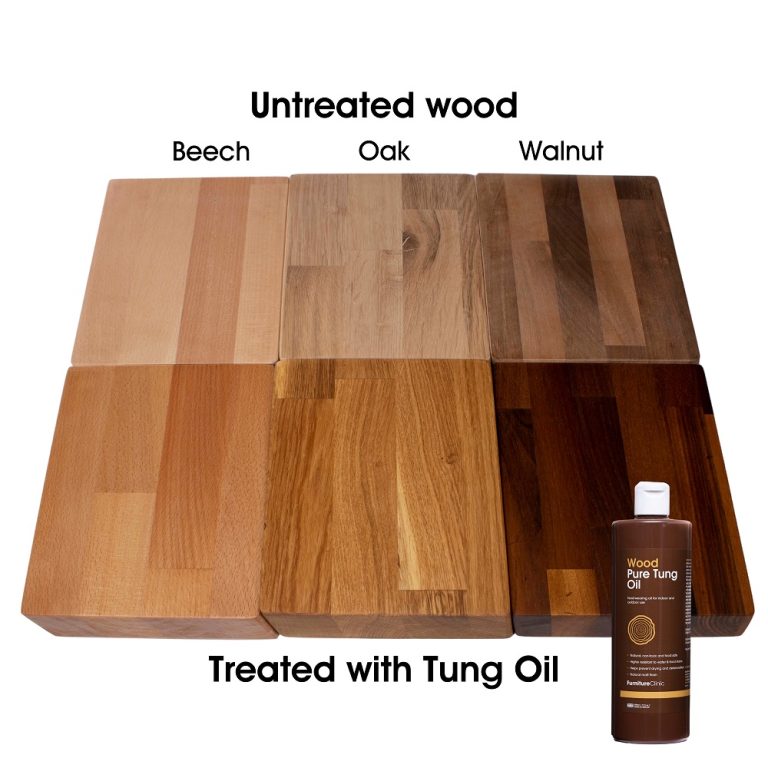
Oil based stainscontain oils and solvents. These help in easy application. They penetrate wood deeply. This gives a rich finish. Ingredients include linseed oil or tung oil. These ingredients enhance wood’s natural beauty. The stains often have strong odors.
These stains last long. They are highly durable. They protect wood from water. Also, they resist sun damage. Oil based stainsare good for outdoor use. They ensure protection for years. Maintenance is less frequent.
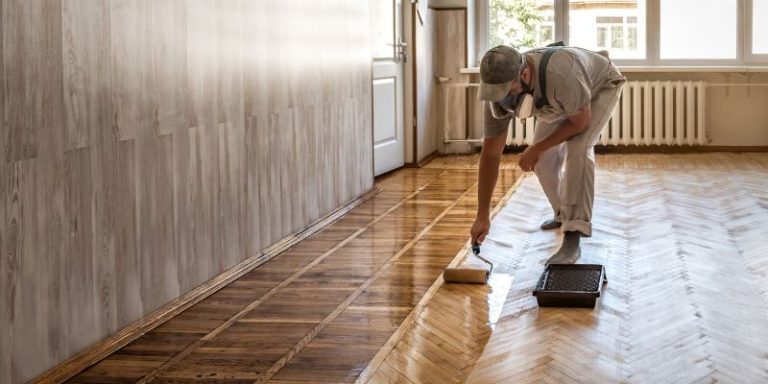
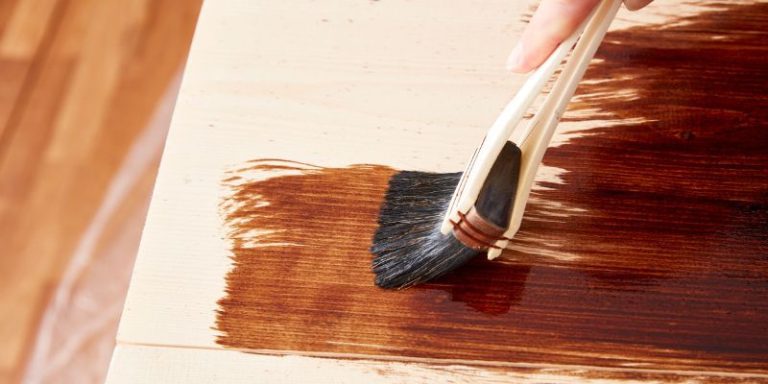
Application is easy with these stains. Use a brush or roller. They take longer to dry. It may take a day or more. Patience is needed. The slow drying allows better penetration.
These stains offer rich colors. Many options are available. From light to dark shades. The finish is glossy or matte. Oil based stainsbring out wood’s grain. The result is a beautiful look.
Water Based Stain Characteristics
Water-based stains use wateras the main solvent. They have fewer chemicalscompared to oil-based stains. These stains are safe and eco-friendly. They contain pigmentsand resins that create color.
Water-based stains are less durable. They may need more frequent reapplication. They resist yellowingover time. Not as strong in extreme weather.
Easy to apply with brushor roller. Quickdrying time. Usually dries in one hour. Less waiting time for next coat. Ideal for fast projects.
Wide range of coloroptions. Can be mixed for custom shades. Finish is often matteor satin. Gives a naturallook to wood. Does not cover wood grain.
Environmental Impact
Oil-based stainsoften contain higher levels of Volatile Organic Compounds (VOCs). These compounds can harm the air quality. VOCscan also affect health. Breathing them can cause headaches or dizziness. Water-based stainshave fewer VOCs. They are generally safer for the environment. People often choose water-based stains for indoor projects.
Many people seek eco-friendly alternativesto oil-based stains. Some brands offer stains with low VOCs. These are better for both health and the planet. Choosing a water-based staincan reduce pollution. It can be a wise choice for families. Consider using natural oil stains. They are made from renewable resources. They offer a safer choice for nature.

Credit: www.sand-stain.com
Ease Of Use And Cleanup
Oil based stains need more tools. Brushes or rollers are a must. You may also need a special cleaner for brushes. Water based stains are simpler. Regular brushes or rollers work well. Cleaning with just soap and water is enough.
Cleaning oil-based stains takes longer. Solvents are needed to remove the stain. It can be messy and smelly. Water based stains are easier. Soap and water can clean them. No strong chemicals needed. It is quick and simple.
Cost Comparison
Oil-based stains usually have a higher initial cost. They are often more expensive to buy. Water-based stains are generally cheaper. This makes them a popular choice for many people. The savings can add up quickly. Always check the prices before buying. Your budget will thank you.
Oil-based stains may need more maintenance over time. They can last long but need care. Water-based stains are easier to maintain. They are less likely to crack or peel. This can save money in the long run. Consider what you can afford over time. Think about how much work you want to do.

Credit: www.wikihow.com
Suitability For Different Projects
Oil based stains are great for outdoor projects. They resist weather conditionsbetter than water based stains. Water based stains dry faster, which is good for indoor use. They have fewer odors. Choose oil based for deckingor fences. Water based is ideal for furnitureor cabinets.
Oil stains work well on hardwood. They penetrate deeply, enhancing rich wood textures. Water based stains suit softwood. They highlight the natural grain. Use oil for oakor walnut. Water stains are better for pineor cedar. Consider wood condition too. Oil stains are perfect for aged or damaged wood. Water stains are better for new and smooth wood.
Expert Recommendations
Professionals often prefer oil-based stainsbetter durability and deeper color. Oil-based stains are suitable for outdoor projectswhere weather resistance is important. These stains also offer a smoother finish, which many experts appreciate.
DIY enthusiasts sometimes choose water-based stains. They find them easy to cleanup after use. Water-based stains are known for their quick drying time, allowing projects to finish faster. Many DIY lovers like the low odorof water-based stains, making them pleasant to use indoors. They also appreciate that these stains are often environmentally friendly.

Credit: rippnfinish.com
Frequently Asked Questions
Which Is Better, Oil Stain Or Water-based Stain?
Oil stains offer deeper penetration and rich color. Water-based stains dry faster and have less odor. Choose oil for durability and water-based for eco-friendliness.
What Type Of Stain Is Best For Interior Wood?
Oil-based stains are best for interior wood. They offer a rich finish and deep penetration. Water-based stains dry quickly and are eco-friendly, suitable for lighter colors. Gel stains work well on vertical surfaces. Choose based on the wood type and desired finish.
Can You Go Over A Water-based Stain With An Oil-based Stain?
You cannot apply an oil-based stain directly over a water-based stain. The surface must be cleaned and sanded first. Proper preparation ensures better adhesion and finish quality. Always test a small area to see if the desired effect is achieved before proceeding with the entire project.
Is Water-based Stain Harder To Apply Evenly Than Oil?
Water-based stain can be harder to apply evenly than oil-based stain. It dries quickly, requiring fast application. Ensure proper surface preparation and use a brush or pad for best results. Oil-based stains penetrate deeply, offering more forgiving application, especially for beginners.
Always follow manufacturer instructions for optimal outcomes.
Conclusion
Choosing between oil-based and water-based stains depends on your needs. Oil-based stains offer rich colors and durability. They are great for outdoor use. Water-based stains dry quickly and are easy to clean. They are ideal for indoor projects. Both have their benefits and drawbacks.
Consider your project, environment, and personal preference. Evaluate drying time, cleanup, and finish. Making an informed choice ensures satisfaction with your wood finish. Enjoy the process and the results. Your project will look great with the right stain choice.