Oil Vs Water Based Spar Urethane: Ultimate Comparison Guide
Imagine you’re standing in the aisle of a hardware store, staring at shelves filled with cans of spar urethane. You know you need to protect your wood surfaces, but the choices seem overwhelming.
You spot two main contenders: oil-based and water-based spar urethane. Which one should you choose? Your decision could mean the difference between a long-lasting, beautiful finish and a surface that might not meet your expectations. It’s not just about picking a product; it’s about choosing the right protection that suits your needs and matches your lifestyle.
Dive into this article to uncover the secrets behind these two types of spar urethane, and discover which one is truly the best for your projects. Don’t leave it to chance; let us guide you to make the perfect choice.
Basics Of Spar Urethane
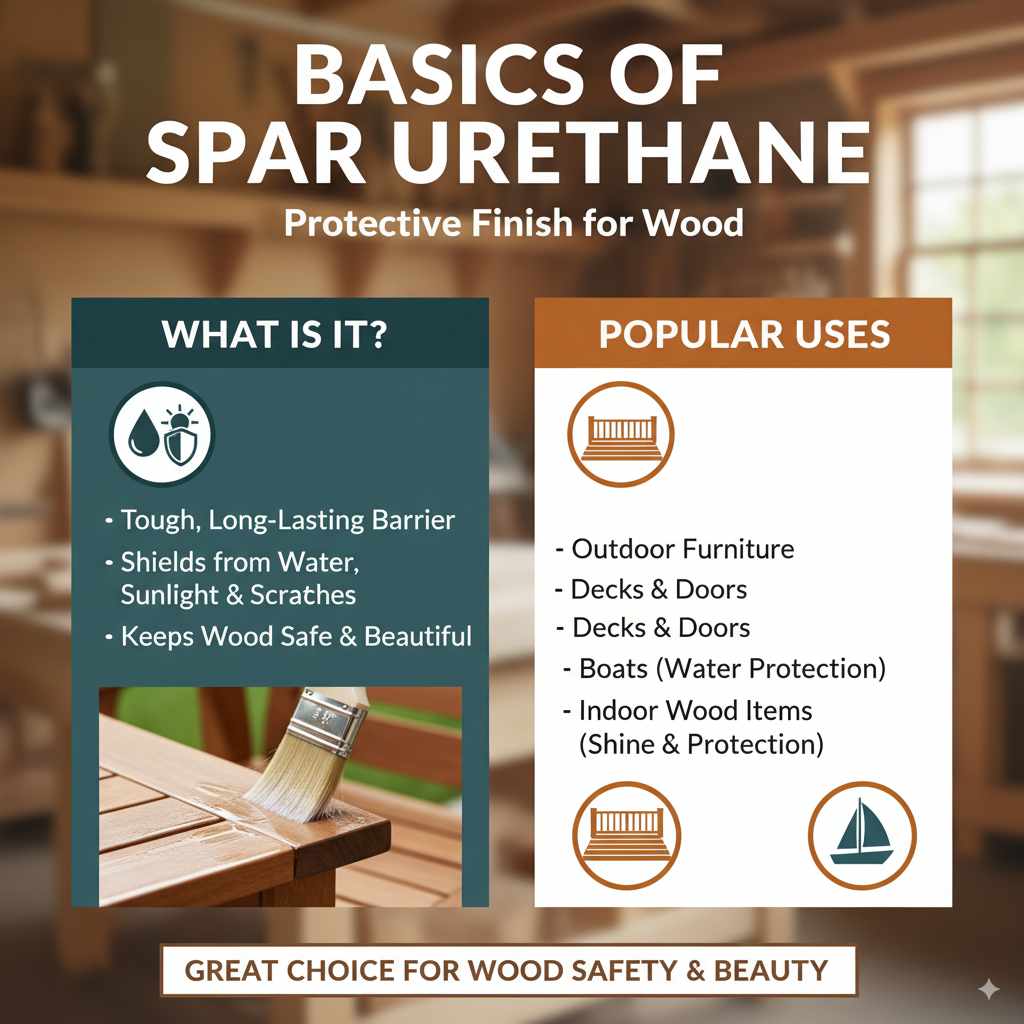
Spar urethane is a protective finish for wood. It helps shield wood from water, sunlight, and scratches. This finish is tough and long-lasting. It keeps wood looking great. People use it on outdoor furniture and boats. Water and sun can damage wood. Spar urethane creates a strong barrier. This keeps wood safe and beautiful.
Many people choose spar urethane for outdoor projects. It works well on decks and doors. Boats often have spar urethane on them. This protects the wood from water. Patio furniture also benefits from it. Indoor wood items can use it too. It adds shine and protection. Spar urethane is a great choice for wood safety.
Oil-based Spar Urethane
Oil-based spar urethane is known for its durability. It creates a strong protective layer. This layer resists water, sunlight, and scratches. The finish is rich and warm. It enhances the natural beauty of wood. Oil-based spar urethane is ideal for outdoor furniture and marine applications. It provides long-lasting protection in harsh environments.
Apply with a brush or roller. Use thin coats for best results. Allow ample drying time between coats. Ensure the surface is clean and smooth before applying. Sand lightly between coats for a smooth finish. Follow safety guidelines while using. Ventilate the area well.
Perfect for patio furniture. Protects wooden decks from weather. Use on boats for water resistance. Excellent for doors and window frames. Ideal for wooden sculptures exposed to elements. Provides UV protection to outdoor wood.
Water-based Spar Urethane
Water-based spar urethane is clear and dries fast. It has low odor. It is suitable for indoor use. Easy cleanup with soap and water. Offers good scratch resistance. It is less yellowing than oil-based urethane. Provides a smooth finish. It is environmentally friendly. Non-toxic and safe for families.
Use a brush or roller for application. Spray method is also possible. Thin coats work best. Allow each coat to dry well. Light sanding between coats ensures a smooth finish. Avoid application in humid conditions. Ventilation is important during application.
Great for indoor furniture. Suitable for cabinets and trim. Perfect for light wood surfaces. Ideal for children’s furniture. Works well in kitchens and bathrooms. Suitable for crafts and small projects. Not recommended for outdoor use. Avoid using on dark woods.
Durability And Protection
Oil-based spar urethaneforms a tough shield. It fights off rain and sun. This makes it great for outdoor use. The finish is glossy and smooth. Water-based spar urethanealso protects. But it is less powerful against harsh weather. It dries clear and fast. It is often used indoors. Both types help wood last longer. Yet, oil-based offers more protection.
Oil-based spar urethane lasts many years. It needs fewer touch-ups. This means less work over time. Water-based urethane is easier to apply. But it may need re-coating sooner. The choice depends on needs. For outdoor projects, oil-based is best. Indoors, water-based works well. Both help wood look nice for a long time.
Aesthetic Differences
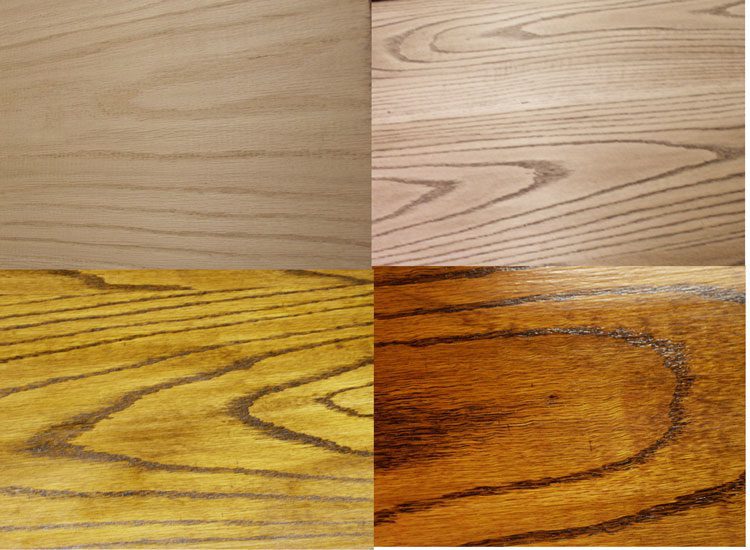
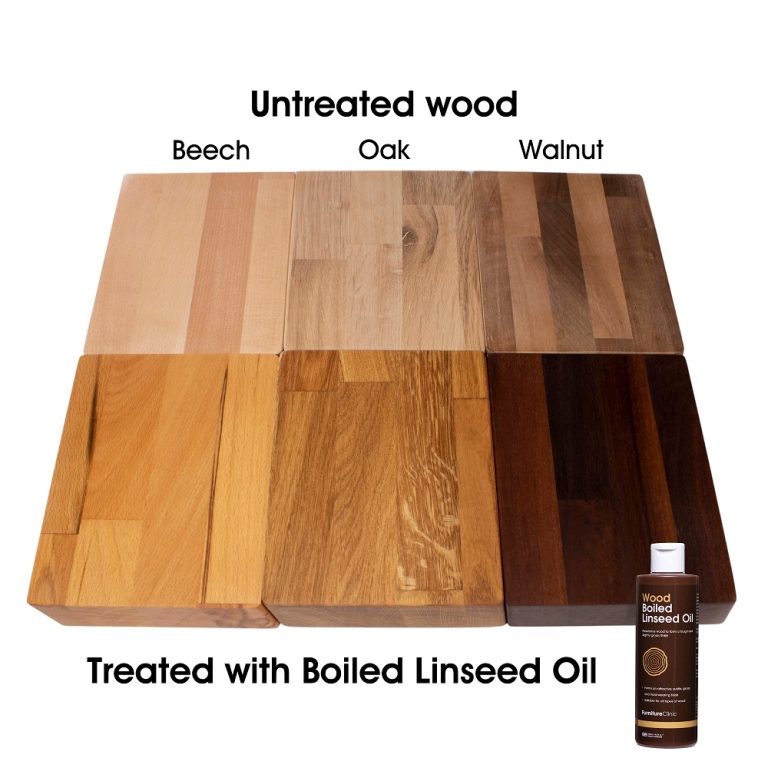
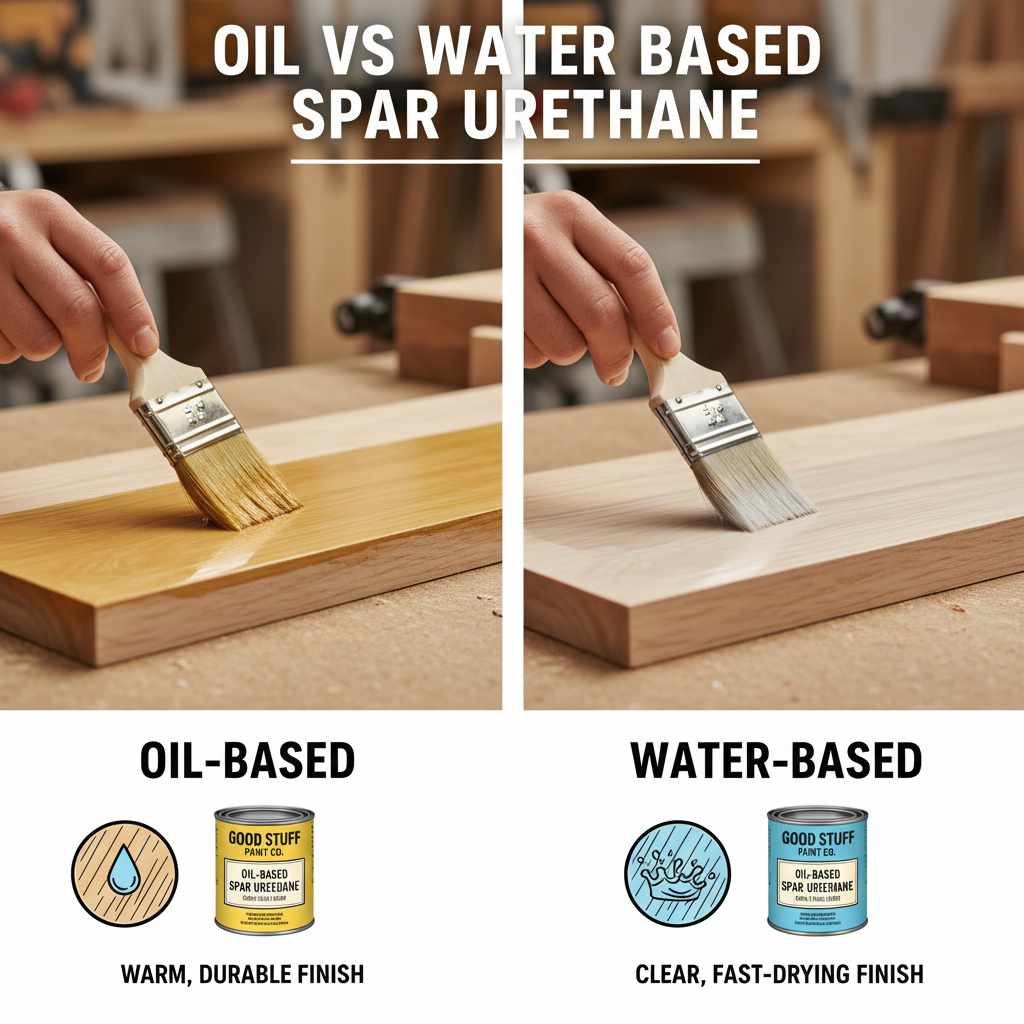
Oil-based spar urethane gives a warm, amber tone to wood. It often makes wood grain pop. The finish feels smooth and shiny. Water-based spar urethane dries clear. It keeps the natural look of wood. This urethane type is less glossy. It offers a simple, clean finish.
Oil-based urethane may darken with time. It can change the wood’s color. Water-based urethane stays colorless. It does not change the wood’s color. Water-based urethane resists yellowing. It keeps the wood looking fresh. Oil-based urethane can give a richer color.
Environmental Impact
Oil-based spar urethane releases more volatile organic compounds, affecting air quality. Water-based options are better for the environment, emitting fewer pollutants. Choose wisely for sustainable projects.
Toxicity And Safety
Spar urethane can be dangerous. Some types have toxic chemicals. Oil-based spar urethane smells strong. This smell can make people feel sick. Breathing fumes is not safe. Water-based spar urethane has less smell. It is safer to use. Always wear gloves when using it. Ventilate the room well.
Eco-friendliness
Oil-based urethane is less friendly to the planet. It uses more chemicals. These chemicals can harm the environment. Water-based urethane is better for nature. It has fewer harmful chemicals. Choose water-based for a greener choice. It is kinder to the earth. Save the planet with smart choices.
Cost Analysis
Choosing between oil-based and water-based spar urethane involves cost considerations. Oil-based options typically offer durability but can be pricier and require more maintenance. Water-based alternatives generally provide a smoother finish and are often more budget-friendly, appealing to those seeking an economical solution.
Price Comparison
Oil-based spar urethane often costs more upfront. This is due to its thicker consistency and durability. Water-based spar urethane is usually cheaper. It dries faster and is easier to clean up. Oil-based options may require fewer coats, saving money in the long run. Water-based types might need more coats, increasing overall expenses. Consider initial price and how many coats are needed.
Long-term Value
Oil-based spar urethane lasts longer. It resists wear better than water-based versions. Over time, it can provide better protection for wood surfaces. Water-based urethane might need more frequent reapplications. This can lead to higher costs over time. Oil-based options are often better for high-traffic areas. Think about where the urethane will be used. Consider durability and maintenance needs.
Application Challenges
Choosing between oil-based and water-based spar urethane poses several application challenges. Oil-based options offer durability but emit strong fumes, while water-based varieties dry faster yet require more coats. Understanding their differences can help achieve the desired finish on wood surfaces.
Common Issues
Oil-based spar urethane can leave a yellow tint. This happens on light woods. Water-based spar urethane stays clear. It shows the real color of wood. Oil-based types take longer to dry. They are sticky and messy. Water-based types dry fast. They are easy to clean up. Oil-based urethane smells strong. Water-based urethane has less smell. Some people find oil-based types hard to apply smoothly. Water-based types spread evenly.
Solutions And Tips
Choose oil-based for darker woods. Use water-based for light woods. Open windows for air when using oil-based types. This helps reduce smell. Use a clean brush or roller for smooth application. Sand between coats for a nice finish. Follow the drying times on the label. This gives the best results.
Choosing The Right Option
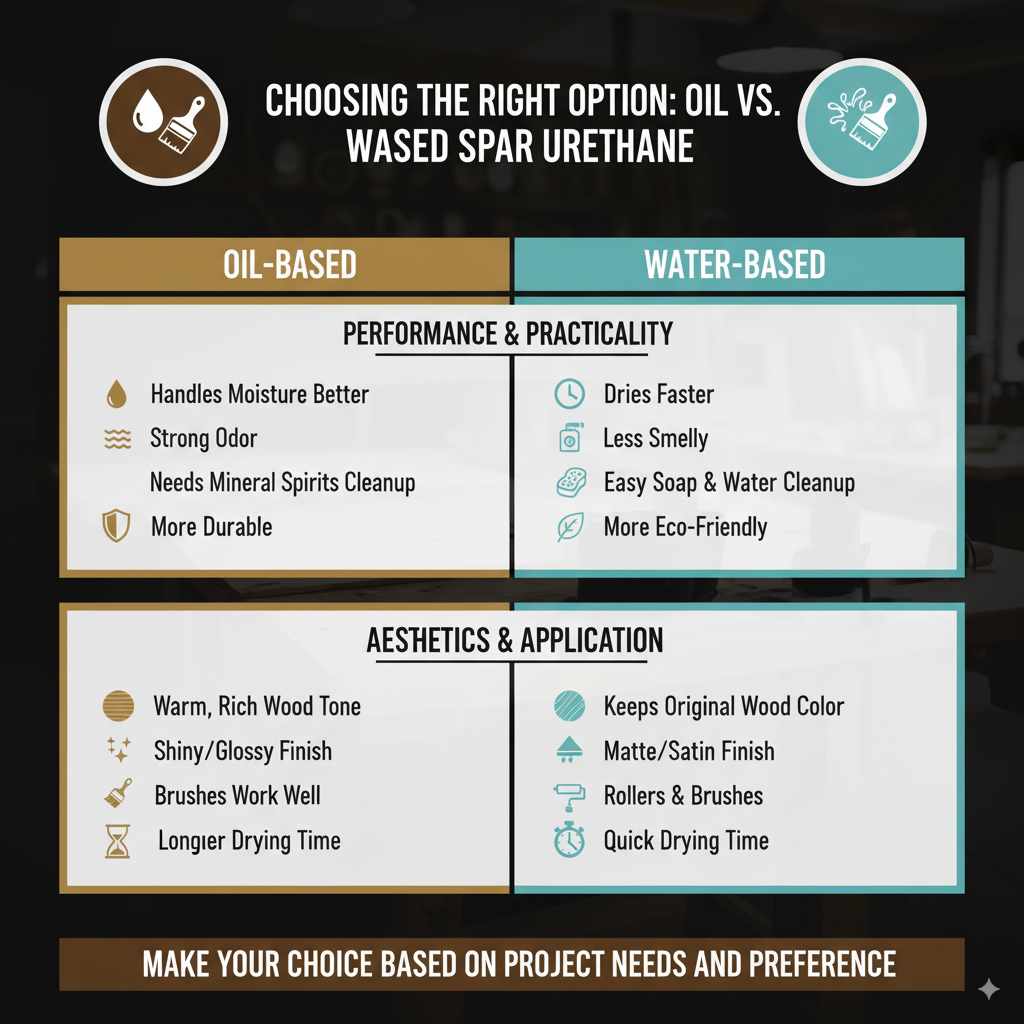
Weather conditions play a big role in choosing spar urethane. Oil-based options handle moisture better. Water-based ones dry faster. Think about smell too. Oil-based has a strong odor. Water-based is less smelly. Cleanup is easier with water-based. Just use soap and water. Oil-based needs mineral spirits. Both offer good protection. But oil-based is more durable. Water-based can be more eco-friendly. It has less harmful chemicals.
Some people prefer a natural look. Oil-based urethane gives a warm, rich tone. Water-based keeps the wood’s original color. Think about the finish you want. Oil-based is shiny and glossy. Water-based can be matte or satin. What tools do you have at home? Brushes work well for both types. Rollers are good for water-based urethane. Consider your time. Do you want quick drying? Water-based dries faster. Oil-based takes longer.
Frequently Asked Questions
What Is Better, Oil Or Water-based Urethane?
Oil-based urethane provides a durable, rich finish but has strong fumes. Water-based urethane dries faster and is less toxic. Choose oil-based for high traffic areas, water-based for quick jobs. Consider your project’s needs and environmental impact when deciding. Both have pros and cons, so select based on specific requirements.
Which Is Better, Oil Or Water Based Sealer?
Water-based sealers dry quickly and are eco-friendly, suitable for indoor use. Oil-based sealers offer deeper penetration and durability, ideal for outdoor surfaces. Choose based on the application area and desired finish.
Does Water-based Spar Urethane Yellow Over Time?
Water-based spar urethane generally resists yellowing over time. Its formula helps maintain a clear finish. However, exposure to sunlight and environmental factors can cause slight discoloration. Regular maintenance and protection from direct sunlight can prolong clarity. Always check product specifications for best results.
How Do I Get A Smooth Finish With Water-based Spar Urethane?
Apply thin coats of water-based spar urethane using a high-quality brush. Sand lightly between coats with fine-grit sandpaper. Clean the surface before each coat. Ensure a dust-free environment for a smooth finish. Allow adequate drying time between applications for best results.
Conclusion
Choosing between oil and water-based spar urethane depends on your needs. Oil-based offers durability and rich color. Water-based dries quickly and has less odor. Both protect wood surfaces effectively. Consider the environment and project type. Indoor projects may benefit from water-based options.
Outdoor use might favor oil-based for its toughness. Test a small area before full application. This helps ensure satisfaction with the finish. Both types have their pros and cons. Choose wisely for the best results. Your woodwork deserves the right protection.